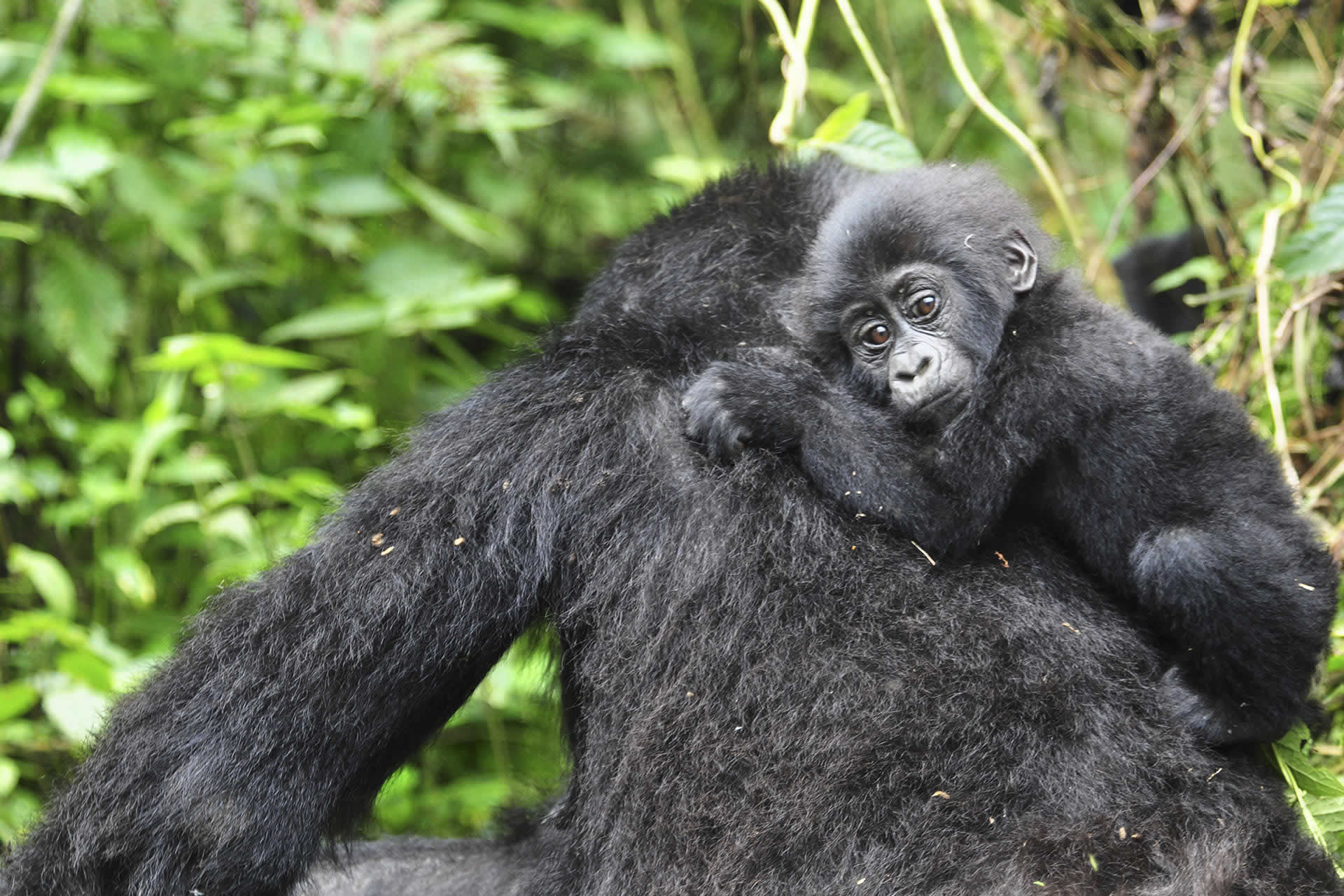

Gorilla trekking in Rwanda is a rare chance to see
mountain gorillas up close in their natural home. But this experience comes
with serious responsibility. The gorillas are endangered and can easily catch
human diseases. That is why the park has strict rules for every visitor.These
rules are not suggestions. They protect the gorillas and keep you safe.
Breaking them can result in fines or being sent back. Before you enter the
forest, you must understand and follow every rule.This guide covers the top 10
rules you must follow during your trek. We explain each rule clearly so you
know what to do and why it matters. Read this carefully before your trip. Being
prepared helps you have a smooth visit and ensures the gorillas stay protected
for future generations.
1. Do not trek
if you are sick
If you have a cough, flu, fever, or any infection, do not go on the trek.
Gorillas share about 98% of our DNA, making them highly vulnerable to human
diseases that can be fatal to them. Even a minor cold from you could wipe out
an entire gorilla
family because they have no immunity to these illnesses. If you arrive at
the park headquarters with symptoms, the rangers will stop you from trekking.
This rule is not flexible. You may be offered a chance to reschedule or get a refund
if you have medical proof. Protect the gorillas by being honest about your
health.
2. Keep a
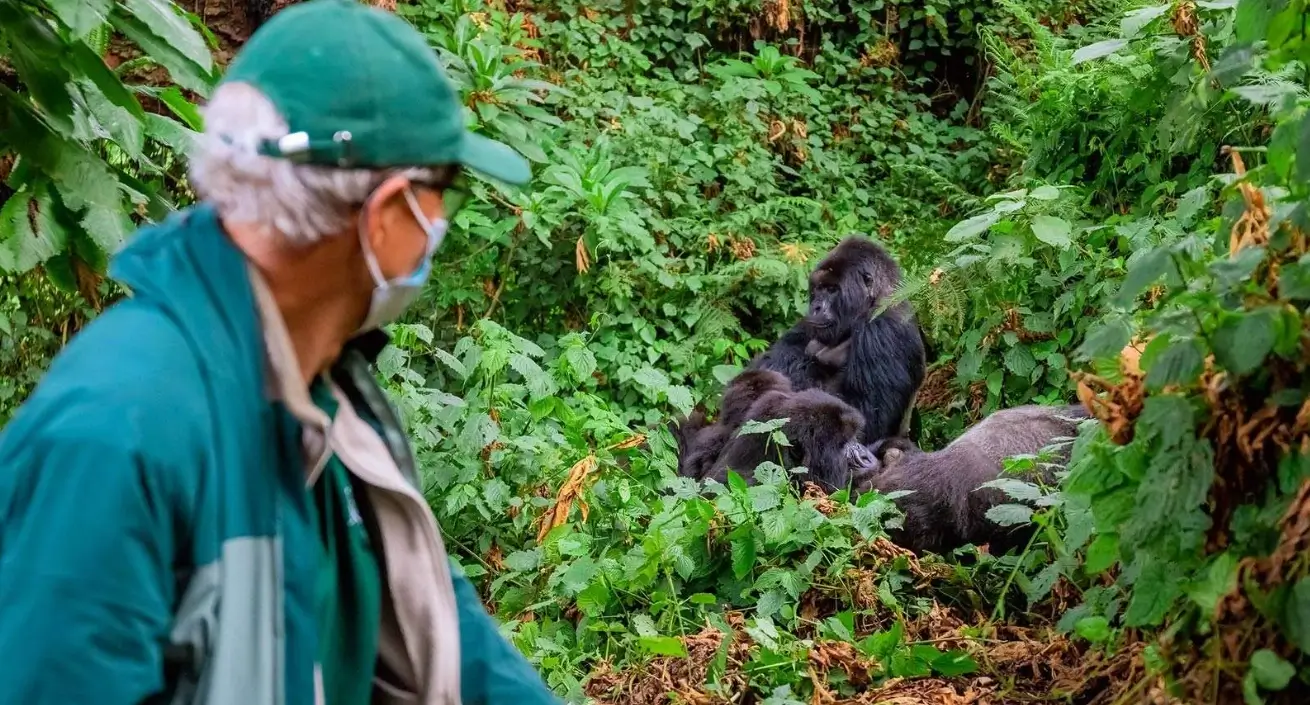
minimum distance of 7 meters
You must stay at least 7 meters (about 23 feet) away from the gorillas at all
times. This distance is a strict buffer to prevent disease transmission and
reduce stress on the animals. The rangers will guide you to maintain this gap.
However, gorillas are curious and might move closer on their own. If this
happens, do not back away. Stay still, remain calm, and follow your guide’s
instructions. Never try to reach out or touch a gorilla, even if it is right
next to you.
3. Wear your
face mask at all times near gorillas
You will be given a face mask to wear during your entire time near the
gorillas . The mask is another important defense against passing on
respiratory infections . You must put it on before you get close to the
gorilla family . The guides will check that you are wearing it properly.
This helps protect the gorillas from human germs, as they are highly
susceptible to illnesses like the flu. Remember to keep the mask on for the
whole hour you spend with them. Do not remove it to take a photo or talk
4. Do not use
flash photography
Flash photography is completely banned near the gorillas . A sudden bright
light can startle them, especially the silverbacks who are protective of their
families. This could lead to defensive or aggressive behavior that puts
you and the gorillas at risk. Turn your camera's flash off before you enter the
forest. Use natural light to take your pictures, which is often good enough in
the open areas of the forest . It is also a good idea to practice using
your camera without flash before your trek so you are ready on the day.
5. Only one hour
with the gorillas
Once you find the
gorilla family, you are only allowed to spend one hour with them. This
strict time limit is designed to reduce the stress on the gorillas from human
presence and lets them spend most of their day doing their normal activities
like foraging and resting. Keep this one-hour limit in mind and make the most
of your time, but do not rush. Follow your guide's lead on when to start your
observation and when it is time to leave. This simple rule is very important
for the gorillas' well-being.
6. Keep your
voice low and avoid sudden moves
When you are with the gorillas, you must speak in whispers and make slow,
careful movements . Loud voices, pointing, or sudden gestures can be seen
as threatening by the gorillas and may cause alarm . Keep your movements
calm and controlled. Crouch down low if a gorilla approaches you, and avoid
direct eye contact, which can be a sign of aggression . The goal is to be
a quiet, calm observer in their home. This behavior helps the gorillas feel
safe and act naturally around you.
7. Do not eat,
drink, or smoke near gorillas
Eating, drinking, or smoking is forbidden while you are near the gorillas .
The smell of food could attract their attention, and sharing food with them is
dangerous for their health . Dropping food wrappers or leftovers also
litters their habitat and can introduce disease . You can only eat your
snacks or have a drink before you meet the gorillas or after your hour with
them is over . Make sure you have had your fill and are hydrated before
you get close to the gorilla family .
8. Follow the
ranger's instructions at all times
The park rangers are trained experts who know the gorillas and the forest
well . Their instructions are for your safety and the protection of the
gorillas. You must do exactly what they tell you without question . If a
gorilla acts aggressively or moves toward you, the ranger will tell you how to
react, such as staying still or crouching down . Do not argue or try to do
things your own way. Listen to the pre-trek briefing carefully and ask any
questions you have before you enter the forest .
9. Stay with
your group
You must stay close to your
assigned group of no more than 8 people . Do not wander off on your own.
The guide leads the group, and everyone needs to be together for safety and to
avoid surrounding the gorillas . When you are with the gorillas, keep the
group on one side so the gorillas have room to move away if they wish .
Staying together also means you won't get lost in the dense forest. Follow the
guide's lead and keep your group members in sight.
10. Minimum age
is 15 years
You must be at least 15 years old to go gorilla trekking in Rwanda. This rule
is in place because the trek can be physically demanding, with long, steep, and
muddy hikes at a high altitude . It also ensures that participants are
mature enough to follow the complex rules and stay calm around wild
animals . Younger children may struggle with the hike and are also more
likely to catch and spread illnesses. If you are traveling with younger family
members, you can explore other activities in the area, like golden monkey
trekking or visiting a cultural village
Best time of
year to go trek gorillas in Rwanda
The best time of year to go gorilla
trekking in Rwanda is during the dry seasons, from June to September and
December to February . During these months, the trails are drier and
easier to walk, with clearer skies that are better for photography and wildlife
viewing . However, because this is peak time, you must book your gorilla
permits and accommodations many months in advance . Trekking is also
possible in the rainy seasons from March to May and October to November, but
trails become very muddy and slippery, making the hike more difficult . A
benefit of the rainy season is that gorillas often come down to lower altitudes
to feed on fresh bamboo shoots, which can make your actual trek to find them
shorter .
How to get there
for gorilla trekking in Rwanda