
Planning a safari in Uganda is exciting, but it
requires more preparation than a standard beach holiday. You are heading into
remote rainforests to track
mountain gorillas, cross savanna plains in search of lions and elephants,
and navigate winding roads through the "Pearl of Africa." Before you
book your flights, there are practical things you need to know. Gorilla permits
sell out months in advance and cost $800 each. Yellow fever vaccination is
mandatory for entry. Your choice of footwear can make or break your trekking
experience. Cash is more useful than credit cards in rural areas. Travel
insurance must cover emergency evacuation. Understanding these basics will save
you stress, money, and disappointment. Whether you are a first-time visitor or
a seasoned traveller, getting these details right makes the difference between
a smooth trip and a problematic one. Here are the essential things to know
before you go.
1. Book Your
Gorilla Permits Well in Advance
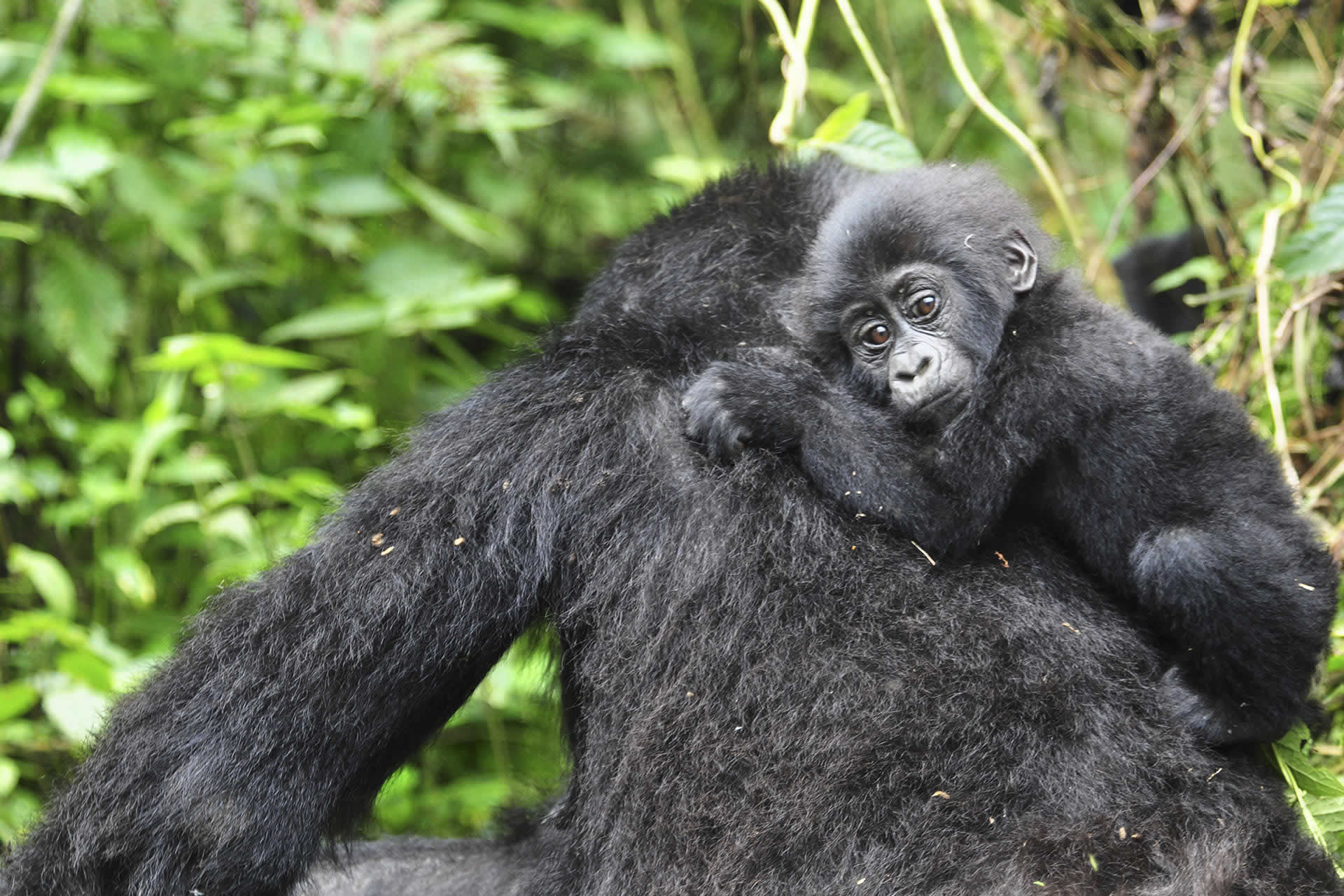
The gorilla trekking permit is the most important
item for your Uganda safari. These permits are strictly limited to protect the
gorillas, with only eight people allowed per gorilla family each day. For 2026,
the standard permit costs $800 for foreign non-residents, though Uganda
Wildlife Authority has reduced this to $600 during the low season months of
April, May, and November. Permits sell out months ahead, especially during peak
seasons, so you need to secure yours early. You can book through the Uganda
Wildlife Authority or a licensed tour operator. Treat this as your first
priority when planning, as your entire itinerary depends on having this permit
confirmed.
2. Get Your
Yellow Fever Vaccination
Yellow fever vaccination is mandatory for entry into
Uganda. You must receive the shot at least ten days before you travel and carry
your Yellow Card (vaccination certificate) with you. Immigration officers will
ask for it upon arrival at Entebbe Airport, so keep it handy in your carry-on
luggage. Besides yellow fever, you should consult a travel clinic about other
recommended vaccinations like hepatitis A and B, typhoid, and tetanus. Malaria
is also common in Uganda, so talk to your doctor about antimalarial medication
and start taking it before your trip as prescribed.
3. Pack
Neutral-Coloured Clothing
What you wear on safari matters more than you might
think. Bright colours can startle wildlife, while dark blue and black clothing
attract tsetse flies, which bite. Stick to neutral colours like khaki, green,
brown, and beige. These shades help you blend into the bush and make animals
less likely to be disturbed by your presence. For gorilla
trekking, long-sleeved shirts and long trousers are essential to protect
your skin from stinging nettles, thorny bushes, and insects. A lightweight
waterproof jacket is also necessary because rain can fall at any time, even
during the dry season.
4. Wear Sturdy
Waterproof Hiking Boots
Good footwear is not optional for a Uganda safari,
especially if you are gorilla or chimpanzee trekking. The rainforest floor is
muddy, steep, and uneven. You need sturdy waterproof hiking boots with good
ankle support and grip to prevent slips and injuries. Make sure you break in
your boots well before your trip to avoid painful blisters. For game drives in
savanna parks like Queen Elizabeth or Murchison Falls, comfortable closed-toe
shoes are fine. Many travellers also bring lightweight sandals for relaxing at
the lodge after a long day of trekking or driving.
5. Decide
Between Self-Drive and Guided Tours
You have two main options for getting around Uganda:
self-drive or a guided tour. Self-drive gives you freedom and flexibility, but
you need a sturdy 4x4 vehicle and comfort with left-hand driving on sometimes
rough roads. It can be cost-effective for experienced travellers. Guided tours,
however, remove all logistical stress. Professional guides know the parks well,
spot wildlife you would miss, and handle permits, accommodations, and park fees.
For first-time visitors, especially those coming for gorilla trekking, a guided
tour often provides a richer and more relaxed experience.
6. Know the Best
Time to Visit
Uganda is near the equator, so you can visit
year-round, but timing affects your experience. The dry seasons from June to
September and December to February offer the best trekking conditions and
wildlife viewing because trails are less muddy and animals gather around water
sources. These are also peak seasons, so expect higher prices and book early.
The rainy seasons from March to May and October to November bring lush green
landscapes and fewer tourists, which can mean lower accommodation rates and a
quieter experience. If you travel during the rains, pack a good rain jacket and
be prepared for slippery trails.
7. Carry Cash in
Small Denominations
While major lodges and tour operators accept credit
cards, cash is still king in Uganda, especially in rural areas and national
parks. You will need Ugandan Shillings (UGX) for smaller purchases like snacks,
souvenirs, and tips. US dollars are widely accepted for larger expenses, but
make sure your bills are new, crisp, and from series 2006 or later, as older or
damaged notes are often refused. ATMs are available in Kampala and major towns
but are scarce near parks. Carry small denominations to avoid problems with
making change, especially when tipping guides, porters, and lodge staff.
8. Get
Comprehensive Travel Insurance
Travel insurance is not just a recommendation; it is
a necessity for a Uganda
safari. Your policy must cover emergency medical evacuation, as you will be
in remote areas where medical facilities are limited. Also check that your
insurance includes adventure activities like gorilla and chimpanzee trekking,
as some standard policies exclude these. Keep a copy of your insurance
documents with you, and leave another with someone at home. In case of an
accident or sudden illness, evacuation by air can be extremely expensive
without coverage, and having the right insurance gives you peace of mind.
9. Prepare for
Long Driving Distances
Uganda may look small on a map, but travel times
between parks can be longer than you expect. Roads are often winding, and some
sections, especially in rural areas, are rough dirt or gravel. A journey that
seems short can take most of the day. Plan your itinerary with realistic
driving times, and include rest stops. If you are short on time, consider
domestic flights between Entebbe and parks like Bwindi or Kidepo to save hours
on the road. Always fill up your fuel tank when you see a petrol station, as
they can be few and far between in remote areas.
10. Respect Gorilla
Trekking Rules
When you finally meet the gorillas, you must follow
strict rules to protect both yourself and the animals. You are allowed only one
hour with the gorilla family, and you must stay at least seven metres away. Do
not trek if you have a cold or any respiratory illness, because gorillas are
susceptible to human diseases. Speak softly, avoid direct eye contact, and never
use flash photography, as this can stress the animals. Follow your guide's
instructions at all times. Hiring a porter to carry your pack not only supports
the local community but also helps you focus on the experience without getting
exhausted
11. Bring Enough
Cash in Small Denominations
While major lodges and tour operators accept credit
cards, cash is still the most reliable payment method in Uganda, especially
outside Kampala. You will need Ugandan Shillings for smaller purchases like snacks,
souvenirs, and tips for porters and guides. ATMs are scarce near national
parks, and they can run out of cash or have technical issues. US dollars are
widely accepted for larger expenses, but make sure your bills are from series
2006 or later, as older or damaged notes are often refused. Carry small
denominations to avoid problems with making change. A good rule is to have a
mix of both currencies, with enough local cash to cover daily expenses like
meals at local restaurants, market purchases, and fuel stops during long
drives.
12. Hire a
Porter for Gorilla Trekking
Hiring a porter is one of the smartest decisions you
can make for your gorilla trek in Bwindi
or Mgahinga. For about $20, a local porter carries your daypack, helps you
on steep and slippery sections, and provides stability on uneven terrain. This
service reduces fatigue significantly, allowing you to focus on the gorillas
rather than worrying about your footing. It also supports the local community,
as trekking provides essential income for people living near the parks. Many
trekkers find the experience much more enjoyable with a porter's help,
especially on longer hikes that can last four to six hours. Even fit travellers
appreciate the extra support when navigating the thick vegetation and muddy
slopes.
13. Respect
Local Culture and Dress Modestly
Ugandans are generally warm and welcoming, but they
value modesty and respect, especially in rural areas and religious spaces.
Dress conservatively by avoiding short shorts, tank tops, or revealing clothing
when outside the main cities. In Kampala, casual wear is fine, but smart-casual
looks more respectful. When visiting someone's home or a local village, err on
the side of modesty. Always ask permission before taking photos of people, as
some may not want their picture taken. Learning a few local phrases like
"webale" (thank you) or "oli otya" (how are you) goes a
long way in building connections and showing respect. Simple greetings are not
small talk in Uganda; they are considered polite.
14. Stay
Hydrated and Carry Snacks
Long game drives and trekking days can leave you
drained if you are not prepared. Always carry a refillable water bottle with
enough clean drinking water, as dehydration is a real risk under the equatorial
sun. Many lodges provide safe water, so you can top up before heading out. Pack
energy-boosting snacks like granola bars, nuts, or dried fruit to keep your
energy levels steady during long stretches in the bush. This is especially
important on full-day game drives or during gorilla trekking, where the hike
can last several hours. Staying fueled and hydrated ensures you have the
stamina to fully enjoy your safari without feeling exhausted by midday.
15. Have
Realistic Expectations About Wildlife Sightings
Uganda's wildlife is wild and free, not staged for
tourists. While rangers and guides are experts at tracking animals, sightings
are never guaranteed. A gorilla trek can take anywhere from two to six hours,
depending on how far the family has moved. During savanna game drives, you
might see lions, elephants, and buffaloes one day and relatively little the
next. Be patient and open-minded, and treat every sighting as a bonus. The
experience of being in the bush, watching birds, and enjoying the landscape is
valuable in itself. Trust your guide's expertise, and remember that the
unpredictability is what makes a real safari special.
How to get there
for Uganda safaris and Gorillas
Getting to Uganda for a safari and gorilla trekking
starts with flying into Entebbe International Airport (EBB), the country's main
international hub . From there, you have two choices: a direct domestic
flight or a road journey. Flying is the fastest option, with scheduled flights
on airlines like Aerolink taking about 1.5 to 2 hours from Entebbe to airstrips
near Bwindi, such as Kihihi or Kisoro, costing roughly $334-$404 for a one-way
ticket and saving you from a long drive . Alternatively, a road transfer
from Entebbe to Bwindi takes approximately 8 to 10 hours by 4x4 vehicle .
Many travellers also choose to fly into Kigali International Airport (KGL) in
Rwanda instead, as it is closer to Bwindi. The drive from Kigali to Bwindi is
only about 4 to 5 hours, which is roughly half the time compared to coming from
Entebbe, making it a popular and time-efficient option for reaching the
gorillas