
Planning a successful Uganda
safari tour requires careful preparation, from choosing the right travel
season to selecting the destinations and activities that match your interests.
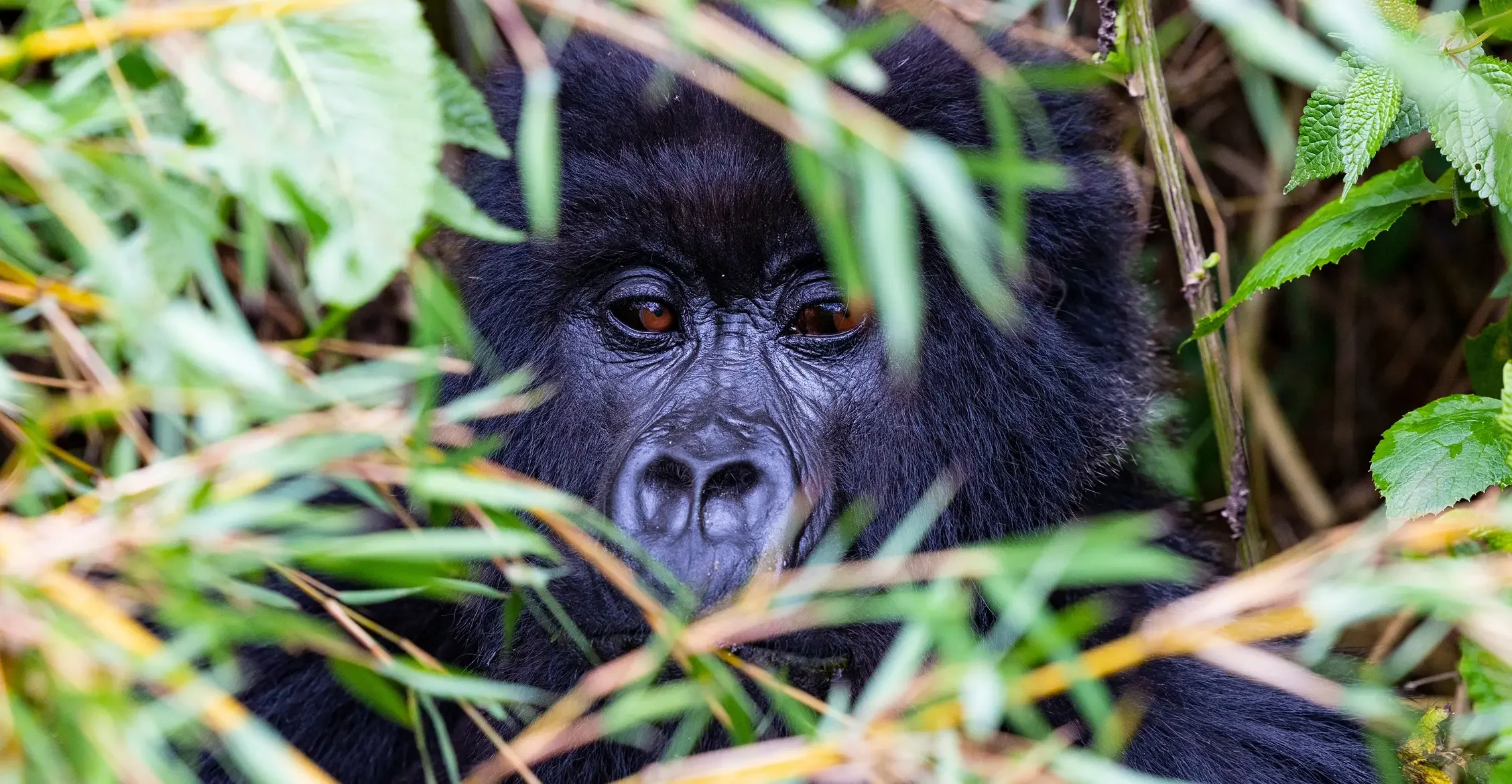
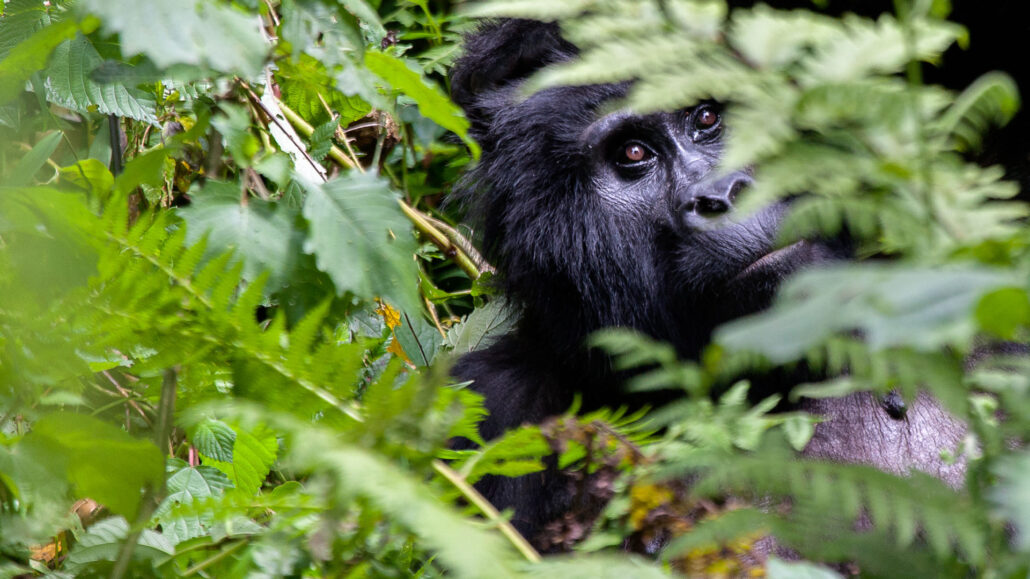
Uganda offers a combination of mountain gorilla trekking, chimpanzee tracking,
traditional wildlife safaris, birdwatching, boat cruises, and cultural
experiences. A well-organized itinerary allows travelers to visit famous
destinations such as Bwindi Impenetrable National Park, Kibale National Park,
Queen Elizabeth National Park, and Murchison Falls National Park. Securing
permits early, selecting suitable accommodation, and arranging reliable
transportation are important steps in the planning process. Travelers should
also prepare for varying weather conditions and pack accordingly. With the
right balance of wildlife, primate experiences, and cultural activities, a
Uganda safari tour can provide exceptional value and create lasting memories
for visitors.
1. Decide What
You Want to See and Do
The first step in planning a successful Uganda
safari tour is deciding what experiences matter most to you. Uganda offers
a wide range of activities including gorilla trekking, chimpanzee tracking,
wildlife game drives, birdwatching, boat cruises, cultural visits, and mountain
hiking. Before booking your Uganda safari tour, make a list of your priorities
and interests. Some travelers focus on primates, while others prefer
traditional wildlife safaris. Understanding your expectations helps create a
realistic itinerary and budget. Families, couples, solo travelers, and
photographers may each require different arrangements. By identifying your
goals early, you can allocate sufficient time to the destinations that interest
you most. A clear plan ensures your Uganda safari tour matches your interests
and avoids unnecessary travel between attractions.
2. Choose the
Best Time to Visit Uganda
Timing plays an important role when planning a Uganda
safari tour. Uganda can be visited throughout the year, but weather
conditions may affect road access, hiking trails, and wildlife viewing. The
drier months are generally preferred because trails are easier to walk and
animals are easier to find around water sources. When planning a Uganda safari
tour, consider the activities you want to include. Gorilla trekking and
chimpanzee tracking are available year-round, but some travelers prefer drier
conditions for hiking. Birdwatchers may choose different seasons when migratory
species are present. Understanding annual weather patterns helps you select
suitable travel dates. Choosing the right season can improve comfort, increase
wildlife viewing opportunities, and make your overall safari experience more
enjoyable.
3. Set a
Realistic Budget
A clear budget is essential when organizing a Uganda
safari tour. Costs vary depending on accommodation standards,
transportation, group size, activities, and travel season. Before booking your
Uganda safari tour, determine how much you are comfortable spending on permits,
accommodation, meals, transport, and optional activities. Gorilla permits
usually represent a large portion of safari expenses, so they should be
considered early in the planning process. Travelers can choose from budget,
mid-range, or luxury options depending on their preferences. Understanding your
financial limits helps avoid unexpected expenses later. A well-planned budget
also allows you to compare different packages fairly. Careful financial
planning ensures you can enjoy the experiences you want without compromising
comfort or important safari activities.
4. Select the
Right Safari Destinations
Uganda offers several outstanding destinations, and
choosing the right combination is important for a successful Uganda safari
tour. Bwindi Impenetrable National Park is known for mountain gorillas, while
Kibale National Park is popular for chimpanzee tracking. Queen Elizabeth
National Park offers game drives and boat cruises, while Murchison Falls
National Park combines wildlife viewing with spectacular waterfall scenery.
When creating your Uganda safari tour itinerary, try to include destinations
that complement each other. This approach provides variety and prevents the
experience from becoming repetitive. Travelers with limited time should focus
on a few major parks rather than attempting to visit too many locations.
Choosing destinations carefully ensures efficient travel, better wildlife
experiences, and a more relaxed safari schedule.
5. Arrange
Gorilla and Chimpanzee Permits Early
Many visitors plan a Uganda safari tour specifically
to see mountain
gorillas and chimpanzees. Since permits are limited and highly sought
after, booking them well in advance is extremely important. A Uganda safari
tour that includes gorilla trekking requires confirmed permits before
finalizing travel arrangements and accommodation. Waiting until the last minute
can result in limited availability during popular travel periods. Chimpanzee
permits may also require advance reservations depending on demand. Early booking
provides greater flexibility when selecting travel dates and preferred trekking
locations. It also helps safari operators design well-coordinated itineraries
around permit schedules. Securing permits early reduces stress and ensures that
the main activities on your safari are guaranteed before you begin your trip.
6. Choose
Accommodation Carefully
Accommodation can greatly influence the overall
quality of a Uganda safari tour. The country offers a wide range of options,
from budget lodges to luxury safari camps. When selecting accommodation for
your Uganda safari tour, consider location, comfort, services, and proximity to
major attractions. Staying close to activity areas reduces travel times and
allows more opportunities for wildlife viewing. Comfortable accommodation also
provides a place to relax after long days of game drives and trekking
activities. Reading reviews and understanding what is included can help avoid
disappointment. Different travelers have different priorities, so there is no
single best choice for everyone. Selecting suitable accommodation contributes
significantly to a comfortable and enjoyable safari experience.
7. Plan Your
Transport Options
Transportation is a major consideration when
organizing a Uganda
safari tour. Uganda's attractions are spread across different regions,
making travel planning essential. Depending on your budget and schedule, a
Uganda safari tour may involve road transfers, domestic flights, or a
combination of both. Road travel allows visitors to enjoy changing landscapes
and local communities, while domestic flights save time on longer routes.
Travelers should consider driving distances when creating their itineraries.
Packing extra activities into a short schedule can result in unnecessary time
on the road. Efficient transportation planning reduces fatigue and allows more
time for wildlife viewing and relaxation. Choosing the right transport option
improves both convenience and overall safari satisfaction.
8. Pack the
Right Travel Essentials
Good preparation is important for a comfortable
Uganda safari tour. Packing appropriate clothing and equipment helps visitors
cope with changing weather conditions and different safari activities. For a
Uganda safari tour, travelers should carry lightweight clothing, comfortable
walking shoes, rain protection, sunscreen, insect repellent, and a hat.
Binoculars can improve wildlife viewing, while a camera helps capture special
moments. Visitors participating in gorilla trekking should also prepare for
forest conditions and uneven terrain. Personal medications and important travel
documents should be kept easily accessible. Packing wisely reduces
inconvenience during the trip and helps travelers focus on their safari
experience. A well-prepared traveler often enjoys greater comfort and fewer
unexpected challenges.
9. Include
Wildlife, Primates, and Culture
A well-rounded Uganda
safari tour should include a mixture of activities rather than focusing on
only one attraction. Uganda offers opportunities to see gorillas, chimpanzees, elephants,
lions, buffaloes, hippos, and many bird species. Combining these attractions
within a Uganda safari tour creates greater value and variety. Cultural
experiences can also provide deeper insight into local traditions and daily
life. Visiting community projects, cultural centers, and local villages helps
travelers understand the people who live alongside protected areas. This
combination of wildlife and culture creates a broader understanding of Uganda
as a destination. Including diverse experiences keeps each day interesting and
ensures travelers leave with a richer appreciation of the country.
10. Book with an
Experienced Safari Company
Working with a reliable operator is one of the most
important decisions when planning a Uganda safari tour. Experienced safari
companies understand permit requirements, transportation logistics,
accommodation options, and park regulations. A professionally organized Uganda
safari tour saves travelers time and reduces the challenges of managing
multiple reservations independently. Good operators also provide knowledgeable
guides who enhance the safari through local expertise and wildlife knowledge.
They can recommend suitable itineraries based on budget, travel interests, and
available time. Professional planning helps avoid common mistakes and ensures
activities are scheduled efficiently. Choosing an experienced safari company
allows travelers to focus on enjoying their safari while experts manage the
details behind the scenes.