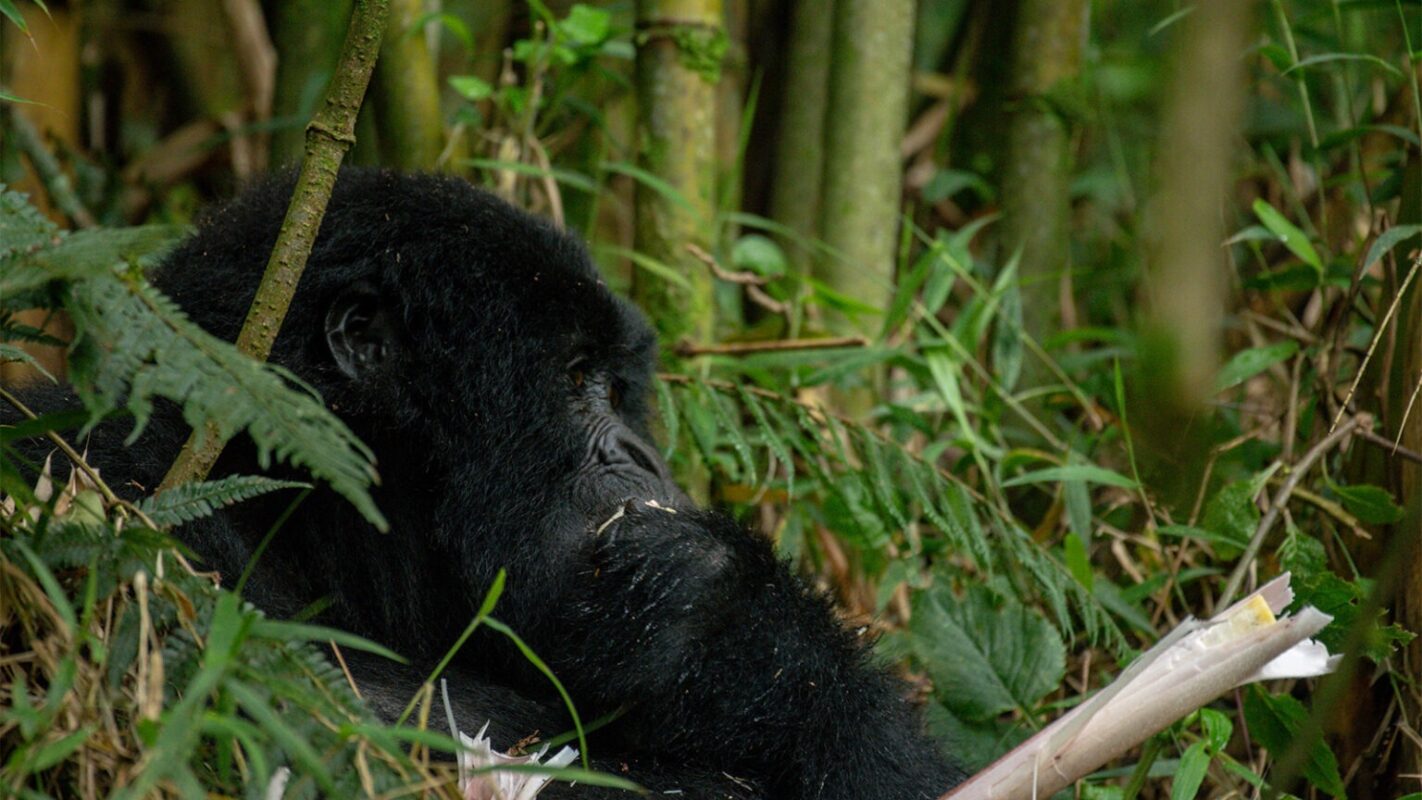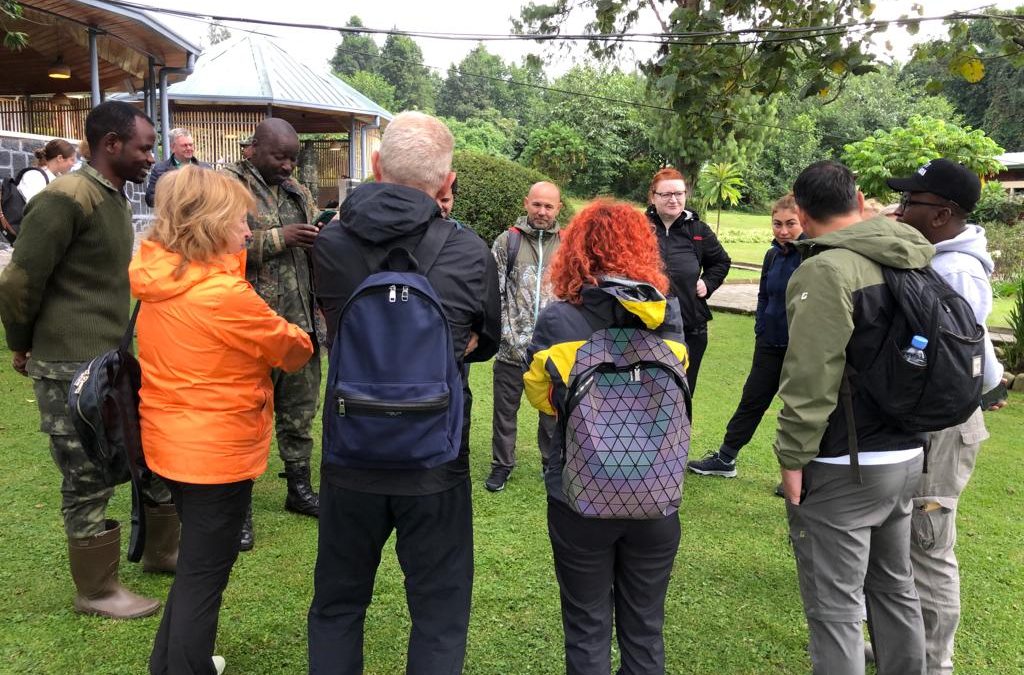

Rangers and porters are essential to the success of gorilla
trekking experiences in both Rwanda and Uganda. Rangers serve as guides,
conservation officers, educators, and protectors of mountain gorillas, ensuring
that trekking activities are safe, organized, and environmentally responsible.
They lead visitors through the forest, locate gorilla families, provide
security, and share valuable knowledge about gorilla behavior and conservation.
Porters, on the other hand, assist trekkers by carrying equipment, helping
navigate challenging terrain, and offering physical support during hikes. Their
services make gorilla trekking more accessible and comfortable while creating
important employment opportunities for local communities. Together with
trackers, rangers and porters form the backbone of gorilla tourism, helping
protect endangered mountain gorillas, support local livelihoods, and deliver
one of Africa's most extraordinary wildlife experiences
1. Rangers Lead
the Gorilla Trekking Experience
Rangers play a vital role in ensuring that gorilla
trekking in Rwanda and Uganda is safe, organized, and educational. Every
trekking group is assigned trained park rangers who lead visitors through the
forest while providing guidance throughout the journey. Before the trek begins,
rangers conduct a detailed briefing covering safety procedures, trekking
regulations, and gorilla conservation guidelines. They use their knowledge of
the terrain and wildlife to guide visitors toward the gorilla family assigned
for the day. Rangers also share information about the forest ecosystem, local
wildlife, and gorilla behavior. Their expertise ensures that visitors enjoy a
meaningful and well-managed experience. Without rangers, gorilla trekking would
be far more difficult and potentially unsafe for both visitors and the
endangered mountain gorillas.
2. Rangers
Protect Mountain Gorillas
One of the most important duties performed by
rangers is protecting mountain
gorillas from threats such as poaching, habitat destruction, and human
disturbance. Rangers patrol protected areas daily, monitoring gorilla families
and watching for signs of illegal activities. Their presence helps ensure that
gorillas remain safe within national parks such as Volcanoes National Park in
Rwanda and Bwindi Impenetrable National Park in Uganda. During trekking
activities, rangers strictly enforce rules designed to minimize stress on the
animals. These regulations include maintaining a safe viewing distance,
limiting visitor numbers, and restricting the amount of time spent with gorilla
groups. Through their dedication and conservation efforts, rangers play a significant
role in the continued survival and growth of mountain gorilla populations.
3. Rangers Help
Locate Gorilla Families
Finding mountain gorillas in dense forests requires
extensive knowledge and coordination. Rangers work closely with trackers who
enter the forest early each morning to locate gorilla families before visitors
arrive. Information from trackers helps trekking groups reach the gorillas as
efficiently as possible. Rangers interpret signs such as fresh footprints,
feeding sites, and nesting locations to follow gorilla movements through the
forest. Their understanding of gorilla habits greatly increases the chances of
successful sightings. Because gorilla families move frequently throughout the
day, locating them requires skill, patience, and experience. Visitors benefit
greatly from the hard work performed behind the scenes by trackers and rangers,
who ensure that every trekking group has the best possible opportunity to
encounter mountain gorillas.
4. Rangers
Ensure Visitor Safety
Safety is another key responsibility of gorilla
trekking rangers. Mountain forests can present challenges including steep
slopes, muddy trails, thick vegetation, and changing weather conditions.
Rangers help visitors navigate these environments while minimizing risks. They
monitor trekking conditions and adapt routes when necessary. In the unlikely
event of an emergency, rangers are trained to respond quickly and effectively.
They also manage visitor behavior during gorilla encounters to prevent actions
that may disturb the animals. By providing professional supervision throughout
the trek, rangers allow guests to focus on enjoying the experience rather than
worrying about potential hazards. Their presence creates confidence and
security for travelers exploring remote forest environments.
5. Rangers
Provide Educational Experiences
Beyond guiding and protection, rangers serve as
educators during gorilla trekking adventures. They explain gorilla family
structures, feeding habits, communication methods, and conservation challenges.
Visitors learn about the history of gorilla conservation and the efforts that
have helped increase mountain gorilla numbers over the years. Rangers often
answer questions and share fascinating stories based on years of field
experience. Their insights give travelers a deeper appreciation of the wildlife
and ecosystems they are visiting. These educational interactions transform
gorilla trekking from a simple wildlife sighting into a meaningful conservation
experience. Through their knowledge and passion, rangers help visitors
understand the importance of protecting mountain gorillas and their fragile
habitats.
6. The Role of
Porters During Gorilla Trekking
Porters provide valuable support services that make gorilla
trekking easier and more comfortable for visitors. Available for hire at
the starting point of most treks, porters assist by carrying backpacks,
cameras, water, walking sticks, and other personal items. This service allows
visitors to conserve energy while navigating challenging forest terrain.
Porters are particularly helpful for travelers who are unfamiliar with hiking
in mountainous environments. Their assistance can significantly improve the
trekking experience and reduce physical strain. Many visitors find that hiring
a porter enhances their comfort and allows them to concentrate fully on the
adventure. The service also provides important economic benefits for local
communities living near gorilla habitats.
7. Porters
Assist on Difficult Terrain
Mountain gorilla habitats are often characterized by
steep hills, slippery trails, dense vegetation, and uneven ground. Porters play
a practical role in helping visitors navigate these conditions safely. In
addition to carrying luggage, porters frequently offer a helping hand while
crossing difficult sections of the trail. They assist travelers when climbing
steep slopes, descending muddy paths, or moving through thick forest
vegetation. This support is especially valuable for older travelers or those
with limited hiking experience. The guidance provided by porters can make
challenging treks much more manageable and enjoyable. Their familiarity with
local terrain allows them to offer practical support that contributes
significantly to the overall success of the trekking experience.
8. Porters
Support Local Communities
Hiring a porter does much more than improve a
visitor's trek because it directly supports local livelihoods. Many porters
come from communities located near national parks and depend on tourism income
to support their families. Employment opportunities linked to gorilla tourism
help reduce poverty and create alternatives to activities that may negatively affect
wildlife habitats. By earning a living through tourism, local residents develop
stronger incentives to support conservation efforts. Porters represent an
important link between protected areas and surrounding communities. Their
involvement demonstrates how wildlife tourism can create economic opportunities
while encouraging conservation awareness. Many visitors appreciate knowing that
hiring a porter contributes positively to both community development and
gorilla protection.
9. Teamwork
Between Rangers and Porters
Successful gorilla trekking depends on effective
cooperation between rangers, trackers, and porters. Rangers focus on
leadership, conservation, safety, and education, while porters provide
practical assistance and support to visitors. Together, they create an
organized and enjoyable trekking environment. Their teamwork ensures that
guests receive professional guidance while reducing the physical challenges
associated with hiking in mountainous forests. Trackers locate the gorillas,
rangers lead and protect visitors, and porters help carry equipment and provide
assistance along the trail. This coordinated approach improves visitor
satisfaction and contributes to the smooth operation of trekking activities.
Every successful gorilla encounter relies on the combined efforts of these
dedicated individuals working together.
10. Appreciating
Their Contribution
The unforgettable experience of meeting mountain
gorillas would not be possible without the commitment of rangers and porters.
Rangers dedicate their lives to wildlife conservation, visitor safety, and
gorilla protection, while porters provide essential assistance that makes
trekking more accessible and comfortable. Together, they contribute to
conservation success and community development in both Rwanda and Uganda. Their
hard work often goes unnoticed by visitors who focus on the gorillas
themselves, yet they are fundamental to every trekking adventure. Taking time
to appreciate their efforts and supporting local services through porter hire
and gratuities helps sustain these important roles. Rangers and porters are
truly the backbone of the gorilla trekking experience and an essential part of
its continued success.