
Uganda offers one of Africa’s most rewarding safari
experiences, blending primate encounters with classic game viewing across
diverse landscapes. Costs vary depending on comfort level, with budget safaris
averaging $200–$350 per day, mid-range $350–$650, and luxury $650–$1,200+,
sometimes exceeding $2,200. The gorilla
trekking permit is a fixed $800, while the immersive gorilla habituation
experience costs $1,500, rising to $1,800 in 2027. Chimpanzee trekking is $250,
with habituation at $300, increasing to $400 in 2027. Accommodation ranges from
$30 hostels to $1,500+ luxury lodges, while national park fees average $40–$50
daily. Vehicle hire with guides costs $150–$250 per day, and internal flights
$250–$400 one-way. Factoring these essentials ensures travelers plan
realistically, balancing budget with comfort for a memorable Uganda safari.
Daily Safari
Cost
The daily safari cost in Uganda depends on the level
of comfort chosen. Budget travelers spend $200–$350 per day, covering shared
vehicles, basic lodges, and park fees. Mid-range travelers pay $350–$650 daily,
which includes private vehicles and comfortable lodges. Luxury travelers spend
$650–$1,200+ per day, with exclusive packages sometimes exceeding $2,200. A Uganda
safari at any level provides access to wildlife, but the quality of guiding and
accommodation differs. Selecting the right budget ensures your Uganda safari
matches both your comfort needs and expectations.
Gorilla Permit
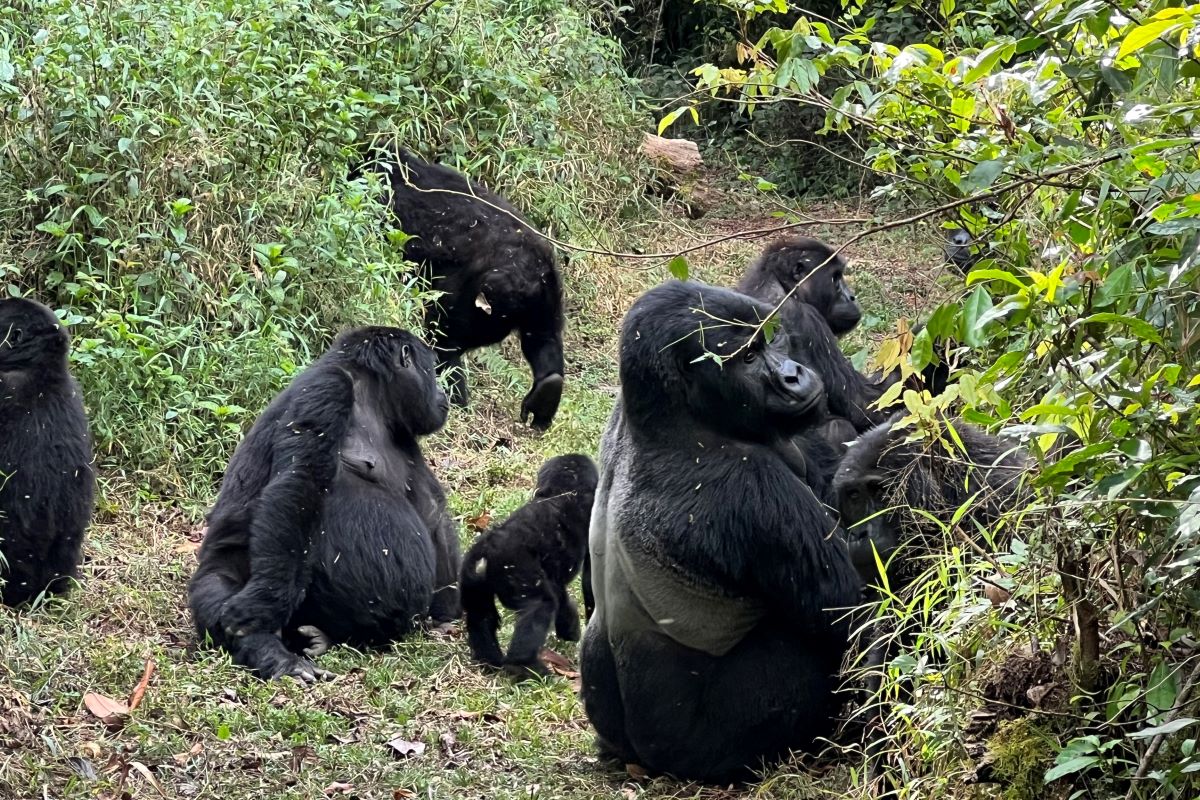
The gorilla trekking permit is a fixed cost of $800
for non-residents. It allows one hour with a gorilla family in Bwindi
or Mgahinga National Park. This fee includes ranger services, park entry,
and supports conservation. Regardless of budget, the permit cost is the same,
making it a central expense. A Uganda safari focused on gorillas requires
booking permits months in advance due to limited availability. Including this
permit ensures your Uganda safari delivers one of Africa’s most sought-after
wildlife experiences.
Gorilla
Habituation Experience
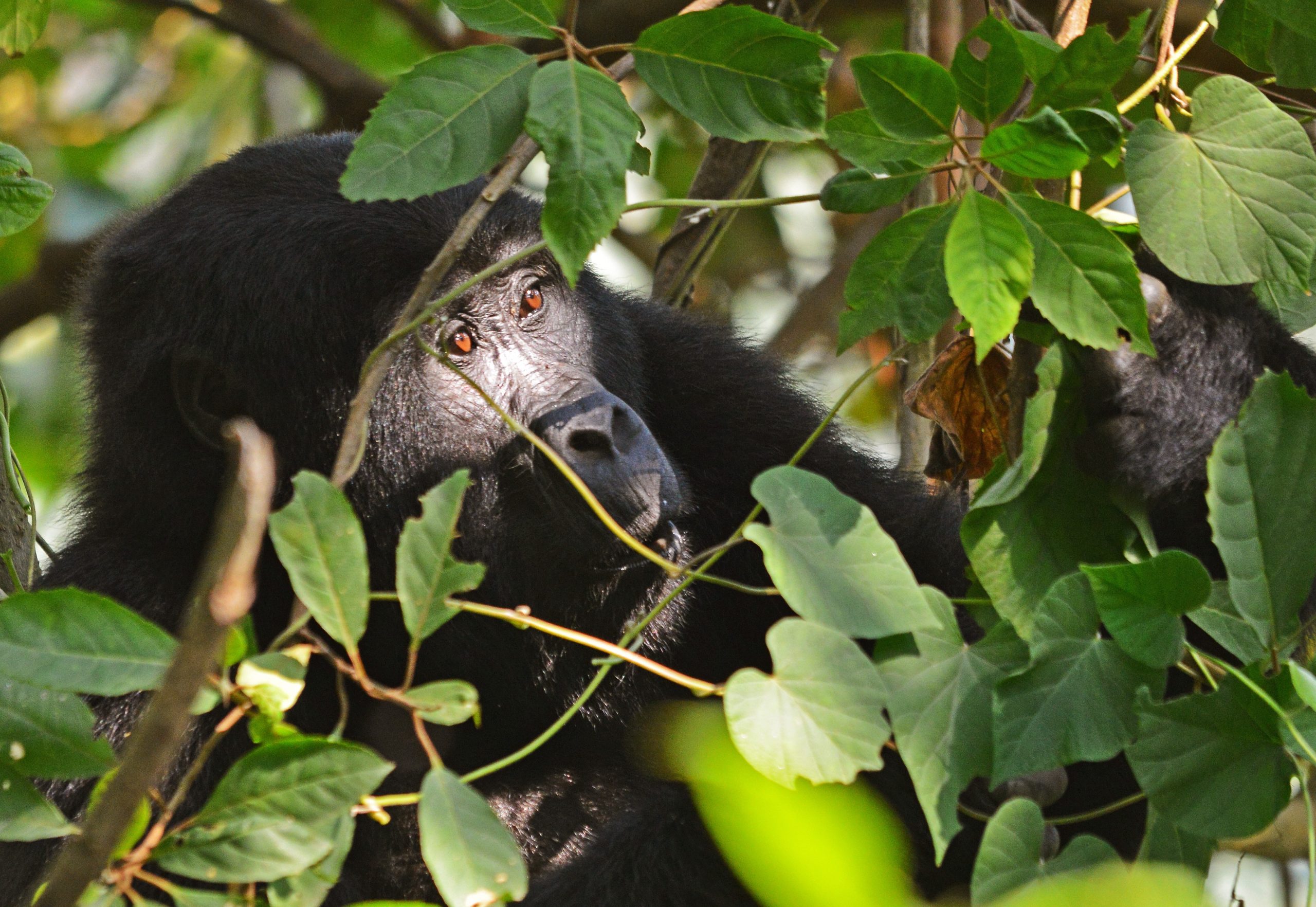
The gorilla habituation experience costs $1,500 as
of now and in 2027 it will be $1800 per person and allows up to four hours with
gorillas in Bwindi Impenetrable National Park. This activity is more immersive
than standard trekking, as guests join researchers while gorillas are gradually
accustomed to human presence. The higher fee reflects the extended time and
conservation support. A
Uganda safari that includes habituation offers deeper insights into gorilla
behavior and conservation efforts. For travelers seeking a more detailed
experience, adding habituation to a Uganda safari provides unmatched value and
rare opportunities.
Chimpanzee
Permit
Chimpanzee trekking permits cost $250 per person in
Kibale Forest National Park. This fee covers guided tracking and one hour of
observation with chimpanzees. It is consistent across budget levels, making it
accessible to most travelers. A Uganda safari that includes chimpanzee trekking
adds variety to wildlife experiences, complementing gorilla trekking. Booking
early is recommended due to high demand. Including chimpanzee trekking in your Uganda
safari ensures a deeper understanding of primates and their forest habitats.
Chimpanzee
Habituation
Chimpanzee habituation costs $300 per person in
Kibale Forest and $400 in 2027. This activity allows guests to spend several
hours with chimpanzees as they are gradually accustomed to human presence. It
provides more time than standard trekking and offers insights into behavior,
feeding, and social interactions. A Uganda safari with chimpanzee habituation
is ideal for travelers who want extended primate experiences. Adding this to
your Uganda safari ensures a richer understanding of conservation and primate
research.
Accommodation
(Per Night)
Accommodation costs vary widely. Budget travelers
spend $30–$150 per night in hostels or basic lodges. Mid-range options cost
$100–$350 per night, offering comfortable lodges with better facilities. Luxury
travelers pay $400–$1,500+ per night for premium lodges and exclusive camps. A Uganda
safari experience is shaped by accommodation choice, influencing comfort,
meals, and proximity to parks. Selecting the right lodge ensures your Uganda
safari balances cost with convenience, whether you prefer simplicity or luxury.
National Park
Fees (Per Day)
National park fees in Uganda range from $40–$50 per
day for most parks. These fees contribute to conservation and allow access to
wildlife areas. Regardless of budget, every traveler must pay them, making them
a standard part of safari costs. A Uganda safari includes these charges in
overall packages, ensuring smooth entry into parks like Queen
Elizabeth, Murchison Falls, and Bwindi. Factoring in park fees helps
travelers plan realistically. Including these fees in your Uganda safari budget
ensures uninterrupted access to diverse wildlife and landscapes.
4x4 Vehicle and
Guide (Per Day)
Hiring a 4x4 vehicle with a guide costs $150–$250
per day. Budget travelers often share vehicles, while mid-range and luxury
travelers prefer private vehicles for flexibility. Expert guides may increase
costs slightly but add significant value through knowledge and personalized
service. A Uganda safari relies heavily on vehicles and guides, as they
determine the quality of wildlife viewing and overall comfort. Choosing the
right option ensures your Uganda safari is efficient, safe, and informative.
Internal Flights
(One-Way)
Internal flights in Uganda cost $250–$400 one-way,
saving time compared to long road transfers. Charter flights for luxury
travelers may exceed $400, offering convenience and exclusivity. These flights
connect major safari destinations like Bwindi, Queen Elizabeth, and Kidepo. A Uganda
safari that includes internal flights reduces travel time, allowing more focus
on wildlife activities. While optional, flights are highly recommended for
those with limited time. Including flights in your Uganda safari budget ensures
smoother logistics and maximizes your experience across multiple parks.
Best time to go
for Uganda safari experience
The best time to go for a Uganda safari experience
is during the dry seasons from June to August and December to February, when
the weather is stable, park roads are easier to navigate, and wildlife gathers
around limited water sources, making sightings more frequent. These months also
provide excellent conditions for gorilla trekking in Bwindi and game drives in
Queen Elizabeth or Murchison Falls, with clear skies perfect for photography.
While costs are higher due to peak demand, the overall safari experience is
smoother and more rewarding compared to the rainy months.
How to get there
for Uganda safari experience
You can get to Uganda for a safari experience by
flying into Entebbe International Airport, the country’s main gateway located
near Kampala. Most travelers connect through major hubs like Nairobi, Addis
Ababa, Doha, or Dubai, with daily flights from Europe, the Middle East, and
other African cities. From Entebbe, safari operators arrange transfers by road
or domestic flights to key parks such as Bwindi, Queen Elizabeth, and Murchison
Falls. Road journeys are scenic but can take several hours, while internal
flights save time and provide aerial views of Uganda’s diverse landscapes.
When to book
your Uganda safari experience
The best time to book your Uganda safari experience
is at least 6–12 months in advance, especially if you plan to trek gorillas in
Bwindi or chimpanzees in Kibale, since permits are limited and sell out quickly
during the dry seasons of June–August and December–February. Booking early also
secures preferred lodges and guides, as demand peaks in these months. For
low-season travel (April–May, November), you can book closer to your dates, but
it’s still wise to reserve permits and accommodations a few months ahead to
avoid last-minute disappointments.