
A Rwanda
safari requires careful preparation to ensure smooth entry and a safe,
enjoyable experience. Travelers must carry a valid passport with at least six
months’ validity and blank pages for stamps. A tourist visa is easily obtained
on arrival or online, while those visiting multiple East African countries can
benefit from the East Africa Tourist Visa. Gorilla trekking permits are
essential for Volcanoes National Park and should be booked months in advance
due to high demand. Visitors from yellow fever risk regions must present a
vaccination certificate. Comprehensive travel insurance is strongly advised,
covering medical emergencies and evacuation. Smart packing with layered
clothing, waterproof boots, insect repellent, and a first aid kit is vital.
Finally, plan your finances with both Rwandan Francs and US dollars for
convenience.
1. Valid
Passport
Your passport is the single most important document
you will carry. For entry into Rwanda, it must be valid for at least six months
from the date you arrive . Airlines often check this requirement before
you even board your flight, so renew your passport early if it is close to
expiring. You should also ensure there are at least one or two blank pages
available in your passport for entry and exit stamps . Without meeting
these basic passport rules, you will likely be denied boarding and entry, which
will ruin your travel plans. Check your passport's expiry date immediately
after you start planning your trip.
2. Rwanda
Tourist Visa
Rwanda has a straightforward visa policy that is
easy for most travelers to navigate. Citizens of all countries can obtain a
visa upon arrival at Kigali International Airport and at land borders .
The standard tourist visa costs USD 50 and allows a 30-day stay . You can
also apply for an e-visa online through the official Irembo government platform
before your trip if you prefer to have it sorted in advance . For those
planning to visit
Rwanda, Kenya, and Uganda in one trip, the East Africa Tourist Visa costing
USD 100 is a cost-effective option . Always check the official immigration
website for the most current fees and rules as they can change.
3. Gorilla
Trekking Permit
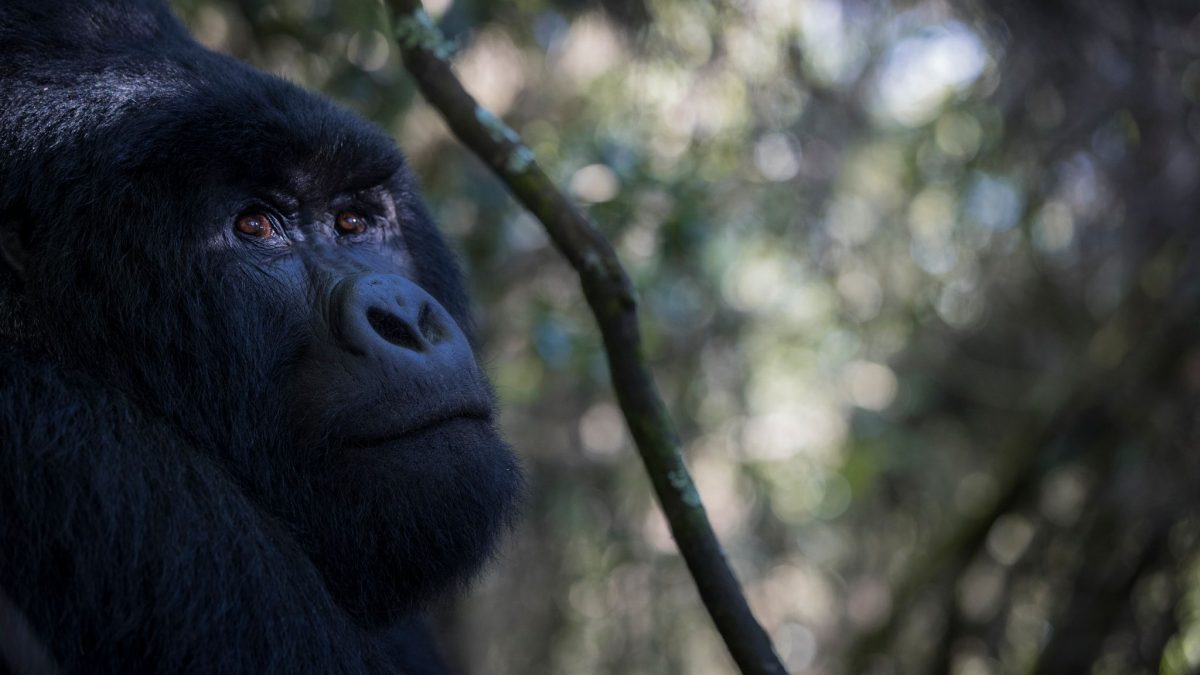
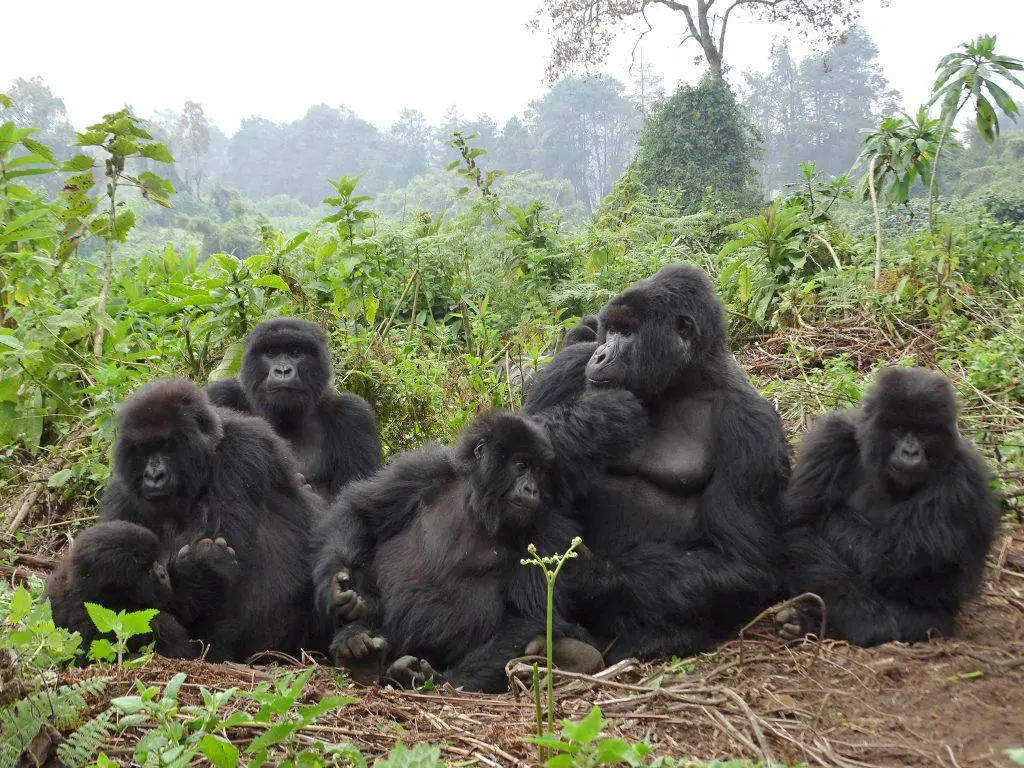
If you plan to track mountain gorillas in Volcanoes
National Park, you must secure a permit. This is the most critical item for
that part of your trip, as it grants you access to trek a specific gorilla
family . Each permit costs USD 1,500 per person and is limited to only
eight permits per gorilla family per day . Demand is very high, especially
during the dry seasons from June to September and December to February .
You should book your permit at least three to six months in advance, and for
peak times, you may need to book a year ahead . Permits can be purchased
through the Rwanda Development Board or a trusted tour operator. Keep your
permit safe and easily accessible.
4. Yellow Fever
Vaccination Certificate
You need an official Yellow Fever vaccination
certificate if you are arriving from a country with a risk of yellow fever
transmission . This certificate is known as the "yellow card"
and must be the original document, not a digital copy . The list of
affected countries includes many in sub-Saharan Africa and parts of South
America . Even if you are only transiting through a high-risk country, you
may be required to show this proof . The vaccine must be administered at
least ten days before you arrive in Rwanda to be valid . If you don't have
this certificate and are coming from an affected region, you could be denied
entry, which is a problem you want to avoid.
5. Travel
Insurance
While not a mandatory document for entry, travel
insurance is essential for any safari
in Rwanda . You need a policy that covers medical emergencies, medical
evacuation, trip cancellation, and lost luggage . It is especially
important to confirm that your policy covers activities like gorilla trekking,
as this is a physically demanding activity in a remote area . If you get
injured, a medical evacuation from a national park to a hospital in Kigali can
be very costly without insurance. Carry a printed copy of your policy and the
emergency contact numbers with you at all times. It is a small step that
provides significant protection and peace of mind.
6. Packing for
the Climate and Terrain
Packing correctly has a direct impact on your
comfort and safety. The weather in Rwanda can change rapidly, so it is
important to use layers of clothing . Bring lightweight, long-sleeved
shirts and trousers in neutral colors like khaki or green to blend in and
protect you from the sun and insects . A waterproof and windproof jacket
is necessary for rain and chilly mornings. For gorilla trekking, you need
sturdy, waterproof hiking boots that are already broken in to prevent blisters
on steep, muddy trails . A wide-brimmed hat, sunglasses, and high-SPF
sunscreen are vital for sun protection throughout the day . Carry a
daypack to hold your water, snacks, and extra layers.
7. Health and Safety
Essentials
Looking after your health involves packing specific
items. A good insect repellent with a high concentration of DEET is vital to
protect against mosquito bites and the risk of malaria . You should
consult your doctor about malaria prophylaxis medication before your trip .
A basic first aid kit with band-aids, antiseptic wipes, and your personal
medications is also a good idea . Bringing hand sanitizer and wet wipes is
useful for staying clean during long days out in the parks . Finally,
remember to bring a reusable water bottle to stay hydrated, especially during
treks. These practical items will help you avoid common health problems and
stay comfortable.
8. Money and
Payments
Planning how to handle money will make things
easier. The local currency is the Rwandan Franc (RWF), but US dollars are
widely accepted in the tourism sector . Make sure any US dollar bills you
bring are new, printed after 2009, as older notes are often not accepted .
Credit cards like Visa and Mastercard are commonly accepted at hotels and
restaurants in Kigali, but not in more remote safari areas . It is
important to carry cash in both Rwandan Francs and US dollars for small
purchases, tipping guides, and in case you are in a place without card payment
facilities . Withdrawing money from ATMs can be unreliable outside the
capital, so it is safer to plan your cash needs in advance.
9. East Africa
Tourist Visa for Multi-Country Trips
If your safari plan includes visiting
Rwanda, Uganda, and Kenya within the same trip, you should consider the
East Africa Tourist Visa. This single visa covers all three countries and
allows multiple entries for a 90-day period. It is priced at USD 100, which is
a better deal than buying separate visas for each country. You can apply for
this visa online before you travel. The main requirement is that your first
point of entry must be the country that issued the visa, so confirm your entry
point when applying. This arrangement saves you time and money at border
crossings, making your trip planning simpler.
10. Booking
Confirmations and Itinerary Documents
Having printed copies of your hotel bookings, flight
tickets, and safari itinerary is a practical step that helps you at various
checkpoints. You may be asked to show proof of accommodation when you arrive at
the airport to get your visa. For gorilla trekking, the park rangers at
Volcanoes National Park need to check your gorilla permit number and
registration details at the morning briefing. Keep copies of your tour
operator's emergency contact information handy in case of delays or problems.
Having these documents on paper, separate from your phone, means you can access
them even if you have no internet or a dead battery.
Best time to go
for Rwanda safari trip
The best time for a Rwanda
safari is during the two dry seasons, which run from June to September and
December to February. These months offer the best conditions for gorilla
trekking in Volcanoes National Park because the trails are less muddy and
easier to hike. Wildlife viewing in Akagera National Park is also better during
the dry seasons as animals gather around water sources and the vegetation is
thinner. Keep in mind that the long dry season from June to September is the
peak tourist period, so you will need to book your gorilla permits and
accommodation well in advance. The short rainy seasons from March to May and
October to November make trekking more difficult due to muddy trails, but they
are the best time for chimpanzee tracking in Nyungwe Forest and offer more
budget-friendly rates
How to get there
for Rwanda safari vacation