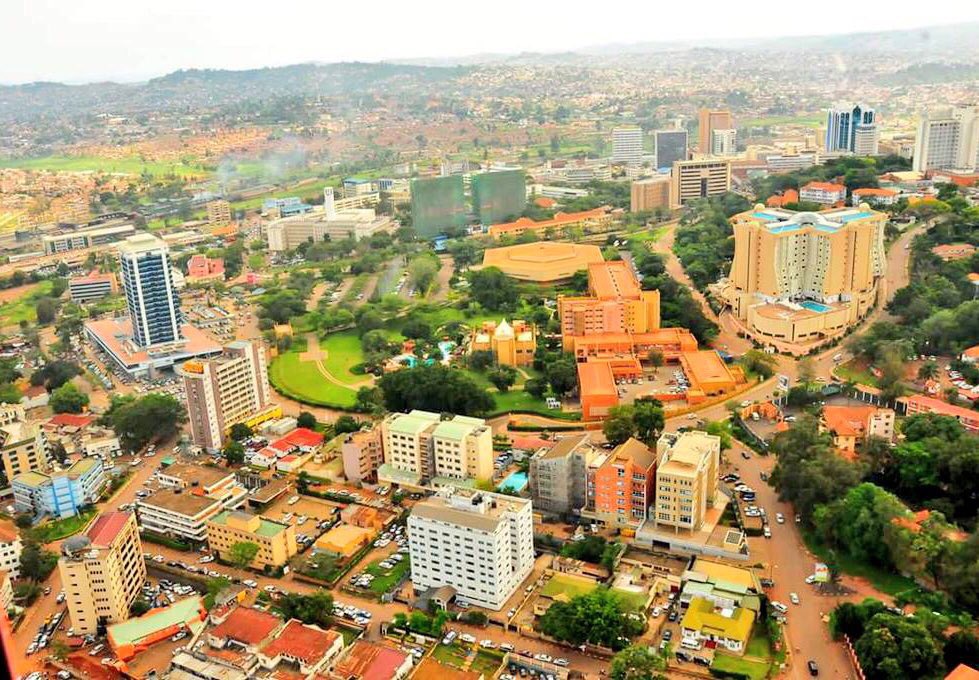

Kampala is the vibrant capital city of Uganda and
one of East Africa’s most energetic urban destinations. Built across a series
of hills, the city combines Uganda’s rich history, diverse cultures, busy
markets, modern shopping centers, religious landmarks and lively entertainment
scene. For travelers beginning or ending a safari, Kampala offers an
opportunity to experience the country beyond its national parks and wildlife.
Where is Kampala
Located?
Kampala is located in central Uganda, approximately
40 kilometers from Entebbe International Airport. Its central location makes it
an important transport and business hub with roads connecting the city to
different parts of the country. The city sits close to Lake Victoria, the
largest lake in Africa and its elevated hills provide different views across
the expanding urban landscape. Kampala has grown significantly over the years
and now extends well beyond the traditional hills associated with its early
history.
The History of Kampala
Kampala’s history is closely connected to the
Buganda Kingdom. The area developed around a number of hills that became
important centers of political, cultural and religious life. The name Kampala
is linked to the phrase “hills of the impala” referring to the impalas that
once lived in the surrounding area. Today the city remains closely connected to
Buganda heritage while serving as Uganda’s political, commercial and cultural
center. Historical sites around Kampala give visitors an opportunity to learn
about the kingdom, Uganda’s past and the development of the modern city.
Explore the Seven
Hills of Kampala
Kampala is traditionally associated with seven historic
hills: Mengo Hill, Makerere Hill, Nakasero Hill, Old Kampala Hill, Rubaga Hill,
Namirembe Hill and Kibuli Hill. Over time, the city has expanded far beyond
these original hills but they remain important landmarks in understanding
Kampala’s development and cultural identity.
Mengo is closely associated to the Buganda Kingdom
while Namirembe and Rubaga are important religious centers. Nakasero developed
into an important administrative and commercial area while Old Kampala is home
to the Uganda National Mosque. Exploring
these hills provides a different way to understand Kampala’s history and how
the city developed from a collection of important settlements into a major
urban center.
Visit Kasubi
Tombs
The Kasubi Tombs are among Kampala’s most important
cultural and historical attractions. The site serves as a burial ground for
several former Kabaka’s or Kings of Buganda. The tombs provide visitors with an
opportunity to learn about Buganda traditions, royal history and traditional architecture.
As a UNESCO World Heritage Site, Kasubi Tombs hold important cultural value and
form an important part a Kampala city tour.
Explore Mengo
Palace
Mengo Palace is another significant historical
attraction in Kampala. Located on Mengo Hill, the palace has a strong
connection to the history of the Buganda Kingdom. Visitors interested in Uganda’s
political and cultural history can learn more about the Buganda Monarchy and
the events that shaped Uganda during the colonial and post-independence
periods.
Visit the Uganda
National Mosque
The Uganda National Mosque stands on Old Kampala
Hill and is one of the city’s most recognizable landmarks. Its large structure
and elevated location make it an important feature of Kampala’s skyline.
Visitors can learn about the mosques history and Islamic heritage in Uganda.
The hilltop location also provides views across parts of Kampala making it a
popular stop during city tours
Discover
Uganda’s Culture
Kampala offers an excellent introduction to Uganda’s
cultural diversity. The city brings together people from different regions and
ethnic communities creating a lively mix of languages, traditions, music, food
and art. A visit to Ndere Cultural Centre provides an opportunity to experience
traditional Ugandan dances, music and performances. Local crafts and artwork
are available in several markets and craft centers making it easy for visitors
to take home a piece of Uganda’s cultural heritage.
Experience
Kampala’s Local Markets
Kampala markets provide a close look at everyday
life in the city. Markets such as Owino market and Nakasero market are busy
centers where locals shop food, clothing, household goods and other products.
Nakasero market is another popular stop particularly for fresh fruits,
vegetables, spices and other local produce. Walking through these markets
introduces visitors to the sounds, colors and energy of Kampala.
Taste Local Ugandan
Food
Food is an important part of experiencing Kampala.
Visitors have plenty of opportunities to taste traditional Ugandan dishes such
as matooke, posho, chapatti, rolex, groundnut sauce, beans, beef and grilled
meats. The famous Ugandan rolex is particularly popular among visitors. Made
with a chapatti wrapped around eggs and vegetables, it is a simple street food
meal that reflects Kampala’s lively food culture.
Enjoy Kampala’s
Nightlife and Entertainment
Kampala has a lively nightlife scene with
restaurants, cafes, live music venues and entertainment spots spread across
areas such as kololo, Bugolobi, Kisemeti, Ntinda and the city center. Evening entertainment
ranges from traditional music and cultural performances to contemporary Ugandan
music. For visitors interested in experiencing the city after dark, Kampala
provides plenty of options for dining, music and social entertainment.
Green Spaces and
Relaxation
Despite its busy streets and rapid development, Kampala
has several places where visitors can relax away from the city’s traffic.
Uganda National Mosque offers impressive views of the city from its hilltop
location while places such as Centenary Park provide spaces for dinning and
relaxation. The city surrounding areas also offer opportunities to experience
wetlands, lakeside environments and quieter communities outside the busy urban
center.
Kampala as a Gateway
to Uganda safaris
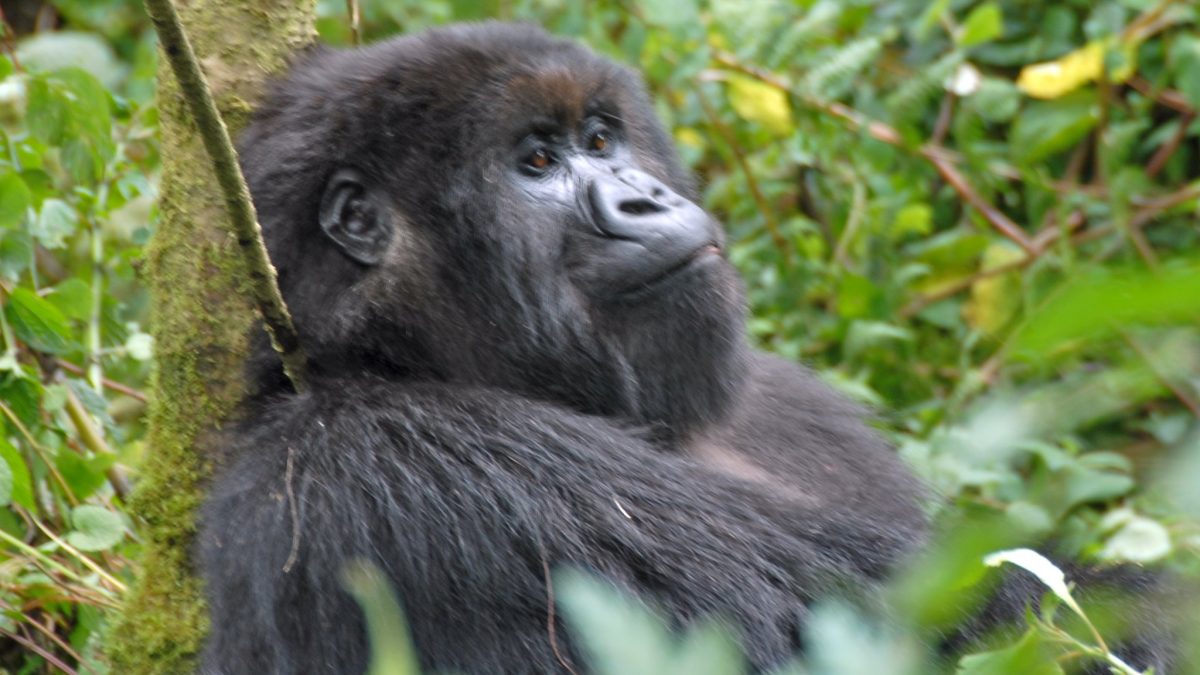
Kampala is an important starting point for many
Uganda safari itineraries. Travelers often spend a night or two in the city
before travelling to destinations such as Bwindi Impenetrable National Park for
gorilla trekking, Kibale National Park for chimpanzee tracking, and Queen
Elizabeth National Park for wildlife safaris, Murchison Falls National Park for
game viewing and Kidepo Valley National Park for remote savannah experiences.
Adding a Kampala city tour before or after a
wildlife safari gives travelers a broader experience of the country. Instead of
seeing only Uganda’s forests and savannahs, visitors get to experience its
history, people, food and urban culture.
Best Things to
do in Kampala
There many things to do in Kampala whether you have
a few hours or several days. Travelers can visit historical sites, explore
local markets, experience traditional performances, tour religious landmarks,
taste Ugandan food and discover local arts and crafts. A city tour also include
visits to the Uganda National Mosque, Kasubi Tombs, Mengo Palace and other
important cultural sites. Travelers with more time can explore areas outside
the city center and experience Kampala’s surrounding communities.
Best Time to
visit Kampala
Kampala is a year round destination although weather
conditions vary during the year. The city experiences two main rainy periods
and two relatively drier periods. The drier months generally provide more
convenient conditions for sightseeing and combining a Kampala visit with a
Uganda safari. However, rainfall does not prevent travel throughout the year
and Kampala’s attractions remain accessible during wetter months.
How to get to
Kampala
Most international visitors reach Uganda through
Entebbe international airport. From the airport, travelers can continue to
Kampala by road with the journey taking roughly one to two hours depending on
traffic. Kampala is connected by road to major destinations across Uganda. It
is therefore convenient for travelers who plan to continue from the capital to
national parks, cultural attractions and other parts of the country.
Where to Stay in
Kampala
Kampala offers accommodation for different types of
travelers, from luxury hotels and boutique properties to mid-range hotels and
budget guest houses. Areas such as Kololo, Nakasero, Bugolobi, Muyenga and
Kampala city center have a range of accommodation options. The best area to
stay depends on your itinerary. Travelers interested in business and upscale
accommodation may prefer areas such as Kololo and Nakasero while those looking
for convenient access to the city center may choose accommodation closer to
central Kampala.
Why Kampala
should be part of your Uganda Trip
Kampala gives travelers a different perspective of
Uganda. While the country’s national parks provide opportunities for wildlife
viewing and gorilla and chimpanzee experiences, the capital introduces visitors
to Uganda’s history, people, food, traditions and modern urban life. From the
historic hills and royal sites to colorful markets, cultural performances and
local restaurants, Kampala offers a varied travel experience. Including the
city in a Uganda itinerary creates a balance between wildlife adventures and
cultural exploration.