
1. Uganda has
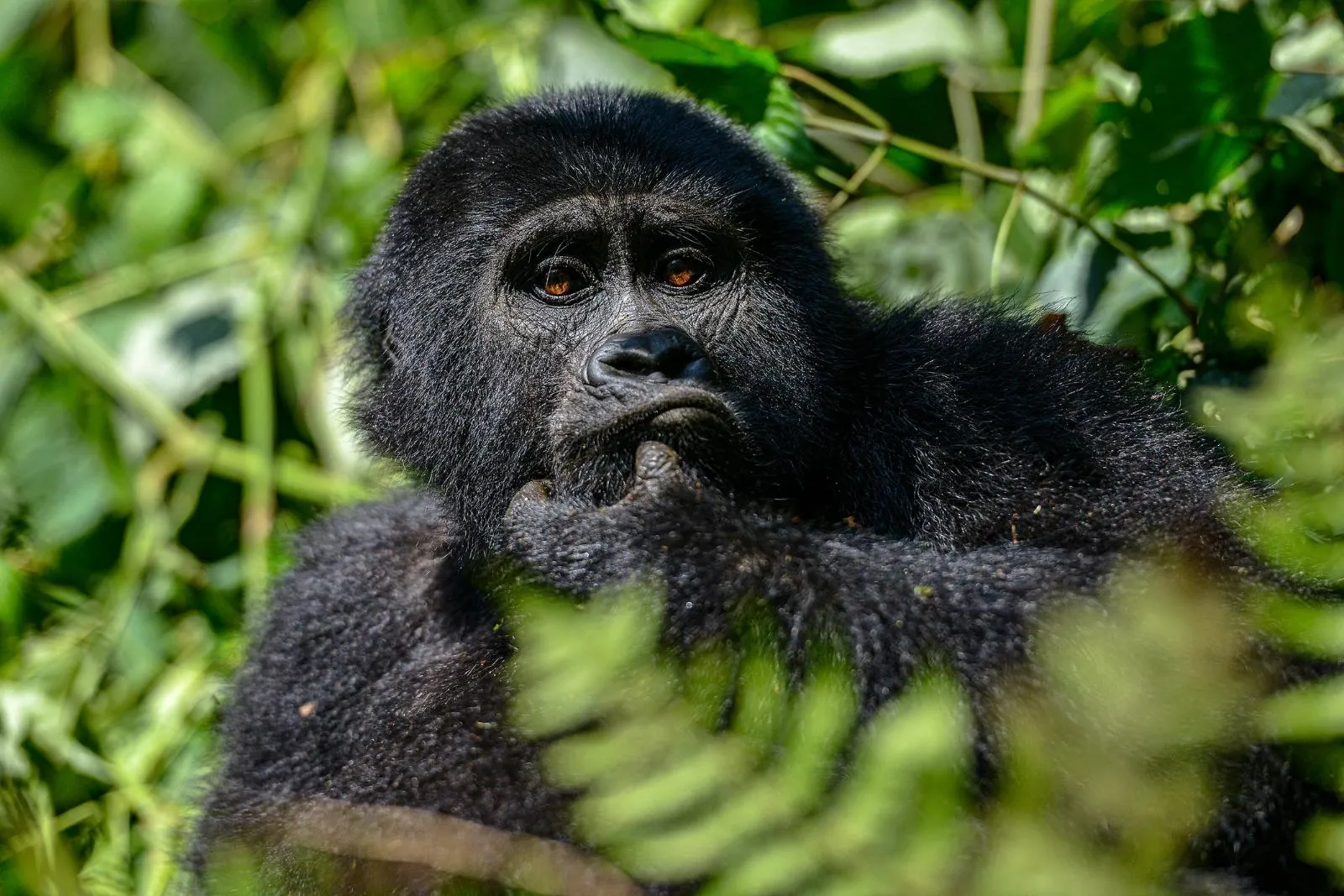
more than half of the world's mountain gorillas
Uganda shelters over half of all remaining mountain
gorillas on Earth, mostly in Bwindi Impenetrable National Park and Mgahinga
Gorilla National Park. This means your chance of seeing them in the wild is
higher here than anywhere else. The population has grown thanks to tourism
revenue funding anti-poaching patrols, and these conservation efforts continue
to work. You are not just visiting animals but supporting a success story that
has pulled this species back from the edge of extinction. With a new gorilla
census expected in 2026, the numbers may even be higher than before.
2. Gorilla
permits cost less than in Rwanda
Uganda's gorilla
trekking permits are priced at $800 per person for foreign non-residents,
compared to $1,500 in Rwanda. This price difference makes Uganda a more
practical choice for most travelers. If you want a four-hour habituation
experience, the permit costs $1,500, still matching Rwanda's standard permit
price. The permit covers park entry, the services of trained rangers and
trackers, and one hour with the gorillas. You also contribute to local
community projects, as a portion of permit fees goes directly to villages near
the parks.
3. You can visit
two different national parks
Uganda gives you two park options for gorilla
trekking: Bwindi Impenetrable National Park and Mgahinga Gorilla National Park.
Bwindi is divided into four sectors (Buhoma, Ruhija, Rushaga, Nkuringo), each
with different trekking conditions and gorilla families. Rushaga has the most
gorilla groups, so permit availability is better there. Nkuringo offers steep,
challenging terrain with wide views. Mgahinga, set on volcanic slopes, has only
one gorilla family but far fewer visitors, making it a quieter option. You can
choose based on your fitness level, how adventurous you feel, and whether you
prefer solitude or convenience.
4. The
habituation experience lets you spend four hours with gorillas
Uganda is the only country offering a gorilla
habituation experience. Instead of a standard one-hour visit, you spend up to
four hours with a gorilla family that is still learning to tolerate human
presence. You follow researchers and trackers as they work, watching how they
build trust with the animals. This costs $1,500 for a permit, almost double the
standard trek, but you gain a much deeper understanding of gorilla behavior and
conservation work. It is an excellent choice if you have more time and want
something beyond the regular tourist experience.
5. The trek is
physically demanding but rewarding
The trek through Bwindi's dense rainforest can take
two to six hours, often on steep, muddy trails. This is not a gentle walk but a
real hike through tangled undergrowth. You need a moderate fitness level and
proper waterproof boots. Rangers and trackers clear the path with machetes and
guide you through the forest. Porters are available for around $15 to $20 per
day to carry your bag or help you on the steep sections. The challenge is part
of the experience, and reaching the gorillas after a tough hike makes the
encounter feel earned, not handed to you.
6. Gorillas
share 98% of your DNA
Mountain gorillas share about 98%
of their DNA with humans. When you sit near a gorilla family, you will see
them groom each other, play, feed, and rest, showing gestures and expressions
that look familiar. Watching a silverback watch over his group feels less like
viewing wildlife and more like meeting distant relatives. The one-hour limit
for each visit protects both you and them, keeping the interaction safe and
controlled. The experience is simple, direct, and does not need explanation to
feel meaningful.
7. Tourism money
protects the gorillas
Tourism revenue is the main reason mountain gorillas
are making a comeback. Former poachers in Uganda now work as conservationists
and community watchdogs, protecting gorillas because they benefit from the
income visitors bring. A portion of permit fees goes to local communities for
water, healthcare, and other projects. The Uganda Wildlife Authority strictly
controls trekking, limiting groups to eight people per gorilla family and
enforcing a 7-meter distance rule to prevent disease transmission. By visiting,
you directly support this conservation system, making the high permit cost
practical rather than simply expensive.
8. You can
combine gorilla trekking with other wildlife experiences
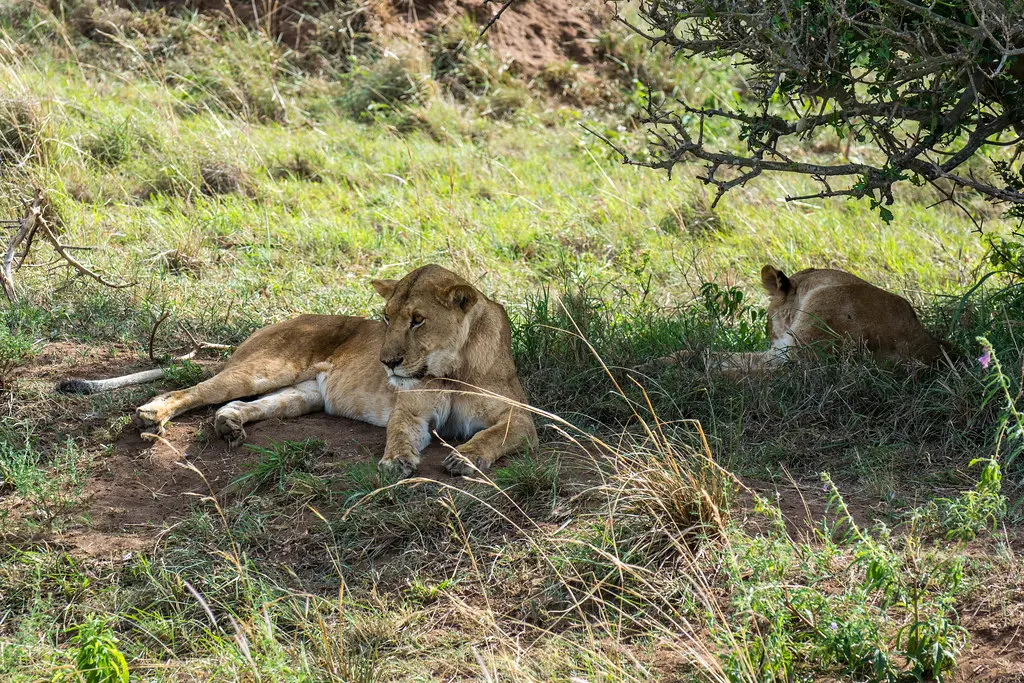
Uganda offers more than gorillas. You can track
chimpanzees in Kibale Forest, search for tree-climbing lions in Queen
Elizabeth National Park, or take a boat safari on the Kazinga Channel to
see hippos and elephants. Many visitors combine gorilla trekking with a wider
safari itinerary, covering multiple parks in one trip. Murchison Falls National
Park also has lions, elephants, and the dramatic Nile River falls. This makes
the travel time and cost more efficient because you can see several different
habitats and animals in one visit rather than making separate trips to other
countries.
9. Dry seasons
offer easier trekking conditions
The best time to visit Uganda for gorilla trekking
is during the dry seasons from June to September and December to February.
Trails are firmer, less muddy, and easier to walk on during these months.
Visibility in the forest is clearer, making photography more practical. The dry
seasons are the most popular, so permits sell out months in advance. If you
prefer fewer crowds, the wetter months (March to May and October to November)
have lower visitor numbers, though the trails become slippery and more
demanding. Choose based on your preference for comfort or quieter trails.
10. You spend
time with local communities
Gorilla trekking takes you into rural areas where
you can meet local people and learn about their customs. The Batwa community,
indigenous to the forest, often perform cultural dances at park headquarters
before treks. Some lodges also organize community visits where you can see how
conservation revenue has brought clean water and schools to these villages.
Meeting former poachers who now work as guides or watchmen shows you the real
impact of tourism on people's lives. This contact with local communities gives
you context for the gorilla visit, connecting wildlife conservation to
practical human needs.
Best time to
visit and see you Uganda gorillas.
The best time to see mountain gorillas in Uganda is
during the two dry seasons, from December to February and June
to September, when trails are firmer and less muddy, making the trek easier and
safer. You will also get better visibility for photography and clearer skies
during these months, which are the busiest and require booking permits 3 to 6
months in advance. The wet seasons (March to May and October to November) offer
a quieter experience with fewer visitors and lush green scenery, but the trails
become slippery and harder to walk. However, gorilla trekking remains possible
throughout the year, and some visitors find the rain brings the gorillas down
to lower elevations, potentially making trek times shorter
How to get there
to see gorillas in Uganda
You have two practical options for getting to
Uganda's gorilla parks. The fastest route is flying into Kigali
International Airport in Rwanda; from there, it's a 4 to 5-hour drive through
the Cyanika or Katuna border crossings to the southern sectors of Bwindi, which
saves you time compared to the longer routes from Uganda's main airport .
If you fly into Entebbe International Airport in Uganda, you can
either take a domestic charter flight (about 1 to 1.5 hours) to the small
Kihihi or Kisoro airstrips near Bwindi, followed by a short drive, or you can
drive the entire 8 to 10-hour road journey through Kampala using a sturdy 4x4
vehicle . Whichever airport you choose, most visitors use a licensed tour
operator to handle the transport, permits, and border paperwork, making the
long journey much easier to manage
What is the cost
to see Gorillas in Uganda
The main cost for seeing gorillas in Uganda is the
mandatory permit, which costs $800 per person** for foreign visitors in
2026 for a standard one-hour trek in
Bwindi or Mgahinga National Parks . If you want a longer experience,
the gorilla habituation permit costs **$1,500, allowing four hours with the
gorillas . The standard permit fee is subject to review in July 2026, but
there is also a seasonal reduction to $600** during the low tourism months
of April, May, and November to encourage visits during quieter periods .
Keep in mind this fee only covers the park entry, rangers, and the trek itself;
you will also need to cover separate costs for transport, accommodation, meals,
and hiring a porter if needed, so a complete 3 to 5-day trip will range from
about **$1,500 to $4,000 or more depending on your choices
Essential Tips
for Your Gorilla Trek
The most important tip is to book your gorilla
permit well ahead of time, as only eight visitors are allowed per gorilla
family each day, and permits often sell out months in advance during peak
seasons . On the morning of your trek, you will attend a briefing at the
park headquarters where rangers explain safety rules and gorilla behavior .
You must be at least 15 years old and in good physical condition, as treks can
take anywhere from two to six hours over steep, muddy, and uneven terrain .
If you have any illness like a cold or flu, you will not be allowed to trek
because gorillas are highly vulnerable to human diseases . Hire a porter
at the start point for about $15 to $20—they carry your backpack, help you on
difficult sections, and the money directly supports local families . Once
you find the gorillas, you get a maximum of one hour with them, maintaining a
distance of at least 7 meters, and you must follow all instructions from your
guide .
What to Carry on
the Trek
Your packing list should focus on protection and
practicality. Wear sturdy, waterproof hiking boots with good ankle support and
thick socks; break them in before your trip to avoid blisters . Bring a
waterproof jacket or poncho because rain is always possible in the forest .
Wear long-sleeved shirts and long trousers made from lightweight, quick-dry
fabric to protect your skin from stinging nettles, insects, and thorny branches .
Garden gloves are very useful for grabbing vines and branches for support .
Carry a small daypack with at least 2 liters of water, high-energy snacks like
nuts or granola bars, and your camera with extra batteries and memory
cards . Also bring insect repellent, sunscreen, hand sanitizer, your
passport, and your gorilla permit. Do not wear camouflage clothing, as it is
linked to the military in Uganda, and avoid bright colors or perfume that can
disturb the gorillas
Places to stay
in for gorilla trekking
Accommodation options for gorilla trekking in Uganda
are spread across the four sectors of Bwindi
Impenetrable National Park (Buhoma, Ruhija, Rushaga, and Nkuringo) and near
Mgahinga Gorilla National Park, with choices for every budget . Your
lodging is often linked to where your gorilla permit is valid, so book your
stay alongside your permit . For luxury, Gorilla Forest Lodge in
Buhoma is the only lodge inside Bwindi's park gates, rebuilt in 2025 with 10
standalone villas, a spa, and is only a five-minute walk from the trekking
start point . Also in Buhoma, Buhoma Lodge offers eight cozy
cottages with forest views . In the Rushaga sector, you have options
like Ichumbi Gorilla Lodge with views over the park . Near
Mgahinga, Mount Gahinga Lodge sits right at the park entrance and
provides a luxury experience with views of the volcanoes . For mid-range
and budget travelers, the Buhoma Community Rest Camp offers simple bandas and
tents, providing an affordable stay that directly supports the local community
Booking gorilla
safari with Zoophilist adventures and safaris
Booking your gorilla safari directly with Zoophilist Adventures and Safaris would
be a good choice because we are a registered, locally-based tour operator in
Uganda who specialize in gorilla trekking and wildlife safaris . Since twe
are on the ground, they can manage all the important details for you, from
securing your gorilla trekking permit to arranging your accommodation and
transport in a 4x4 safari vehicle with an English-speaking guide . Our
local knowledge means they can also advise on the best time to visit based on
weather and permit availability, and they can create a custom itinerary for
you, whether you're looking for a budget group trip or a private safari