
Getting a Ugandan
visa is a straightforward process when travelers understand the requirements
before departure. Most visitors need to apply online through Uganda’s official
e-Visa system and obtain a travel authorization before traveling. Key
requirements typically include a valid passport with at least six months
validity, a recent passport-size photograph, accommodation details, a travel
itinerary, and a valid Yellow Fever Vaccination Certificate. Travelers can
choose from different visa categories, including single-entry, multiple-entry,
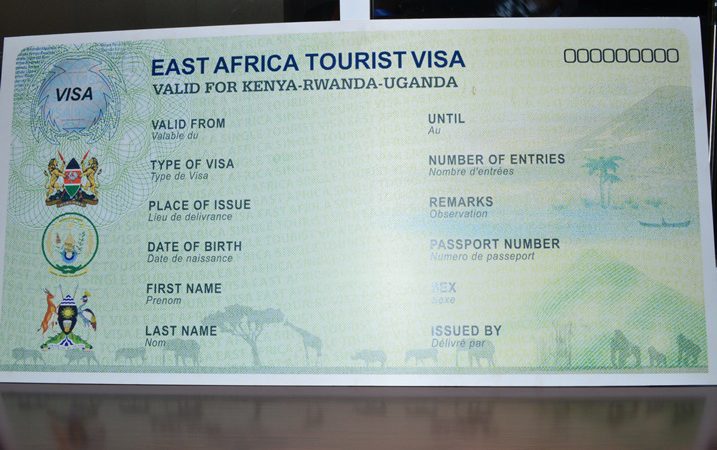
and the East Africa Tourist Visa, which covers Uganda, Kenya, and Rwanda.
Understanding visa fees, processing times, extension procedures, and health
requirements helps visitors avoid delays and travel complications. By preparing
all required documents in advance, travelers can enjoy a smooth arrival and focus
on experiencing Uganda’s wildlife, gorilla trekking, culture, and natural
attractions.
1. Understanding
Uganda’s Visa System
Uganda welcomes visitors from around the world for tourism,
business, family visits, and wildlife experiences. Most travelers require a
visa before entering the country, and Uganda now uses an electronic visa system
that allows applications to be completed online. The visa process is managed by
the Directorate of Citizenship and Immigration Control through the official Uganda
e-Visa portal. Travelers should apply and receive a travel authorization before
starting their journey, as Uganda generally requires visa-prone travelers to
obtain approval in advance. Whether you are visiting for gorilla trekking in
Bwindi, game viewing in Murchison Falls National Park, or business in Kampala,
understanding visa requirements in advance helps avoid travel disruptions.
Proper preparation allows visitors to enter the country confidently and enjoy
their trip from the start.
2. Applying for
a Uganda e-Visa
The most common way to get a Ugandan visa is through
the online e-Visa system. Applicants begin by visiting the official immigration
portal, selecting the visa category, completing the application form, uploading
supporting documents, and submitting the application for review. Once the visa
is approved, travelers receive a travel authorization letter that must be
presented during travel and on arrival in Uganda
The online system simplifies the application process
and reduces paperwork. Travelers are advised to apply well in advance of their
intended departure date to allow sufficient processing time. Carefully
reviewing all entered information before submission is important because errors
may delay approval. The e-Visa system remains the primary method for obtaining
permission to travel to Uganda.
3. Passport
Requirements
A valid passport is the most important requirement
for obtaining a Ugandan
visa. Applicants must provide a copy of the passport bio-data page when
applying online. The passport should have at least six months of validity
remaining from the planned date of travel. Immigration authorities may also
require sufficient blank pages for entry and exit stamps. Before applying,
travelers should ensure that passport details are accurate and that the
document is free from damage. Any discrepancies between passport information
and visa application details can cause delays or rejection. Keeping photocopies
and digital copies of the passport is also recommended in case the original
document is lost during travel. A valid passport forms the foundation of every
successful Uganda visa application.
4. Documents
Needed for a Tourist Visa
Tourists visiting Uganda are generally required to
submit several supporting documents during the visa application process. These
commonly include a passport copy with at least six months validity, a recent
passport-size photograph, a travel itinerary or tour plan, and hotel
reservations or accommodation details.
These documents help immigration officials verify
the purpose of the visit and expected duration of stay. Travelers participating
in safaris, gorilla trekking, or cultural tours can strengthen their
applications by including confirmed bookings from tour operators or lodges.
Organizing all required documents before applying helps prevent delays and
makes the approval process much smoother. Providing complete and accurate
information increases the likelihood of receiving timely visa authorization.
5. Uganda Visa
Fees
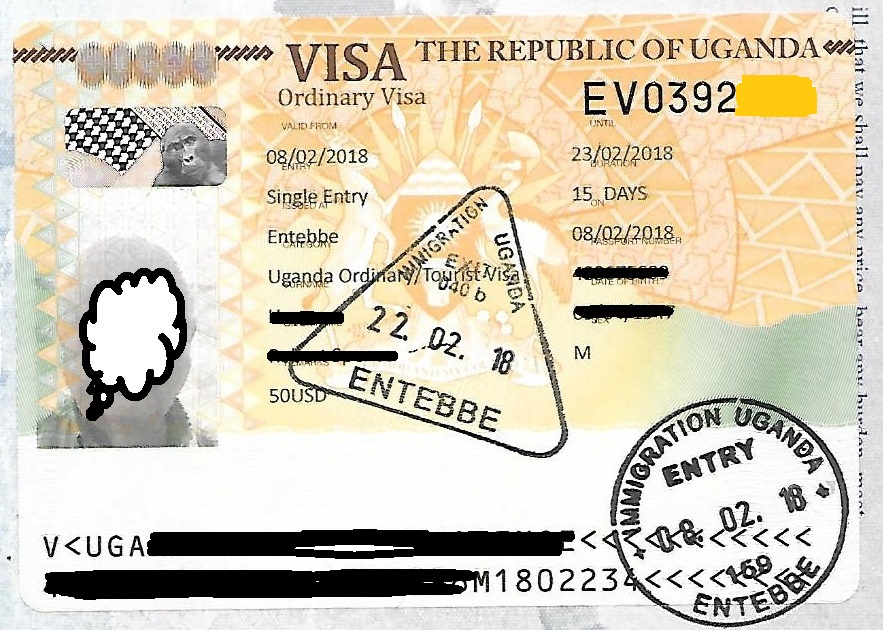
Uganda offers several visa categories, each with
different fees depending on the purpose and duration of travel. The standard
single-entry tourist visa costs approximately US$50. Multiple-entry visas are
available at higher rates, while the East Africa Tourist Visa costs US$100 and
covers Uganda,
Rwanda, and Kenya
Visa fees are generally paid online during the
application process using approved payment methods. These fees are usually
non-refundable, even if travel plans change after approval. Travelers should
keep payment confirmation receipts as part of their travel records.
Understanding the applicable visa category and associated costs before applying
allows visitors to budget effectively and avoid unexpected expenses as they
prepare for their Ugandan adventure.
6. The East
Africa Tourist Visa
Travelers planning to visit both Uganda and
neighboring countries may benefit from the East Africa Tourist Visa. This
special visa allows travel between Uganda, Rwanda, and Kenya using a single
visa valid for multiple entries within the participating countries. The visa is
valid for up to 90 days and costs US$100.
This option is particularly attractive for visitors
combining gorilla trekking in Uganda and Rwanda with wildlife safaris in Kenya.
Applicants should apply through the country they plan to enter first. The East
Africa Tourist Visa simplifies cross-border travel, reduces paperwork, and often
saves money compared to purchasing separate visas for each destination.
7. Health and
Vaccination Requirements
Health documentation is an important part of
Uganda's entry requirements. Travelers are generally required to present a
valid Yellow Fever Vaccination Certificate when entering Uganda. Immigration
authorities routinely check this document at entry points, including Entebbe
International Airport.
Visitors should obtain the vaccination before travel
and carry the original certificate throughout their journey. Depending on
international health conditions, additional screening measures may occasionally
be introduced. Travelers should monitor official travel advisories before
departure. Maintaining proper health documentation helps ensure smooth entry
procedures and contributes to public health protection. For safari travelers
visiting remote areas, additional vaccinations and travel health advice from
medical professionals may also be beneficial.
8. Processing
Times and Approval
Visa applications are reviewed by immigration authorities
after submission. Processing times may vary, although applicants are generally
advised to submit applications at least several days before departure. Uganda's
immigration guidance encourages travelers to apply well ahead of their travel
date to avoid last-minute complications.
Once approved, travelers receive a Visa Approval
Letter or Travel Authorization Letter that should be printed and carried during
travel. Immigration officers verify this authorization upon arrival. Applicants
can typically track the status of their applications through the immigration
portal. Early application provides extra time to respond to any requests for
additional information and reduces the risk of travel delays.
9. Visa
Extensions and Longer Stays
Travelers wishing to remain in Uganda beyond their initial
visa period may apply for an extension through the immigration authorities.
Extension requests should be made before the existing visa expires. Supporting
documents and reasons for the extended stay may be required during the review
process. Visitors should avoid overstaying because penalties and future travel
restrictions can result. Travelers planning long-term stays for employment,
education, or volunteer activities may require different visa categories or
permits. Understanding extension procedures before arrival is helpful,
especially for visitors whose travel plans may change. Applying early and
maintaining valid immigration status helps ensure a trouble-free experience
while staying in Uganda.
10. Tips for a
Successful Uganda Visa Application
Obtaining a Uganda visa is usually straightforward
when travelers prepare carefully. Start by checking current requirements
through Uganda's official immigration portal, ensure your passport meets
validity requirements, gather all supporting documents, and apply early. Carry
printed copies of your visa approval letter, accommodation reservations, travel
itinerary, and vaccination certificate when traveling
Safari travelers should also confirm gorilla
permits, lodge reservations, and transportation arrangements before
departure. Using accurate information throughout the application process
reduces delays and improves approval chances. With proper preparation, visitors
can focus on Uganda's highlights, including mountain gorillas, chimpanzees,
national parks, cultural experiences, and scenic landscapes. A well-prepared
visa application is the first step toward a successful and memorable journey in
the Pearl of Africa.