
Booking a Uganda
safari package is simpler than many people think, but it does require
careful planning and attention to a few key details. The process involves
making several important choices, from picking the right national parks to
deciding between a guided tour and driving yourself. The most critical step is
securing your gorilla or chimpanzee trekking permits, as these sell out quickly
and are non-refundable. Understanding payment schedules, cancellation policies,
and what is actually included in your quoted price will save you from
unexpected costs later. Working with a reputable local tour operator can give
you better rates and practical advice on road conditions and travel times. With
the right preparation, you can book a package that fits your budget and
schedule, allowing you to focus on the experience itself rather than worrying
about logistics.
1. Decide
Between a Guided Tour and Self-Drive
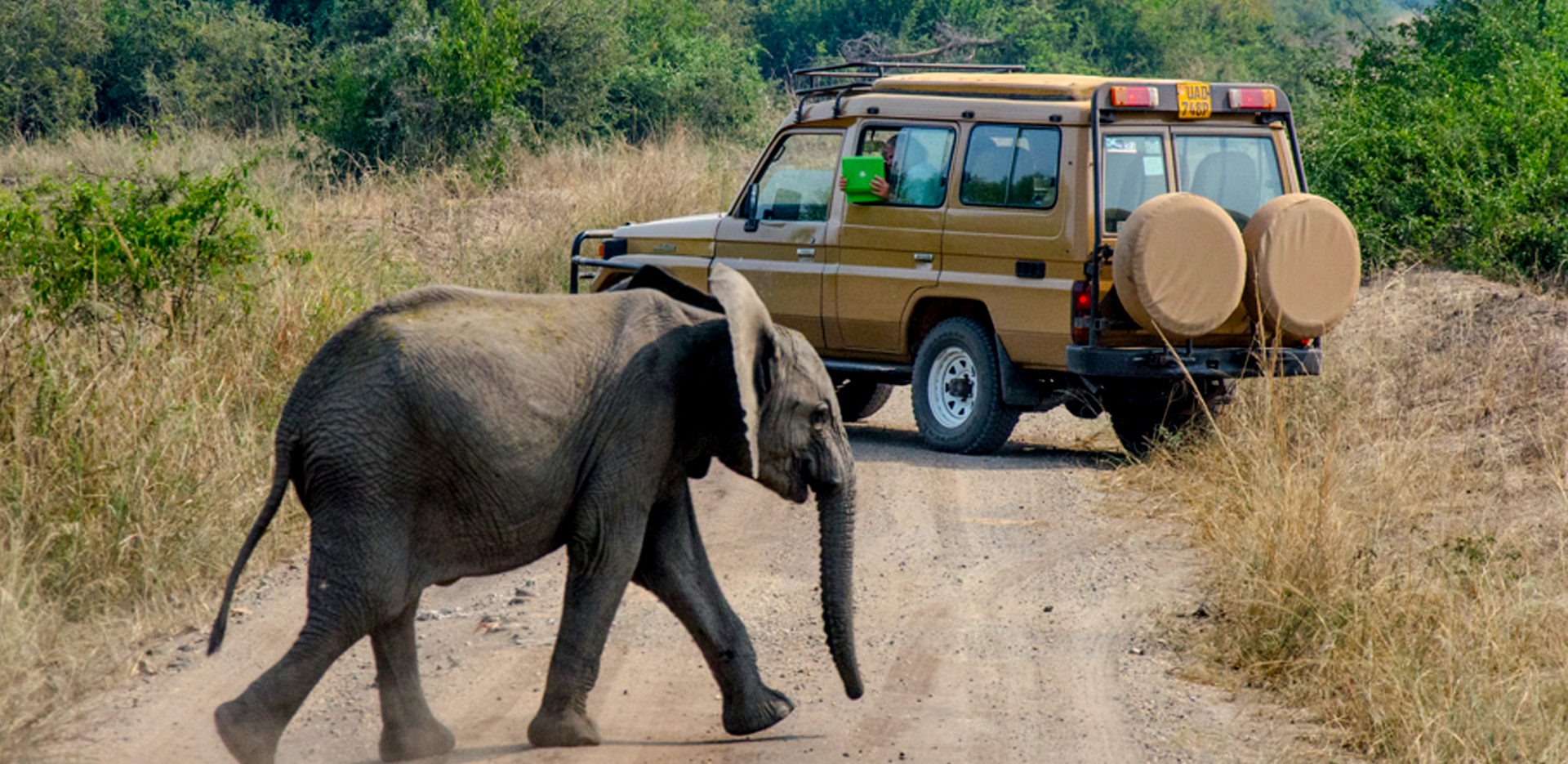
This is your first major choice. A guided tour puts
you in the hands of a local driver-guide. They handle the driving, know the
best wildlife spotting spots, and manage all park procedures . This option
reduces stress and is strongly advised for first-time visitors. If you prefer
total freedom and have experience with African driving conditions, consider
self-drive. This means renting a 4x4 vehicle and navigating yourself.
Self-drive can be more cost-friendly but requires you to handle all logistics,
from fuel stops to finding your lodge, and road conditions can be tough .
2. Pick Your
Parks and Key Activities
Uganda has a lot of different parks. If you want to
see mountain gorillas, your main destination is Bwindi Impenetrable National
Park. For chimpanzee tracking, Kibale
Forest National Park is the top choice . Classic game drives with
lions, elephants, and buffalo can be done in Queen Elizabeth National Park or
Murchison Falls National Park. Boat safaris on the Nile at Murchison Falls or
the Kazinga Channel in Queen Elizabeth are also popular. Decide how many days
you have and choose two or three parks that interest you the most to avoid
spending too much time on the road.
3. Secure Your
Permits Right Away
This is the most critical step for any Uganda
safari. Gorilla and chimpanzee trekking requires a permit, and these sell out
months ahead, especially during dry seasons . A gorilla permit costs
around $800 for non-residents, while a chimpanzee permit is around $200 .
You cannot just show up and trek; you must book these permits in advance. A
tour operator will usually handle this for you as part of your package, but if
you go self-drive, you will need to contact the Uganda Wildlife Authority
directly to purchase them.
4. Understand
the Booking and Payment Process
The booking process is straightforward. You will
typically pay a deposit of about 30% to confirm your trip . This deposit
secures your accommodation and permits. The balance is usually due 30 to 45
days before your departure . Most tour operators accept bank transfers or
payments through online services like Wise in US dollars . Once your
deposit is received, the operator will send you a confirmation invoice. Make
sure all details like your name and dates are correct on this document.
5. Review
Cancellation and Refund Policies
Before you finalize anything, read the terms and
conditions. Policies are strict, especially concerning permits. Gorilla
and chimpanzee permits are almost always non-refundable once
purchased . If you cancel the rest of the trip, refunds depend on how
close you are to the departure date. Many companies have a sliding scale, where
you get a partial refund if you cancel more than 60 days out, but little to no
refund if you cancel within a month of the trip . Travel insurance is
highly recommended to protect yourself against these cancellation costs.
6. Prepare for
Your Trip with Health and Packing
Once your booking is confirmed, focus on personal
preparation. Check your passport validity and visa requirements. A Yellow Fever
vaccination certificate is required for entry . Talk to a travel doctor
about malaria medication. Packing is important: bring sturdy hiking boots for
trekking, neutral-colored clothes for game drives, a waterproof jacket,
sunscreen, and insect repellent . Getting these logistics sorted early
will save you a lot of stress as your travel date approaches.
7. Choose the
Right Time of Year for Your Visit
Uganda has two dry seasons, from December to February
and June to August. These months offer the easiest road conditions and the best
wildlife viewing, as animals gather around water sources. The dry weather also
makes gorilla trekking less physically demanding because the forest trails are
not as muddy. The rainy seasons, March to May and September to November, mean
fewer tourists and lower lodge prices. However, some roads become difficult to
navigate, and trekking can be slippery. Think about what matters more to you:
comfort and easy driving or budget savings and a quieter park experience.
8. Work with a
Local Tour Operator for Better Prices
Local operators in Uganda often offer better rates
than international agencies because they have direct contacts with lodges and
the wildlife authority. They also know the current road conditions and can
advise you on realistic travel times between parks. Ask for a detailed
itinerary that lists all costs clearly, including park entry fees,
accommodation, meals, and vehicle fuel. A good operator will be honest about
what you can see in your available days and will not overpromise. Check their
reviews on platforms like SafariBookings or TripAdvisor to confirm they have a
solid reputation with past travelers.
9. Confirm What
Is Included in Your Package Price
Safari packages can be confusing because some quote
low prices that exclude many hidden costs. Always ask for a full breakdown:
does the price include park entrance fees, vehicle hire, fuel, driver
allowances, accommodation, meals, and the permits? Some packages exclude
drinks, tips, and optional activities like boat rides or nature walks. Others
do not cover airport transfers or visa fees. Getting this clarity upfront
prevents unexpected expenses. Request a written contract that states exactly
what is covered and what is not, so you can compare different offers fairly.
10. Arrange
Travel Insurance with Safari Coverage
Standard travel insurance often does not cover gorilla
trekking or evacuation from remote parks. You need a policy that includes
medical evacuation, trip cancellation, and lost baggage, specifically for
adventure activities. If you get injured during a trek, a helicopter evacuation
from Bwindi can cost thousands of dollars. Also, if you have to cancel your
trip because of illness or a family emergency, insurance can recover your
non-refundable payments. Read the policy wording carefully and confirm with the
insurance company that your planned activities are included. Carry a copy of
your policy documents with you.
How to get there
for Uganda safari after booking a package
After you book your package, the main entry point is
Entebbe International Airport (EBB), which is near the capital city, Kampala.
Most international flights from Europe, the Middle East, and other African hubs
land here. Your tour operator will usually arrange a driver to meet you at the
arrivals hall with a sign displaying your name. This driver will then transfer
you to your first hotel in Entebbe or Kampala for an overnight stay before your
safari begins the next morning. If you are self-driving, you will pick up your
rental 4x4 vehicle from a car hire company at the airport. For those visiting
parks in the southwest, like Bwindi or Queen Elizabeth, some operators offer
the option of a domestic flight from Entebbe to a nearby airstrip to cut down
on long driving times. Make sure your operator gives you clear instructions on
where to meet your driver and provides emergency contact numbers in case of
flight delays.