
1. The Setting
and Location of the Trek
Rwanda's gorilla trekking takes place in Volcanoes
National Park, located in the northwest corner of the country . This
park is part of the Virunga Massif, a chain of volcanic mountains that spans
Rwanda, Uganda, and the Democratic Republic of Congo . Over 350 habituated
mountain gorillas live within this protected area, making it one of the best
places for this experience . The landscape is dramatic, featuring steep
volcanic slopes, thick bamboo forests, and high-altitude terrain . The
park is known for its well-organized and polished operations, which many
travelers value for the sense of order and reliability it provides . The
drive from Kigali International Airport to the park headquarters takes about
2.5 to 3 hours on paved roads, making it the most accessible of the gorilla
trekking destinations in East Africa . This ease of access is a major
reason many choose Rwanda, particularly for shorter itineraries.
2. The Gorilla
Permit and Its Cost
A permit is required to trek gorillas
in Rwanda, and it must be secured before your visit . The permit is
your official entry authorization to Volcanoes National Park for a specific
day . As of 2025, the permit for international visitors costs $1,500 per
person . This fee is non-refundable and is your single biggest expense,
funding conservation, ranger salaries, and community projects . The permit
covers the park entrance fees, the services of expert trackers and armed
rangers, and your one hour with the gorillas . It does not include your
accommodation, transport, meals, or tips . There are only 96 permits
issued each day, which is a strict limit to protect the gorillas . The
cost is higher than in Uganda, but many travelers choose Rwanda for its
streamlined logistics .
3. Booking the Permit
in Advance
Because permits are limited, early booking is
critical. You should book your permit 3 to 6 months ahead of time, especially
during the peak dry seasons from June to September and December to
February . During these busy months, permits sell out fast, sometimes even
a year in advance . If you are traveling during the rainy season (March to
May and October to November), you may find availability with 1 to 3 months
notice, but waiting too long is still risky . You can book a permit
directly through the Rwanda Development Board (RDB), but this can be a slow
process . The simpler and more common method is to use a licensed local
tour operator who checks real-time availability, handles the payment, and plans
the rest of your trip . Once you provide your passport details and make
full payment, the operator will secure your permit .
4. The Morning
Briefing and Preparation
On the morning of your trek, you must be at the park
headquarters in Kinigi by 7:00 AM . This is where registration and the
briefing take place . The head warden will give you a short talk on the
rules and protocols for visiting the gorillas . You will also be assigned
to a specific gorilla family based on your fitness level and where the family
was located that day . This is a key moment, as the assignment determines
the difficulty of your trek. There are 12 habituated gorilla families available
for tracking, and only 8 visitors are allowed per family each day . After
the briefing, you will drive a short distance to the trailhead for your
specific family and begin the hike . It is advisable to have a porter
carry your backpack, which supports the local community and makes the trek
easier .
5. The Hike
Through the Forest
The hike to find the gorillas is the most physically
demanding part of the day. The duration can range from 30 minutes to over 6
hours, depending on the location of the gorilla family assigned to you .
The terrain is challenging, with steep, muddy slopes, dense vegetation, and
slippery trails after rain . You will be hiking at high altitude, which
adds to the difficulty . A reasonable level of fitness is required, though
you do not need to be an athlete . The group is led by an experienced
guide, armed rangers, and trackers who know the forest trails . Along the
way, you may see other wildlife and enjoy the scenery of the Virunga
volcanoes . Hiring a porter to carry your daypack and provide a helping
hand is strongly recommended and is a great way to support local
livelihoods .
6. The One Hour
with the Gorillas
Once the trackers locate the
gorilla family, you have a strict one hour to observe them . This hour
is the highlight of the entire experience. You will watch the gorillas as they
go about their daily activities, such as eating, resting, grooming each other,
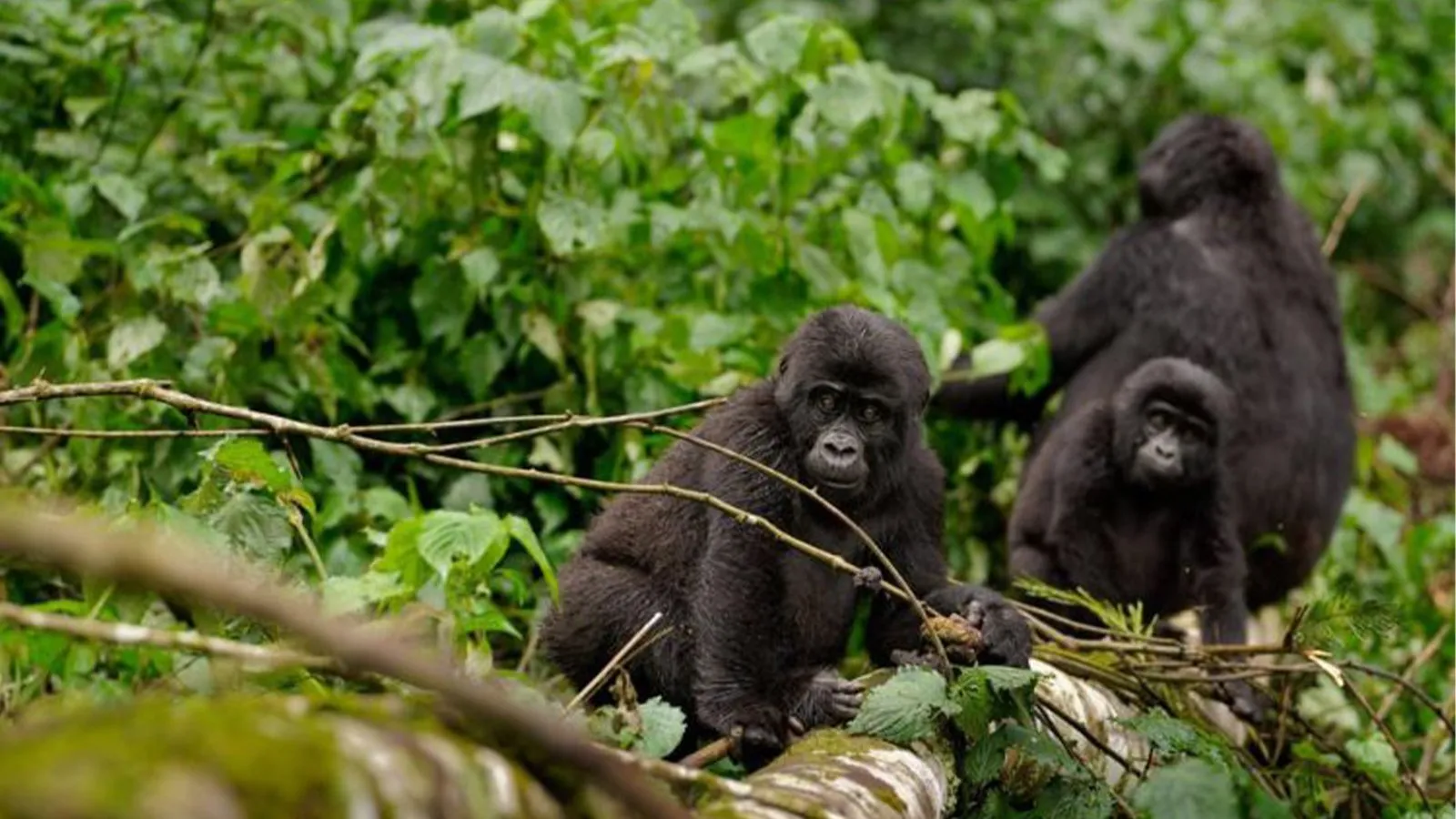
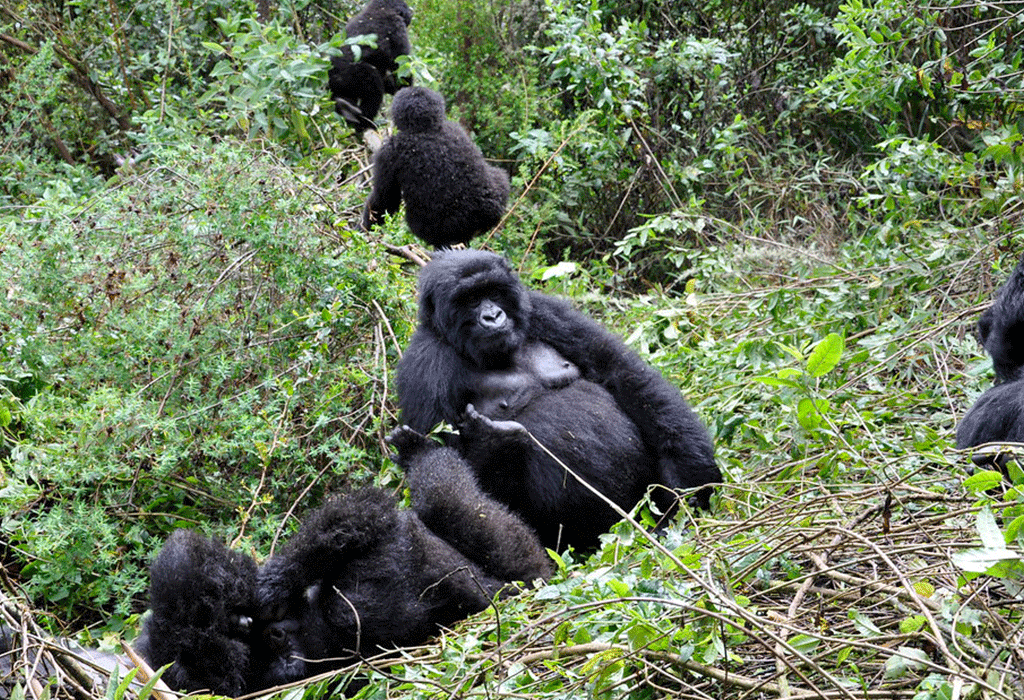
and interacting . Seeing a silverback, mothers with babies, or young
gorillas playing is a powerful moment . During this time, you must follow
the rules strictly. Maintain a distance of at least 7 meters from the gorillas
at all times to prevent disease transmission . You must speak in low
voices and avoid sudden movements . Using a camera flash is strictly
forbidden . The rangers will ensure you follow these protocols. If a
gorilla approaches you, you should remain still and follow the ranger's
instructions .
7. Health and
Safety Rules to Protect the Gorillas
Several rules are in place to protect the gorillas,
who are highly susceptible to human diseases because they share 98% of our
DNA . If you have a cough, fever, or any signs of illness, you will not be
allowed to trek . This rule is strictly enforced to prevent the spread of
respiratory infections that can be lethal to gorillas . Park authorities
may also require masks during your visit to minimize any risk . You are
not allowed to touch or feed the gorillas, eat or smoke in their presence, or
make direct eye contact, which can be interpreted as a threat . These
rules might feel strict, but they are non-negotiable and are designed to keep
the gorillas safe and healthy . Following them ensures that the experience
remains sustainable for future generations.
8. Physical
Requirements and Packing List
While you don't need to be a weightlifter, a
reasonable level of fitness is important . The hike can involve steep
climbs at altitude, so you should be prepared for a strenuous walk . The
minimum age for trekking is 15 years old . Packing the right gear is essential
for your comfort. You need sturdy, waterproof hiking boots for grip on slippery
trails . Wear long trousers and long-sleeved shirts to protect against
stinging nettles and insects . A waterproof jacket is necessary for
unpredictable rain, and gardening gloves are useful for grabbing vegetation on
the trail . Bring a small backpack for water, snacks, and your
camera . A headlamp or flashlight is handy for early morning starts, and
extra camera batteries are important as charging opportunities are
limited .
9. Cultural
Activities and Additional Options
Volcanoes
National Park and the surrounding area offer more than just gorilla
tracking. Many visitors combine their trek with a cultural tour, often on the
same day after the trek . You can visit local communities to learn about
Rwandan history, see traditional dances, and understand daily life . A
popular activity is visiting the Iby'Iwacu Cultural Village, where you can see
dance performances and craft demonstrations. Another option is the Dian Fossey
tomb, where the famous primatologist is buried, or the grave of her favorite
gorilla, Digit. You can also do a golden monkey trek, which is cheaper and
easier than gorilla tracking . If you have extra days, consider visiting
Lake Kivu, a large lake about an hour from Musanze, where you can relax. Adding
these activities makes your trip more varied .
10. Booking
Logistics and Final Thoughts
The entire process is designed to be streamlined and
efficient, which is why Rwanda is a popular choice for first-time trekkers and
those with limited time . Your tour operator will handle all logistics,
from your permit and accommodation to transport and guiding . You will
need to present your passport and permit confirmation at the park headquarters
on the day of your trek . Because permits are non-refundable, it is
essential to get travel insurance that covers trip cancellation and medical
emergencies to protect your investment . The day of the trek requires an
early start, often with a 4:30 AM pickup from Kigali to ensure you arrive at
the park on time . Despite the high cost and physical effort, the
experience is widely described as life-changing, and the well-oiled operations
in Rwanda make it as seamless as possible for the visitor.
Best time to
trek gorillas in Rwanda
The best time to trek
gorillas in Rwanda is during the dry seasons, which run from June to
September and December to February. These months offer the most favorable
hiking conditions, with less rainfall making the trails in Volcanoes National
Park easier to navigate and reducing the risk of slippery, muddy slopes . The
clearer weather also provides better visibility and a more comfortable
experience overall . However, these dry months are also the peak tourist
seasons, meaning permits are in high demand and sell out quickly, accommodation
prices are higher, and you will need to book your permit well in advance . The
rainy seasons (March to May and October to November) are also a good time to
visit if you are on a budget, as permits and lodges may have more availability
and lower rates, though the trekking will be more physically demanding due to
mud and rain . Gorillas do not migrate based on seasons, so they are available
year-round, but your experience will vary depending on the weather and crowds .
Booking trek
gorillas in Rwanda with Zoophilist adventures and safaris
Booking your gorilla trek in Rwanda with Zoophilist Adventures and Safaris
should be straightforward because we handle the entire permit process for you. First,
you contact us with your preferred trekking dates, and we check real-time availability
for permits through the Rwanda Development Board (RDB) system. A permit costs
$1,500 per person for international visitors. Once a permit is available, the
operator would secure it by processing your passport details and full payment.
We then arrange your accommodation, transport, and a guide, all of which can be
bundled into a single package for a stress-free experience