
Uganda offers much more than gorilla
trekking, and the ideal trip length depends on how much of the country you
want to experience. While a short journey can focus solely on mountain
gorillas, a longer safari allows travelers to combine primate encounters with
classic game viewing, boat cruises, cultural visits, and scenic landscapes.
Most visitors find that between 5 and 10 days provides a good balance between
wildlife experiences and travel time. Uganda's attractions are spread across
different regions, so rushing through them often means spending more time on
the road than enjoying the destinations. Planning enough days ensures a
comfortable pace and increases the chances of seeing a wide variety of
wildlife. Understanding the different itinerary options helps travelers choose
the duration that best matches their interests and budget.
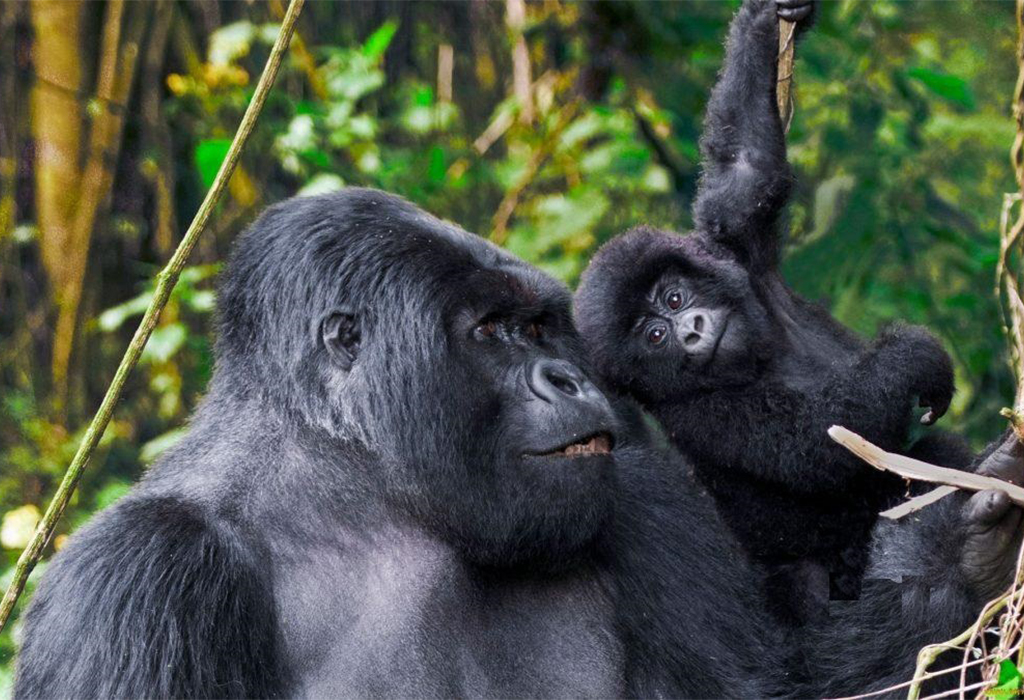
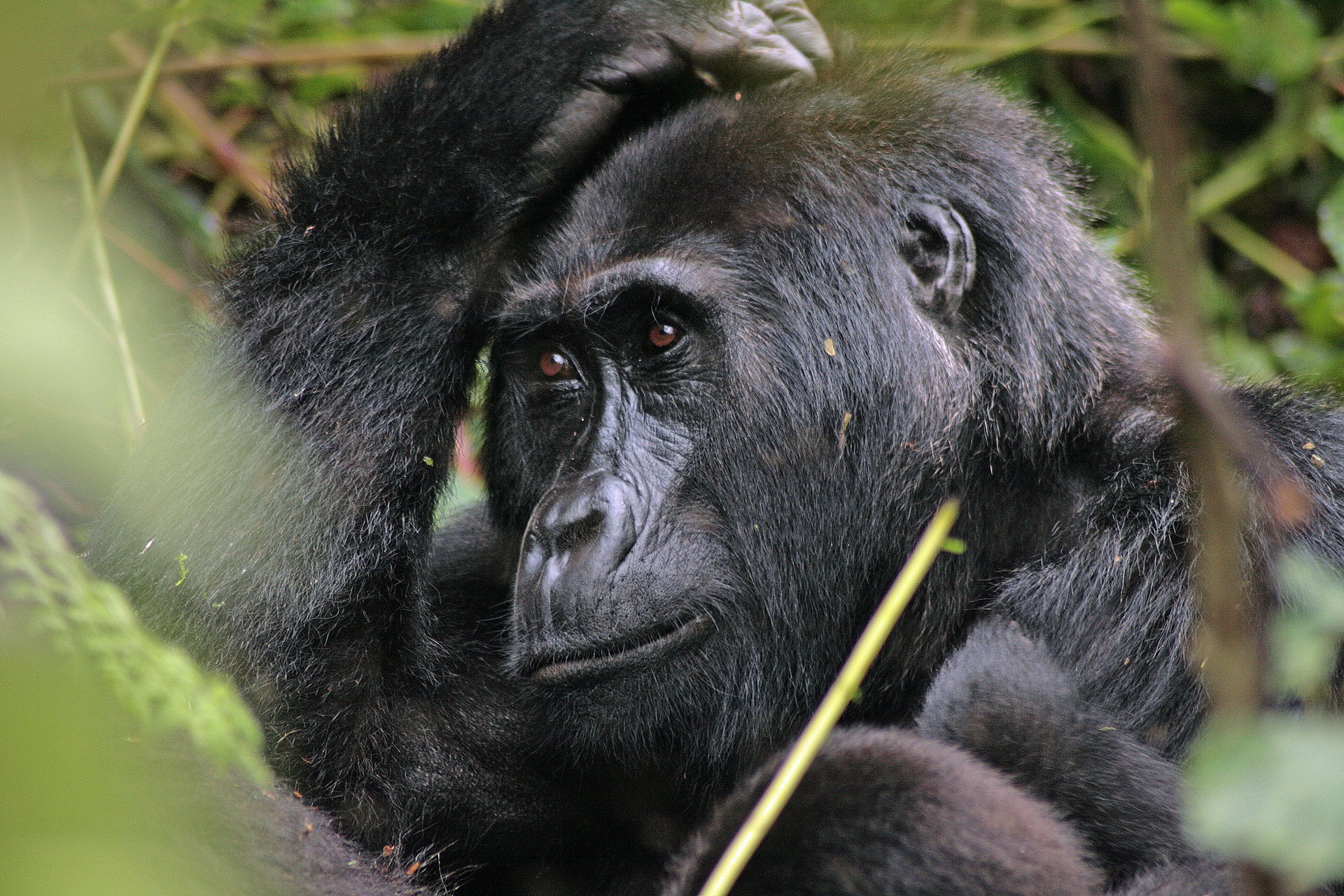
For travelers whose main goal is gorilla trekking, a
minimum of three days is usually enough. This itinerary typically includes
arrival in Entebbe or Kampala, travel to Bwindi
Impenetrable National Park, a full day for gorilla trekking, and a return
journey. Gorilla trekking itself can take anywhere from one to several hours
depending on the location of the gorilla family. Because road transfers between
Kampala and Bwindi are long, often requiring eight to ten hours each way, three
days can feel quite rushed. However, it remains a practical option for visitors
with limited time. Many travelers also choose to fly between Entebbe and Bwindi
to reduce travel fatigue. A three-day itinerary works best for those focused
solely on seeing mountain gorillas and returning home quickly.
A four-day gorilla trekking safari provides a much
more relaxed experience. With an additional day, travelers can break up long
road journeys or spend extra time around Bwindi. This allows for activities
such as community visits, nature walks, birdwatching, or cultural encounters
with the Batwa people. The extra day also offers flexibility in case of
unexpected delays caused by weather or road conditions. Travelers can arrive at
the lodge rested and fully prepared for the trek rather than rushing through
the schedule. A four-day trip significantly improves comfort without
dramatically increasing overall costs. For many visitors seeking only gorilla
trekking, four days represents the ideal balance between convenience,
adventure, and value while still allowing plenty of time to enjoy the forest
environment.
If travelers want to combine gorilla trekking with
another primate experience, five days is often sufficient. A popular itinerary
includes gorilla trekking in Bwindi
and chimpanzee tracking in Kibale Forest National Park. These are Uganda's
two flagship wildlife encounters and provide a fascinating contrast. Gorilla
trekking takes place in dense montane forests, while chimpanzee tracking often
involves following energetic groups through tropical woodland habitats. The
combination creates a richer understanding of Uganda's biodiversity. Five days
also allows enough time for travel between destinations without feeling
extremely rushed. Visitors experience two of Africa's most remarkable primates
in a single journey. For wildlife enthusiasts who prioritize primates above
traditional game drives, a five-day safari offers outstanding value and
memorable encounters with our closest relatives.
A six-day safari begins to introduce a broader range
of Uganda's wildlife attractions. Along with gorilla trekking and chimpanzee
tracking, travelers can include a visit to Queen Elizabeth National Park. This
park is famous for elephants, buffaloes, antelopes, lions, and boat cruises on
the Kazinga Channel. The channel supports one of Africa's highest
concentrations of hippos and attracts numerous bird species. With six days
available, guests can experience both rainforest adventures and classic
savannah safaris. The journey becomes more diverse and rewarding because each
destination offers distinct landscapes and wildlife. Visitors can enjoy game
drives in the morning and primate experiences on other days. For many
first-time visitors, six days marks the point where Uganda's variety truly
starts to reveal itself in a meaningful way.
Seven days is widely considered one of the best
durations for a Uganda gorilla trekking and wildlife safari. A week allows
travelers to comfortably combine Bwindi
Impenetrable National Park, Kibale Forest National Park, and Queen
Elizabeth National Park. This itinerary includes gorillas, chimpanzees, big
game viewing, boat safaris, and scenic countryside drives. Travelers have
enough time to appreciate each destination rather than simply passing through.
Accommodation options can also be chosen more strategically since there is less
pressure to maximize every travel day. Seven days creates a balanced adventure
that showcases Uganda's major highlights without becoming overly demanding.
Many safari companies recommend a week-long itinerary because it offers
excellent value while covering the country's most iconic experiences. It suits
both first-time and repeat safari visitors.
Travelers seeking a deeper and more comprehensive
experience should consider spending eight days in Uganda. This extra time
enables the inclusion of Lake Mburo National Park or additional activities in
existing destinations. Lake Mburo offers zebras, giraffes, impalas, and
opportunities for walking safaris, horseback safaris, and cycling excursions.
Unlike shorter itineraries, an eight-day safari creates space for slower travel
and more meaningful wildlife encounters. Guests can enjoy longer game drives,
relaxed afternoons, and additional cultural experiences. The overall journey
feels less rushed and more immersive. Photographers especially appreciate the
extra time because it increases opportunities for capturing wildlife in
favorable lighting conditions. An eight-day safari strikes a strong balance
between exploration, relaxation, and wildlife diversity, making it an excellent
choice for nature lovers.
A nine-day itinerary is ideal for travelers who want
to experience Uganda beyond its most famous attractions. Along with gorillas,
chimpanzees, and major national parks, visitors can include destinations such
as Murchison Falls National Park. This area is known for powerful waterfalls,
large elephant herds, giraffes, crocodiles, and exciting boat cruises along the
Nile River. Nine days allow sufficient travel time between distant regions
while maintaining a comfortable schedule. The variety of ecosystems becomes
much more apparent, from forests and wetlands to grasslands and riverine
habitats. Travelers gain a broader understanding of Uganda's remarkable
biodiversity and landscapes. A longer itinerary also reduces pressure to rush
activities, making the trip more enjoyable. For adventurous travelers, nine
days provide a truly rewarding safari experience.
Ten days is often considered the perfect duration
for a complete Uganda safari that includes gorilla trekking. With ten days
available, travelers can comfortably visit Bwindi,
Kibale, Queen Elizabeth, Lake Mburo, and Murchison Falls National Parks.
This itinerary combines primates, predators, big game, birdlife, waterfalls,
and cultural experiences into one unforgettable journey. The pace remains
enjoyable because there is enough time for both activities and relaxation.
Visitors can stay longer in key locations and enjoy wildlife encounters without
feeling hurried. Longer stays also improve chances of observing rare species
and witnessing unique animal behaviors. For travelers flying long distances to
reach Uganda, ten days maximizes the value of the trip. It delivers a
comprehensive overview of the country's outstanding natural and wildlife
attractions.
In conclusion, the number of days needed for Uganda
gorilla trekking and safari depends on personal interests, available time, and
budget. Three to four days are adequate for travelers focused exclusively on
gorillas. Five to six days allow the addition of chimpanzee tracking and
selected wildlife experiences. Seven days provides an excellent introduction to
Uganda's major highlights, while eight to ten days create a richer and more
complete safari adventure. Most safari experts recommend at least seven days
because it offers a balanced combination of primates, game viewing, landscapes,
and cultural encounters. Travelers who can extend their journey to ten days
will gain the most comprehensive experience. Ultimately, the best duration is
one that allows enough time to enjoy Uganda's extraordinary wildlife without
feeling rushed from one destination to another.