
Combining Uganda
and Rwanda for a safari holiday gives travelers access to some of East
Africa's most rewarding wildlife, primate, and cultural experiences within a
single trip. The two neighboring countries complement each other perfectly,
offering mountain gorilla trekking, chimpanzee tracking, Big Five safaris, bird
watching, and beautiful landscapes ranging from volcanic mountains and
rainforests to savannah plains and wetlands. Rwanda provides convenient access
through Kigali International Airport, while Uganda offers a wider range of
wildlife parks and primate destinations. Visitors can explore Volcanoes
National Park, Bwindi Impenetrable National Park, Kibale Forest, Queen
Elizabeth National Park, Akagera National Park, and many other attractions on
one itinerary. Combining both countries allows travelers to maximize wildlife
sightings, experience diverse cultures, support conservation efforts, and enjoy
greater value from their East African safari holiday.
1. You Can See
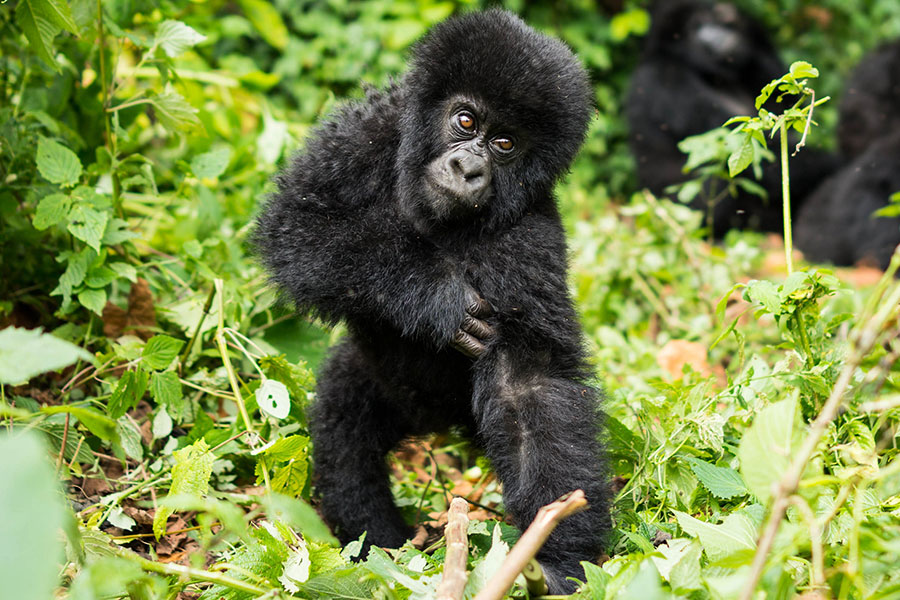
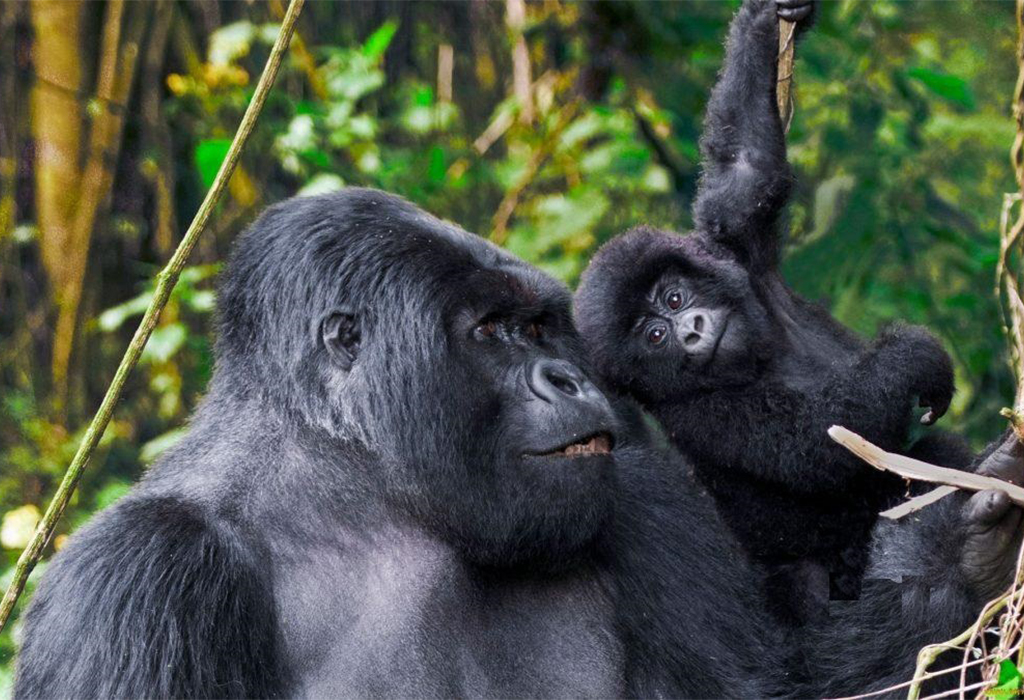
Mountain Gorillas in Two Leading Destinations
One of the biggest reasons to combine Uganda and
Rwanda is the opportunity to experience gorilla trekking in the Virunga and
Bwindi conservation landscapes. Uganda offers gorilla trekking in Bwindi
Impenetrable National Park and Mgahinga Gorilla National Park, while Rwanda
is known for the well-managed trekking experience in Volcanoes National Park.
Combining both countries allows travelers to compare different trekking
environments and understand how conservation works across borders. Some
visitors choose Rwanda for easier access from Kigali and Uganda for its larger
number of habituated gorilla families. Visiting both destinations provides a
deeper appreciation of mountain gorilla conservation while increasing
opportunities to experience one of Africa's most remarkable wildlife
activities.
2. You Get More
Primate Experiences
Uganda and Rwanda together offer some of the best
primate viewing opportunities in Africa. In Uganda, visitors can track
chimpanzees in Kibale Forest, Budongo Forest, and Kyambura Gorge, while Rwanda
offers chimpanzee tracking in Nyungwe Forest National Park. Both countries are
also home to other primates including golden monkeys, colobus monkeys, vervet
monkeys, and baboons. Combining both destinations creates a safari focused on
primate diversity rather than wildlife viewing alone. Travelers interested in
animal behavior, conservation, and photography benefit from the chance to
observe multiple primate species living in different habitats. Few safari
destinations offer such a wide range of primate experiences within a relatively
small geographic area.
3. You
Experience Different Landscapes
Although Uganda and Rwanda are neighboring
countries, their landscapes offer different safari experiences. Uganda combines
savannahs, tropical forests, wetlands, mountains, and river systems. Rwanda is
known for its rolling hills, volcanic mountains, lakes, and protected forests.
Traveling through both countries allows visitors to enjoy a constantly changing
environment rather than spending an entire holiday in one type of habitat. This
variety keeps the safari interesting and provides better photography
opportunities. Different landscapes also support different wildlife species,
making the overall safari experience more rewarding. Travelers often appreciate
seeing how nature changes across the region while still enjoying smooth travel
connections between major attractions.
4. You Can
Combine Gorilla Trekking with Big Five Safaris
Many travelers struggle to choose between gorilla
trekking and traditional wildlife safaris. Combining Uganda and Rwanda solves
this challenge. Rwanda's Akagera
National Park offers excellent opportunities to see the Big Five, while
Uganda's Murchison Falls National Park and Queen Elizabeth National Park are
known for lions, elephants, buffaloes, leopards, and other wildlife. This
combination allows visitors to experience both forest primates and savannah
animals within a single holiday. Instead of focusing on one type of safari,
travelers enjoy a broader wildlife experience. For people visiting Africa for
the first time, this combination maximizes the value of the trip while reducing
the need for multiple separate holidays.
5. Rwanda
Provides Easy Access to Uganda's Parks
Kigali International Airport has become an important
entry point for travelers visiting both countries. Many of Uganda's
southwestern attractions, including Bwindi Impenetrable National Park and
Mgahinga Gorilla National Park, are closer to Kigali than to Uganda's main
international airport in Entebbe. This reduces driving hours and makes travel
more efficient. Visitors can arrive in Kigali and quickly continue to Uganda's
gorilla trekking regions by road. This route is often preferred by travelers
with limited time. Combining Uganda and Rwanda therefore allows visitors to
enjoy more safari activities while spending less time on long transfers between
destinations.
6. You Enjoy
Greater Wildlife Diversity
Combining Uganda and Rwanda increases the number of
animals visitors can potentially see during one safari. Uganda offers species
such as tree-climbing lions, shoebill storks, Uganda kobs, and large elephant
populations. Rwanda contributes wildlife experiences through Akagera National Park,
where visitors can see rhinos, lions, giraffes, zebras, and numerous antelope
species. The combined wildlife checklist becomes far more extensive than
visiting one country alone. Travelers interested in photography, bird watching,
and wildlife viewing often find this diversity especially valuable. Different
ecosystems support different species, ensuring that each safari destination
adds something unique to the overall itinerary.
7. The
Combination Offers Excellent Bird Watching
Bird lovers benefit greatly from visiting both
Uganda and Rwanda. Uganda alone hosts more than 1,000 bird species across
forests, wetlands, lakes, and savannahs. Rwanda also supports impressive
birdlife in Nyungwe Forest, Akagera National Park, and around Lake Kivu.
Combining both countries increases the chances of seeing Albertine Rift
endemics, forest birds, water birds, and savannah species. Even travelers who
are not dedicated birdwatchers often enjoy the variety of colorful and unique
birds found across the region. Including both countries creates a well-rounded
safari that goes beyond mammals and gives visitors access to some of East
Africa's richest birding destinations.
8. You Learn
More About Conservation Success Stories
Both Uganda and Rwanda have made significant
investments in wildlife conservation and sustainable tourism. Visitors can
learn how gorilla populations have recovered through community-based
conservation programs and how protected areas support local livelihoods.
Rwanda's rhino and lion reintroduction programs in Akagera National Park
provide insight into large-scale wildlife restoration efforts. Uganda's gorilla
conservation programs have become a model for responsible wildlife tourism.
Visiting both countries helps travelers understand how conservation works
across different habitats and communities. This adds educational value to the
safari and gives visitors a greater appreciation of the challenges involved in
protecting wildlife.
9. Cultural
Experiences Are More Diverse
A safari in Uganda and Rwanda is not only about
wildlife. Travelers can visit local communities, cultural centers, traditional
villages, and historical sites in both countries. Uganda offers experiences
with communities near Bwindi and other national parks, while Rwanda provides
opportunities to learn about traditional culture through village visits and
cultural performances. Visitors also gain insight into local lifestyles,
crafts, food, and conservation partnerships. Experiencing two cultures within
one holiday creates a richer travel experience and helps travelers develop a
stronger connection with the region beyond wildlife viewing alone.
10. You Get
Better Overall Value from Your Safari
Combining Uganda and Rwanda allows travelers to
maximize their time in East Africa by enjoying a wider range of experiences
within one itinerary. Instead of taking separate trips for gorillas,
chimpanzees, Big Five game viewing, bird watching, and cultural activities,
visitors can include everything in a single holiday. The close proximity of the
two countries makes travel relatively easy and efficient. This means more time
spent enjoying activities and less time spent moving between distant
destinations. For travelers looking for a comprehensive East African safari,
combining Uganda and Rwanda provides outstanding value, greater wildlife
diversity, varied landscapes, and memorable experiences that cover many of the
region's main attractions.