
Rwanda may be a compact country, but it offers a
remarkable variety of safari experiences, including mountain
gorilla trekking, chimpanzee tracking, wildlife safaris, birdwatching, and
cultural encounters. The ideal safari length depends on your interests, budget,
and the destinations you wish to visit. While a 3-day trip is perfect for
gorilla trekking, longer itineraries allow travelers to explore Volcanoes
National Park, Nyungwe Forest National Park, and Akagera National Park at a
comfortable pace. Most visitors find that five to seven days provide the
perfect balance of adventure and relaxation while showcasing the best of
Rwanda’s wildlife and breathtaking landscapes.
1. Understanding
the Ideal Safari Length in Rwanda
The ideal length of a Rwanda safari depends on the
experiences you want to enjoy and the destinations you plan to visit. Rwanda is
known for its mountain gorillas, golden monkeys, chimpanzees, scenic
landscapes, and rich cultural heritage. Although the country is relatively
small, there are several national parks and attractions worth exploring. A
short safari may focus on a single highlight, while a longer itinerary allows
travelers to experience a wider range of activities. The advantage of Rwanda is
that travel distances between attractions are shorter than in many African
safari destinations. This makes it possible to enjoy meaningful wildlife
experiences even within a limited timeframe while still having opportunities to
explore the country's unique natural beauty.
2. Is a 3-Day
Rwanda Safari Enough?
A 3-day Rwanda safari is suitable for travelers
whose main goal is mountain gorilla trekking in Volcanoes
National Park. Most itineraries include arrival in Kigali, a transfer to
the park, the gorilla trek, and departure. This duration allows visitors to
experience Rwanda’s most famous wildlife activity without requiring a long
holiday. However, three days leave little room for additional adventures such
as golden monkey tracking, cultural visits, or exploring other national parks.
While it offers an unforgettable encounter with mountain gorillas, travelers
interested in seeing more of Rwanda’s diverse attractions may find a longer
safari more rewarding and better suited to a complete travel experience.
3. Why a 4 to
5-Day Safari Is Popular
A 4 to 5-day safari is one of the most popular
choices for visitors to Rwanda. This timeframe allows travelers to combine
mountain gorilla trekking with other experiences such as golden monkey
tracking, community visits, and a Kigali city tour. The itinerary feels less
rushed and provides additional time to enjoy the scenery of Rwanda’s rolling
hills and countryside. Travelers can also spend extra time relaxing before or
after trekking activities. A five-day safari offers a better balance between
wildlife encounters, cultural experiences, and travel time. For many first-time
visitors, this duration delivers an excellent introduction to Rwanda while
remaining manageable in terms of budget and schedule.
4. Seven Days
for a More Complete Experience
A 7-day safari provides enough time to explore some
of Rwanda’s most important attractions at a comfortable pace. In addition to
gorilla trekking in Volcanoes
National Park, travelers can visit Nyungwe Forest National Park for
chimpanzee tracking and canopy walks. Akagera National Park can also be
included for traditional game drives and wildlife viewing. A week-long safari
allows visitors to experience different ecosystems, ranging from mountain
forests to savannah plains. The extra days reduce the pressure of constant travel
and create opportunities for more meaningful wildlife observations. Seven days
is often considered the ideal duration for travelers seeking a well-rounded
Rwanda safari.
5. Exploring
Rwanda’s Wildlife Diversity in 8 to 10 Days
An 8 to 10-day safari offers a deeper exploration of
Rwanda’s wildlife and landscapes. This timeframe allows visitors to spend
quality time in Volcanoes National Park, Nyungwe Forest National Park, and
Akagera National Park. Travelers can enjoy gorilla trekking, chimpanzee tracking,
birdwatching, game drives, and boat safaris without feeling rushed. Additional
days also increase flexibility, making it easier to accommodate weather
conditions and activity schedules. A longer safari allows visitors to
appreciate the diversity of Rwanda's natural attractions and spend more time
observing wildlife behavior. For nature enthusiasts and photographers, eight to
ten days can provide a highly rewarding and immersive safari experience.
6. Two Weeks for
an In-Depth Rwanda Adventure
A two-week Rwanda safari is ideal for travelers who
want to experience the country comprehensively. Fourteen days provide enough
time to explore all major national parks while also including cultural,
historical, and community experiences. Visitors can spend several days in each
destination rather than moving quickly between attractions. This slower pace
allows for better wildlife viewing opportunities and a deeper appreciation of
Rwanda’s landscapes and conservation efforts. Travelers can revisit favorite
locations, participate in guided nature walks, and enjoy interactions with
local communities. A two-week itinerary is particularly attractive to wildlife
enthusiasts, photographers, researchers, and birdwatchers looking for an
in-depth safari experience.
7. Gorilla
Trekking and Time Planning
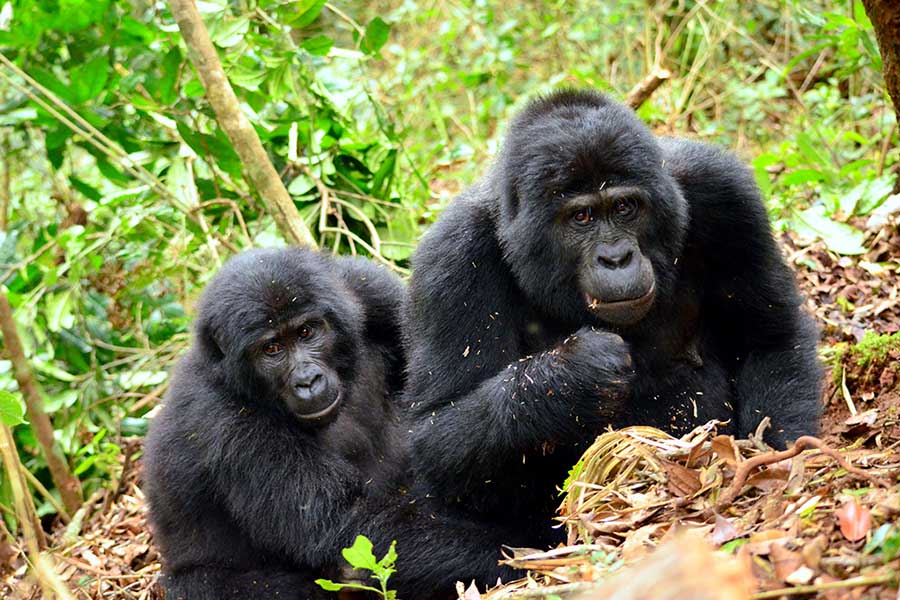
Mountain gorilla trekking is the highlight of many Rwanda
safaris and should be considered when determining trip length. While the
trek itself takes place on a single day, travelers often prefer spending
additional time near Volcanoes National Park before or after the activity. This
allows for rest, photography, and participation in complementary experiences
such as visiting the Dian Fossey conservation site or tracking golden monkeys.
Because gorilla permits represent a significant investment, many visitors
choose to extend their stay to maximize the value of their trip. Including
extra days ensures the gorilla trekking experience becomes part of a broader
and more fulfilling Rwanda safari adventure.
8. Travel
Convenience and Safari Duration
One of Rwanda’s greatest advantages is its compact
size and well-maintained road network. Travel between major tourism
destinations generally requires less time compared to larger African countries.
This convenience allows travelers to fit multiple experiences into shorter
itineraries. A safari that would require ten days elsewhere may sometimes be
completed in seven days within Rwanda. The reduced travel time means more hours
can be dedicated to wildlife viewing, cultural activities, and relaxation. Even
so, extending a safari beyond the minimum duration provides greater flexibility
and comfort. Travelers often find that additional days create a more enjoyable
and less hurried experience overall.
9. Choosing the
Right Safari Length for Your Interests
The best safari length depends largely on personal
interests. Travelers focused solely on gorilla trekking may only need three or
four days. Those interested in primates, wildlife, and cultural activities may
benefit from a seven-day itinerary. Birdwatchers and photographers often prefer
longer safaris that allow more time in diverse habitats. Families may choose
moderate itineraries that balance adventure with relaxation. Adventure
travelers frequently include activities in multiple parks, which requires
additional days. By identifying your goals before planning a trip, you can
select a safari duration that aligns with your expectations and ensures a
satisfying experience throughout Rwanda.
10. Recommended
Safari Duration for Most Travelers
For most travelers, a Rwanda safari lasting between
five and seven days provides the best balance of experiences, cost, and
comfort. This duration allows visitors to enjoy mountain gorilla trekking while
also exploring other attractions such as golden monkey tracking, Akagera
National Park, or Nyungwe Forest National Park. Travelers can experience
Rwanda’s wildlife, scenery, and culture without feeling rushed. While shorter
itineraries focus mainly on gorilla trekking and longer safaris offer deeper
exploration, five to seven days is often the most practical choice for
first-time visitors. It provides enough time to appreciate Rwanda’s unique
attractions and return home with lasting memories of an exceptional safari
experience.