
Uganda is one of Africa’s most rewarding safari
destinations, offering a unique mix of mountain
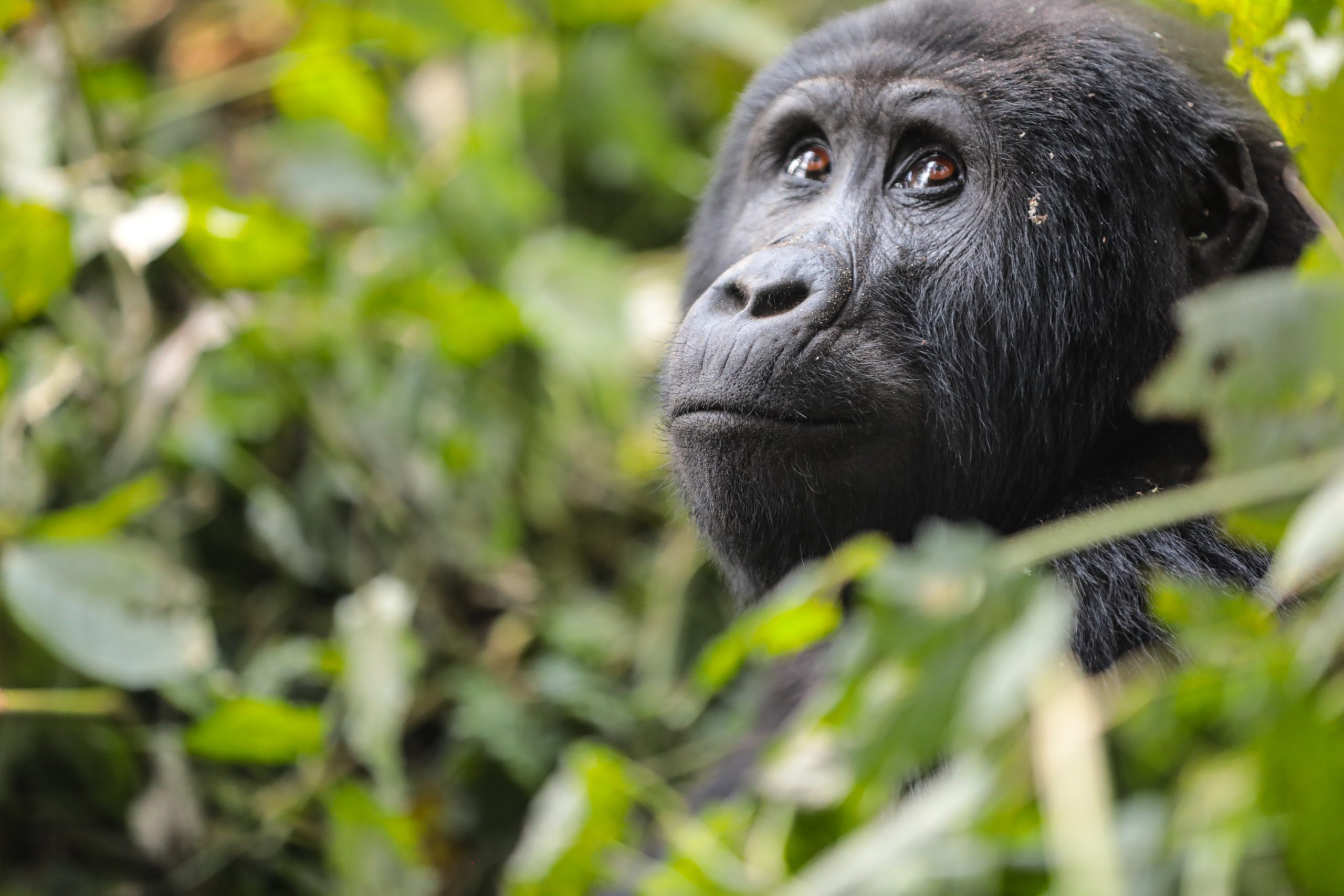
gorilla trekking, chimpanzee tracking, classic wildlife safaris,
birdwatching, boat cruises, and cultural experiences. The ideal safari length
depends on your interests, budget, and the destinations you wish to visit.
While a short safari can focus on a single highlight such as gorilla trekking,
longer itineraries allow travelers to combine multiple national parks and
activities at a relaxed pace. From the forests of Bwindi and Kibale to the
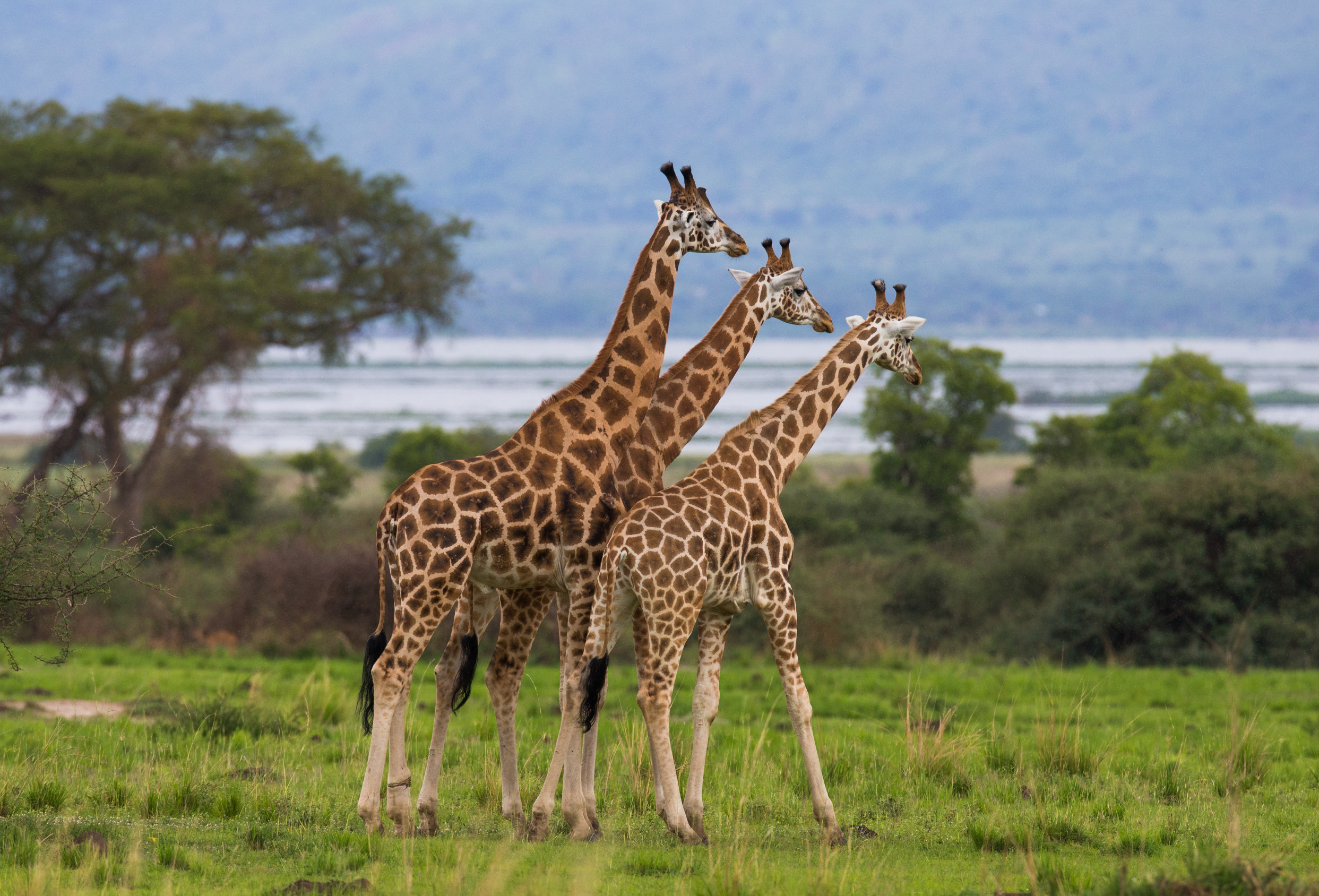
savannahs of Queen Elizabeth and Murchison Falls National Parks, Uganda rewards
visitors who dedicate enough time to fully experience its diverse landscapes,
wildlife, and warm hospitality.
1. Why Safari
Duration Matters in Uganda
The ideal length of a safari in Uganda depends on
the experiences you want to include and the destinations you plan to visit.
Uganda is more than a traditional wildlife destination because it combines
gorilla trekking, chimpanzee
tracking, game drives, boat cruises, birdwatching, and cultural encounters.
Travel distances between national parks can also influence how many days are
needed for a comfortable trip. A safari that is too short may leave little time
to enjoy the country's main attractions, while a longer itinerary allows for a
more relaxed and rewarding experience. Choosing the right duration ensures you
can balance travel time with activities and enjoy Uganda’s unique combination
of wildlife, scenery, and culture without unnecessary rushing.
2. Is a 3-Day
Safari Enough?
A 3-day safari can be suitable for travelers with
very limited time. Most short itineraries focus on a single activity such as
gorilla trekking in Bwindi
Impenetrable National Park or wildlife viewing in Queen Elizabeth National
Park. While three days provide an opportunity to experience one major
attraction, it may not be enough to appreciate the full diversity of Uganda.
Long driving distances can consume valuable time, leaving fewer hours for
activities. However, for visitors already in East Africa or those planning a
short getaway, a 3-day safari can still offer memorable wildlife encounters and
beautiful landscapes. Careful planning is essential to maximize every moment
during the trip.
3. The Benefits
of a 5-Day Uganda Safari
A 5-day safari provides a better balance between
travel and adventure. This duration allows visitors to experience more than one
destination, such as combining gorilla trekking with wildlife viewing in Queen
Elizabeth National Park. Travelers have enough time to enjoy game drives,
boat cruises on the Kazinga Channel, and scenic drives through Uganda’s
countryside. A five-day itinerary reduces the pressure of constantly moving
between locations and allows more opportunities for wildlife sightings. It is a
popular choice among first-time visitors who want a meaningful introduction to
Uganda without committing to a long holiday. Many travelers find that five days
deliver excellent value and unforgettable experiences.
4. Why Seven
Days Is Often Ideal
A 7-day safari is widely considered one of the best
options for experiencing Uganda. One week provides enough time to visit several
major attractions while maintaining a comfortable pace. Visitors can include
gorilla trekking, chimpanzee tracking, wildlife safaris, and boat cruises
within a single itinerary. A 7-day safari also allows for flexibility in case
weather conditions affect trekking schedules. The additional days help
travelers avoid rushing and provide opportunities to appreciate Uganda’s varied
landscapes, from tropical forests to open savannahs. For many visitors, seven
days strikes the perfect balance between cost, comfort, and the depth of
experiences available throughout the country.
5. Exploring
More with a 10-Day Safari
A 10-day safari offers a much deeper exploration of
Uganda’s natural attractions. This duration allows travelers to visit multiple
national parks including Bwindi, Kibale, Queen Elizabeth, and Murchison Falls
National Parks. With more time available, visitors can enjoy repeated wildlife
viewing opportunities, increasing their chances of spotting a wide range of
species. A longer itinerary also supports birdwatching, cultural visits, and
scenic excursions without feeling hurried. Travelers can spend additional time
in each destination, allowing a stronger connection with Uganda’s wildlife and
communities. Many safari enthusiasts consider ten days one of the most
rewarding durations because it covers the country’s highlights comfortably.
6. Two Weeks for
a Complete Uganda Experience
A two-week safari is ideal for travelers who want a
comprehensive Uganda experience. Fourteen days provide sufficient time to
explore nearly all of the country's major tourism destinations. Visitors can
include gorilla trekking, chimpanzee tracking, game drives, mountain scenery,
community visits, and river activities within a single journey. The relaxed
pace allows travelers to spend more time observing wildlife behavior and
appreciating the unique character of each destination. Longer safaris are
especially attractive to photographers, birdwatchers, and nature enthusiasts
who enjoy spending extended periods in the field. Two weeks also offer
flexibility to adapt plans according to seasonal conditions and personal
interests.
7. Considering
Gorilla Trekking in Your Schedule
Gorilla trekking is one of Uganda’s most
sought-after experiences and should play an important role when deciding safari
length. The trek itself takes only one day, but reaching gorilla habitats often
requires significant travel time. Most visitors spend at least one or two
nights near Bwindi Impenetrable National Park or Mgahinga Gorilla
National Park before and after trekking. Including gorilla trekking
typically increases the recommended safari duration to five days or more.
Additional days also provide opportunities to recover from the trek and combine
the experience with other activities. A well-planned itinerary ensures gorilla
trekking becomes a highlight rather than a rushed component of the trip.
8. Travel
Distances and Time Requirements
Uganda’s national parks are located across different
parts of the country, making travel time an important consideration. Road
journeys often provide beautiful scenery and cultural insights, but some
transfers can take several hours. Visitors planning to include multiple parks
should allow enough days to avoid spending too much time on the road. Longer
safaris create flexibility and help maintain a comfortable pace between
destinations. Domestic flights can reduce travel times but do not eliminate the
need for careful scheduling. Understanding the distances involved helps
travelers determine a safari length that provides sufficient time for
activities while minimizing unnecessary fatigue during the journey.
9. Matching
Safari Length to Your Interests
Every traveler has different expectations, and the
ideal safari length should reflect personal interests. Wildlife enthusiasts may
prefer seven to fourteen days to maximize game drives and animal sightings.
Birdwatchers often choose longer itineraries because Uganda is home to a
remarkable diversity of bird species. Adventure seekers may include hiking,
cultural tours, and nature walks that require extra time. Families sometimes
favor moderate-length safaris that blend activity with relaxation. By
identifying priorities before booking, travelers can select an itinerary that
delivers the experiences they value most. Matching safari duration to personal
interests helps create a satisfying and memorable visit to Uganda.
10. Recommended
Safari Length for Most Travelers