
Yes, you can absolutely see
gorillas in Uganda during the rainy season. Gorilla trekking is a
year-round activity, and the mountain gorillas do not migrate or hide because
of rain . They remain active, feeding, moving, and interacting within
their families regardless of the weather . Your chances of a successful
sighting remain consistently high throughout the year, as the season primarily
affects the trekking conditions, not the presence of the gorillas
themselves .
1. Gorilla
Trekking in Wet Season
Uganda’s gorilla trekking is available year‑round,
including the rainy months of March–May and October–November. During this
period, Bwindi Impenetrable National Park and Mgahinga Gorilla National Park
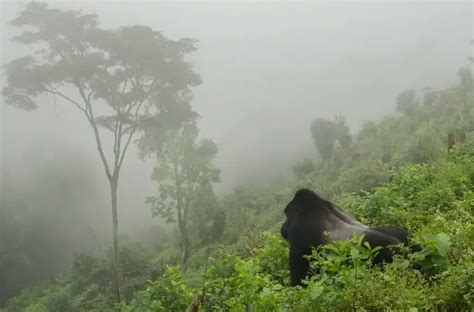
remain open, with treks conducted daily. The wet season transforms the forests
into lush, vibrant landscapes, creating a magical atmosphere for trekking.
Trails may be muddy and slippery, but experienced guides ensure safe
navigation. Rain showers are often short and followed by clear skies, allowing
trekkers to enjoy sightings without losing the day. The gorillas themselves are
unaffected by the rain, continuing their daily routines. For adventurous
travelers, the wet season offers a more intimate experience, with fewer
tourists on the trails and greater chances of spending quiet, undisturbed time
with these gentle giants.
2. Advantages of
Wet Season Trekking
One of the biggest advantages of trekking
gorillas in Uganda during the rainy season is reduced crowds. Permits are
easier to secure, and trekking groups are smaller, allowing for a more personal
encounter. Accommodation prices are often lower, making it a cost‑effective
time to visit. The forests are at their most beautiful, with waterfalls flowing
strongly, flowers blooming, and mist creating dramatic scenery. Photographers
particularly enjoy this season, as the vibrant greenery and soft light enhance
images of gorillas and their surroundings. Wildlife behavior also becomes
fascinating, with gorillas feeding on fresh vegetation and sometimes staying
closer to lower altitudes. For travelers who value exclusivity and
affordability, the wet season provides a unique opportunity to enjoy gorilla
trekking without the busyness of peak dry months.
3. Challenges of
Wet Season Trekking
Despite its rewards, trekking gorillas in Uganda
during the rainy season comes with challenges. Trails can be muddy, steep, and
slippery, requiring good physical fitness and sturdy hiking boots. Rain showers
may occur during treks, so waterproof clothing and gear are essential. Visibility
can sometimes be reduced by mist, though this often adds to the mystical
atmosphere. Road access to Bwindi and Mgahinga may be slower due to wet
conditions, making travel times longer. However, Uganda Wildlife Authority
rangers are well‑trained to adapt treks to weather conditions, ensuring safety.
For travelers prepared with the right equipment and mindset, these challenges
become part of the adventure. The effort of trekking through wet forests is
rewarded with unforgettable gorilla encounters in a pristine, rain‑nourished
environment.
4. Gorilla
Behavior in Rainy Season
Gorillas remain active and visible during Uganda’s
rainy months. In fact, the abundance of fresh vegetation makes them easier to
locate, as they spend more time feeding in accessible areas. Families may be
seen foraging on bamboo shoots, fruits, and leaves, offering trekkers diverse
behavioral observations. Rain does not deter gorillas; they often continue
feeding or resting calmly under thick foliage. Infants may be seen playing in the
mud, adding charm to the experience. The wet season also coincides with calving
periods for some wildlife, so trekkers may witness young gorillas interacting
with their mothers. This natural cycle provides rare photographic
opportunities. Observing gorillas in their lush, rain‑fed habitat highlights
their resilience and adaptability, deepening appreciation for their survival in
Uganda’s tropical forests.
5. Photography
Opportunities
Uganda’s rainy season creates stunning photography
conditions for gorilla trekking. The forests are greener, waterfalls fuller,
and mist often drapes the mountains, producing dramatic backdrops. The soft,
diffused light after rain reduces harsh shadows, ideal for capturing gorilla
portraits. Photographers can document gorillas feeding, grooming, or playing
against vibrant vegetation. The rain also enhances textures, from glistening
leaves to the sheen on gorilla fur. While waterproof camera protection is
necessary, the rewards are immense. Images taken during this season often stand
out for their richness and atmosphere. For wildlife photographers, the rainy
months in Bwindi and Mgahinga provide unique opportunities to capture gorillas
in settings that differ from the dry season, offering rare perspectives that
emphasize the beauty of Uganda’s rain‑nourished wilderness.
6. Conservation
Significance
Trekking gorillas in Uganda during the wet season
contributes directly to conservation. Permit fees support the Uganda Wildlife
Authority and local communities, ensuring protection of gorilla habitats year‑round.
Visiting in the rainy months helps distribute tourism impact more evenly,
reducing pressure on trails and gorilla families during peak dry season. It
also sustains employment for guides, porters, and lodge staff throughout the year.
By choosing to trek in the wet season, travelers play a role in maintaining
consistent conservation funding. This is vital, as mountain gorillas are listed
as endangered, with fewer than 1,100 individuals remaining globally. Every
trek, regardless of season, strengthens conservation initiatives and community
livelihoods, making wet season visits not only rewarding but also impactful for
long‑term gorilla survival.
7. Practical
Tips for Wet Season Trekking
Preparation is key for gorilla
trekking in Uganda’s rainy season. Travelers should pack waterproof
jackets, gaiters, and sturdy hiking boots with good grip. A walking stick,
often provided by guides, helps with slippery trails. Waterproof covers for
backpacks and cameras are essential. Hiring a porter is highly recommended, as
they assist with carrying gear and navigating difficult terrain. Trekkers
should expect flexible itineraries, as rain may delay start times, though treks
always proceed once conditions are safe. Staying in lodges near park entrances
reduces travel stress. Despite the challenges, guides ensure rewarding
encounters with gorillas. With the right preparation, trekking in the wet
season becomes a comfortable and memorable adventure, offering unique
experiences that differ from the dry months.
8. Overall
Experience
Seeing gorillas in Uganda during the wet season is a
remarkable adventure that combines exclusivity, affordability, and natural
beauty. While the dry season offers easier trekking conditions, the rainy
months provide lush scenery, fewer crowds, and equally rewarding gorilla
encounters. Travelers who embrace the challenges of mud and rain are rewarded
with intimate wildlife sightings and dramatic landscapes. The experience
highlights the resilience of both gorillas and trekkers, creating lasting
memories. Whether for photography, conservation impact, or personal adventure,
wet season trekking offers a softer, greener perspective of Uganda’s forests.
Ultimately, gorilla trekking in Uganda is a year‑round activity, and the rainy
season ensures that every visitor can enjoy a unique, authentic, and deeply
meaningful encounter with these endangered primates.
What to carry
for Your gorilla trekking tour in Uganda
For your gorilla trekking tour in Uganda, pack smart
to stay comfortable and prepared for the forest terrain. Sturdy hiking boots
are essential for navigating steep, muddy trails, while long-sleeved shirts and
trousers protect against scratches and insect bites. A waterproof jacket is
useful for sudden rain, and gloves help with gripping vegetation during climbs.
Carry a backpack with water, snacks, and a camera, but avoid flash photography.
Sunscreen, insect repellent, and personal medications are important additions.
Walking sticks are often provided, though you can bring your own. Lightweight
gear is best since treks can last several hours. Dressing in neutral colors
helps blend into the environment, ensuring a practical and enjoyable gorilla
trekking experience in Bwindi or Mgahinga.