
1. Kibale
National Park all you need to Know
Kibale
National Park is one of Uganda’s most celebrated rainforest destinations
and is widely recognized as the primate capital of East Africa. Located in
western Uganda, the park covers approximately 795 square kilometers of tropical
forest, grasslands, wetlands, and woodland habitats. Kibale National Park is
renowned for its remarkable biodiversity and is home to the highest
concentration of primates in Uganda. Visitors from around the world travel to
the park for the opportunity to observe chimpanzees in their natural
environment. Beyond primates, the park supports numerous bird species,
butterflies, and forest mammals. Kibale National Park offers a unique contrast
to Uganda’s savannah parks, providing immersive rainforest experiences. Its
rich ecosystems and exceptional wildlife encounters make it one of the
country’s most rewarding destinations for nature lovers.
2. Location and
Accessibility
Kibale National Park is situated in western Uganda
near Fort Portal, one of the country’s most scenic tourism hubs. The park lies
approximately 320 kilometers from Kampala and can be reached by road in about
five to six hours. Travelers heading to Kibale
National Park enjoy beautiful views of tea plantations, rolling hills,
crater lakes, and rural communities along the journey. The park’s strategic
position allows it to be combined with visits to Queen Elizabeth National Park,
Semuliki National Park, and the Rwenzori Mountains. Domestic flights to nearby
airstrips can reduce travel time for visitors with tighter schedules. Kibale
National Park is easily incorporated into Uganda safari itineraries because of
its accessibility and proximity to other attractions. This location enhances
its popularity among international and domestic travelers.
3. Chimpanzee
Trekking in Kibale National Park
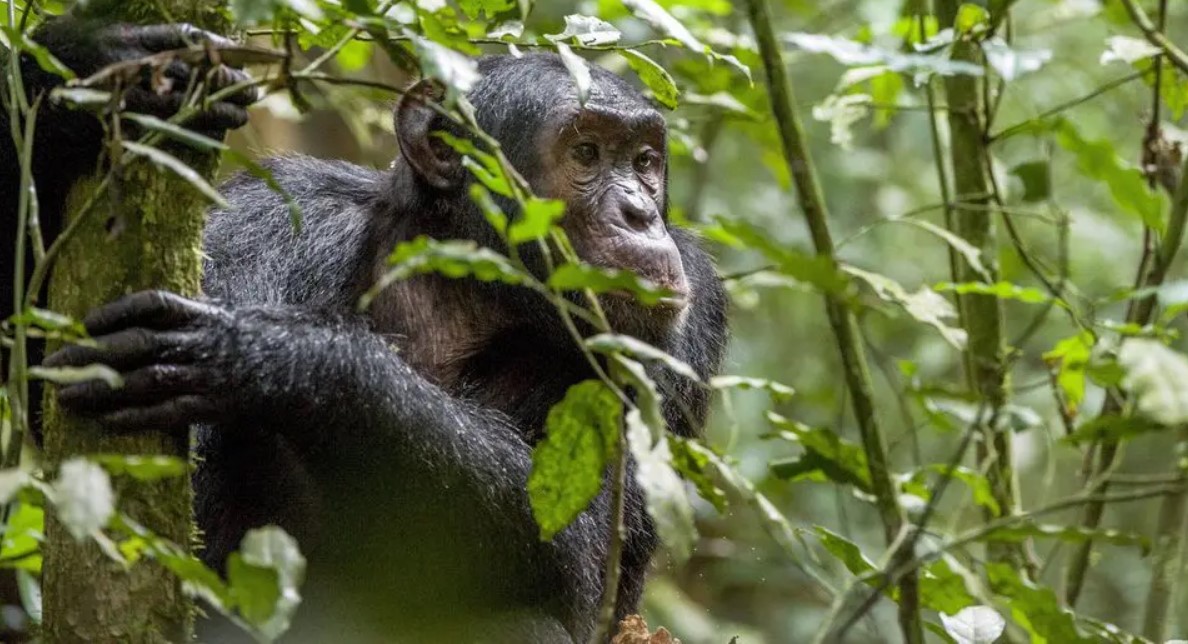
Chimpanzee trekking is the most popular activity in Kibale
National Park and one of Uganda’s top wildlife experiences. The park is
home to more than 1,500 chimpanzees, making it one of the best places in Africa
to encounter these intelligent primates. During guided treks, visitors enter
the forest with experienced rangers who help track chimpanzee groups. Kibale
National Park offers excellent chances of successful sightings due to its
well-habituated chimpanzee communities. Watching chimpanzees feed, communicate,
groom, and move through the forest canopy creates unforgettable memories. The
experience also provides fascinating insights into the behavior of humanity’s
closest living relatives. Kibale National Park attracts researchers, photographers,
and wildlife enthusiasts from around the world seeking authentic encounters
with one of Africa’s most charismatic primates.
4. Chimpanzee
Habituation Experience
For visitors seeking a deeper primate experience, Kibale
National Park offers the chimpanzee habituation experience. Unlike standard
trekking, this activity allows guests to spend extended periods with
chimpanzees while researchers and conservationists gradually accustom them to
human presence. Participants in Kibale National Park often spend several hours
following the chimpanzees throughout their daily activities. This provides
opportunities to observe feeding, hunting, social interactions, and nesting
behaviors in greater detail. The experience is particularly appealing to
wildlife photographers and travelers interested in animal behavior. Because
visitors spend more time with the primates, encounters tend to feel more
immersive and educational. Kibale National Park remains one of the few places
in Africa where such a unique conservation-focused activity is available to
tourists.
5. Primate
Diversity
Kibale National Park is famous not only for
chimpanzees but also for its extraordinary primate diversity. The park supports
thirteen recorded primate species, making it one of the richest primate
habitats on the continent. Visitors exploring Kibale National Park may
encounter red colobus monkeys, black-and-white colobus monkeys, L’Hoest’s
monkeys, olive baboons, blue monkeys, and grey-cheeked mangabeys. These species
occupy different areas of the forest and display fascinating behaviors that add
excitement to every guided walk. Researchers frequently visit Kibale National
Park because of its importance in primate studies and conservation efforts. The
abundance and variety of primates create exceptional opportunities for wildlife
observation. For visitors interested in rainforest ecosystems, the park offers
experiences unmatched by many other destinations in East Africa.
6. Birdwatching
Opportunities
Kibale National Park is an outstanding destination
for bird enthusiasts, supporting more than 375 recorded bird species. The
park’s rich forest habitats attract a variety of forest specialists, migratory
birds, and rare species. Birdwatchers visiting Kibale National Park often
search for African pitta, green-breasted pitta, crowned eagle, black bee-eater,
and great blue turaco. Guided birding excursions help visitors identify species
hidden within the dense rainforest vegetation. The nearby Bigodi Wetland
Sanctuary complements birdwatching opportunities by providing access to
additional habitats and species. Kibale National Park appeals to both beginner
and experienced birdwatchers seeking unique forest birds. The combination of
excellent birding, scenic landscapes, and abundant wildlife makes the park a
highly rewarding destination for nature enthusiasts throughout the year.
7. Bigodi
Wetland Sanctuary
Bigodi Wetland Sanctuary is one of the most popular
community tourism attractions associated with Kibale National Park. Located
near the park boundary, the wetland offers guided nature walks through a rich
ecosystem of swamps, grasslands, and forest patches. Visitors exploring Bigodi
can encounter monkeys, birds, butterflies, and numerous plant species. Kibale
National Park visitors often include this experience in their itinerary because
it provides a different perspective on the region’s biodiversity. The sanctuary
is also recognized for its successful community-based conservation initiatives
that directly benefit local residents. Revenue generated from tourism supports
education, healthcare, and development projects. Kibale National Park and
Bigodi together create a well-rounded wildlife and cultural experience that
highlights responsible tourism and sustainable conservation practices.
8. Forest Walks
and Nature Experiences
Guided forest walks are among the most enjoyable
activities available in Kibale National Park. These walks allow visitors to
appreciate the rainforest beyond chimpanzee trekking and provide opportunities
to observe plants, insects, birds, and smaller mammals. Knowledgeable guides
explain the ecological importance of the forest while introducing visitors to
medicinal plants and unique tree species. Kibale National Park offers several
trail options that vary in length and difficulty, making them suitable for
different fitness levels. The peaceful atmosphere of the rainforest encourages
visitors to slow down and appreciate the sounds and sights of nature. Every
walk reveals new aspects of the ecosystem. Kibale National Park is particularly
rewarding for travelers who wish to experience the beauty and complexity of
tropical rainforest environments.
9. Cultural
Experiences Around the Park
Kibale
National Park provides opportunities for cultural interactions with local
communities living around its borders. Visitors can participate in village
walks, traditional craft demonstrations, dance performances, and cultural
storytelling programs. These experiences help travelers understand the daily
lives and traditions of communities that coexist with the forest ecosystem.
Kibale National Park benefits from community tourism initiatives that encourage
conservation while generating sustainable livelihoods. Travelers gain valuable
insights into local customs, agriculture, food preparation, and traditional knowledge
associated with natural resources. Cultural encounters complement wildlife
activities by adding a human dimension to the overall travel experience. By
participating in these programs, visitors contribute directly to community
development and conservation efforts surrounding Kibale National Park and its
unique rainforest habitats.
10. Best Time to
Visit Kibale National Park
Kibale National Park can be visited throughout the
year, though many travelers prefer the relatively drier months between December
and February and from June to September. During these periods, forest trails
are generally easier to navigate and trekking conditions are more comfortable.
However, Kibale National Park remains productive even during rainy seasons
because chimpanzees and other primates are present year-round. The lush forest
scenery becomes particularly vibrant after rainfall, creating excellent
photography opportunities. Birdwatching can also be rewarding at different
times of the year depending on migratory patterns. Because the rainforest
receives regular rainfall, visitors should always prepare for wet conditions
regardless of season. Kibale National Park consistently offers exceptional
wildlife experiences throughout the year, making timing flexible for most
travelers.
11.
Accommodation Options
Kibale National Park offers a wide selection of
accommodation options suitable for luxury, mid-range, and budget travelers.
Many lodges are located within or near the forest, allowing visitors to enjoy a
peaceful natural setting and easy access to park activities. Luxury safari
lodges provide elegant rooms, fine dining, and personalized services, while
mid-range facilities offer comfortable accommodation with excellent value.
Budget options cater to travelers seeking affordable experiences near Kibale
National Park. Several properties feature forest views, nature trails, and
opportunities to observe wildlife directly from lodge grounds. Visitors can
choose accommodations based on their preferences and travel budgets. Kibale National
Park continues to attract increasing numbers of travelers, resulting in a
growing range of quality lodging options throughout the surrounding region.
12. Why Visit
Kibale National Park
Kibale National Park is one of Uganda’s most unique
and rewarding wildlife destinations. Its reputation as the primate capital of
East Africa, combined with exceptional chimpanzee trekking, diverse birdlife,
and beautiful rainforest scenery, makes it a must-visit destination. Visitors
to Kibale National Park enjoy unforgettable opportunities to observe
chimpanzees and other primates in their natural habitats while learning about
conservation and rainforest ecology. The park’s accessibility, community
tourism initiatives, and diverse activities appeal to a wide range of travelers.
Whether exploring forest trails, birdwatching, participating in cultural
experiences, or undertaking a chimpanzee habituation experience, every visit
offers something memorable. Kibale National Park showcases the incredible
biodiversity of Uganda and remains an essential destination for travelers
seeking authentic wildlife and nature experiences.