
Peak Season of
June, July, August
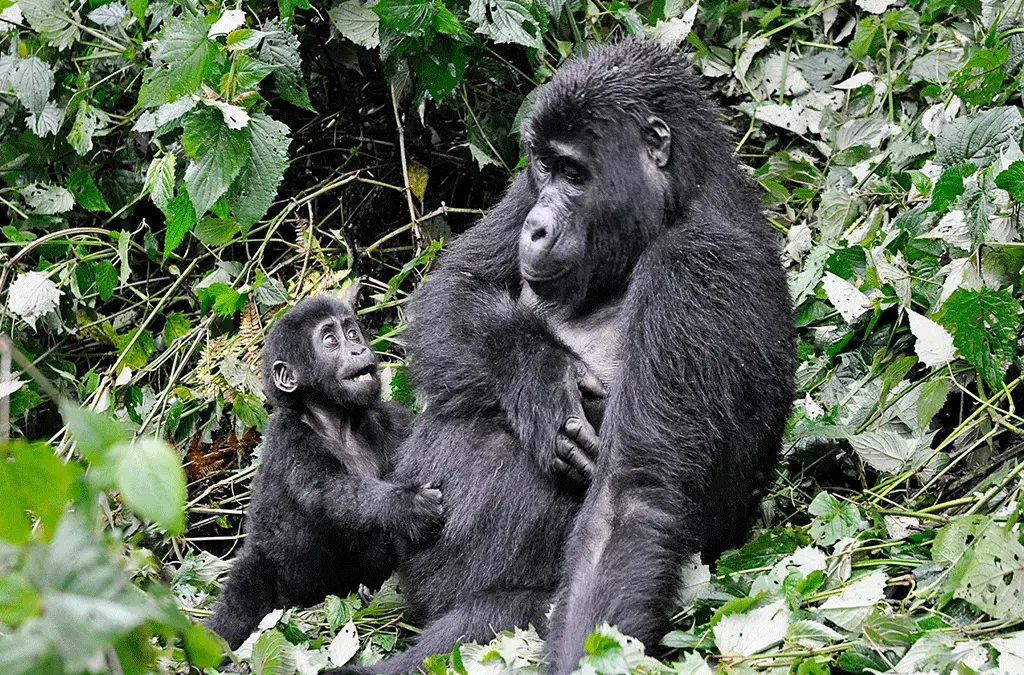
The peak season is widely considered the best time
to visit Uganda for gorilla
tour and trekking because trails are dry, hiking is easier, and skies are
clear for photography. Wildlife viewing is optimal across all parks, making
this period highly attractive for travelers who want consistent conditions.
However, the peak season also means the highest demand, so permits and
accommodations must be booked 6–12 months in advance. Prices for permits and
lodges are at their maximum, reflecting the popularity of these months. For
those who prioritize comfort and reliable trekking conditions, this is the best
choice, but it requires early planning and a higher budget to secure spots.
High or Shoulder
Season January, February
The high or shoulder season is another excellent time
for gorilla tour and trekking in Uganda. These months are generally dry and
sunny, offering favorable trekking conditions without the heavy crowds of June
to August. Wildlife sightings remain strong, and the weather is comfortable for
hiking. While still popular, January and February provide a balance between
good weather and moderate availability, making them appealing for travelers who
want strong value. Permits should still be booked well in advance, as demand
remains high. For many, this season represents the best compromise between
cost, accessibility, and trekking quality, ensuring a rewarding gorilla
experience without the intensity of peak season crowds.
Low Season of
March to May
The low season from March to May is marked by
heavier rains, which can make trails muddy and trekking more challenging.
However, this period offers significant savings, as lodges and camps reduce
rates, and gorilla permits are easier to secure. The forests are greener, and
photography benefits from softer light, while birdlife is abundant. For
travelers who don’t mind occasional showers, this can still be the best time to
visit
Uganda for gorilla tour and trekking at a lower cost. The reduced crowds
also mean a more private experience, though flexibility and preparation for wet
conditions are essential.
Short Dry Season
from September to December
The short dry season from September to December is
another favorable time for gorilla trekking in Uganda. Trails are generally
dry, wildlife viewing remains strong, and the weather is pleasant for hiking.
This period is less crowded than the June–August peak, making it easier to
secure permits and accommodation without extreme competition. Prices are
moderate compared to peak months, offering good value for travelers. For many,
this season is the best time to visit Uganda for gorilla tour and trekking if
they want reliable conditions, fewer tourists, and balanced costs. It’s a
practical choice for those seeking comfort and availability without the
challenges of the rainy season
How to reach
Uganda for gorilla tours
Travelers can reach Uganda for gorilla tours mainly
by flying into Entebbe International Airport, the country’s primary entry point
located near Kampala. From Entebbe, most visitors connect by road or domestic
flights to southwestern Uganda, where gorilla trekking takes place in Bwindi
Impenetrable National Park and Mgahinga Gorilla National Park. Road transfers
from Kampala or Entebbe to Bwindi take 8–10 hours, often broken up with
overnight stops, while flights to Kisoro or Kihihi airstrips shorten the journey
to about 1–2 hours. For those starting in Rwanda, Kigali International Airport
offers a shorter 4–5 hour drive to Bwindi, making it a convenient alternative.
Choosing between road and air depends on budget, time, and comfort, but both
options provide reliable access to Uganda’s gorilla trekking regions.
What to pack for
gorilla tours in Uganda
For gorilla tours in Uganda, packing smart ensures
comfort and readiness for the forest terrain. Sturdy hiking boots are essential
for navigating steep and muddy trails, while long-sleeved shirts and trousers
protect against scratches and insect bites. A waterproof jacket is useful for
sudden rain, and gloves help with gripping vegetation during climbs. Carry a
backpack with water, snacks, and a camera, but avoid flash photography. Walking
sticks are often provided, though you can bring your own. Sunscreen, insect
repellent, and personal medications are important additions. Lightweight gear
is best since treks can last several hours. Dressing in neutral colors helps
blend into the environment, making gorilla tours in Uganda practical and
enjoyable while keeping you prepared for varying conditions.
Why book Uganda gorilla
tours with Zoophilist adventures and safaris
Booking Uganda gorilla tours with Zoophilist Adventures and Safaris
is a smart choice for travelers who want professional organization combined
with affordability. The company provides clear itineraries that cover Bwindi
Impenetrable and Mgahinga Gorilla National Parks, ensuring permits, transport,
and accommodation are arranged in advance. Our guides are experienced, offering
valuable insights into gorilla behavior and local culture, which enhances the
trekking experience. Zoophilist Adventures and Safaris also emphasizes
responsible tourism, supporting conservation and community initiatives while
keeping costs transparent. Choosing them for Uganda gorilla tours means
travelers benefit from reliable logistics, personalized service, and strong
value, making the experience smooth and rewarding without unnecessary stress