
The Dry
SeasonsThe Optimal Time June–Sept and Dec–Feb
Visiting Kibale
National Park during the dry months is the most practical choice for
chimpanzee trekking. Trails are firm and less slippery, making hikes more
comfortable and less tiring. Vegetation is thinner, improving visibility and
photography opportunities as chimpanzees move through the forest. Road access
is also more reliable, reducing delays when traveling to the park. However,
this is the busiest period, so permits and accommodation must be booked well in
advance, ideally 3–6 months before travel. Choosing the dry season ensures a
smoother trekking experience, better wildlife viewing, and easier logistics,
making it the recommended time for most visitors.
The Wet Seasons:
An Alternative March–May and Oct–Nov
Trekking in
Kibale during the rainy months is possible but requires
preparation. Trails become muddy and slippery, so waterproof boots and rain
gear are essential. While conditions are more challenging, this season offers
lower prices on lodges and tour packages, making it attractive for budget
travelers. The forest is vibrant and green, creating a different atmosphere,
and birdwatchers benefit from the presence of migratory species. Fewer crowds
also mean a quieter experience. For those willing to handle tougher conditions,
the wet season provides cost savings and unique scenery, making it a worthwhile
alternative to the dry months.
A Note on Chimpanzee Habituation Experience
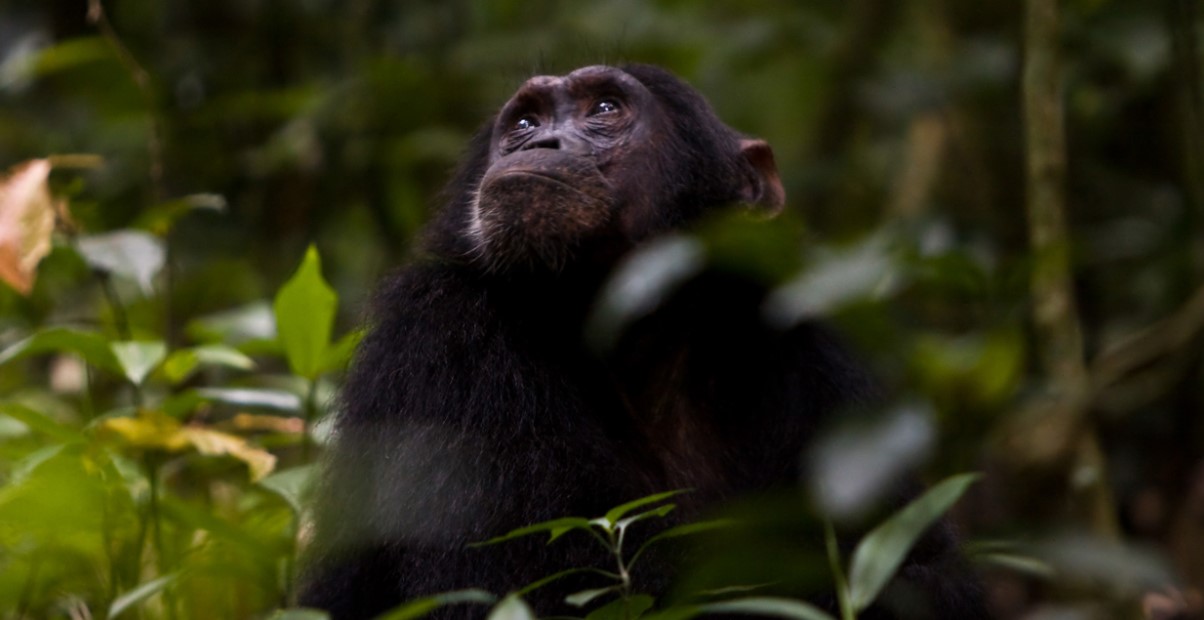
Kibale offers a special chimpanzee habituation
experience, allowing visitors to spend an entire day with researchers and semi-habituated
chimpanzees. This activity provides deeper insight into chimp behavior and
conservation efforts. While available year-round, the dry season is considered
the best time due to easier trail conditions and more reliable access. Permits
for this experience are very limited, so booking early is essential. For
travelers seeking more than a standard trek, habituation offers extended time
with chimpanzees and a richer understanding of their social dynamics. It’s a
valuable option for those who want a more detailed and immersive wildlife
experience.
Month-by-Month Summary
The dry
season months June, July, August, September, December, January, and February are
recommended for chimpanzee
trekking, offering dry trails, good visibility, and comfortable hikes.
Early booking is necessary due to high demand. The wet season months March, April,
May, October, and November bring muddy trails and heavier rains but also lush
scenery, fewer tourists, and lower costs. Birdwatching is excellent during
these months, making them appealing for travelers with specific interests.
Choosing when to visit depends on priorities: comfort and reliability in the
dry season, or savings and greenery in the wet season. Both periods provide
rewarding chimpanzee trekking experiences in Kibale National Park.
How to get to
Kibale national park for Chimpanzee trekking
Getting to Kibale National Park for chimpanzee
trekking is straightforward, with several options depending on your starting
point. Most travelers arrive in Uganda through Entebbe International Airport,
then connect by road to Fort Portal, the nearest town to the park. The drive
from Entebbe or Kampala to Kibale takes about 5–6 hours, passing through scenic
countryside and tea plantations. For those seeking faster access, domestic
flights are available from Entebbe or Kajjansi Airstrip to Kasese or Fort
Portal, followed by a short road transfer to the park. Road travel is the most
common choice, as it allows flexibility and stops along the way. Hiring a
driver-guide is recommended for convenience, local knowledge, and smoother
navigation, ensuring a safe and comfortable trip to Kibale.
Tips for Kibale
national park and Chimpanzee trekking
For a rewarding Kibale
National Park chimpanzee trekking experience, preparation and awareness are
key. Wear sturdy, waterproof hiking boots since trails can be muddy, and carry
lightweight rain gear even in the dry season. A small backpack with water,
snacks, insect repellent, and a camera is practical. Permits should be booked
well in advance, especially during peak months, as numbers are limited. Always
follow ranger instructions, keep a safe distance from chimpanzees, and avoid
loud noises or sudden movements. Respect the forest by not littering and
staying on designated paths. For added value, combine trekking with a visit to
Bigodi Wetland Sanctuary for birdwatching and cultural encounters. Staying in
lodges near the park gate reduces travel time and ensures early starts, making
the trek smoother and more enjoyable.
Booking Chimpanzee
trekking with Zoophilist adventures and safaris
Booking chimpanzee trekking with Zoophilist Adventures and Safaris
is a straightforward way to secure a guided experience in Kibale National Park.
The company arranges permits, transport, and accommodation, saving you the
stress of handling logistics yourself. Our packages include professional guides
who know the forest well, increasing your chances of locating chimpanzee groups
quickly. Travelers are advised to book early, especially during the dry season,
as permits are limited and demand is high. Zoophilist also offers flexible
options, from budget-friendly group tours to private treks, ensuring different
preferences and budgets are covered. By booking through them, you gain reliable
organization, knowledgeable guidance, and a well-planned safari that balances
cost, comfort, and authentic wildlife experiences in Uganda’s primate capital