
The best time to visit Queen
Elizabeth National Park for a Uganda safari is during the dry seasons of
June–August and December–February, when wildlife is easier to spot around
rivers and waterholes, vegetation is thinner, and roads remain accessible.
These months also provide clear skies and good light for photography, though
they are busier, so advance booking is essential. The short dry season
(December–February) offers similar advantages with fewer crowds, making it a
good option for combining with gorilla trekking. Rainy seasons (March–May and
September–November) bring greener landscapes, excellent birdwatching, and lower
prices, though wildlife disperses and roads can be muddy. Birdwatchers benefit
most from wet months, while budget travelers enjoy discounts. Overall, dry
months are best for classic game viewing, while wet months suit birding and
cost savings.
Dry Seasons of June–August
and December–February
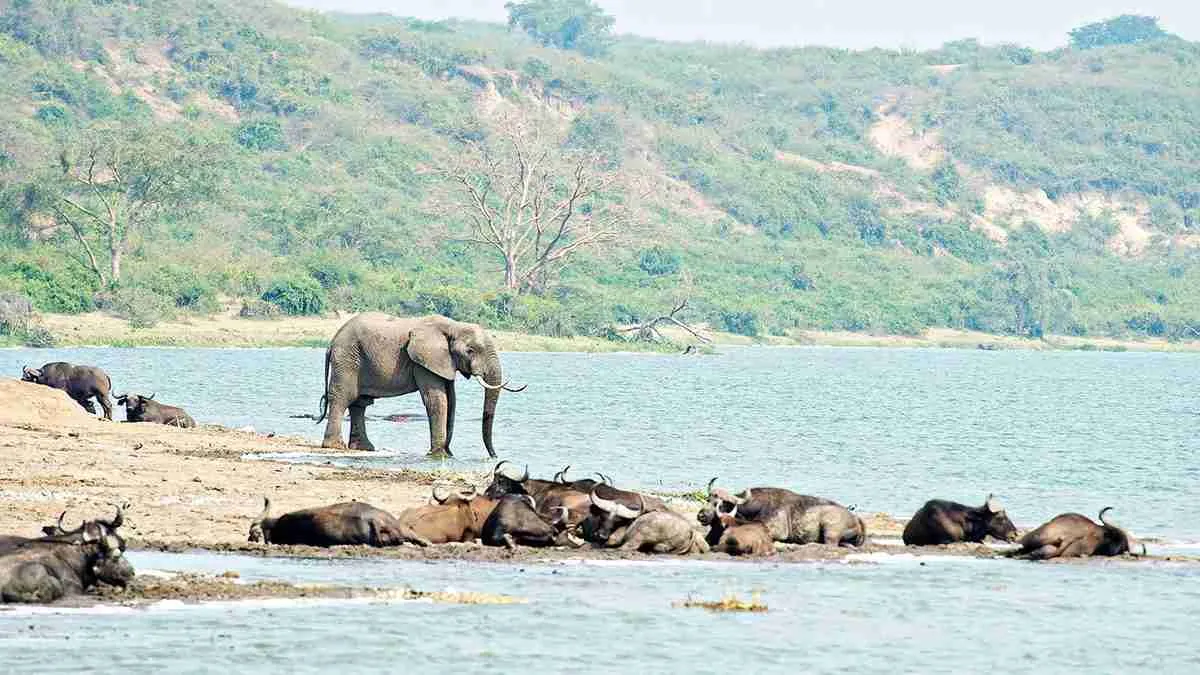
The dry seasons are the best times for a safari in Queen
Elizabeth National Park. These months have little rain, so animals must
visit rivers, lakes, and waterholes to drink. This makes them much easier to
find. The vegetation is thinner, so you can see animals from a distance without
leaves blocking your view. The roads also stay dry and easy to drive, even in
remote areas like the Ishasha sector where tree-climbing lions live. The
weather is pleasant, with daytime temperatures around 28°C to 30°C and cooler
nights. However, these are the busiest months, so you should book your
accommodation and activities well ahead of time. If you want classic game
viewing with good visibility, this is your best choice. It is also a good time
for photography because of the clear skies and good light.
Short Dry Season
of December–February
The short dry season from December to February is
another excellent window for visiting. The weather is warm and mostly dry, with
sunny days. Wildlife viewing is still very good because animals continue to
gather around the remaining water sources. The vegetation is not overgrown, so
you can spot animals without much trouble. This period is less crowded than the
June–August peak season, so you might find more room at lodges and fewer
vehicles on game drives. It is also a popular time for combining a safari in
Queen Elizabeth with gorilla trekking in nearby Bwindi Impenetrable Forest.
Many families and groups choose this time for holiday travel, so you can expect
a lively atmosphere. Book early to secure your spot, as this is still a busy
period.
Long Rainy
Season from March–May
The long rainy season runs from March to May, with
April receiving the heaviest rain. This is the least popular time for game
viewing. Heavy rain makes the vegetation grow fast, which can block your view
of animals. Wildlife also spreads out because there is plenty of water
everywhere, so they don't need to gather at the usual spots. Some roads can
become muddy or impossible to drive, especially in remote areas. However, this
season has some advantages. The park turns green and beautiful, and it is
excellent for birdwatching
because migratory birds arrive. You will also find fewer tourists and lower
prices on accommodation. If you are on a budget and don't mind rain, this could
work for you.
Short Rainy
Season September–November
The short rainy season from September to November
brings lighter rains than the long wet season. The park remains green, and
wildlife viewing is moderate. The vegetation is not as thick as in March–May,
so you can still see animals reasonably well. As the season moves into October
and November, animals begin to gather around water sources again, improving
your chances of sightings. This period offers a good balance for travelers who
want to see green landscapes without the peak season crowds. September, in
particular, can be rewarding with comfortable weather and fewer tourists. Roads
are generally more accessible than during the long rains, but you should still
be prepared for some muddy conditions. It is also a good time for birdwatching,
as some migratory species are still present.
Best Time for
Birdwatchers
If birds are your main interest, plan your visit
during the wet seasons. The long rains from March to May and the short rains
from September to November bring migratory birds to the park. The park already
has over 600 bird species, and the wet season adds even more variety. The
breeding season also peaks during this time, so you will see more activity. The
landscape turns green, providing beautiful backdrops for bird photography.
Although wildlife viewing can be harder because of the thick vegetation, the
birdlife is at its best. You will also have the park mostly to yourself, with
fewer tourists around. If you are a dedicated birder, this is the time to come.
Best Time for Chimpanzee Tracking
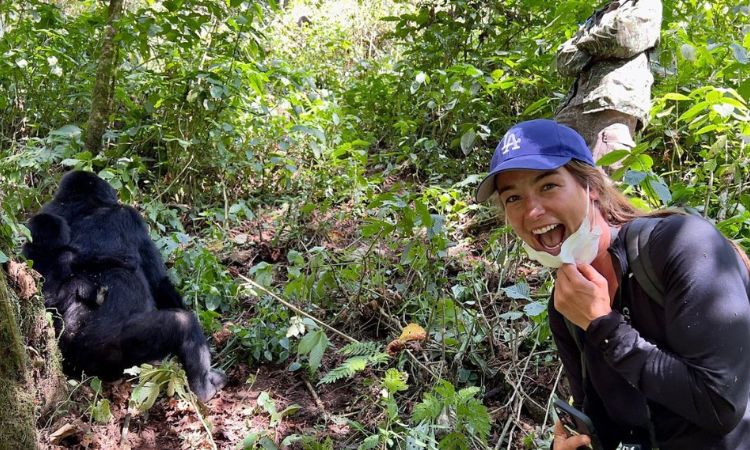
Chimpanzee
tracking in Kyambura Gorge is a popular activity. The best time for this is
during the dry seasons from June to August and December to February. The trails
are drier and less slippery, making the walk to find the chimps easier and
safer. However, the rainy season from March to May also has its advantages.
During these wetter months, chimpanzees move lower down the slopes in search of
warmth and fruit, which can make for a shorter trek to find them. The
vegetation is dense, but if you don't mind a bit of mud and rain, it can be a
good alternative. The dry season offers more predictable conditions, while the
wet season provides a different experience with the chimps more accessible in
the lower forest areas.
Best Time for
Budget Travelers
If you want to save money, visit during the rainy
seasons. From March to May and September to November, you will find lower
prices for accommodation and safari activities. This is because fewer tourists
visit during these wet months. Many lodges and tour operators offer discounts
to attract visitors. The park is also less crowded, so you get a more private
experience. However, you need to be prepared for rain and muddy roads. Some
remote areas may be hard to reach, and a 4x4 vehicle is essential. If you are
flexible with your plans and don't mind wet weather, this is the most
cost-effective time to visit. You will also see the park at its greenest, which
is a reward in itself.
What to Pack
Based on Season
Your packing list should change depending on when
you visit. In the dry seasons (June–August, December–February), pack light,
breathable clothes for warm days, but bring layers for cool mornings and
evenings. A light raincoat is still useful, as brief showers can happen even in
dry months. For the rainy seasons, pack a waterproof jacket and sturdy,
waterproof shoes. The ground can be muddy, so good footwear is essential.
Insect repellent is useful year-round, especially near water. During the dry
season, the savannah can get dusty, so consider a dust mask if you are
sensitive. In the wet season, expect afternoon thunderstorms and prepare for
possible changes to your game drive schedule. Your guide will adjust activities
based on the weather.
How to get there
to Queen Elizabeth Park on Uganda safari trip
You can get to Queen
Elizabeth National Park by road or by air. The most common way is driving
from Kampala, which takes about 6 to 8 hours to cover roughly 400
kilometers . The main route follows the Masaka-Mbarara highway through
towns like Masaka, Mbarara, and Bushenyi, then continues to Kasese town, which
is near the park entrance . You can also take the Fort Portal route, which
offers views of the Rwenzori Mountains . For a quicker option, you can
take a domestic flight from Entebbe International Airport or Kajjansi Airfield
to airstrips at Mweya (inside the park) or Kasese (near the park) . These
flights take about 1 to 1.5 hours and are offered by airlines like Aerolink
Uganda and Bar Aviation
Where to stay in
Queen Elizabeth Park on Uganda safari trip
Where you stay in Queen Elizabeth National Park
depends on your budget and what you want to see. For a central location and
classic views of the Kazinga Channel, Mweya Safari Lodge is the most
well-known choice, though it has a resort-style feel . If tree-climbing
lions are your main interest, you should book a night in the remote Ishasha
sector, at places like Ishasha Wilderness Camp or Ishasha Jungle
Lodge . For travelers wanting a comfortable but not overly expensive
option, there are many mid-range lodges, such as Buffalo Safari Lodge, Marafiki
Safari Lodge, and Enganzi Game Lodge, which offer good amenities and fine
views . On a tighter budget, you can find simple bandas, hostels, and
campsites run by the Uganda Wildlife Authority or private operators like Simba
Safari Camp and Pumba Safari Cottages . Many of these budget
options are located near Mweya or the Katunguru bridge area, putting you close
to park activities
Booking Uganda
safari trip with Zoophilist adventures and safaris
Booking a Uganda safari trip with Zoophilist Adventures and Safaris
ensures a well-organized and value-driven experience across the country’s top
wildlife destinations. As a licensed operator, We handle all logistics
including gorilla trekking permits, park fees, accommodation, and transfers,
saving you the stress of planning. Our itineraries are tailored to your
interests, whether you want gorilla trekking in Bwindi, chimpanzee tracking in
Kibale, or game drives in Queen Elizabeth and Murchison Falls. Experienced
guides provide safe and insightful tours, helping you spot wildlife and
understand local cultures. By booking with Zoophilist, you also support
conservation and community initiatives, making your safari meaningful beyond
just travel. Early booking is recommended, especially in peak seasons, to
secure permits and lodges for a smooth and rewarding adventure.