
Gorilla trekking in Uganda is a top wildlife
experience, but it is not something you can do on a whim. The Uganda
Wildlife Authority has set clear requirements that every visitor must meet
before entering the forest. These rules are not made to be difficult. They are
there to protect the endangered gorillas and keep you safe during your trek. From
physical fitness to the right gear, your preparation matters. If you show up
without the proper clothing or a valid permit, you will not be allowed to trek.
This guide lists the 10 most important requirements you need to know. We
explain each one in plain language so you can plan properly. Follow this
checklist, and you will be ready for a smooth and successful trek in Bwindi
Impenetrable Forest or Mgahinga Gorilla National Park.
1. Gorilla
Trekking Permit
You cannot go gorilla trekking without a valid
permit . The Uganda Wildlife Authority issues these permits, and they are
strictly limited each day to protect the gorillas from too much human
contact . As of 2025, a permit for foreign non-residents costs USD
800 per person . This fee covers your park entry, the guide's
services, and one hour with the gorillas . You must book your permit well
in advance, ideally six months to a year before your trip, especially for the
busy dry seasons . Tour operators can handle this for you. Remember,
permits are non-transferable and non-refundable, so plan carefully
2. Minimum Age
of 15 Years
You must be at least 15 years old to go gorilla
trekking in Uganda . This rule is firm and for good reasons. The trek
through Bwindi Impenetrable Forest or Mgahinga is physically hard work, with
steep slopes and thick mud . Younger children may not have the stamina for
a hike that can last several hours. They might also find it harder to stay calm
and follow the strict rules when near the gorillas, which could disturb the
animals . You will need to show proof of age, like a passport copy, at the
park headquarters . This rule helps keep everyone safe and ensures the
gorillas are not stressed
3. Moderate
Physical Fitness
Gorilla trekking is not a walk in the park. You need
a moderate level of physical fitness . The treks can take anywhere from 30
minutes to over six hours, depending on where the gorillas have moved to .
You will be walking on steep, muddy, and uneven ground at a high altitude .
You do not need to be an athlete, but you should be able to walk uphill for a
few hours without stopping . To prepare, try walking, hiking, or climbing
stairs in the weeks before your trip . If you have health problems, speak
to your doctor first. You can also request an easier trekking group, but this
depends on availability
4. Sturdy,
Waterproof Hiking Boots
Your footwear is the most important piece of gear
you will bring . The forest trails are famous for being muddy and
slippery, even during the dry season . You need a good pair of sturdy,
waterproof hiking boots that provide strong ankle support and have a deep
grip . This will protect you from slipping and stop you from twisting your
ankle on rough terrain . Your boots should be comfortable, so break them
in before your trip to avoid painful blisters . Wearing thick hiking socks
will also add to your comfort and protection .
5. Full-Sleeved
Clothing in Neutral Colors
You must wear long-sleeved shirts and long trousers
to protect your skin . The dense forest is full of stinging nettles,
thorny bushes, and biting insects . Full sleeves act as a shield. It is
best to wear lightweight, breathable, and quick-dry materials because you will
sweat a lot . Choose neutral colors like green, brown, or khaki . Do
not wear bright colors or camouflage, which is reserved for the military in
Uganda . The neutral colors help you blend in with the forest and do not
startle the gorillas.
6. Rain Gear and
Warm Layers
The weather in the rainforest can change very
quickly . You should pack a lightweight waterproof jacket or poncho for
unexpected rain . The mornings can also be cold at high altitudes, so
bring a fleece or warm base layer . This way, you can dress in layers and
stay comfortable whether it is raining or the sun comes out . It is better
to have these items in your daypack and not need them than to get soaked and
cold in the forest, which can make the hike much more difficult and unpleasant.
7. A Daypack
with Water and Snacks
You will need a small, comfortable daypack to carry
your essentials . Make sure it is waterproof or has a rain cover. The most
important things to put inside are drinking water and snacks. You will sweat
heavily and need to stay hydrated, so carry at least two liters of water per
person . The hike is demanding, and you will need energy, so pack snacks
like energy bars, nuts, or trail mix . Remember, you cannot eat near the
gorillas, so only have your food during rest breaks on the trail
8. Camera with
No Flash
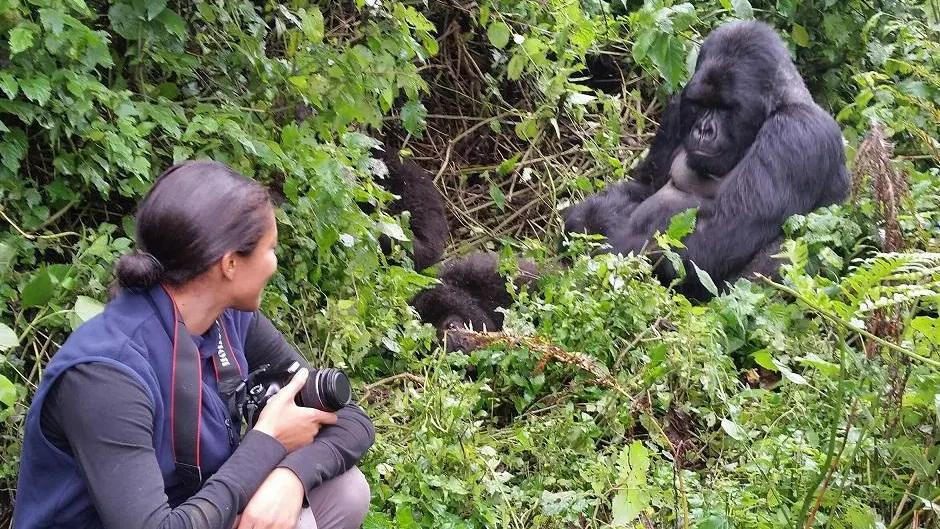
You will want to capture the moment you see the
gorillas, so bring a camera . However, using flash is strictly forbidden
because it can scare and disturb the animals . Turn off your camera's
flash before you get close to the gorillas. Because the forest is often dark
under the thick canopy, you should use a camera with a good zoom lens .
Bring extra memory cards and batteries because you cannot charge them in the
forest . Also, do not spend the whole hour looking through your
viewfinder. Take some pictures, then put the camera down to really see the
gorillas
9. Follow the
Guide's Instructions
Your park ranger or guide is the boss in the
forest . They are trained professionals who know the gorillas, the forest,
and how to handle any situation . You must listen to and follow all their
instructions without question . They will tell you when to stop, where to
stand, and what to do if a gorilla comes near you. If you do not listen, you
put yourself and the gorillas at risk. Remember to ask any questions you have
at the morning briefing before you start the trek. Once you are in the forest,
do exactly what the guide says
10. Good Health
and a Face Mask
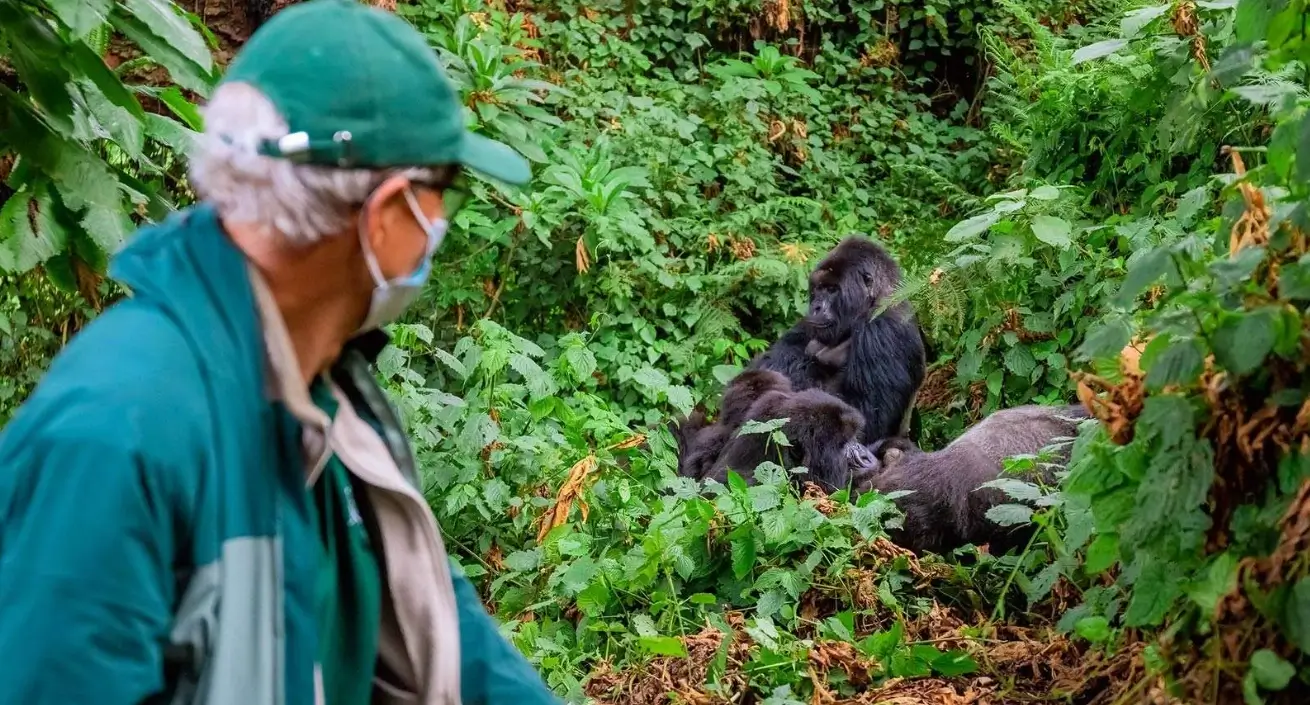
You must be in good health on the day of your
trek . Gorillas
are very similar to humans and can easily catch our diseases like the flu
or a cough . If you are sick, you will not be allowed to trek, as you
could infect and kill the gorillas . Be honest with your guide about how
you feel. You must also wear a face mask when you are close to the
gorillas . This is a strict rule to stop the spread of germs. The mask
should cover your nose and mouth for the entire hour you spend with them .
This measure protects the gorillas from respiratory illnesses.
Best time to go
trek Uganda gorillas
The best time for gorilla trekking in Uganda is
during the two dry seasons, from June to September and December
to February . During these months, you will find firmer and less muddy
trails, making the hike much easier and safer . The weather is more
predictable with clearer skies, which is also better for taking photos .
Because these conditions are ideal, this is the peak season, so you must book
your gorilla permit and accommodation many months in advance . It is also
possible to trek in the rainy seasons from March to May and October to
November . Trails become slippery and more difficult, but a major benefit
is fewer visitors, making it easier to get permits, and you may find lower
lodge prices
How to get there
for to trek Uganda gorillas
Most visitors travel to Uganda for gorilla trekking
by flying into Entebbe International Airport (EBB) near Kampala .
From Entebbe, you have two main choices to get to Bwindi Impenetrable National
Park: by road or air. A road trip takes about 8 to 10 hours, covering roughly
500 kilometers through towns like Masaka, Mbarara, and Kabale . The drive
is long, but you pass through beautiful countryside and can make stops at the
equator or other parks . A 4x4 vehicle is strongly recommended for the
final roads to the park . Flying is the fastest option. Domestic flights
from Entebbe or Kajjansi Airstrip to Kihihi or Kisoro airstrips take about 1 to
1.5 hours, followed by a short drive to your lodge . An increasingly
popular alternative is to fly into Kigali International Airport in Rwanda,
as the drive from there to Bwindi is shorter, at about 4 to 5 hours, making for
a more convenient start to your safari