
Dry Season from
June to September
The dry season from June to September is considered
the best time to visit Nyungwe
National Park because trails are less muddy and trekking conditions are
easier. Wildlife viewing is more predictable as animals gather in accessible
areas. Chimpanzee tracking is particularly rewarding during these months, with
higher chances of sightings. Visitors also enjoy comfortable daytime
temperatures, making hikes more pleasant. Choosing this period ensures a time
to visit Nyungwe National Park that balances accessibility, wildlife activity,
and traveler comfort.
Short Dry Season
of December to February
Another favorable time to visit Nyungwe
National Park is between December and February. This short dry season
offers clear skies and manageable trekking conditions. Birdwatchers benefit
from migratory species present during this period, adding variety to sightings.
The forest remains vibrant, and primate tracking is reliable. Visitors enjoy
fewer crowds compared to the longer dry season, making it ideal for those
seeking quieter experiences. Planning during this time to visit Nyungwe
National Park ensures rewarding wildlife encounters and comfortable exploration.
Wet Season from
March to May
The wet season from March to May is a challenging
yet rewarding time to visit Nyungwe National Park. Heavy rains make trails
slippery, but the forest becomes greener and more alive. Birdwatching is
excellent, with many species nesting during this period. Travelers who don’t
mind rain enjoy fewer visitors and lower accommodation rates. This time to
visit Nyungwe National Park suits adventurous travelers who value solitude and
vibrant forest scenery, even if trekking requires more effort.
Wet Season
October to November
October to November marks another rainy period,
offering a unique time to visit Nyungwe National Park. The forest is lush, and
bird activity is high, making it attractive for birdwatchers. While trekking
can be more difficult, the atmosphere is peaceful with fewer tourists.
Accommodation prices are often lower, appealing to budget-conscious travelers.
This time to visit Nyungwe National Park is best for those who prioritize
birdwatching and don’t mind occasional rain during their activities.
Chimpanzee
Tracking Considerations
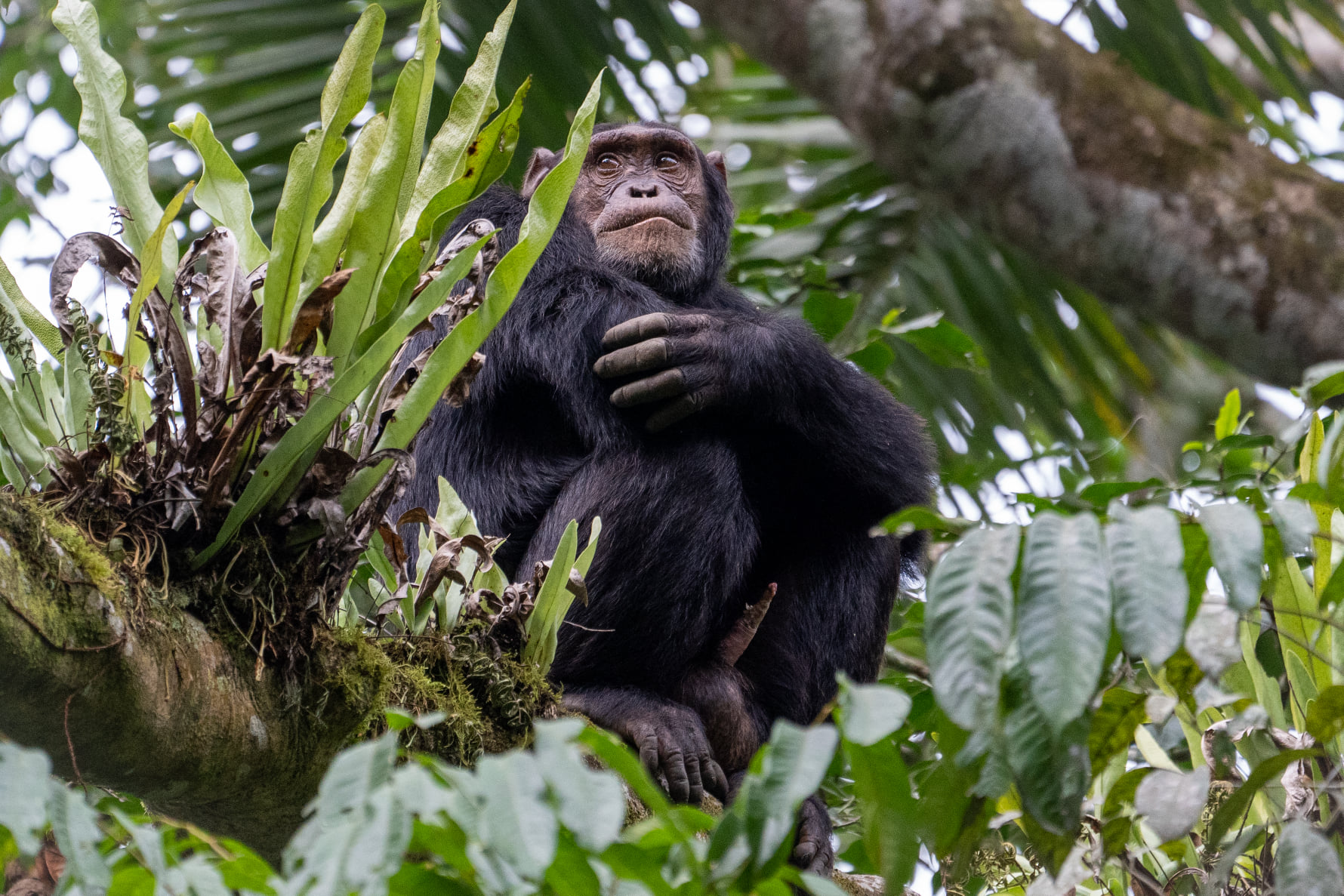
Chimpanzee tracking is a highlight, and the best time
to visit Nyungwe
National Park for this activity is during the dry seasons. Trails are
easier, and chimpanzees are more active in accessible areas. Guides lead small
groups, ensuring intimate experiences. During wet months, sightings are still
possible but more challenging due to dense vegetation. Choosing the right time
to visit Nyungwe National Park for chimpanzee tracking ensures higher success
rates and enjoyable trekking conditions.
Canopy Walkway
Experience
The canopy walkway is a major attraction, and the
dry season is the best time to visit Nyungwe National Park for this activity.
Clear skies provide better views of the forest and surrounding landscapes.
Visitors feel more comfortable walking the suspended bridge when conditions are
dry. During wet months, the walkway remains open but can be slippery. Planning
during the dry season ensures a safer and more enjoyable canopy experience, making
it a memorable time to visit Nyungwe National Park.
Overall
Recommendation
Overall, the dry seasons from June to September and
December to February are the best time to visit Nyungwe National Park for most
travelers. These months provide easier trekking, reliable wildlife sightings,
and comfortable weather. Wet seasons appeal to birdwatchers and budget
travelers but require more effort. Choosing the right time to visit Nyungwe
National Park depends on personal priorities, whether it’s chimpanzee tracking,
birdwatching, or enjoying the forest atmosphere. Careful planning ensures a
rewarding safari experience tailored to individual needs.
How to get there
to Nyungwe National Park
To get to Nyungwe
National Park, most travelers start from Kigali, Rwanda’s capital. The park
is about 225 kilometers away, and the drive takes roughly 5–6 hours. The route
passes through towns such as Huye, offering chances to stop for refreshments or
cultural visits. Private transfers, tour operators, or public buses can be
used, though organized safaris provide the most convenience. Alternatively,
flights from Kigali to Kamembe near Cyangugu shorten travel time, followed by a
road transfer to the park. This makes reaching Nyungwe National Park practical
whether by road or air, depending on budget and preference.
What are the
activities to do in Nyungwe National Park at best time
At the best time to visit Nyungwe National Park,
guests can enjoy a variety of rewarding activities. Chimpanzee tracking is the
highlight, with guided treks offering close views of habituated groups. The
canopy walkway provides a unique perspective of the forest from above,
especially enjoyable during dry months when conditions are safer. Birdwatching
is excellent year-round, with over 300 species recorded, making it ideal for
enthusiasts of rare sightings. Guided forest hikes allow exploration of diverse
plants, butterflies, and orchids. Cultural tours with nearby communities add
depth to the experience, offering insights into traditions and local life.
Photography opportunities are abundant, from primates to forest landscapes.
Choosing the right time to visit Nyungwe National Park ensures these activities
are accessible, comfortable, and tailored to traveler interests.
Booking to visit
Nyungwe with Zoophilist adventures and safaris
Booking your Nyungwe adventure with Zoophilist Adventures and Safaris
promises an immersive experience in one of Africa's oldest and most biodiverse
rainforests . Your safari will likely center on the park's world-renowned
primate trekking, where you can track habituated chimpanzee troops through
dense, misty jungle a challenging yet profoundly rewarding hike that brings you
face-to-face with humanity's closest relatives . Beyond chimps, you can
also seek out the massive troops of black-and-white Rwenzori colobus monkeys,
L'Hoest's monkeys, and other primate species that call this forest home .
To cap off your jungle experience, don't miss the thrilling Canopy Walkway, a
suspended bridge 50 meters above the forest floor that offers breathtaking
views and a unique perspective on the ecosystem . Between these
adventures, you can enjoy comfortable forest lodge accommodations, scenic
drives through Rwanda's "Land of a Thousand Hills," and optional
cultural visits to local tea plantations, making for a well-rounded and
unforgettable safari