
Game Drives and
big five tracking
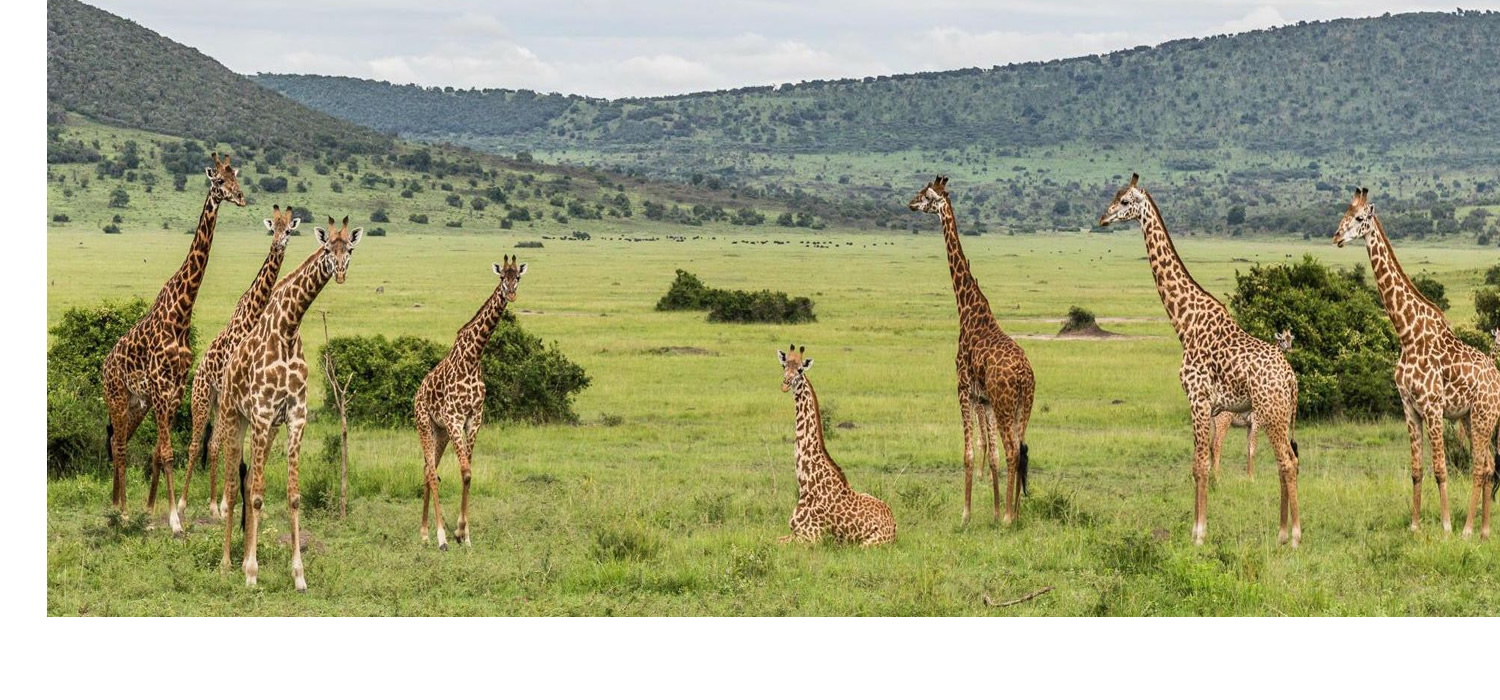
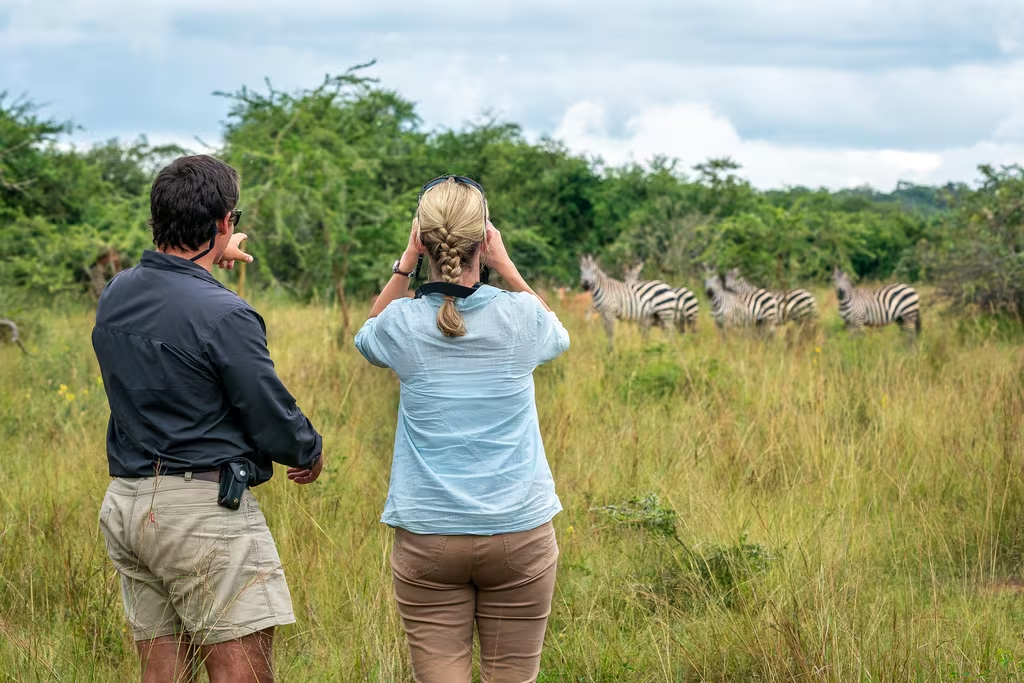
Game drives are the main way to see wildlife in Akagera
National Park. The park operates morning and late afternoon drives, which
are when animals are most active. You can spot the Big Five lion, rhino,
leopard, elephant, and buffalo along with giraffes, zebras, and many antelope
species including eland and sable. A 4x4 vehicle allows you to cover more
ground and access different habitats across the park's 1,120 square kilometres.
The open vehicle design gives you good views for photography. Many tour
operators include game drives in their safari packages, with departures
available from Kigali. For those with more time, a full-day drive allows you to
explore both the southern and northern sections of the park, where you will see
different landscapes and wildlife concentrations.
Boat Trips on
Lake Ihema
Lake Ihema, the second-largest lake in Rwanda, is
where you take a boat safari to see aquatic wildlife. Hippos surface near the
boat, and Nile crocodiles rest along the shores. The lake area has over 480
bird species, with sightings of African fish eagles and the rare shoebill stork
possible. Boats depart from the park's southern sector and offer a different
perspective compared to land-based game viewing. The boat trip takes about one
to two hours, depending on the package you choose. This activity works well for
travellers who want a break from driving. It also provides access to wildlife
that you cannot see on a game drive, such as waterbirds and semi-aquatic
animals.
Night Game
Drives
Night
game drives allow you to see nocturnal animals that are active after dark.
Using powerful spotlights, your guide will search for leopards, hyenas, civets,
and bush babies in their natural habitats. Lions, reintroduced to the park in
2015, are also sometimes seen hunting at night. The experience is different
from daytime drives because many animals behave differently once the sun goes
down. Night drives are available as an add-on activity to multi-day safari
packages, with departures from camps like Karenge Bush Camp or Magashi. This
activity works best for travellers spending at least one night inside the park.
It offers a practical way to see species that are rarely visible during the day.
Hot Air Balloon
Safaris
Hot air balloon safaris give you a view of Akagera
from above the savannah. The rides happen at sunrise when the air is calm, and you
can see the park's lakes, wetlands, and animals from the sky. Being airborne
shows you how the landscape connects, which is not visible from a vehicle.
After landing, the operator serves a bush breakfast and refreshments. This
activity is relatively new to Akagera but has grown in popularity because it
suits travellers wanting something different. You should book in advance as spaces
are limited. This option works for people who want to see the park's scale and
layout without spending a full day driving. It covers a wide area in a short
time.
Walking with
Rhino Trackers
Starting from July 2025, visitors can join
professional rhino trackers in Akagera to monitor the rhinos that were
reintroduced from South Africa. This activity lets you walk on foot while
trackers keep a safe distance from the rhinos. You will learn about the
animals' behaviour and the park's conservation efforts. It is a practical way
to see rhinos outside of a vehicle and understand how the staff manage their
protection. The walk is guided by experts who know the park's terrain and rhino
movements. You should confirm availability when booking, as the activity depends
on rhino locations. This suits travellers interested in conservation and who
want direct interaction with park operations.
Birdwatching
Tours
Akagera National Park has over 500 recorded bird
species, making it a prime location for birdwatching . The park's varied
habitats, including papyrus swamps, acacia woodlands, and lakes, support a wide
range of birds. The most sought-after species is the shoebill stork, which
lives in the dense papyrus swamps and is best spotted during a boat cruise on
Lake Ihema . Other key species include the papyrus gonolek, African fish
eagle, lilac-breasted roller, and grey crowned crane, which is Rwanda's national
bird . Birders can also see raptors like the bateleur eagle and martial
eagle across the open plains . The best time for birdwatching is during
the wet seasons from October to April when migratory birds from Europe and Asia
arrive in the park .
Community
Cultural Tours
Community cultural tours take you to villages near Akagera
National Park, where you can meet local people and learn about Rwandan
traditions . These tours last between one and three hours and cost about
$20 per person . You can visit dairy farms to learn about the importance
of cattle, try milking a cow, and see how milk is processed into ghee .
Other options include visiting a honey cooperative to sample honey, watching
locals brew banana beer called 'urwagwa', and seeing artisans make traditional
crafts like necklaces and Imigongo paintings from cow dung . A local guide
called John offers a community walking tour near Kayonza, visiting farms,
banana plantations, and artisan groups . These tours support the local
community directly
Behind the Scenes
Tours at Park Headquarters
A behind-the-scenes tour at Akagera National Park
gives you a look at how the park operates and its conservation work . You
visit the park headquarters and meet the staff, including anti-poaching rangers
and wardens who protect the wildlife . This tour is ideal for travellers
interested in learning about the park's history, the reintroduction of lions
and rhinos, and the daily work required to maintain the area . The
experience provides a practical understanding of the challenges and successes
of managing a protected wildlife area . You can book this tour at the park
reception, but minimum numbers may apply . It offers a different
perspective compared to a standard safari.
Walk the Line
(Perimeter Walk)
The "Walk the Line" activity lets you walk
along a section of the park's 120-kilometre fence line with a fence attendant
and an armed scout . The walk covers about 7 kilometres and takes
approximately two hours, following the fence outside the park into the
surrounding hills . You learn about the importance of the fence for
managing wildlife and preventing human-animal conflict, while also enjoying
wide views of the landscape . This activity suits travellers interested in
the practical side of conservation and park management. It gives you direct
insight into the daily efforts needed to protect the park's wildlife . A
guide and scout accompany you throughout the walk.
Catch-and-Release
Fishing
Fishing in the park's lakes, particularly on Lake
Rwanyakazinga, is offered as a catch-and-release activity . This is
available to guests staying at certain camps like Wilderness Magashi in the
northern sector . You can fish for species like catfish and tilapia,
spending an afternoon on the water while also seeing hippos, crocodiles, and
waterbirds . This activity provides a relaxing alternative to driving and
suits people who want a different experience. You should check availability
with your accommodation in advance, as it depends on location and time of
visit . The fishing is done with supervision from lodge staff.
When is the
Right time for activities in Akagera National park
The right time for activities in Akagera
National Park depends on what you want to do. For game drives (day
and night) and walking with rhino trackers, the dry seasons from June
to September and December to February are best because animals
gather around water sources, vegetation is thin, and roads are easy to drive.
For boat trips on Lake Ihema and birdwatching, the wet seasons
from March to May and October to November are better, as
water levels are high, birds are breeding, and migratory species are
present. Hot air balloon safaris run year-round but depend on calm
morning weather, which is more consistent in the dry months. Community
tours, behind-the-scenes visits, and walk the line can be done
any time, though rain may make walking trails muddy. Catch-and-release
fishing is usually offered during dry periods when lake conditions are
stable. Always check with your tour operator or lodge for specific activity
availability, as some depend on weather, animal movements, or minimum guest
numbers
How to get there
at Akagera National park
To get to Akagera National Park, you start from
Kigali, the capital of Rwanda . The drive from Kigali to the park's main
southern gate is about 110 kilometers and takes roughly 2.5 to 3 hours .
The route is well-paved for most of the way, but the final 28 kilometers and
all roads inside the park are dirt and gravel . Because of these road conditions,
a 4x4 vehicle is strongly recommended, especially during the rainy season when
the tracks become muddy and slippery . For an air option, Akagera Aviation
offers scenic helicopter flights from Kigali to the park, with the trip taking
about 15 to 20 minutes .