
The best time to visit Akagera
National Park for a classic safari experience is during the long dry
season, which runs from June to September. During these months, rainfall is
scarce, and the park's vegetation becomes thinner, which dramatically improves
visibility for wildlife viewing. As water sources dry up, animals are forced to
congregate around permanent water bodies like Lake Ihema and the Akagera River,
making them significantly easier to spot. This period offers the highest
chances of witnessing the park's "Big Five" and other savannah
wildlife.
Weather conditions are also most favourable for
travel during the June to September dry season. The days are warm with bright,
clear skies and pleasant temperatures, though mornings and evenings can be
quite cool. Road conditions are optimal, with minimal mud, allowing for smooth
and comfortable game drives across the park without weather interruptions. This
combination of clear skies, accessible roads, and concentrated wildlife makes
this the ideal time for photography enthusiasts. The long dry season is
undoubtedly the peak tourist period in Akagera National Park.
An alternative, and excellent, time to visit Akagera
National Park is the short dry season from December to February. This
period is a dry spell between the rainy seasons, offering similar advantages to
the long dry season, such as thinner vegetation and good wildlife visibility
around water sources. A key benefit of visiting during this time is that the
park tends to be less crowded than in the peak months of June to September,
providing a more exclusive safari experience. Newborn antelope are often
present, and it remains an easy trip to combine with gorilla trekking in other
parts of Rwanda.
For birding enthusiasts, the best time to visit
Akagera National Park is during the wet seasons. The short rains from October
to November and the long rains from March to May bring a burst of life and lush
greenery to the park. These months coincide with the arrival of migratory birds
from Europe and Asia, significantly boosting the number of species present. It
is also the breeding season for many resident birds, with herons, storks, and
cormorants displaying vibrant plumage.
However, the wet seasons present challenges for
general wildlife viewing in Akagera National Park. The vegetation becomes tall
and dense, which can obscure animals from view. The park's roads can also
become muddy and slippery, making navigation difficult and requiring a sturdy
4x4 vehicle. Wildlife is more widely dispersed as there is plentiful water and
fresh grazing across the park, making animals less predictable and harder to
locate.
Despite the challenges, the wet season has unique attractions. The park transforms into a landscape of breathtaking green scenery with dramatic skies, offering spectacular photographic opportunities that differ greatly from the dusty dry season. For dedicated bird watchers, the chance to see rare species like the elusive shoebill stork and the papyrus gonolek makes the wet months a truly rewarding time to visit. The lower number of tourists also results in a quieter and more intimate safari atmosphere, often with discounted rates at lodges.
Lastly, the optimal time to visit Akagera National Park depends on your priorities. For the best traditional game viewing with comfortable weather and easier road access, the dry seasons particularly June to September are unrivalled. If your primary interest is bird watching and you prefer lush, verdant landscapes over clear animal sightings, then the wet seasons are the perfect choice. Regardless of when you go, Akagera National Park offers a unique and unforgettable safari experience.
Ultimately, Akagera National Park is a year-round
destination, and each season offers a distinct perspective. The dry seasons
provide ease and predictability for classic safaris, while the wet seasons
offer a rich, vibrant environment for specialists like birdwatchers and
photographers. Planning your visit around your key interests will ensure you
have the most memorable experience in this remarkable Rwandan park.
How do travelers
get to Akagera National Park
The most common way to travel to Akagera National
Park is by road from Kigali, the capital of Rwanda. The journey starts at
Kigali International Airport, the main international gateway, and takes
approximately 2.5 to 3 hours to cover the roughly 110 to 120 kilometers to the
park . The route is straightforward, with roads that are well-paved for
the majority of the journey, though the final stretch and the roads inside the
park are often gravel, making a 4x4 vehicle highly recommended, especially
during the rainy season . Travelers have several options for this trip,
including hiring a private car and driver, joining a tour operator that
provides door-to-door service, or opting for a self-drive adventure using clear
signage and navigation apps . For a quicker and more luxurious arrival,
visitors can take a helicopter or charter flight from Kigali, which takes only
15 to 20 minutes .
What to do in Akagera
National Park Rwanda
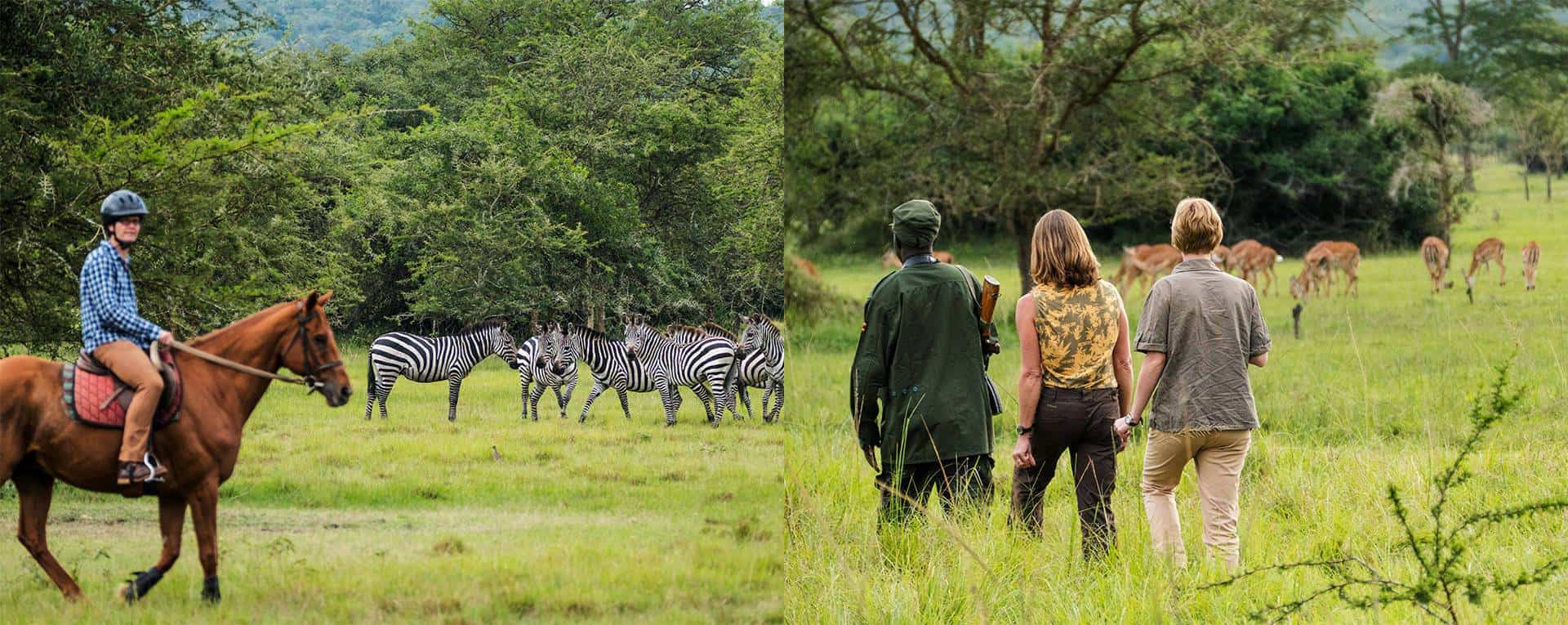
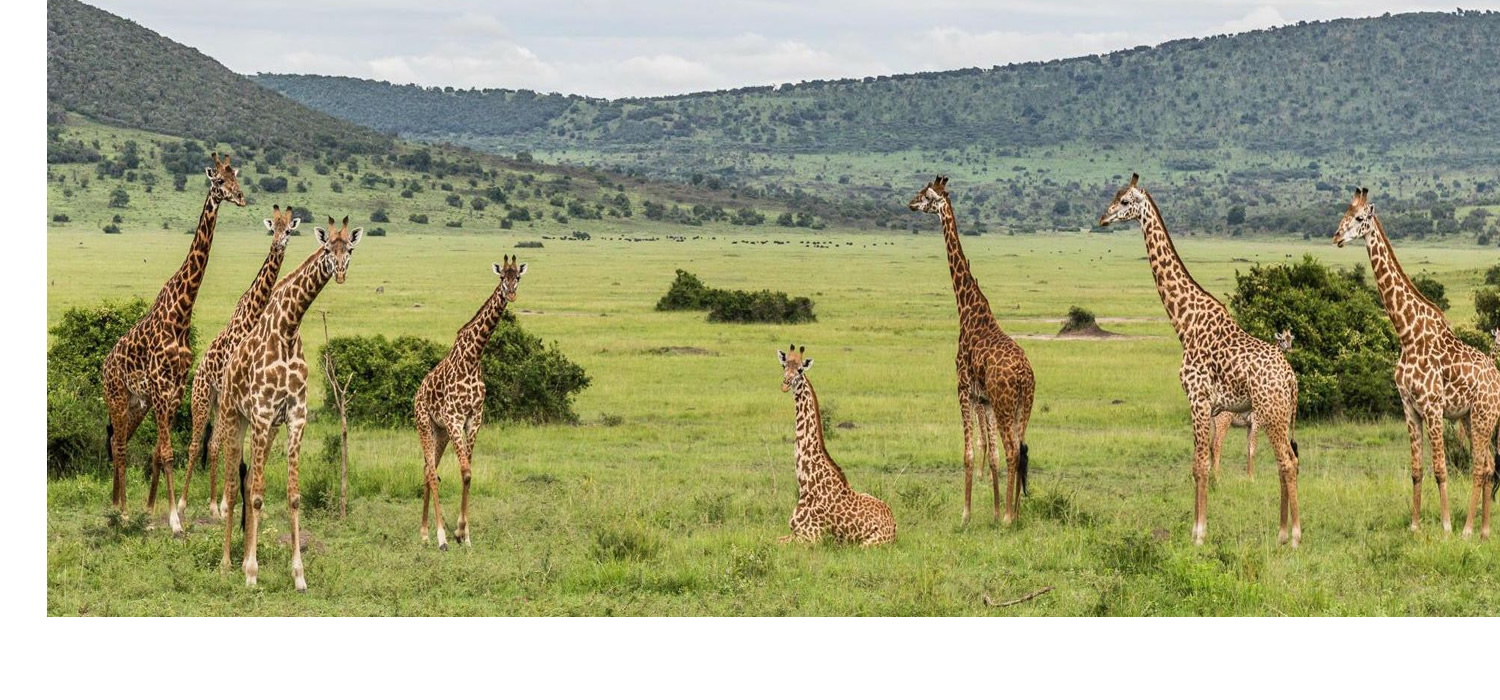
Akagera National Park offers a classic safari
experience centered on exploring its diverse landscapes to see the "Big
Five" lion, rhino, elephant, leopard, and buffalo making it Rwanda's
premier savannah destination. The most popular activities are game drives,
which can be done in the early morning, late afternoon, or at night to spot
elusive nocturnal animals, and boat trips on the park's lakes to view
hippos, crocodiles, and prolific birdlife. For a unique perspective, visitors
can now enjoy hot air balloon safaris at sunrise for breathtaking
aerial views, followed by a bush breakfast. The park also offers immersive
experiences like guided walking safaris to learn about smaller flora
and fauna, and the rare opportunity to walk with rhino trackers to
participate in conservation monitoring. A behind-the-scenes tour of
the park headquarters provides insight into its inspiring conservation efforts,
and cultural visits to nearby communities are also available