
A Rwanda safari experience offers a remarkable blend
of mountain gorilla trekking, wildlife viewing, rainforest adventures,
birdwatching, and cultural encounters. From the mist-covered slopes of Volcanoes
National Park to the wildlife-rich plains of Akagera National Park and the
ancient forests of Nyungwe, Rwanda provides diverse attractions within a
compact and easily accessible destination. Visitors can enjoy efficient travel,
excellent conservation programs, quality accommodation, and unforgettable
wildlife experiences. Understanding the best travel seasons, permit
requirements, packing essentials, and cultural opportunities helps travelers
prepare for a rewarding journey. Rwanda’s commitment to conservation and
sustainable tourism makes it one of Africa’s most attractive safari
destinations.
1. Rwanda Is One
of Africa’s Most Accessible Safari Destinations
Before planning a Rwanda
safari experience, it is important to understand why the country has become
one of Africa’s leading tourism destinations. Known as the "Land of a
Thousand Hills," Rwanda offers a combination of wildlife, mountain
gorillas, beautiful scenery, and rich cultural experiences within a compact and
well-developed country. Unlike larger safari destinations that require
extensive domestic travel, Rwanda allows visitors to reach major attractions
within a few hours from Kigali. The country's clean environment,
well-maintained roads, and strong conservation efforts contribute to a smooth
travel experience. Whether you are interested in gorilla trekking, wildlife
viewing, birdwatching, or cultural tourism, Rwanda provides a wide range of
experiences suitable for different travel styles. Its safety, organization, and
hospitality make it an excellent destination for first-time and returning
safari travelers.
2. Gorilla
Trekking Is Rwanda’s Main Attraction
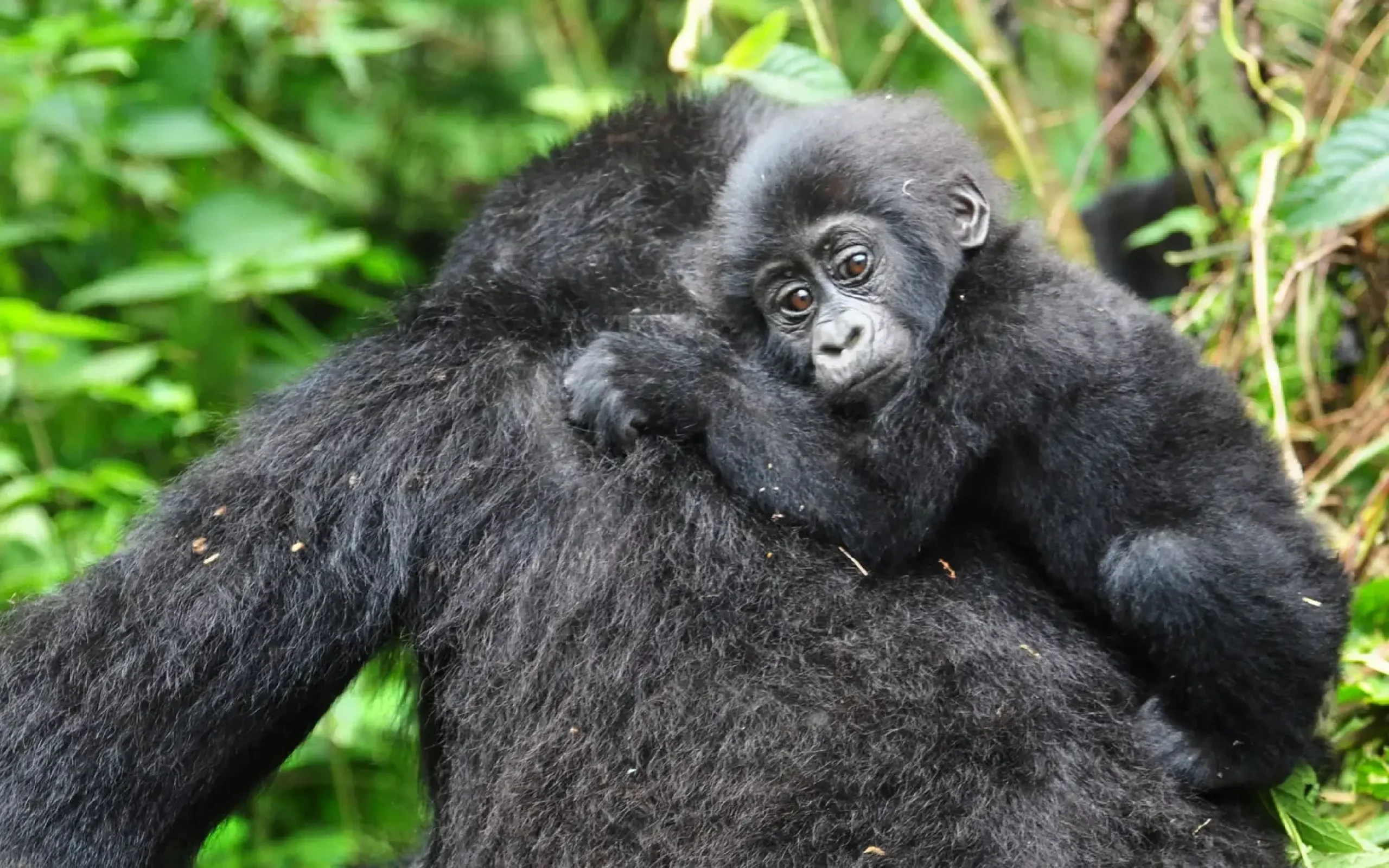
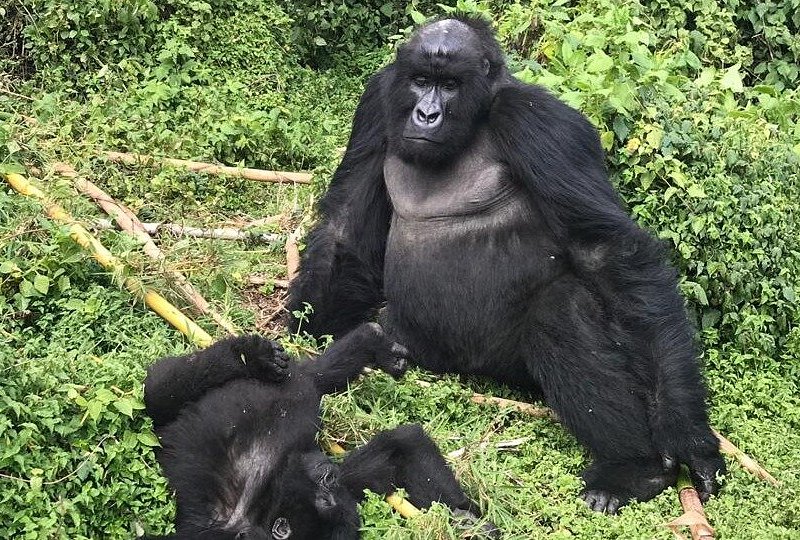
A Rwanda safari experience is most famous for
mountain gorilla trekking in Volcanoes National Park. The park protects a
section of the Virunga Mountains, home to endangered mountain gorillas. Gorilla
trekking allows visitors to spend one hour observing a habituated gorilla
family in its natural habitat. The experience provides opportunities to watch
gorillas feed, interact, care for their young, and move through the forest.
Permits are required and should be booked early because demand remains high
throughout the year. Treks vary in length depending on the gorillas' location
and can last from a few hours to most of the day. Experienced guides and
trackers lead every group to ensure safety and conservation compliance. For
many travelers, gorilla trekking becomes the highlight of their Rwanda safari
experience and often exceeds expectations.
3. Understanding
the Best Time to Visit Rwanda
Choosing the best travel season can greatly improve
a Rwanda
safari experience. Rwanda can be visited year-round due to its moderate
climate and favorable temperatures. However, the dry seasons from June to
September and December to February are generally considered ideal for gorilla
trekking and wildlife viewing. Trails are less muddy and accessibility within
national parks is improved. During the rainy seasons, the landscape becomes
greener and photography conditions can be excellent. Birdwatching is also
particularly rewarding during wetter months when migratory species are present.
Travelers should be aware that rain can occur even during dry periods because
Rwanda's mountainous terrain influences local weather patterns. Carrying
suitable rain gear at all times is recommended. Understanding seasonal
conditions helps visitors plan a Rwanda safari experience that matches their
interests and expectations.
4. Akagera
National Park Offers Classic Wildlife Safaris
Many travelers are surprised to learn that a Rwanda
safari experience includes traditional wildlife safaris alongside gorilla
trekking. Akagera National Park, located in eastern Rwanda, offers
opportunities to see the Big Five, including lions, elephants, leopards,
buffaloes, and rhinos. The park features open savannahs, lakes, wetlands, and
woodland habitats that support diverse wildlife populations. Game drives can
take place in the morning, afternoon, or evening depending on visitor
preferences. Boat cruises on Lake Ihema provide close views of hippos,
crocodiles, and numerous bird species. Akagera’s successful conservation
efforts have helped restore wildlife populations and strengthen Rwanda's safari
offering. Including Akagera National Park in a Rwanda safari experience creates
a balanced itinerary that combines mountain gorillas with classic African
wildlife viewing opportunities across different habitats.
5. Nyungwe
Forest Enhances the Safari Experience
Nyungwe Forest National Park is another destination
that deserves attention before your Rwanda safari experience. This ancient
rainforest is known for its biodiversity and excellent primate viewing
opportunities. Chimpanzee
tracking is a popular activity, allowing visitors to observe one of
humanity’s closest relatives in a natural forest environment. The park is also
home to several other primate species including colobus monkeys, L'Hoest's
monkeys, and vervet monkeys. Nature walks, birdwatching excursions, and the
famous canopy walkway provide additional activities for travelers seeking
variety. The elevated suspension bridge offers panoramic views across the
forest canopy and surrounding landscapes. Including Nyungwe Forest in a Rwanda
safari experience allows visitors to enjoy more than gorillas alone while
gaining a deeper appreciation for Rwanda’s forests and conservation
achievements.
6. Health and
Travel Requirements Should Be Planned Early
Proper preparation is essential for a successful
Rwanda safari experience. Travelers should review entry requirements well
before departure and ensure all necessary travel documents are valid.
Consulting a healthcare professional about recommended vaccinations and
preventive medications can help avoid travel disruptions. Malaria prevention
measures are recommended, particularly for visitors spending time in lower-altitude
locations. Travel insurance covering medical emergencies, trip interruptions,
and evacuation services provides valuable protection. Visitors should also
carry personal medications, insect repellent, sunscreen, and reusable water
bottles. Rwanda maintains high standards of cleanliness and public safety,
contributing to a comfortable travel environment. Following health guidelines
and preparing appropriately allows travelers to focus on enjoying their Rwanda
safari experience without unnecessary concerns about logistics or personal
well-being during the trip.
7. Packing
Correctly Improves Comfort Throughout the Safari
Packing appropriately contributes significantly to a
successful Rwanda safari experience. Lightweight clothing suitable for warm daytime
temperatures should be combined with warmer layers for cool mornings and
evenings, particularly in highland regions. Long-sleeved shirts and trousers
provide protection during forest treks and help reduce insect exposure.
Waterproof jackets are highly recommended because rainfall can occur
unexpectedly in mountainous areas. Comfortable hiking boots are essential for
gorilla and chimpanzee trekking activities where trails may become steep and
slippery. Travelers should also bring binoculars, cameras, spare batteries, and
memory cards to capture memorable wildlife moments. Gardening gloves can be
helpful during gorilla trekking because guides occasionally lead groups through
dense vegetation. Packing thoughtfully enhances comfort and ensures travelers are
fully prepared for every aspect of their Rwanda safari experience.
8. Cultural
Experiences Are an Important Part of Rwanda
A Rwanda safari experience extends beyond national
parks and wildlife encounters. The country provides meaningful cultural opportunities
that help visitors understand its heritage, traditions, and resilience. The
Iby'Iwacu Cultural Village near Volcanoes National Park allows travelers to
learn about traditional Rwandan life through dance, music, storytelling, and
craft demonstrations. Kigali also offers museums, memorial sites, and local
markets that provide valuable insights into Rwanda’s history and development.
Community tourism activities create opportunities for direct engagement with
local people while supporting livelihoods and conservation efforts. Many
travelers find these interactions to be among the most memorable parts of their
journey. Including cultural experiences in a Rwanda safari experience creates a
more complete understanding of the country and strengthens the connection
between tourism, conservation, and community development.
9. Rwanda Is
Ideal for Luxury and Short Safaris
One major advantage of a Rwanda safari experience is
the ease of combining multiple destinations within a limited timeframe. The
country's small size and efficient transportation network allow visitors to
travel between parks relatively quickly. This makes Rwanda particularly
attractive for travelers with shorter holiday schedules. Luxury safari lodges,
eco-friendly accommodations, and high-end gorilla trekking experiences have
positioned Rwanda as a premium tourism destination. However, mid-range and
budget options are also available for visitors seeking affordable travel
experiences. Travelers can comfortably combine Kigali, Volcanoes National Park,
Nyungwe Forest, and Akagera National Park within a single itinerary. This
convenience allows visitors to maximize their wildlife viewing and cultural
experiences while reducing long travel times compared to many other African
safari destinations.
10. Responsible
Tourism Supports Conservation Success
Responsible tourism plays a central role in every
Rwanda safari experience. Rwanda has invested heavily in conservation programs
that protect wildlife habitats and support local communities living near protected
areas. Gorilla tourism revenue contributes directly to conservation initiatives
and community development projects. Visitors can help support these efforts by
respecting wildlife viewing regulations, staying on designated trails, and
following guide instructions throughout their safari. Supporting local
businesses and community-based tourism projects further strengthens the
positive impact of tourism. Conservation success in Rwanda has demonstrated how
responsible travel can benefit both people and wildlife. By making
environmentally and socially conscious choices, travelers help maintain the
exceptional natural resources that define a Rwanda safari experience while
ensuring these attractions remain protected for future generations.