
A Uganda
safari experience offers a unique combination of wildlife viewing, mountain
gorilla trekking, chimpanzee tracking, birdwatching, and cultural encounters
across some of Africa’s most diverse landscapes. From the dense forests of
Bwindi Impenetrable National Park to the vast savannahs of Queen Elizabeth and
Murchison Falls National Parks, Uganda provides unforgettable opportunities for
nature lovers and adventure seekers. Before traveling, it is important to
understand the best time to visit, permit requirements, health preparations,
packing essentials, and available safari activities. Whether you are interested
in seeing the Big Five, trekking endangered gorillas, or experiencing authentic
local cultures, proper planning will help maximize your journey. This guide
covers everything you need to know before your Uganda safari experience,
ensuring a rewarding, safe, and memorable adventure in the Pearl of Africa.
1. Why Uganda Is
a Unique Safari Destination
Uganda is one of Africa’s most rewarding safari
destinations because it combines wildlife, primates, landscapes, and cultural
experiences within one country. Before planning a Uganda safari experience,
travelers should understand that Uganda offers much more than traditional game
viewing. The country is home to mountain
gorillas, chimpanzees, the Big Five, spectacular waterfalls, crater lakes,
and diverse birdlife. Unlike destinations that focus mainly on wildlife drives,
a Uganda safari experience provides opportunities for trekking, boat cruises,
nature walks, and community visits. The country’s relatively uncrowded parks
allow visitors to enjoy wildlife viewing without large tourist numbers. English
is widely spoken, making communication easier for international visitors.
Uganda’s warm hospitality, good road networks between major parks, and variety
of accommodation options make it suitable for both budget and luxury travelers.
2. Understanding
the Best Time to Visit Uganda
One of the most important things to know before a
Uganda safari experience is choosing the right season. Uganda can be visited
throughout the year due to its moderate equatorial climate. However, the dry
seasons from June to September and December to February are often preferred
because roads are easier to navigate and wildlife viewing conditions improve.
Gorilla trekking and chimpanzee tracking are also more comfortable during drier
months since forest trails become less muddy. The rainy seasons can still offer
excellent safari opportunities because landscapes are greener, birdwatching is
outstanding, and accommodation rates may be lower. Travelers should remember
that rain can occur at almost any time because of Uganda’s tropical climate.
Packing for changing weather conditions will help ensure a comfortable Uganda
safari experience regardless of the chosen travel season.
3. Gorilla
Trekking Is a Major Highlight
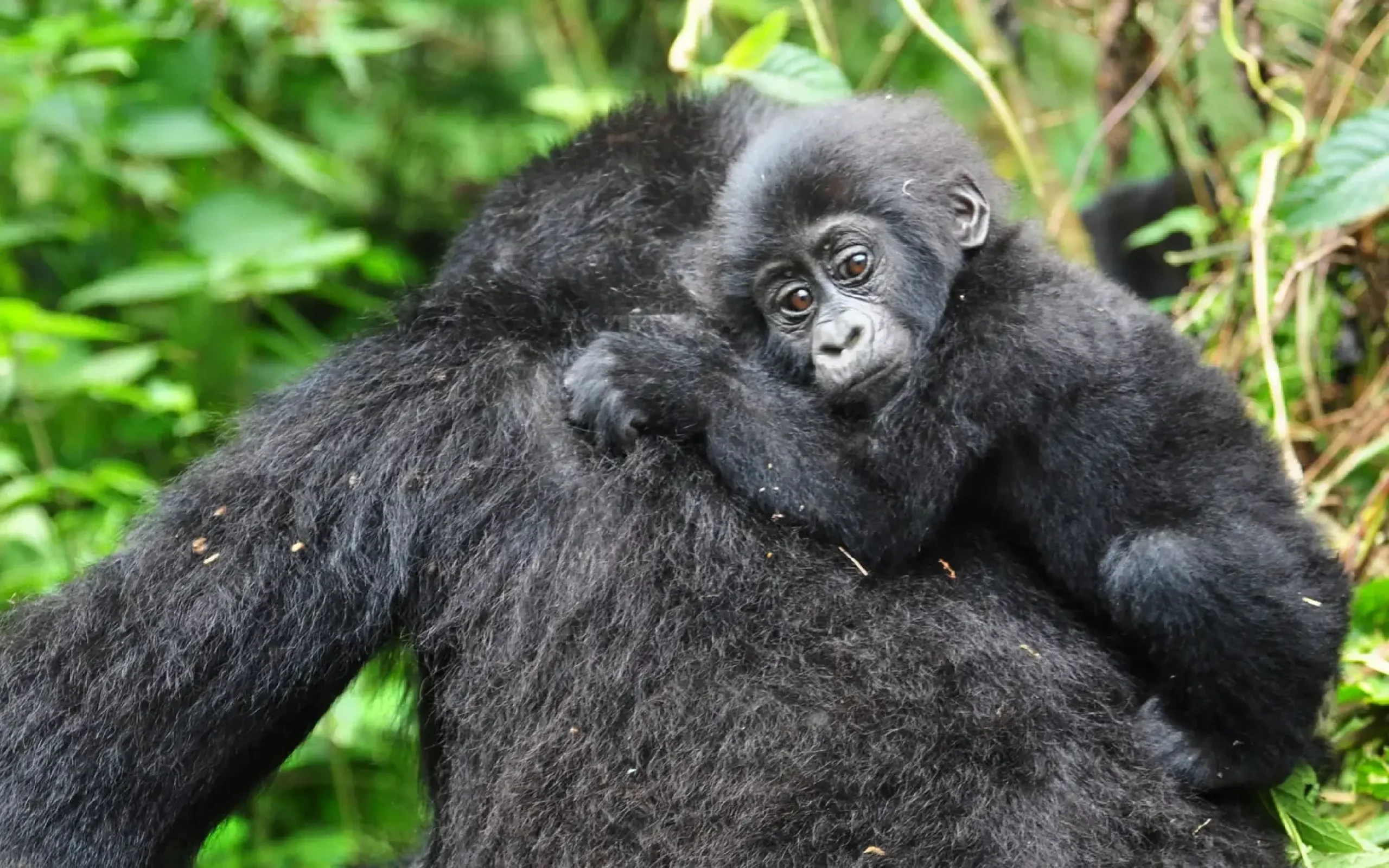
Many visitors choose a Uganda
safari experience specifically for mountain gorilla trekking. Uganda is
home to more than half of the world’s remaining mountain gorillas found in
Bwindi Impenetrable National Park and Mgahinga Gorilla National Park. Gorilla
trekking allows travelers to spend one unforgettable hour observing a
habituated gorilla family in its natural habitat. Permits are mandatory and
should be secured well in advance because availability can be limited during
peak travel periods. Treks vary in difficulty, ranging from a few hours to
nearly a full day depending on the gorillas’ location. Visitors should prepare
physically for uneven terrain and steep slopes. Despite the effort involved,
many travelers describe gorilla trekking as the most memorable part of their
Uganda safari experience because of the close interaction with these remarkable
primates.
4. Uganda Offers
Exceptional Wildlife Viewing
Although gorilla trekking receives considerable
attention, a Uganda safari experience also includes excellent wildlife viewing
opportunities. Parks such as Murchison Falls National Park, Queen Elizabeth
National Park, Kidepo Valley National Park, and Lake Mburo National Park
provide habitats for numerous animal species. Visitors can see elephants,
lions, buffaloes, leopards, giraffes, antelopes, and many other mammals. Queen
Elizabeth National Park is especially famous for its tree-climbing lions found
in the Ishasha sector. Murchison Falls National Park offers exceptional game
drives alongside views of the powerful Nile River. Kidepo Valley National Park
provides a remote wilderness feel and abundant wildlife. Combining gorilla
trekking with game drives allows travelers to enjoy a complete Uganda safari
experience that showcases both forest and savannah ecosystems. This diversity
is one reason Uganda stands out among African safari destinations.
5. Birdwatching
Opportunities Are Outstanding
Uganda is widely regarded as one of Africa’s premier
birdwatching
destinations. Before going on a Uganda safari experience, travelers should
know that the country hosts over 1,000 bird species, representing roughly half
of Africa’s bird population. Bird enthusiasts can search for iconic species
such as the shoebill stork, African fish eagle, gray crowned crane, and great
blue turaco. Wetlands, forests, lakeshores, and savannahs provide varied
habitats that support impressive bird diversity. Mabamba Swamp is among the
most popular locations for spotting the elusive shoebill. National parks such
as Queen Elizabeth, Bwindi, and Murchison Falls attract birdwatchers from
around the world. Even visitors who are not dedicated birders often become
interested because sightings occur throughout a typical Uganda safari
experience. Carrying binoculars can significantly enhance wildlife and bird
viewing opportunities during the trip.
6. Health and
Safety Preparations Matter
Proper preparation contributes greatly to a
successful Uganda safari experience. Travelers should consult healthcare
professionals before departure regarding recommended vaccinations and
preventive measures. A yellow fever vaccination certificate is usually required
for entry into Uganda. Anti-malaria precautions are also strongly recommended
due to the presence of malaria in many safari areas. Travel insurance that
covers medical emergencies and evacuation can provide valuable peace of mind.
Visitors should stay hydrated, use insect repellent, and wear sunscreen during
outdoor activities. Following guides’ instructions during gorilla treks, boat
cruises, and game drives enhances safety. Uganda is generally considered a
welcoming destination, but travelers should exercise normal precautions
regarding personal belongings. Taking time to prepare properly helps ensure
that the Uganda safari experience remains enjoyable, comfortable, and free from
unnecessary challenges throughout the journey.
7. Packing the
Right Gear Is Essential
Packing appropriately can make a significant
difference during a Uganda
safari experience. Neutral-colored clothing is recommended because it
blends with natural environments and helps avoid attracting insects.
Long-sleeved shirts and trousers offer protection during gorilla trekking and
evening activities. Comfortable hiking boots are necessary for forest treks,
while lighter walking shoes can be useful around lodges. A waterproof jacket is
important because weather conditions can change unexpectedly. Binoculars,
cameras, spare batteries, and memory cards help capture wildlife moments. A
small backpack is useful for carrying water, snacks, and personal items during
excursions. Travelers participating in gorilla trekking should consider bringing
gardening gloves to assist when moving through thick vegetation. Proper
preparation ensures comfort and convenience throughout every stage of a Uganda
safari experience, regardless of itinerary length or destination.
8. Cultural
Experiences Add Value to Your Journey
A Uganda safari experience is not limited to
wildlife and landscapes. The country has a rich cultural heritage represented
by numerous ethnic groups, traditions, languages, and local communities. Many
safari itineraries include opportunities to interact with local people through
village visits, cultural performances, craft workshops, and community tourism
initiatives. Around Bwindi, visitors can learn about the Batwa people and their
historical connection to the forest. Traditional music, dance, storytelling,
and local cuisine provide deeper insight into Uganda’s identity. Participating
in cultural activities supports community development and creates meaningful
exchanges between visitors and residents. These interactions often become
memorable highlights because they offer perspectives beyond wildlife viewing.
Including cultural experiences in a Uganda safari experience helps travelers
gain a broader appreciation of the country and its people while supporting
responsible tourism efforts.
9. Choosing the
Right Safari Itinerary
Selecting the right itinerary is a key step before
booking a Uganda safari experience. Travelers should consider their interests,
travel budget, available time, and preferred activities. Short itineraries of
three to five days may focus on gorilla trekking or one national park, while
longer trips allow exploration of multiple regions. A seven to ten-day safari
often combines gorilla trekking, chimpanzee tracking, wildlife viewing, and
boat cruises. Those interested in birdwatching or cultural tourism may require
additional days to maximize their experience. Accommodation options range from
budget lodges to luxury safari camps, making Uganda accessible to different
travel styles. Working with an experienced safari operator ensures efficient
logistics, reliable transportation, and suitable accommodation. Careful
planning allows visitors to enjoy a Uganda safari experience that matches their
goals while making the best use of their time.
10. Responsible
Travel Enhances Conservation Efforts
Before undertaking a Uganda safari experience,
travelers should understand the importance of responsible tourism. National
parks and conservation programs rely significantly on tourism revenue to
protect wildlife and support local communities. Following park regulations,
maintaining a respectful distance from animals, and avoiding littering help
preserve natural habitats. Gorilla trekking rules are particularly important
because mountain gorillas are vulnerable to human diseases. Supporting locally
owned businesses, purchasing authentic crafts, and participating in community
tourism activities contribute to sustainable development. Responsible travel
also encourages conservation awareness among visitors and residents alike.
Every traveler has an opportunity to make a positive impact through thoughtful
choices. By traveling responsibly, visitors help ensure that future generations
can continue enjoying the incredible wildlife, landscapes, and cultural
richness that make a Uganda safari experience truly special.