
A Tanzania safari experience offers some of Africa’s
finest wildlife adventures, including the Serengeti, Ngorongoro
Crater, the Great Migration, and diverse cultural encounters. Visitors can
enjoy exceptional game viewing, birdwatching, walking safaris, and scenic
landscapes across world-famous national parks and conservation areas.
Understanding the best travel seasons, essential packing requirements, health
preparations, and available safari activities helps travelers plan a rewarding
and seamless journey. Whether seeking luxury, adventure, photography, or family
travel, Tanzania provides unforgettable safari experiences supported by strong
conservation efforts and remarkable natural beauty.
1. Tanzania Is
One of Africa’s Premier Safari Destinations
Before planning a Tanzania
safari experience, it is important to understand why Tanzania consistently
ranks among Africa’s leading safari destinations. The country is home to some
of the continent’s most famous national parks, conservation areas, and wildlife
ecosystems. A Tanzania safari experience offers opportunities to see the Big
Five, witness the Great Migration, enjoy cultural encounters, and explore
diverse landscapes ranging from vast plains to volcanic highlands. Unlike many
destinations that focus on a single attraction, Tanzania combines multiple
safari experiences within one country. Visitors can enjoy game drives, walking
safaris, hot air balloon adventures, birdwatching, and beach extensions along
the Indian Ocean coast. The country's commitment to wildlife conservation and
sustainable tourism continues to make it a top choice for travelers seeking
authentic African safari experiences.
2. Understanding
the Best Time to Visit Tanzania
Choosing the right travel season can greatly enhance
a Tanzania
safari experience. Tanzania can be visited throughout the year, but the dry
season from June to October is often considered the best period for wildlife
viewing. During these months, vegetation is thinner and animals gather around
water sources, making sightings easier. The wet seasons bring greener
landscapes, excellent photography opportunities, and fewer visitors in some
parks. The timing of the Great Migration also influences travel decisions, as
herds move through different regions of the Serengeti throughout the year.
Travelers should understand that different parks offer unique experiences
depending on the season. Careful planning allows visitors to match their
interests with the best conditions. Understanding seasonal patterns is
essential for maximizing a Tanzania safari experience.
3. The Serengeti
Is the Heart of Tanzania Safaris
No Tanzania safari experience is complete without
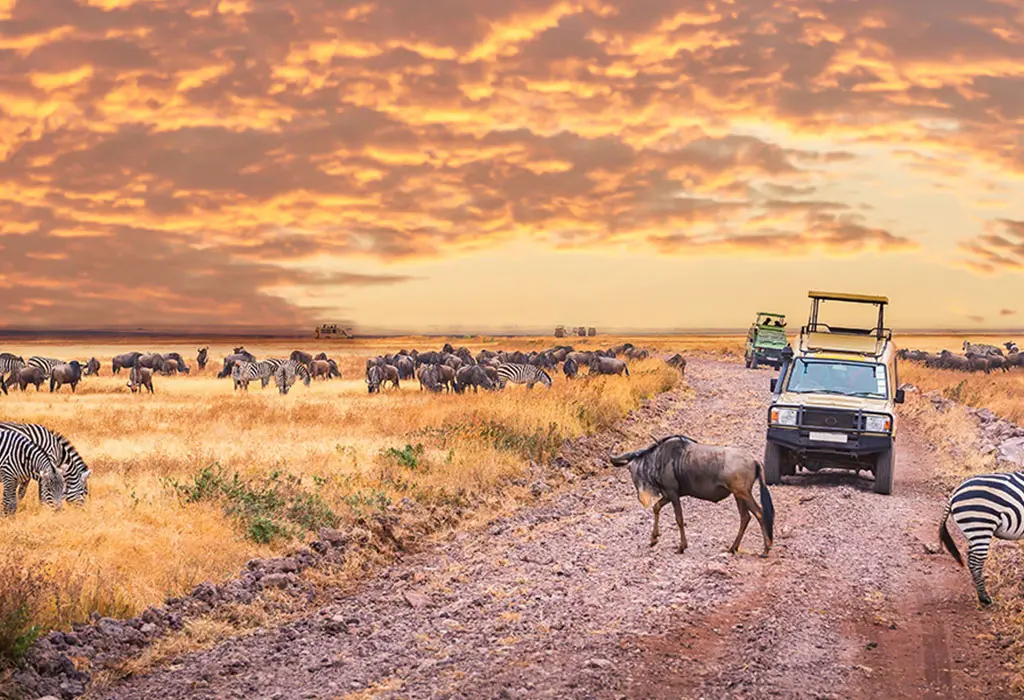
visiting Serengeti National Park. The Serengeti is one of the world's most
celebrated wildlife destinations and is famous for its vast open plains and
incredible animal populations. The park hosts large numbers of lions, leopards,
cheetahs, elephants, buffaloes, giraffes, and antelopes. It is also the stage
for the Great Migration, where millions of wildebeests and zebras move across
the ecosystem in search of fresh grazing areas. Every part of the Serengeti
offers exceptional game viewing opportunities throughout the year. Visitors can
enjoy sunrise and sunset game drives, photography safaris, and hot air balloon
experiences over the plains. For many travelers, the Serengeti becomes the
defining highlight of a Tanzania safari experience due to its remarkable
wildlife density and scenery.
4. The Great
Migration Is a Major Attraction
One of the most important things to know before a
Tanzania safari experience is the significance of the Great Migration. This
natural movement involves millions of wildebeests, zebras, and gazelles
traveling through the Serengeti ecosystem in search of fresh pasture and water.
Different stages of the migration occur throughout the year, making timing an
important consideration when planning a safari. The dramatic river crossings,
predator-prey interactions, and enormous herds create unforgettable wildlife
moments. Many travelers specifically choose a Tanzania safari experience to
witness this remarkable natural phenomenon. While the migration is often
highlighted, Tanzania offers exceptional wildlife viewing even outside
migration periods. Understanding the movement patterns of the herds helps
visitors select the best itinerary and location for their preferred safari
experience.
5. Ngorongoro
Crater Offers Exceptional Wildlife Viewing
The Ngorongoro Crater is another must-see
destination during a Tanzania
safari experience. Formed by the collapse of a giant volcanic caldera, the
crater supports a rich concentration of wildlife within a relatively compact
area. Visitors have opportunities to see lions, elephants, buffaloes, hyenas,
zebras, wildebeests, and even endangered black rhinos. The unique geography
creates ideal wildlife viewing conditions because animals remain within the
crater throughout the year. Scenic viewpoints along the crater rim provide
breathtaking panoramas before descending to the floor for game drives. The
combination of wildlife, landscapes, and geological significance makes
Ngorongoro one of Africa's most remarkable safari destinations. Including the
crater in a Tanzania safari experience allows travelers to experience a diverse
ecosystem and exceptional wildlife sightings within a single location.
6. Tanzania
Offers Diverse Safari Experiences
A Tanzania safari experience extends beyond
traditional game drives. The country offers a variety of activities that cater
to different travel interests. Walking safaris in parks such as Nyerere
National Park allow visitors to experience nature on foot with trained guides.
Boat safaris provide opportunities to observe hippos, crocodiles, and birdlife
from the water. Birdwatchers can enjoy the presence of hundreds of species
found throughout the country’s wetlands, forests, and savannahs. Cultural
experiences with Maasai communities offer insights into local traditions and
lifestyles. Photographers benefit from dramatic landscapes and abundant
wildlife opportunities. Some travelers also combine mountain adventures,
including Mount Kilimanjaro, with safari itineraries. This diversity ensures
that every Tanzania safari experience can be customized according to personal
interests and travel goals.
7. Health and
Safety Preparations Are Important
Preparing adequately is essential before beginning a
Tanzania
safari experience. Travelers should consult healthcare professionals
regarding recommended vaccinations and preventive health measures before
departure. Malaria prevention is recommended in many safari regions, and
travelers should carry insect repellent for additional protection. Travel
insurance covering medical emergencies and evacuation is strongly advised.
Staying hydrated, applying sunscreen, and wearing protective clothing can help
travelers remain comfortable during outdoor activities. Tanzania is generally
considered a welcoming destination for tourism, but standard travel precautions
should always be followed. Visitors should keep valuables secure and follow
guidance from safari guides and lodge staff. Proper preparation allows
travelers to focus on enjoying wildlife encounters and natural attractions
without unnecessary disruptions during their Tanzania safari experience.
8. Packing
Correctly Enhances Your Safari
Packing wisely contributes significantly to a
successful Tanzania safari experience. Neutral-colored clothing is often
recommended because it blends into natural surroundings and remains practical
for wildlife viewing. Lightweight clothing works well during warm daytime
conditions, while a fleece or light jacket can be useful during cool mornings
and evenings. Comfortable walking shoes are ideal for camp activities and
nature walks. Binoculars greatly improve wildlife viewing opportunities, while
cameras help capture memorable safari moments. Travelers should also pack
sunscreen, sunglasses, insect repellent, and personal medications. Those
visiting multiple regions should prepare for varying weather conditions. A
small daypack can be useful for carrying essentials during excursions. Proper
packing ensures comfort throughout the entire Tanzania safari experience,
whether traveling in the Serengeti, Ngorongoro, or other safari areas.
9. Cultural
Encounters Add Depth to the Journey
A Tanzania safari experience becomes even more
rewarding when travelers include cultural interactions alongside wildlife
activities. Tanzania is home to more than one hundred ethnic groups, each
contributing unique traditions, languages, and customs. Visits to Maasai
communities are among the most popular cultural experiences, allowing visitors
to learn about traditional lifestyles, livestock management, and cultural
practices. Local markets, village visits, and cultural centers provide further
opportunities to understand the country’s heritage. These interactions create
meaningful connections between visitors and local communities while supporting
community-based tourism initiatives. Cultural experiences help travelers
appreciate the human side of Tanzania in addition to its wildlife attractions.
Including these encounters in a Tanzania safari experience creates a more
balanced and memorable understanding of the destination.
10. Responsible
Tourism Supports Tanzania’s Wildlife Future
Responsible tourism plays a crucial role in preserving the natural beauty that defines a Tanzania safari experience. Tourism revenue contributes significantly to wildlife conservation, habitat protection, and community development programs throughout the country. Visitors can support these efforts by following park regulations, maintaining respectful wildlife viewing distances, and minimizing environmental impact. Choosing responsible tour operators and environmentally conscious accommodations further supports sustainable tourism practices. Purchasing locally made products and participating in community-based tourism initiatives also benefits local livelihoods. Conservation success depends on cooperation between governments, communities, tourism stakeholders, and visitors. Every traveler has an opportunity to contribute positively through thoughtful and responsible choices. By practicing responsible tourism, visitors help ensure that future generations can continue enjoying the remarkable wildlife and landscapes that make a Tanzania safari experience extraordinary.