
1. A Remarkable
Conservation Success Story
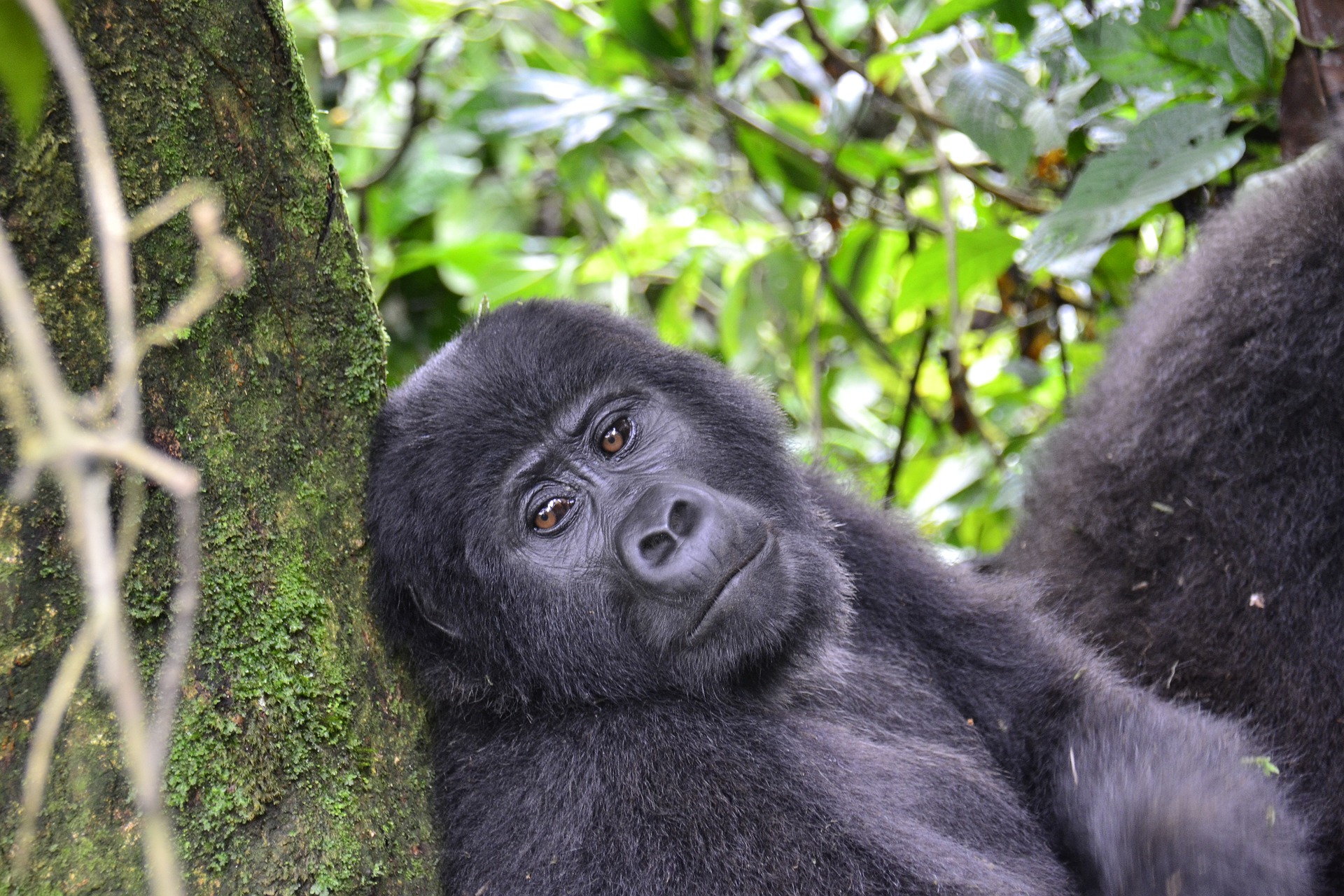
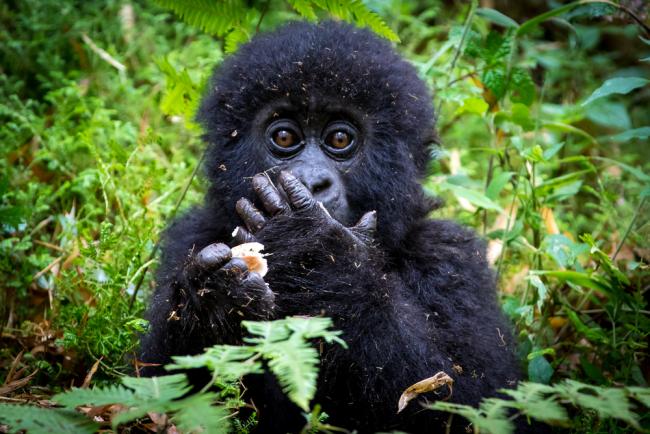
Mountain gorillas were once critically endangered, with fewer than 600
individuals remaining in the wild during the 1990s due to habitat loss,
poaching, and civil unrest. However, decades of dedicated conservation efforts,
including anti-poaching patrols, veterinary interventions, and community
engagement, have reversed this decline. Today, the population has surpassed
1,000 individuals across the Virunga Massif and Bwindi
Impenetrable Forest. This remarkable recovery led the International Union
for Conservation of Nature to reclassify mountain gorillas from critically
endangered to endangered in 2018. The success story demonstrates how
collaborative conservation between governments, NGOs, and local communities can
bring a species back from the brink of extinction.
2. They Are
Found in a Unique Home
In Rwanda, mountain gorillas are found exclusively in Volcanoes National Park,
a protected area of 160 square kilometers in the northwest of the country. This
park forms the Rwandan portion of the Virunga Massif, a chain of eight extinct
volcanoes that stretches across Rwanda, Uganda, and the Democratic Republic of
Congo. The gorillas inhabit the park's dense bamboo and montane forests at
altitudes ranging from 2,400 to 4,000 meters above sea level. This
high-altitude environment is characterized by misty slopes and thick
vegetation, providing the gorillas with their preferred habitat. The Virunga
Massif as a whole is home to roughly half of the world's remaining mountain gorilla
population.
3. A Growing
Population
The most recent population estimate for the Virunga Massif, which includes
Rwanda's Volcanoes National Park, stands at 669
mountain gorillas. This figure represents a significant increase from
previous decades and reflects the effectiveness of ongoing conservation
measures in the region. The population growth is the result of coordinated
efforts by the governments of Rwanda, Uganda, and the Democratic Republic of
Congo, alongside NGOs and local communities. Regular census counts are
conducted to monitor the gorillas' numbers and health, providing crucial data
for management decisions. The steady growth of this population is a testament
to the success of ecotourism and conservation initiatives in the area.
4. Led by a
Silverback
Mountain gorillas live in stable, cohesive family groups that are typically led
by a dominant older male known as a silverback, named for the distinctive patch
of silver-gray hair that develops on his back as he matures around age 12. The
silverback is the group's undisputed leader, responsible for making all major
decisions, including where the group will feed and rest each day. He also
serves as the primary protector, defending his family from threats such as
predators, rival gorillas, and poachers. Silverbacks can weigh up to 200
kilograms and possess immense physical strength, but they are also gentle and
patient with their group members, particularly the young.
5. Our Close
Genetic Relatives
Mountain gorillas share approximately 98% of their DNA with humans, making them
one of our closest living relatives alongside chimpanzees and bonobos. This
remarkable genetic similarity explains their complex social behaviors,
emotional expressions, and even their ability to use tools. The close genetic
connection also means that gorillas are susceptible to many human diseases,
which is why strict health protocols are enforced during trekking experiences,
including a minimum viewing distance of seven meters. Their DNA similarity has
also made them invaluable for medical and scientific research, providing
insights into human evolution and disease. This profound connection underscores
the ethical responsibility to protect these magnificent creatures.
6. A Significant
Tourism Driver
Gorilla trekking is Rwanda's flagship ecotourism experience, attracting tens of
thousands of international visitors each year to Volcanoes
National Park. The high cost of gorilla permits, currently set at $1,500
per person, generates substantial revenue that is reinvested into conservation,
park management, and community development. By law, ten percent of all tourism
revenue is allocated directly to local community projects, including schools,
healthcare, and infrastructure. This creates a powerful economic incentive for
communities to protect gorillas and their habitat. The success of gorilla
tourism has made it a cornerstone of Rwanda's broader tourism strategy and
economic development.
7. Celebrated
with a National Ceremony
Every year, Rwanda holds Kwita Izina, a nationally celebrated gorilla-naming
ceremony for newborn gorillas in Volcanoes National Park. Modeled after
traditional Rwandan naming ceremonies for children, Kwita Izina has been held
annually since 2005 and has become a major event on the country's cultural
calendar. The ceremony attracts international dignitaries, celebrities, and
conservationists who are invited to name baby gorillas, raising global
awareness for gorilla conservation. Kwita Izina celebrates the birth of new
gorillas and serves as a powerful symbol of Rwanda's commitment to protecting
its natural heritage. The event has named over 300 gorillas since its
inception.
8. Vulnerable to
Human Threats
Despite conservation successes, mountain gorillas remain vulnerable to human
threats, including habitat encroachment, illegal hunting, and diseases. The
high human population density around Volcanoes National Park creates ongoing
pressure on gorilla habitat through agriculture, infrastructure development,
and resource extraction. Gorillas are also at risk from snares set for other
animals, which can injure or kill them. The close genetic similarity between
humans and gorillas means that gorillas can contract human respiratory
illnesses, which can be fatal. To address these challenges, Rwanda is expanding
the park by approximately 25 percent to create more space for the growing
gorilla population and reduce human-wildlife conflict.
9. They Live in
a Small but Crucial Area
Mountain gorillas in Rwanda are confined to a relatively small but critical
area within Volcanoes National Park, covering just 160 square kilometers. This
limited range supports a significant proportion of the world's mountain gorilla
population, making the park's protection vital for the species' long-term
survival. The high population density around the park's boundaries creates
ongoing competition for land between humans and wildlife, requiring careful
management and community engagement. To address this, Rwanda has implemented
community-based conservation programs that provide alternative livelihoods for
local residents. The park's expansion initiative aims to create a larger buffer
zone, reducing human-wildlife conflict and securing the gorillas' future.
10. Pioneered by
Dian Fossey
The renowned primatologist Dian Fossey arrived in Rwanda in 1967 to study
mountain gorillas in the Virunga Volcanoes, establishing the Karisoke Research
Center as her base. Her groundbreaking research provided the first
comprehensive understanding of gorilla behavior, social structure, and ecology,
challenging many misconceptions about these animals. Fossey was a fierce
advocate for gorilla protection, actively combating poaching and habitat
destruction. Her book "Gorillas in the Mist" brought international
attention to the plight of mountain gorillas, inspiring global conservation
efforts. Though she was tragically killed in 1985, her legacy endures through
the ongoing research and conservation work at Karisoke.
Best time to see
Rwanda gorillas
The best time to see Rwanda's mountain gorillas is
during the dry seasons, which run from June to September and December
to February. During these months, rainfall is minimal, resulting in firmer,
less slippery trails that make the hike through Volcanoes
National Park significantly easier and more comfortable. The drier weather
also means clearer skies and better visibility, which is ideal for both
spotting the gorillas and capturing stunning photographs. While gorilla
trekking is possible year-round, the rainy seasons from March to May and
October to November bring heavy downpours, making trails muddy and the trek
more physically demanding. However, these wetter months offer lush, vibrant
scenery and fewer tourists. Regardless, gorilla permits are in high demand, and
if you plan to visit during the peak dry months, you should book your permits
and accommodation well in advance
How to get there
to see gorillas in Rwanda
To see the gorillas in Rwanda, most travelers begin
their journey by flying into Kigali International Airport, which is served
by major international airlines. From Kigali, the journey to Volcanoes
National Park is a scenic drive of approximately 2 to 2.5 hours along
well-paved roads covering a distance of about 110 to 120 kilometers. The most
convenient and common option is a private transfer in a 4x4 vehicle
with a driver-guide, which can be arranged by a tour operator; this allows for
a flexible schedule and door-to-door service. For more budget-conscious
travelers, public buses run from Kigali to the nearby town of Musanze, but they
require additional transport to reach the park headquarters, making them less
suitable for early morning treks. Self-driving is also possible, though a 4x4
is recommended. A more exclusive option is a helicopter transfer, which takes
approximately 25 minutes
Why book Rwanda gorillas
in Zoophilist adventures and safaris
While specific details about Zoophilist Adventures and Safaris
were not found in the search results, booking with a reputable local operator
like them is generally the best way to plan a successful gorilla trek. We
typically manage all the complex logistics on your behalf, from securing highly
sought-after gorilla permits and arranging comfortable 4x4 transportation to
booking quality accommodations near Volcanoes National Park . Such a
company will likely offer customizable itineraries that combine gorilla
trekking with other activities like golden monkey tracking, and they provide
expert guides who are deeply knowledgeable about the forest and its
wildlife . By handling every detail from the moment you arrive, a local
operator ensures your journey is seamless, safe, and truly unforgettable