
Yes, you will almost certainly see the gorillas
during a Uganda
gorilla trekking tour. The success rate is over 95 percent because park
rangers track each gorilla family daily and guide you directly to their
location. You do not search blindly. The experience happens in Bwindi
Impenetrable National Park or Mgahinga Gorilla National Park, where you hike
through thick forest to spend one hour with a gorilla family. You must be at
least fifteen years old, healthy, and physically fit for the trek. The permit
costs USD 800 for foreign non-residents and must be booked in advance. Dry
seasons from June to August and December to February offer the easiest trekking
conditions, but you can go all year round. Wear good boots, long clothes, and
hire a porter if needed. Your money directly supports gorilla conservation and
local communities.
Your Chance of
Seeing Gorillas Is Very High
Your chances of seeing the gorillas during a Uganda
gorilla trekking tour are extremely good, over 95 percent. Park rangers
track each gorilla family every day and know their location before you set out.
The trackers go into the forest at dawn and use radios to guide your group
directly to where the gorillas spent the night. This means you are almost
certain to find them during your Uganda gorilla trekking tour. You will not
wander blindly through the forest hoping for luck. The system is well organised
and designed to give you a real sighting.
Where Gorilla
Trekking Happens in Uganda
You do gorilla trekking in two national parks.
Bwindi Impenetrable National Park holds about half of all the world's mountain
gorillas. Mgahinga Gorilla National Park also has gorillas, but these animals
sometimes cross the border into Rwanda or Congo. Bwindi is where most visitors
go for their Uganda gorilla trekking tour. The park has four different sectors
to start from, each with its own gorilla groups. Your permit will tell you
which sector and which gorilla family you will visit.
What the
Trekking Experience Involves
A Uganda gorilla trekking tour involves hiking
through thick rainforest on steep and muddy trails. The trek can take anywhere
from thirty minutes to over six hours, depending on where the gorillas moved
overnight. You walk at a steady pace with breaks, and porters are available to
carry your backpack for a fee. The terrain is challenging but not technically
difficult for someone with basic fitness. You do not need to be an athlete to
complete a Uganda gorilla trekking tour.
What Happens
When You Find the Gorillas
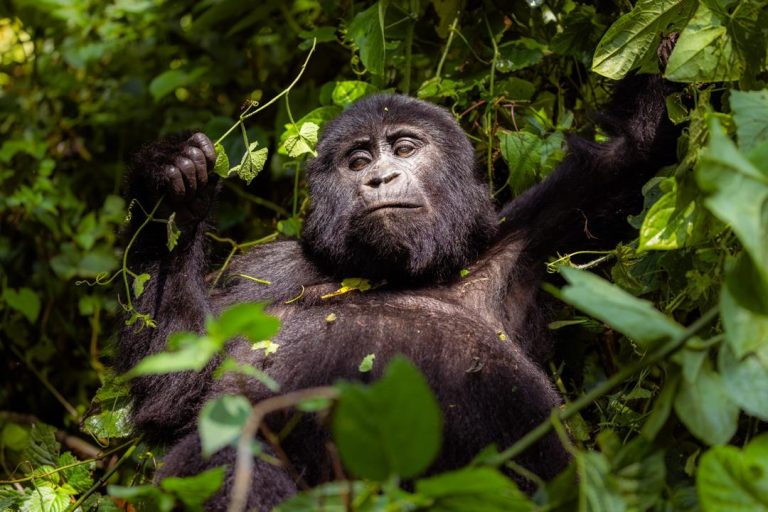
When your group finds the gorilla family, you get
exactly one hour with them. You must stay at least seven metres away from the
animals to prevent disease transmission. You watch the gorillas feed, groom
each other, rest, and play. You may see the silverback male leading and
protecting his family. No flash photography is allowed, and you must not make
direct eye contact with the gorillas. Your guide will explain each gorilla
family's history and behaviour during your hour.
Important Rules
for Gorilla Trekking
You must be at least fifteen years old to go on a Uganda
gorilla trekking tour. If you have any illness like flu or cough, you
cannot participate because gorillas catch human diseases easily. You must wear
a face mask in some parks to protect the gorillas. You cannot eat, drink, or
smoke near the gorillas. Groups are limited to eight visitors per gorilla
family each day. These strict rules help keep the gorillas healthy and reduce
their stress.
What a Gorilla
Permit Costs and How to Book
You need a gorilla permit to do a Uganda gorilla
trekking tour, costing USD 800 for foreign non-residents. This permit price is
lower than in Rwanda, where permits cost USD 1500. You must book your permit
well in advance because numbers are strictly limited each day. The permit is
non-transferable and non-refundable once purchased. Your tour operator usually
handles the permit booking for you. Do not wait until you arrive in Uganda to
buy your permit.
The Best Time
for Your Trekking Tour
The dry seasons from June to August and December to
February give you the best conditions for a Uganda gorilla trekking tour. The
trails are less slippery and easier to walk on during these months. The rainy
seasons from March to May and October to November make the forest muddier and
the trekking harder. However, you can still do gorilla trekking all year round.
Fewer tourists visit during the wet months, so permits are easier to get.
How to Prepare
for Your Gorilla Trek
Wear long trousers, long-sleeved shirts, and sturdy
hiking boots for your Uganda
gorilla trekking tour. Bring a waterproof jacket because rain can come at
any time. Gardening gloves help you grip vegetation while walking. Hire a
porter to carry your daypack and help you on difficult sections of the trail. A
walking stick is provided to help with balance on steep slopes. Bring insect
repellent and a reusable water bottle. Your physical fitness should be moderate
to manage several hours of walking in the forest