
1. Chimpanzee
Tracking
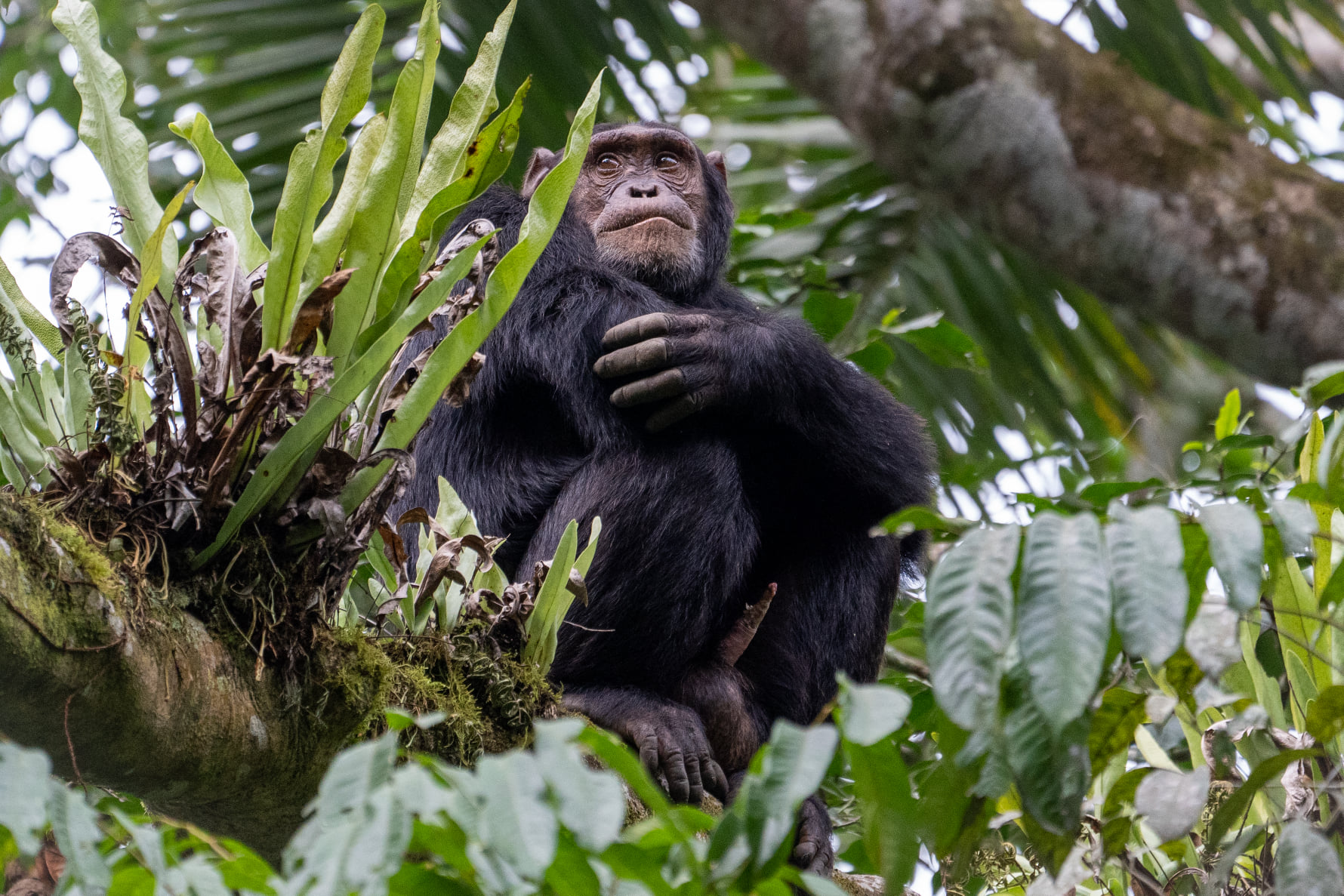
Chimpanzee tracking is the most popular activity in
Nyungwe, offering guided treks to see habituated groups in their natural
habitat. Visitors walk through forest trails with experienced guides who
explain primate behavior and forest ecology. The activity requires moderate
fitness, as treks can last several hours. Early mornings are best for
sightings, and permits must be booked in advance. This experience provides a
close look at chimpanzees while supporting conservation efforts.
2. Canopy
Walkway
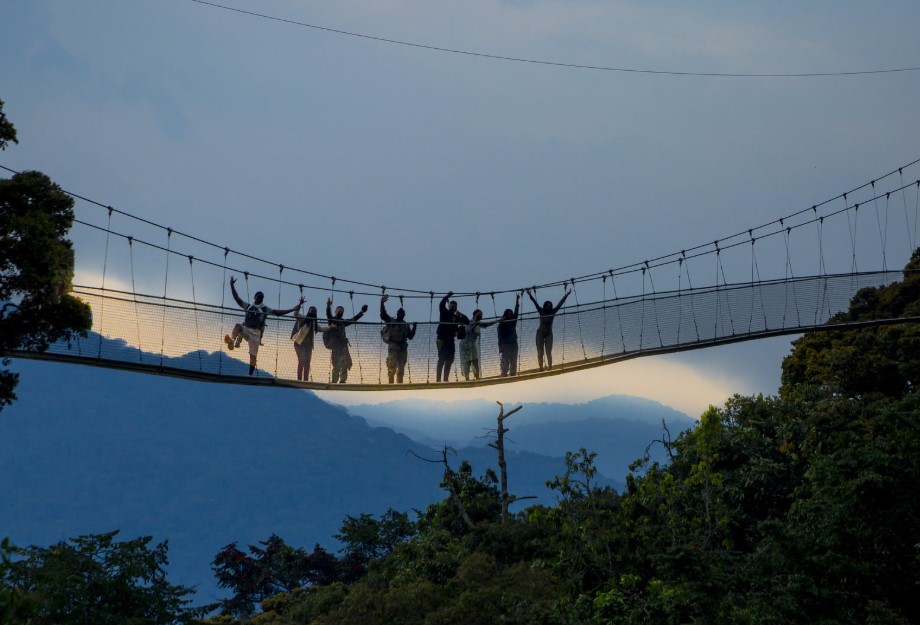
The canopy walkway is a suspended bridge 50 meters
above the forest floor, offering unique views of Nyungwe’s treetops. Visitors
walk across safely guided by staff, observing birds, monkeys, and the forest
canopy from above. It is suitable for most travelers, though those with height
concerns should prepare accordingly. The walkway is accessible year-round, but
dry seasons provide safer conditions. This activity combines adventure with
education, making it a highlight for many visitors.
3. Birdwatching
Nyungwe is home to over 300 bird species, including
rare ones like the great blue turaco and red-collared babbler. Birdwatching
tours are guided by experts who help identify species and explain their
habitats. Early mornings are ideal for sightings, and binoculars are
recommended. This activity appeals to both casual visitors and dedicated bird
lovers. Nyungwe’s diverse ecosystems ensure variety, making birdwatching rewarding
throughout the year.
4. Guided Forest
Hikes
Guided hikes allow visitors to explore Nyungwe’s
diverse plant life, butterflies, and smaller animals. Trails vary in length and
difficulty, catering to different fitness levels. Guides share knowledge about
medicinal plants, forest conservation, and local traditions. Hikes provide a
deeper understanding of the park beyond primates and birds. This activity is
suitable for families, groups, and solo travelers who want a closer connection
to nature.
5. Colobus
Monkey Tracking
Nyungwe hosts large troops of colobus monkeys,
sometimes numbering over 300 individuals. Guided treks lead visitors to areas
where these monkeys are commonly seen. The activity is less demanding than
chimpanzee tracking, making it suitable for a wider range of travelers. Guides
explain monkey behavior and their role in the forest ecosystem. This experience
offers excellent photography opportunities and is a favorite among visitors.
6. Cultural
Tours
Cultural tours with nearby communities provide
insight into Rwandan traditions, crafts, and daily life. Visitors can
participate in activities such as basket weaving, traditional dances, or local
food preparation. These tours complement wildlife experiences by adding human
connections. They also support community development, ensuring tourism benefits
local residents. Cultural tours are flexible and can be arranged alongside
other park activities.
7. Waterfall
Hikes
Nyungwe has several waterfalls accessible through
guided hikes, such as the Isumo waterfall trail. These hikes combine forest
exploration with the reward of reaching a natural water feature. Trails are
moderate in difficulty, suitable for most visitors. Guides explain the
importance of water sources in the park’s ecosystem. Waterfall hikes provide a
refreshing experience and are popular among travelers seeking variety.
8. Photography
Tours
Photography tours focus on capturing Nyungwe’s
landscapes, wildlife, and plant life. Guides assist in finding the best angles
and lighting conditions. Early mornings and late afternoons are ideal for
photography. This activity suits both professionals and casual photographers.
Nyungwe’s biodiversity ensures endless subjects, from primates to orchids.
Photography tours help visitors document their experiences while learning about
the park.
9. Butterfly
Watching
Nyungwe is rich in butterfly species, with colorful
varieties seen throughout the forest. Guided walks highlight areas where
butterflies are most abundant. Visitors learn about their role in pollination
and forest health. Butterfly watching is a peaceful activity suitable for all
ages. It adds variety to the safari experience, appealing to those interested
in smaller but fascinating creatures.
10. Conservation
Education Tours
Conservation education tours focus on Nyungwe’s role
in protecting biodiversity and water catchment. Visitors meet park staff or
community members involved in conservation projects. These tours explain
challenges such as poaching and deforestation, and how tourism supports
solutions. They provide meaningful context to wildlife experiences, making
safaris more impactful. Conservation tours are ideal for travelers who value
learning and responsible tourism.
Best time for
activities in Nyungwe Natioal park
The best time for activities in Nyungwe National
Park is during the dry seasons from June to September and December to February.
Trails are easier to hike, making chimpanzee tracking, colobus monkey tracking,
and forest walks more comfortable. The canopy walkway is safer with clear
views, while birdwatching remains excellent thanks to migratory species. Wet
seasons from March to May and October to November are ideal for birdwatchers
and those seeking fewer crowds, though trekking can be more challenging.
Choosing the right season ensures activities like guided hikes, cultural tours,
and photography are enjoyable and accessible, giving travelers maximum value
from their visit to Nyungwe National Park.
How to get to Nyungwe
National Park
To get to Nyungwe National Park, most visitors
travel from Kigali, Rwanda’s capital. The park lies about 225 kilometers
southwest, and the drive takes 5–6 hours through towns such as Huye, offering
cultural stopovers along the way. Private transfers and organized tours are the
most convenient options, while public buses provide budget alternatives. For
faster access, flights from Kigali to Kamembe near Cyangugu reduce travel time,
followed by a short road transfer to the park. Whether by road or air, reaching
Nyungwe National Park is straightforward, with choices depending on budget,
schedule, and preference.