
A Tanzania
safari stands out as one of Africa’s most rewarding travel experiences,
offering unmatched wildlife diversity, cultural depth, and flexible
itineraries. From the Serengeti plains to the Ngorongoro Crater, travelers can
see the Big Five in one trip without crossing borders. The Great Migration
passes through Tanzania for most of the year, giving visitors a wide window to
witness this natural spectacle. Beyond wildlife, Tanzania combines safari with
beach escapes in Zanzibar, Pemba, and Mafia Island, making it ideal for both
adventure and relaxation. Well-trained guides, varied accommodation options,
and a stable environment ensure comfort and safety. With choices for every
budget and interests ranging from culture to hiking Mount Kilimanjaro, Tanzania
safari packages deliver value and variety for all travelers.
1. You Can See
All of the Big Five in One Trip
Tanzania gives you a real chance to see lion,
elephant, buffalo, leopard, and rhino without moving between countries. The
Serengeti and Ngorongoro Crater together cover most of these animals, and the
crater alone often delivers rhino sightings in a single morning. For anyone who
has dreamed of seeing these five animals, Tanzania removes the guesswork. You
do not need multiple visas, extra flights, or weeks of planning across
different nations. One well-organized route can check off the whole list. This
saves you money, time, and the stress of arranging separate trips.
2. The Great
Migration Passes Through Tanzania for Most of the Year
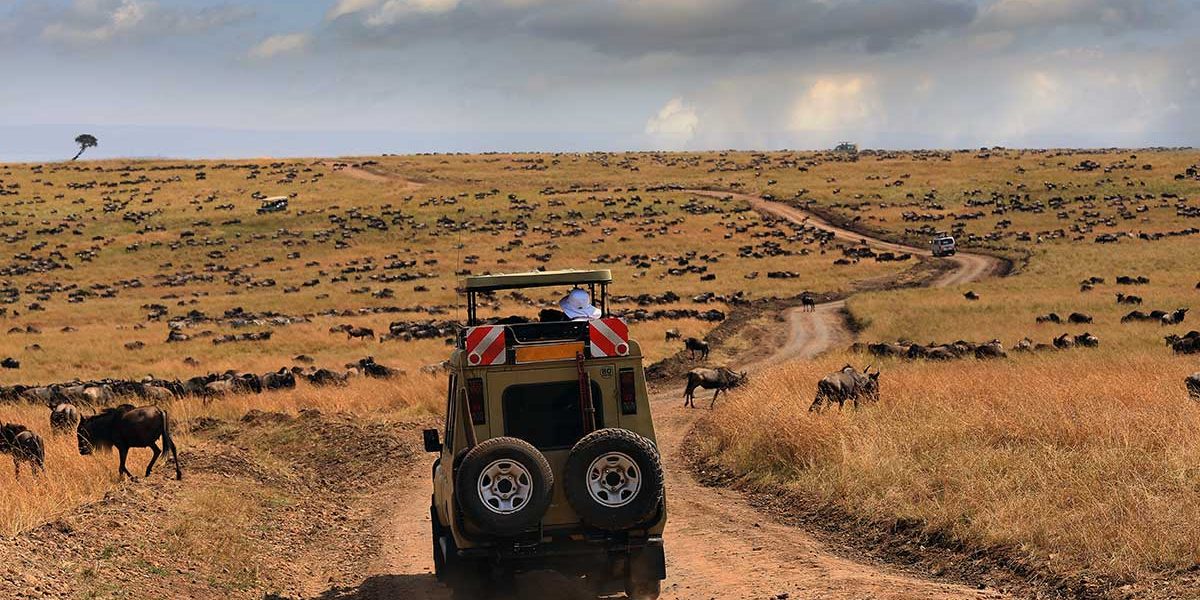
Huge herds of wildebeest
and zebra move through the Serengeti ecosystem from roughly December to
September, and the river crossings happen between July and October. No other
country hosts this movement for so long. If seeing the migration matters to
you, Tanzania gives you a wider window than Kenya, where the herds stay for a
shorter period. You can plan around calving season in the south or crossing
season in the north. This means your trip dates are more flexible. You are less
likely to miss the event because of bad timing.
3. The
Ngorongoro Crater Is Unlike Any Other Place
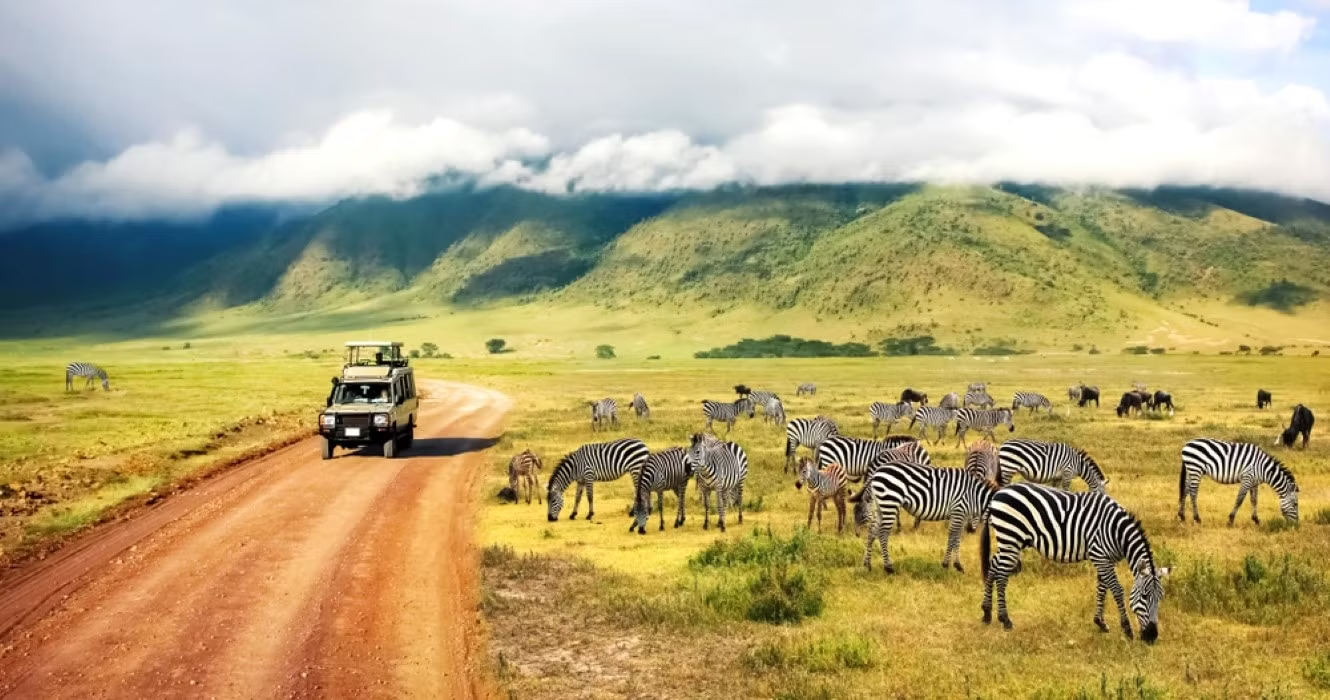
The crater is a collapsed volcano with walls 600
meters high, and it holds around 25,000 large animals inside its floor. Because
the animals stay in the area, sightings are almost guaranteed. You can see
lions, elephants, hippos, and flamingos in a few hours. The short grass makes
animals easier to spot than in thick bush. This matters if you have limited
days or travel with children who get bored quickly. Few places on earth pack
this much wildlife into one contained space. It is a strong reason to choose
Tanzania over other safari countries.
4. You Get Both
Safari and Beach in One Trip
After days in the bush, you can fly to Zanzibar,
Pemba, or Mafia Island and rest on white sand beaches. This mix suits couples,
families, and anyone who wants to relax after early mornings. Flights between
the mainland and the islands are short and easy to book. You avoid the cost of
a separate holiday. The water is warm, and the snorkeling and diving around
Mnemba and Mafia are excellent. For many travellers, this combination of
wildlife and ocean makes Tanzania a better value than a safari-only
destination.
5. Park Fees Are
High, But the Experience Reflects It
Tanzania charges higher entry fees than some neighbours,
and this puts people off at first. The money goes toward anti-poaching work,
road maintenance, and ranger salaries. Because fewer vehicles enter some areas,
you deal with less crowding at sightings. In the Serengeti, you can drive for
an hour without seeing another car. That quiet is worth the cost for many
visitors. If your budget is tight, you can travel in the low season or choose
parks like Tarangire and Lake Manyara. The fees buy you space and better
protection for the animals.
6. The Northern
Circuit Offers Several Parks Close Together
Tarangire,
Lake Manyara, Ngorongoro, and the Serengeti sit within a few hours of each
other. You can move between them by road without long, tiring drives. Each park
has different landscapes and species. Tarangire has large elephant herds and
baobab trees. Manyara is known for tree-climbing lions and birds. This variety
keeps the trip interesting day after day. You also reduce travel time, which
means more hours actually watching animals. For a one-week trip, this circuit
gives you more than most countries can in two weeks.
7. Guides Are
Well Trained and Speak Good English
Tanzania has a strong guiding system, and many
guides hold qualifications from recognized colleges. They know animal behavior,
bird calls, and plant uses. Most speak fluent English, and some speak French,
Spanish, or German. A good guide changes your trip. They find animals you would
drive past, explain what you are seeing, and keep you safe near elephants and
lions. They also know the back roads when main routes get busy. This level of
knowledge makes your safari more educational and less like a simple
drive-through.
8. There Are
Safari Options for Every Budget
You can travel in a basic camping tent with a shared
vehicle, or book a private lodge with a plunge pool. The range covers
backpackers, mid-range families, and luxury travellers. Camping safaris cost
far less and still take you to the same parks. Mid-range lodges and tented
camps offer comfort without extreme prices. This means Tanzania is not only for
wealthy visitors. You can match the trip to what you can afford and still see
the same animals. That flexibility is a major reason people pick Tanzania over
pricier alternatives.
9. The Country
Is Stable and Welcoming to Visitors
Tanzania has enjoyed decades of political stability,
and tourism is a major part of the economy. People working in hotels, camps,
and parks depend on visitors, so service is generally warm and helpful. Crime
against tourists is low in safari areas and on Zanzibar. Roads, airports, and
health facilities in main tourist zones are reliable. You can drink bottled
water, eat well, and move around without constant worry. For first-time
visitors to Africa, this safety and friendliness remove a lot of fear and make
the trip easier to enjoy.
10. There Is
More Than Wildlife to See and Do
Beyond animals, Tanzania has Mount Kilimanjaro,
Africa's highest peak, which thousands climb each year. You can visit Maasai
villages, learn about local customs, and buy handmade crafts directly from
makers. Lake Tanganyika and Lake Victoria offer fishing and boat trips. The
Usambara and Udzungwa mountains suit hikers. Stone Town in Zanzibar is a UNESCO
site with old buildings and a complex history. This range means non-wildlife
companions stay happy. You can build a trip that mixes animals, culture,
mountains, and beaches, so everyone in your group finds something they enjoy.
Best time to go for
a Tanzania safari Experience
The best time for a Tanzania safari depends on what
you want to see, but the dry season from June to October offers the most
reliable wildlife viewing conditions. During these months, vegetation thins out
and animals gather around water sources, making them much easier to spot. This
is also when the Great Migration typically reaches the northern Serengeti, with
dramatic river crossings happening from July through September. The weather
stays clear and dry, roads are in good condition, and you can expect excellent
sightings across parks like the Serengeti, Ngorongoro Crater, and Tarangire.
The main downside is that this is peak season, so expect higher prices and more
vehicles at popular sightings. If you want to avoid crowds and save money,
consider the green season from November to May, which offers lush landscapes,
abundant birdlife, and the calving season in January and February when predator
activity peaks in the southern Serengeti