
The Serengeti National Park stands out as Tanzania’s
most celebrated safari destination because it combines wildlife spectacles,
diverse habitats, and strong conservation efforts. The park is home to the Great
Migration, where millions of wildebeest and zebras move across plains, creating
one of nature’s most dramatic events. Visitors also enjoy excellent chances to
see the Big Five alongside cheetahs, giraffes, and hyenas. Its landscapes range
from open savannahs to kopjes and riverine forests, offering variety for
photography and exploration. Accessibility through Arusha and multiple
airstrips makes planning simple, while accommodation options suit every budget.
As a UNESCO World Heritage Site, Serengeti protects ecosystems and supports
local communities, ensuring safaris here are both rewarding and responsible.
1. The Great
Migration
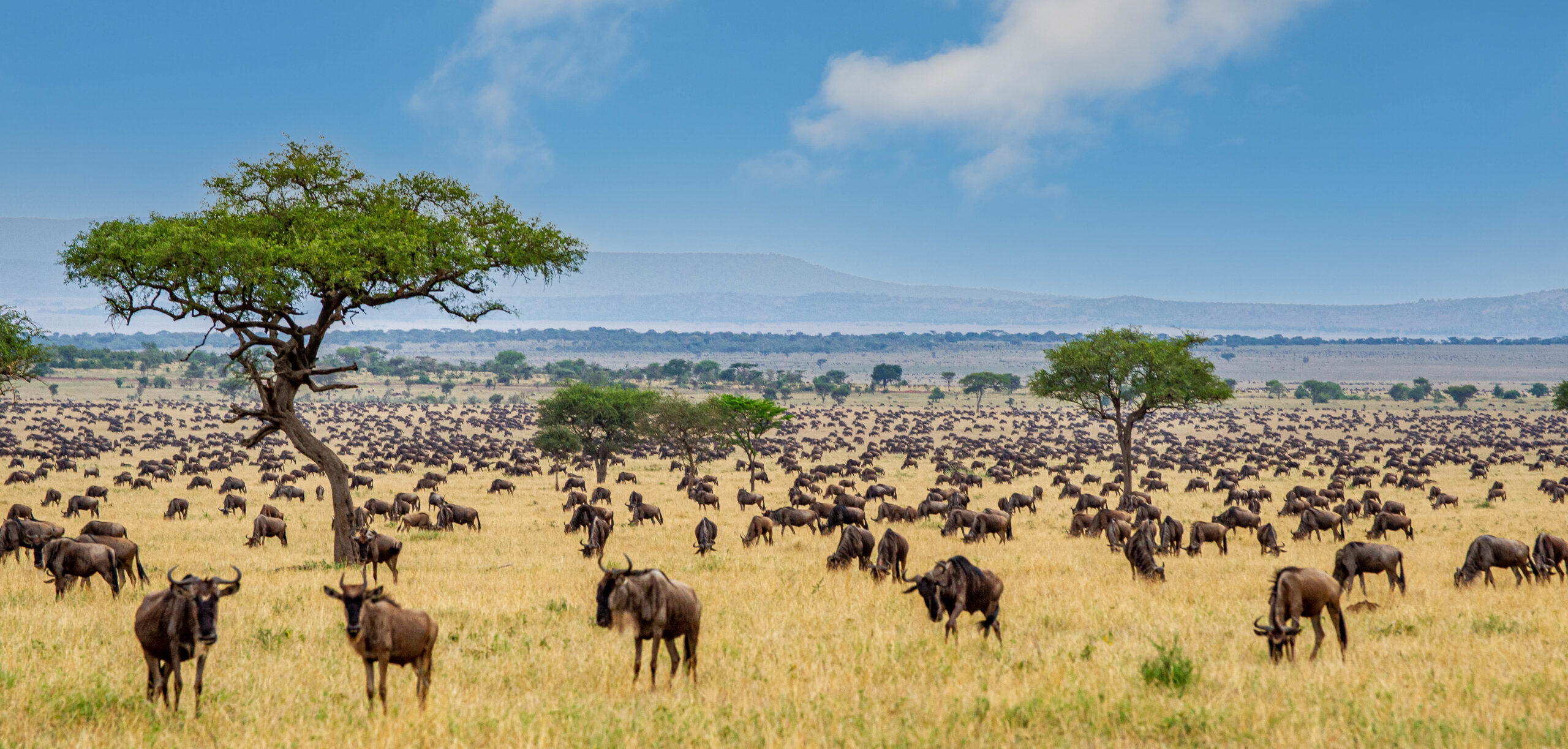
The Serengeti is world-famous for the Great
Migration, a continuous cycle where millions of wildebeest, zebras, and
gazelles move across its plains in search of fresh grazing. This spectacle
includes dramatic river crossings at the Grumeti and Mara Rivers, where
predators like crocodiles and lions wait. Travelers visiting during different
months can witness calving in the southern plains, crossings in the west, or the
Mara River drama in the north. The migration ensures year-round action, making
the Serengeti unique compared to other parks. It’s not just about numbers; it’s
about the interaction between prey and predator, offering visitors a raw,
natural display of survival that defines the park’s reputation.
2. Big Five
Sightings
The Serengeti is one of the best places in Africa to
see the Big Five—lion, leopard, elephant, buffalo, and rhino. Lions thrive
here, with large prides often spotted resting on kopjes or hunting in open
plains. Leopards are elusive but frequently seen in riverine forests. Elephants
roam widely, while buffalo herds dominate grasslands. Though rhinos are rare,
conservation efforts in nearby areas support sightings. Beyond the Big Five,
cheetahs, hyenas, giraffes, and antelopes add to the diversity. This
concentration of wildlife ensures travelers maximize their safari experience.
Unlike smaller reserves, the Serengeti’s vastness allows animals to live
naturally, giving visitors authentic encounters with Africa’s most celebrated
species.
3. Diverse
Landscapes
Covering nearly 15,000 km², the Serengeti offers a
variety of landscapes that enrich the safari experience. The southern plains
are wide and open, perfect for spotting herds during calving season. The
western corridor features river systems like the Grumeti, attracting crocodiles
and hippos. The northern Serengeti is more rugged, with rolling hills and the
Mara River crossings. Kopjes—rocky outcrops—dot the park, serving as resting
spots for lions and vantage points for predators. Acacia woodlands and riverine
forests add contrast, supporting diverse birdlife and smaller mammals. This
range of habitats ensures travelers enjoy not just wildlife but also striking
scenery, making the Serengeti visually rewarding and ecologically rich compared
to other safari destinations.
4. Year-Round
Safari Appeal
Unlike parks that peak only in certain months, the
Serengeti offers year-round safari appeal. Each region has its highlight
season. From January to March, the southern plains host calving, attracting
predators. April to June brings river crossings in the western corridor. July
to October showcases the Mara River crossings in the north, while November and
December see herds returning south. This cycle ensures travelers can plan
safaris at any time of year and still witness major wildlife events. The park’s
size and diversity mean there’s always something happening, whether it’s
predator hunts, bird migrations, or elephant movements. This reliability makes
Serengeti a top choice for travelers seeking consistent safari value.
5. UNESCO World
Heritage Site
The Serengeti was designated a UNESCO World Heritage
Site in 1981, recognizing its global ecological importance. This status
highlights the park’s role in preserving one of the planet’s last intact
ecosystems where large-scale migrations still occur. The designation also
ensures international support for conservation, protecting wildlife and
habitats from threats like poaching and overdevelopment. For travelers, this
recognition adds assurance that their visit contributes to safeguarding a
unique natural heritage. It’s not just a safari destination; it’s a protected
landscape of global significance. The UNESCO status elevates the Serengeti
beyond tourism, making it a place where conservation and travel intersect
meaningfully.
6. Predator
Density
The Serengeti has one of the highest predator
densities in Africa, making it a prime location for observing predator-prey
interactions. Lions are abundant, with prides often numbering over 20
individuals. Cheetahs thrive in open plains, using speed to hunt gazelles.
Leopards, though solitary, are frequently spotted in trees or rocky kopjes.
Hyenas are common, providing fascinating insights into scavenger behavior. This
predator richness ensures travelers witness dramatic hunts and natural survival
stories. Unlike smaller reserves, the Serengeti’s vastness allows predators to
thrive without human interference, offering authentic experiences. For
safari-goers, the chance to see multiple predators in action makes the park
stand out globally.
7. Birdwatching
Paradise
With over 500 bird species, the Serengeti is a
paradise for birdwatchers. Raptors like martial eagles and vultures soar above,
while colorful species such as lilac-breasted rollers and Fischer’s lovebirds
brighten the landscape. Migratory birds arrive seasonally, adding variety.
Wetlands and rivers attract waterfowl, including storks and herons.
Birdwatching here complements big game viewing, offering travelers a broader
appreciation of the ecosystem. Guides often highlight bird behavior, from
nesting to hunting, enriching the safari experience. For travelers seeking more
than mammals, the Serengeti’s birdlife ensures diversity and constant activity.
This makes the park appealing to both wildlife enthusiasts and casual visitors.
8. Accessibility
The Serengeti is highly accessible compared to
remote parks. Visitors can fly into Kilimanjaro International Airport or Arusha,
then connect by road or charter flights to airstrips within the park. Roads
link central hubs like Seronera, making logistics straightforward. Charter
flights allow travelers to reach specific regions, such as the western corridor
or northern Serengeti, quickly. This accessibility ensures travelers spend more
time on safari rather than transfers. Combined with Tanzania’s tourism
infrastructure, the Serengeti is practical for both short visits and extended
stays. Accessibility enhances its appeal, making it suitable for families,
groups, and solo travelers seeking convenience alongside wildlife.
9. Accommodation
Variety
The Serengeti offers a wide range of accommodation
options, catering to different budgets and preferences. Luxury lodges provide
comfort with modern amenities, fine dining, and prime locations near migration
routes. Mobile tented camps move with the herds, ensuring guests stay close to
wildlife action. Mid-range lodges and camps offer affordability without
compromising quality. Budget campsites allow adventurous travelers to experience
the park more simply. This variety ensures travelers can tailor their safari to
personal needs, whether seeking exclusivity or affordability. The flexibility
of accommodation enhances the Serengeti’s appeal, making it accessible to
diverse travelers while maintaining high standards of hospitality.
10. Conservation
and Community Impact
Tourism in the Serengeti supports conservation and
local communities, making visits meaningful beyond personal enjoyment. Park
fees fund anti-poaching initiatives and habitat protection. Community-run
projects benefit from tourism revenue, supporting education, healthcare, and
livelihoods. Travelers know their visit contributes to preserving wildlife and
empowering people. This balance between conservation and community ensures
sustainability. For guests, it adds value knowing their safari has a positive
impact. The Serengeti stands out not just for wildlife but for its role in
protecting ecosystems and supporting human development. This makes it a
responsible choice for travelers seeking ethical and impactful safaris.
Best time to
visit Serengeti for Tanzania safari
The best time to visit Serengeti for a Tanzania
safari depends on what travelers want to experience. From January to March, the
southern plains host the calving season, where thousands of wildebeest give
birth, attracting predators and offering dramatic wildlife action. Between June
and October, the dry season provides excellent game viewing across the park,
with animals gathering around water sources and clear visibility. The highlight
for many is July to September, when herds cross the Mara River in the northern
Serengeti, facing crocodiles and predators in one of nature’s most dramatic
spectacles. For those seeking quieter safaris and lower rates, April–May and November–December
offer lush landscapes, fewer crowds, and rewarding wildlife encounters.