
Kyambura Wildlife Reserve us one of the fascinating
protected areas in southwestern Uganda. Located near the eastern side of Queen
Elizabeth National Park, the reserve covers about 15700 hectares and forms part
of the wider Queen Elizabeth protected area. Its landscape combines rolling
savannah, thickets, wetlands and the dramatic Kyambura Gorge creating habitats
for a variety of wildlife.
Where is
Kyambura Wildlife Reserve?
Kyambura Wildlife Reserve lies south of Lake George
and along the southeastern side of the kazinga channel. The Kyambura River
forms part of its boundary with Queen Elizabeth National Park. The reserve is particularly
famous for the Kyambura Gorge, a deep valley covered by lush riverine forest
and surrounded by open savannah. Its location makes it easy to include in a
safari through Queen Elizabeth National Park. Visitors exploring the parks
savannah plains, kazinga channel and surrounding areas often add Kyambura to
their itinerary for a different wildlife and primate experience.
A Brief History of
Kyambura Wildlife Reserve
Kyambura was first established as a controlled
hunting area in 1962 and was upgraded to game reserve status in 1965. During
the 1980’s parts of the reserve experienced settlement and cultivation which
affected its natural habitats. Conservation authorities later removed encroachment
and in 1996 the reserve came under management of the Uganda Wildlife Authority.
Following changes in Uganda’s Wildlife legislation, it became formally known as
Kyambura Wildlife Reserve. Today the reserve serves an important conservation
role as a buffer zone for wildlife moving between Kyambura and Queen Elizabeth
National Park.
Wildlife in
Kyambura Wildlife Reserve
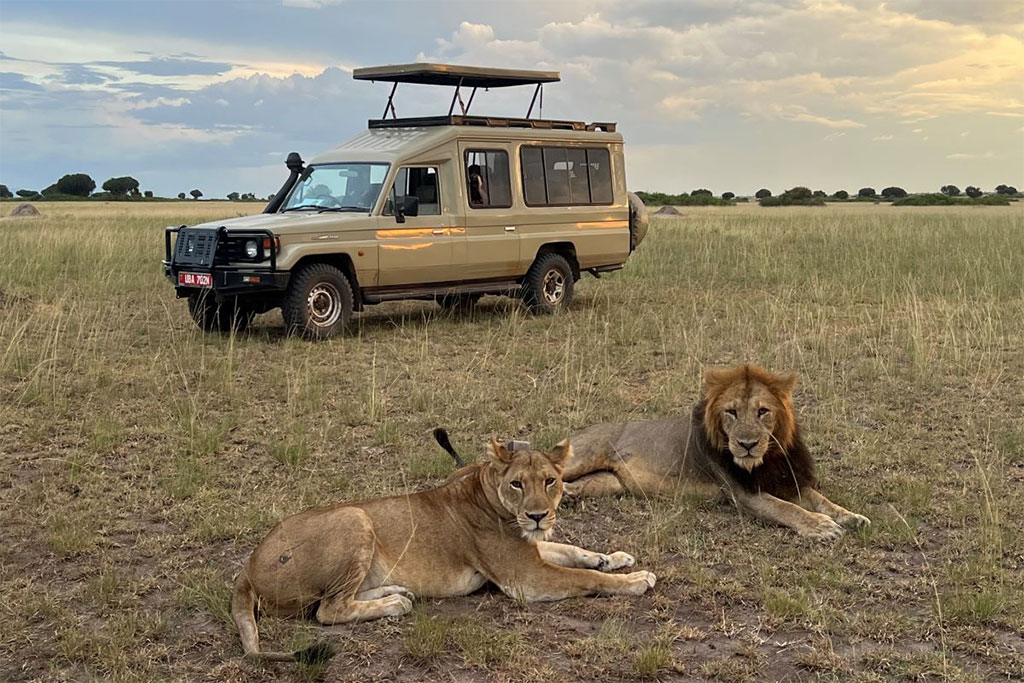
Kyambura Wildlife Reserve supports wildlife similar
to that found in the surrounding Queen Elizabeth ecosystem. The Uganda Wildlife
Authority lists species such as hippos, lions, leopards, elephants and
buffaloes alongside several species of antelope and smaller ungulates. The
reserves wetlands and Lake George shoreline habitats further contribute to its
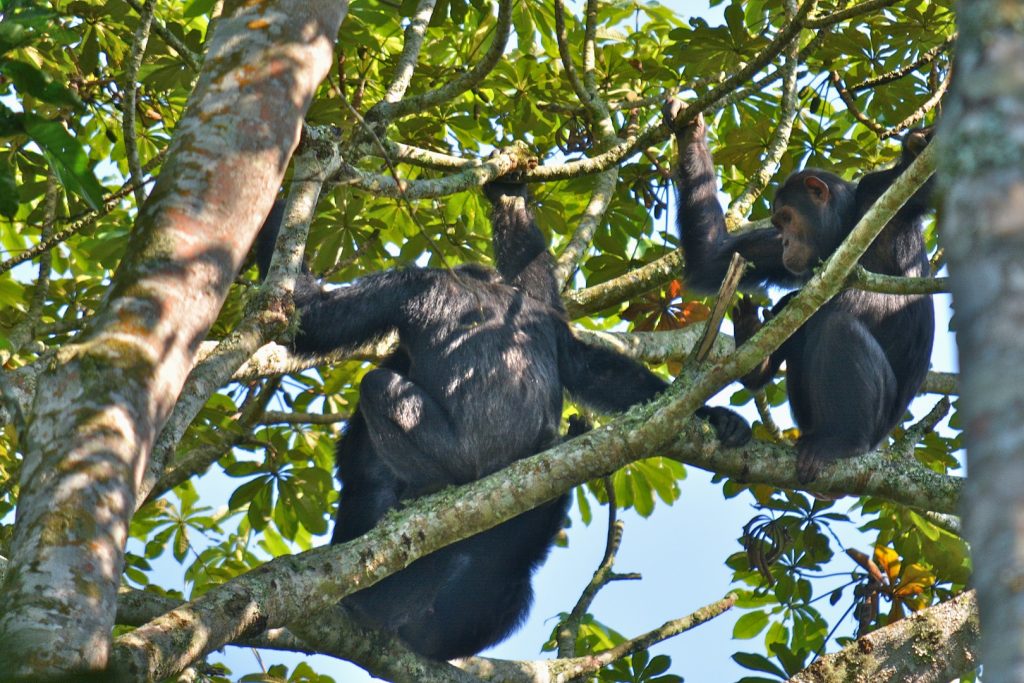
wildlife diversity. However Kyambura is particularly associated with primates
especially the chimpanzees found in Kyambura Gorge. The gorges forest
environment provides an important refuge for these chimpanzees and other
primates.
Chimpanzee Tracking
in Kyambura Gorge
One of the main reasons visitors visit the Kyambura
area is chimpanzee trekking. The forested gorge provides an exciting setting
for following habituated chimpanzees through dense vegetation. During the trek,
visitors may encounter other primates including red tailed monkeys,
black-and-white colobus monkeys, vervet monkeys and baboons. The experience
combines wildlife viewing with a hike through the gorge where the vegetation,
river and steep valley walls create a very different environment from the open
savanna.
The Famous
Kyambura Gorge
Kyambura Gorge is the defining feature of the
reserve. Sometimes called the “Valley of Apes,” the gorge contains a lush
forest nourished by the Kyambura River. Its steep walls and dense vegetation
create a striking contrast with the surrounding grasslands. Exploring the gorge
gives visitors an opportunity to experience a forest ecosystem within a savanna
dominated safari destination. The hike also provides opportunities for bird
watching and spotting smaller wildlife along the way.
Bird Watching in
Kyambura Wildlife Reserve
Kyambura’s combination of savanna, woodland,
wetlands and riverine forest supports a variety of bird species. Water birds
are particularly associated with the reserves wetland habitats while the forest
and savanna areas attract different bird communities. Uganda Wildlife Authority
notes the presence of water birds including occasional lesser flamingos.
Birdwatchers visiting Queen Elizabeth National Park can therefore add Kyambura
to their itinerary for a broader range of habitats and bird species.
When to Visit
Kyambura Wildlife Reserve
Kyambura Cn be visited throughout the year but the
drier months general provide easier conditions for wildlife activities and
hiking. The wetter periods bring greener vegetation and can make the gorge
trail more challenging because of slippery and muddy sections. For travelers
mainly interested in chimpanzee trekking, the best choice depends on whether
they prefer easier hiking conditions or greener scenery. Carrying appropriate
hiking shoes and rain protection is advisable because conditions around the
gorge can change.
How to Get to
Kyambura Wildlife Reserve
Kyambura is accessible as part of a safari to Queen
Elizabeth National Park in southwestern Uganda. Road access is available from
the surrounding Queen Elizabeth area although Uganda Wildlife Authority notes
that some tracks within the reserve are unsurfaced and are suitable during dry
weather. Travelers commonly combine Kyambura with activities around Queen
Elizabeth National Park making it a convenient stop on a longer western Uganda
safari.
Why Visit
Kyambura Wildlife Reserve
Kyambura offers a different side of Uganda’s
wildlife experience. Instead of focusing only on traditional savannah game
drives, visitors can explore a dramatic gorge, walk through riverine forest,
track chimpanzees and look for different primates and bird species. It’s a
proximity to Queen Elizabeth National Park makes it especially attractive for
travelers who want to combine game drives, boat cruise and primate experiences
within the same safari region.
Kyambura Wildlife Reserve is a valuable part of
Uganda’s western wildlife landscape. Its combination of savanna, wetlands,
forest and the spectacular Kyambura Gorge creates a diverse environment for
wildlife and nature experiences. For travelers planning a safari in Queen
Elizabeth National Park, adding Kyambura provides an opportunity to go beyond
the traditional game drive and explore one of the region’s most distinctive
natural environments.