
Choosing the best season for a Uganda safari depends
on what you value most as a traveler. Peak season offers excellent wildlife
viewing, drier weather, and easier travel conditions, making it ideal for
visitors who want predictable safari experiences and comfortable game drives.
However, these benefits often come with higher accommodation and transportation
costs. On the other hand, the low season provides significant savings,
discounted lodges, fewer crowds, and beautiful green landscapes while still
offering access to gorilla trekking, wildlife viewing, and bird watching. Both
seasons have advantages, and the best overall value depends on your budget,
interests, and travel priorities. Travelers focused on affordability often
prefer the low season, while those seeking the best wildlife visibility and dry
conditions may find the peak season worth the additional expense.
1. Understanding
Value Beyond Price
When deciding which season offers the best overall
value for a Uganda safari, it is important to look beyond the price alone. The
best value comes from balancing costs, wildlife viewing opportunities, weather
conditions, accommodation quality, and overall travel experience. Some
travelers focus on securing the lowest prices, while others prioritize easier
wildlife sightings and comfortable travel conditions. Uganda offers rewarding
safari experiences throughout the year, meaning value depends largely on your
personal travel goals. A visitor interested in gorilla trekking may have
different priorities from someone focused on wildlife photography or bird
watching. By understanding what matters most to you, it becomes easier to
determine whether peak season or low season offers the best return on your
travel investment and expectations.
2. Why Peak
Season Appeals to Many Travelers
Peak season generally runs from June to September
and December to February. These months attract many visitors because rainfall
is lower and outdoor activities are more predictable. Roads to national parks
are often easier to navigate, making transfers more comfortable. Wildlife
viewing conditions are also favorable because animals gather near water sources
and vegetation is less dense. Gorilla trekking trails may be slightly easier to
manage during drier periods. These advantages help many travelers feel they are
receiving excellent value even though safari prices are higher. The ability to
enjoy outdoor activities with fewer weather interruptions makes peak season
attractive for first-time visitors. For travelers focused on convenience and
easier wildlife viewing, peak season often delivers strong overall value.
3. The Financial
Benefits of Low Season Travel
The low season usually falls between March and May
and again from October to November. During these months, accommodation
providers frequently lower prices to attract visitors. Travelers often find
discounted lodge rates, safari packages, and special promotions. The savings
can be substantial, especially for longer safaris that include multiple
destinations. Lower costs allow visitors to stay in higher-quality lodges than
they may otherwise afford during peak season. Reduced travel expenses create
opportunities to extend itineraries or add extra activities without exceeding a
planned budget. For travelers who prioritize affordability, the low season
often offers outstanding value. The money saved can sometimes outweigh the
occasional inconvenience caused by rain, making the low season a smart choice
for budget-conscious visitors.
4. Gorilla
Trekking Value in Different Seasons
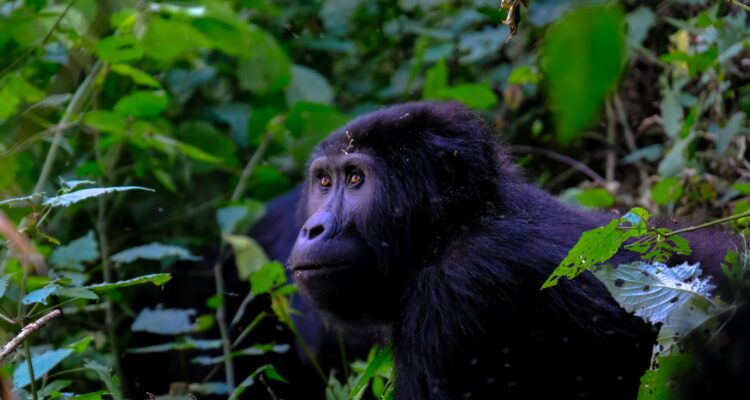
Gorilla trekking remains one of Uganda's main attractions
throughout the year. Interestingly, gorilla permits in low season costs $600,
and during peak season it costs $800 ensuring equal access to this experience.
During peak season, visitors may benefit from drier trekking conditions and
easier forest trails. However, gorilla sightings remain excellent throughout
the year because trackers work daily to locate habituated gorilla families.
During the low season, travelers often benefit from discounted accommodation
while paying the same permit fee. This creates an opportunity to reduce the
overall safari budget without compromising the quality of the gorilla
experience itself. Since gorilla trekking is not heavily affected by seasonal
wildlife movements, both seasons provide strong value depending on whether
travelers prioritize cost savings or trail conditions.
5. Wildlife
Viewing During Peak Season
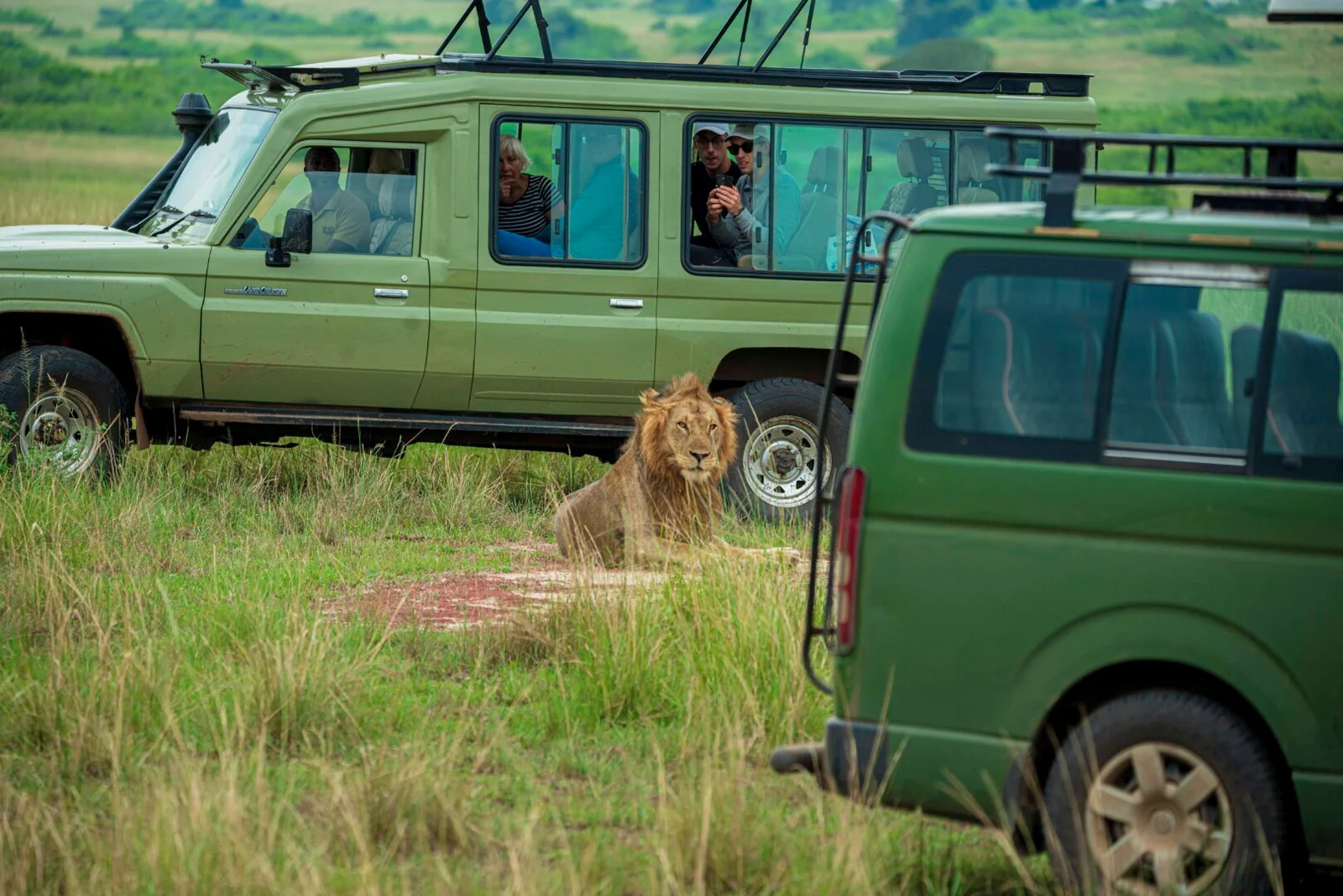
Peak season is often considered the best time for
traditional game viewing in Uganda's savannah parks. National parks such as
Queen Elizabeth, Murchison Falls, and Kidepo Valley often provide excellent
wildlife sightings during drier months. Animals concentrate around water
sources, and shorter grass improves visibility during game drives. Visitors can
often spot elephants, buffaloes, lions, giraffes, antelopes, and birds more
easily. The predictable weather also allows guides to access a wider range of
roads and viewing areas. For travelers whose main goal is seeing as much
wildlife as possible, the higher cost of peak season may still represent
excellent value. Better viewing conditions often translate into productive game
drives and memorable wildlife observations throughout the safari.
6. Wildlife
Viewing During Low Season
Although peak season receives most attention, low
season wildlife viewing should not be underestimated. Uganda's national parks
remain active throughout the year, and many animals do not disappear simply
because rainfall increases. During wetter months, landscapes become greener and
rivers carry more water, making some parks particularly attractive. The lower
number of safari vehicles also creates a more peaceful viewing experience.
Travelers often spend less time competing with crowds at wildlife sightings.
While animals may sometimes be more dispersed, experienced guides continue to
find excellent wildlife opportunities. For visitors willing to accept
occasional rain showers, low season can offer impressive wildlife viewing
combined with lower costs. This combination often delivers strong value for
travelers seeking affordability and authenticity.
7. Bird Watching
and Seasonal Value
Bird watching enthusiasts often find the low season
especially rewarding. Uganda is home to more than one thousand bird species,
making it one of Africa's leading birding destinations. During wetter months,
migratory species arrive from Europe and other regions, increasing bird
diversity. Wetlands, forests, lakes, and savannah habitats become more active
with birdlife. The green environment also creates attractive photography
opportunities. Bird watchers often consider low season one of the best times to
visit because accommodation prices are lower while bird activity is high. This
creates excellent value for travelers whose primary interest is birding rather
than traditional game viewing. The combination of affordability and diversity
makes low season particularly appealing for specialized wildlife interests.
8. Crowds and
Overall Travel Experience
Visitor numbers play an important role in
determining value. Peak season often brings greater numbers of tourists to
popular locations and accommodations. While service quality generally remains
high, some travelers prefer quieter environments. The low season provides more
privacy at lodges, fewer vehicles during game drives, and a relaxed atmosphere
at many attractions. Guides often have more time to interact with guests,
creating a personalized experience. Some travelers consider these quieter
conditions a major advantage. Less crowded parks and accommodations can enhance
relaxation and provide better opportunities for photography. For those who
value space, flexibility, and a slower pace, low season often provides benefits
that offset concerns about occasional rainfall and changing weather conditions.
9. Which Season
Is Best for Different Budgets?
Budget travelers often achieve the highest value
during the low season because accommodation discounts can significantly reduce
overall costs. Mid-range travelers can also benefit by upgrading accommodations
while staying within their budget. Luxury travelers may enjoy both seasons but
often appreciate the exclusivity and favorable weather of peak months. Families
traveling during school holidays may have limited scheduling flexibility and
therefore choose peak season despite higher costs. Photographers, bird
watchers, and experienced safari travelers frequently favor the low season
because of the combination of lower prices and interesting environmental
conditions. Ultimately, the best value depends on how a traveler balances cost,
convenience, wildlife expectations, and personal interests. Each budget
category may lead to a different conclusion.
10. Final
Verdict on the Best Value Season
For travelers focused purely on maximum value for
money, the low season often offers the best overall deal. Lower accommodation
rates, fewer crowds, and continued access to wildlife activities create
substantial savings without greatly reducing the quality of the safari
experience. However, travelers seeking the easiest wildlife viewing, drier
conditions, and more predictable travel logistics may find the higher costs of
peak season worthwhile. There is no single answer that fits everyone because
travel goals differ. The best season depends on what you value most. If
affordability and flexibility are your priorities, low season provides
excellent returns. If convenience and optimal wildlife viewing matter most,
peak season may justify the added expense. Both seasons offer rewarding Uganda
safari experiences when matched to the right traveler.
Ready
to plan your next African safari adventure? Contact Zoophilist
Adventures and Safaris for tailor-made
gorilla trekking, wildlife safaris, chimpanzee tracking, and cultural tours
across Uganda, Rwanda, Kenya, and Tanzania.
📧
Email: info@primatetrekkingsafaris.com
mailto:zoophilistadventures@gmail.com
📞
Phone/WhatsApp: +256 760779592
Visit our official website for more information https://primatetrekkingsafaris.com/. Zoophilist Adventures and Safaris specializes in personalized safari experiences, offering expert guidance and carefully crafted itineraries for unforgettable African wildlife encounters