
Uganda
offers safari opportunities throughout the year, but the cost of a safari
can vary significantly between the peak season and the low season. Peak season,
which typically falls between June and September and December to February,
attracts more visitors due to favorable weather and excellent wildlife viewing
conditions. During this period, accommodation rates, transportation costs, and
safari package prices are generally higher. In contrast, the low season
provides a more affordable option, with many lodges and tour operators offering
discounts and special promotions. While rainfall is more common during the low
season, travelers can still enjoy wildlife viewing, gorilla trekking, bird
watching, and other safari activities. Understanding the price differences
between these seasons helps visitors choose the best time to travel based on
their budget, interests, and preferred safari experience.
1. Understanding
Uganda's Safari Seasons
When planning a Uganda
safari, one of the first things travelers notice is that prices change
depending on the season. Uganda has two main travel periods: the peak season
and the low season. The peak season generally falls between June and September
and from December to February when weather conditions are drier and more
favorable for outdoor activities. During the low season, which usually includes
March to May and October to November, rainfall is more common and visitor
numbers decrease. Safari operators, lodges, and hotels often adjust their rates
according to demand. Understanding how these seasonal pricing changes work
helps travelers make informed decisions. Some visitors prioritize wildlife
viewing conditions, while others focus on budget savings and fewer crowds when
choosing travel dates.
2. Accommodation
Prices During Peak Season
Accommodation prices increase significantly during
Uganda's peak safari season. Many travelers from Europe, North America, and
other parts of the world visit during these months, creating strong demand for
lodges, camps, and hotels. Luxury lodges near Bwindi Impenetrable National
Park, Queen Elizabeth National Park, and Murchison
Falls National Park can sell out months in advance. Mid-range and budget
properties also experience high demand. As a result, accommodation rates may
increase by 20 to 50 percent compared to low-season prices. Travelers booking
peak-season safaris often need to reserve rooms well ahead of their travel
dates. The higher costs reflect stronger demand rather than major differences
in accommodation quality, making early planning important for anyone seeking
the best value and availability.
3. Accommodation
Prices During Low Season
The low season presents excellent opportunities for
travelers looking to reduce safari costs. Many lodges and hotels lower their
rates to attract visitors during quieter periods. Discounts of 20 to 40 percent
are common, especially in destinations where international visitor numbers drop
due to seasonal rainfall. Some properties also offer additional promotions such
as free nights or complimentary upgrades. These savings can significantly
reduce the overall safari budget. Travelers who do not mind occasional rain
showers often benefit from comfortable accommodations at much lower prices. The
lower occupancy levels also create a more relaxed atmosphere at lodges,
allowing guests to enjoy facilities and services with fewer people. For budget-conscious
travelers, low-season accommodation rates offer excellent value.
4. Gorilla
Trekking Permit Prices
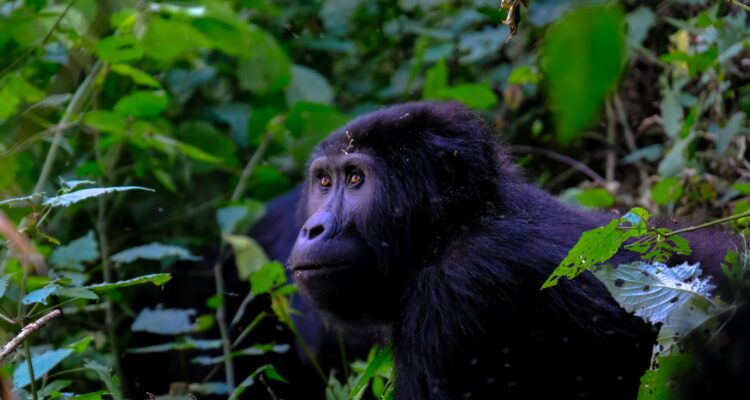
One of the advantages of Uganda is that gorilla
trekking permit prices remain consistent throughout the year. Whether you
visit during the peak season or low season, the permit fee set by the Uganda
Wildlife Authority remains unchanged. This means travelers will pay the same
permit cost regardless of travel dates. Although accommodation and transport
prices may fluctuate seasonally, gorilla permit costs remain fixed. This
pricing system allows visitors to focus on comparing safari package costs
rather than worrying about changes in permit fees. Travelers planning gorilla
trekking can therefore save money by visiting during the low season while still
paying the same official permit fee and enjoying access to the same mountain
gorilla families in Bwindi and Mgahinga.
5.
Transportation Costs and Seasonal Demand
Transportation costs can also be affected by
seasonal demand. During peak months, safari vehicles, domestic flights, and
driver-guide services are often heavily booked. Higher demand may result in
increased costs for private safaris, particularly for travelers booking close
to their departure dates. In contrast, low-season travel often creates opportunities
for better vehicle rates and discounted domestic flights. Some operators reduce
package prices during quieter periods to encourage bookings. Road conditions
may sometimes be more challenging during rainy months, but experienced drivers
continue to operate safaris safely throughout the year. Travelers seeking lower
transportation expenses often find the low season attractive, especially when
combining multiple national parks or planning longer itineraries.
6. Wildlife
Viewing and Value for Money
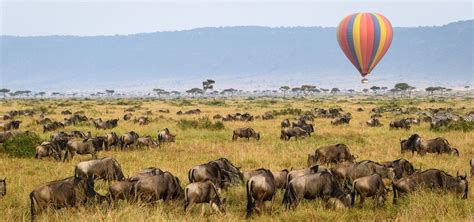
Many travelers choose peak season because wildlife
viewing conditions are generally at their best. During drier months, animals
gather around water sources, making sightings easier. Grass is shorter, and
roads are often easier to navigate. However, low-season visitors can still
enjoy excellent wildlife experiences. National parks such as Queen Elizabeth,
Murchison Falls, and Kidepo Valley remain active throughout the year. While
wildlife may be more dispersed during wetter periods, fewer vehicles around sightings
can create a more personal safari experience. When comparing value for money,
low-season travelers often find they receive similar wildlife opportunities
while spending significantly less on accommodation and safari packages.
7. Availability
of Safari Packages
Peak-season travelers should expect limited
availability, especially for popular lodges and gorilla trekking dates. Tour
operators often recommend booking several months in advance to secure preferred
accommodations and permits. Last-minute travelers may face fewer options and
higher prices during these busy periods. The low season generally provides more
flexibility because there are fewer visitors competing for rooms and safari
spots. Travelers can sometimes confirm bookings with much shorter notice and
still access quality accommodation. This flexibility makes the low season
particularly attractive for spontaneous travelers or those with changing
schedules. Greater availability often allows visitors to choose accommodations
and routes that may be difficult to access during busier months.
8. Group Safari
Prices Versus Private Safaris
Seasonality affects both group and private safari
prices. During the peak season, group departures often fill quickly, helping
spread costs among participants. However, private safaris may become more
expensive because of stronger demand for guides and vehicles. During the low
season, safari operators frequently introduce discounts on both group and
private packages. Travelers who prefer private experiences can sometimes enjoy
substantial savings compared to peak-season rates. Group travelers also benefit
from reduced accommodation prices at participating lodges. When comparing
offers, it is important to examine what is included in each package rather than
focusing solely on the headline price. Low-season promotions can provide
excellent opportunities for travelers seeking better overall value.
9. Photography
and Travel Experience
From a photography perspective, both seasons offer
different advantages. Peak-season travel provides brighter conditions, easier
wildlife visibility, and reduced chances of rain interrupting game drives.
Low-season travel offers greener landscapes, dramatic skies, and vibrant
vegetation that many photographers appreciate. Lower visitor numbers also mean
fewer vehicles at wildlife sightings and viewpoints. Travelers interested in photography
should consider their preferred style when selecting travel dates. Those
focusing on clear wildlife photographs may prefer dry-season conditions, while
landscape photographers often appreciate the colors and atmosphere of the
wetter months. Both seasons offer rewarding experiences, but understanding the
visual differences helps travelers align their expectations with their
photographic goals.
10. Which Season
Offers the Best Overall Value?
The answer depends on your priorities. Peak season
is often ideal for travelers seeking dry weather, easier wildlife viewing, and
widely favorable safari conditions. However, these benefits come with higher
accommodation rates and increased demand. Low season appeals to visitors
looking for lower costs, greater availability, and quieter safari experiences.
The savings can be substantial, especially for longer trips that include
multiple destinations. Although occasional rain may occur, many activities
continue normally, including gorilla trekking and game drives. Travelers
willing to be flexible often discover that low-season safaris provide excellent
value without sacrificing the quality of the overall experience. The best
choice depends on your budget, travel goals, and preferred safari style.