
Choosing the best season for a Rwanda safari depends
on your travel priorities, budget, and preferred activities. Rwanda offers
excellent gorilla trekking, chimpanzee tracking, wildlife viewing, bird
watching, and cultural experiences throughout the year. The peak season,
usually from June to September and December to February, provides drier
weather, easier trekking conditions, and more predictable wildlife viewing
opportunities. However, accommodation prices are typically higher during these
months. The low season offers lower lodging costs, fewer visitors, greener
landscapes, and good opportunities for gorilla trekking and wildlife
experiences despite occasional rainfall. Gorilla permit prices remain the same
throughout the year, making both seasons attractive for visitors. Understanding
the advantages of each season helps travelers make informed decisions and
choose the period that provides the best overall value for their Rwanda safari
experience.
1. Understanding
Value on a Rwanda Safari
Determining the best season for a Rwanda safari
depends on what you consider valuable during your trip. Some travelers focus on
lower costs, while others prioritize easier trekking conditions, better
wildlife viewing, and reliable weather. Rwanda is a year-round destination,
meaning visitors can enjoy gorilla trekking, chimpanzee tracking, wildlife
safaris, and cultural experiences during any month. The dry seasons from June
to September and December to February are generally considered the peak travel
periods, while the wetter months fall into the low season category. Each period
offers advantages and disadvantages that affect the overall value of a safari.
Understanding the balance between cost, comfort, wildlife viewing, and crowd
levels helps travelers choose the season that best matches their expectations
and budget.
2. Why Many
Travelers Choose the Peak Season
The peak season attracts visitors because weather
conditions are generally more favorable for outdoor activities. During the dry
months, trekking trails in Volcanoes National Park are less muddy, making
gorilla trekking more comfortable. Wildlife viewing in Akagera National Park is
also often easier because animals gather around water sources and vegetation is
thinner. Roads connecting major tourist attractions are usually in better
condition during the dry season, helping reduce travel challenges. These
advantages make the peak season appealing for first-time visitors and those
seeking predictable safari conditions. Although costs are generally higher
during this period, many travelers feel that the convenience and improved
accessibility provide good value for the money spent on their safari.
3. Accommodation
Rates During Peak Season
One factor affecting value is the cost of
accommodation. During the peak season, hotels, safari lodges, and luxury camps
often increase their prices due to higher demand. Properties around Volcanoes
National Park, Akagera National Park, and Nyungwe Forest National Park may
experience high occupancy levels. Visitors who book late can find limited room
availability and higher rates. Despite these increased costs, many travelers
choose peak season because it offers favorable weather and travel conditions.
Travelers who prioritize comfort, convenience, and easy access to activities
may find the added expense worthwhile. Early booking is normally recommended to
secure preferred accommodations and avoid last-minute price increases during
busy travel periods.
4. Low Season
Savings and Affordability
For budget-conscious travelers, the low season often
provides the best financial value. Hotels and lodges frequently offer
discounted rates to attract visitors during quieter months. Lower accommodation
prices can significantly reduce overall safari expenses, particularly for
travelers planning longer stays. Some safari operators also introduce
promotional offers that make packages more affordable. These savings allow
visitors to enjoy higher-quality accommodations at lower prices or extend their
stay within the same budget. Although rainfall is more common during these
periods, many safari activities continue throughout the year. Travelers willing
to accept occasional showers often discover that the low season delivers strong
value through substantial savings while still providing access to Rwanda's
leading attractions.
5. Gorilla
Trekking Value Throughout the Year
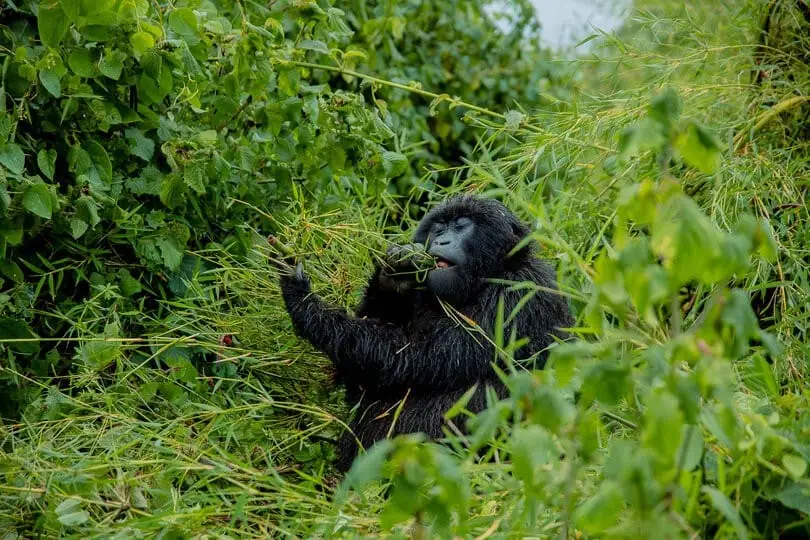
Gorilla trekking remains Rwanda's most popular
safari activity, and gorilla permits maintain the same official price
throughout the year. This means travelers pay the same permit fee whether they
visit during peak or low season. The main difference lies in trekking
conditions rather than permit costs. Dry-season treks may involve less mud and
easier hiking conditions, while low-season treks often take place in greener
surroundings. Gorilla sightings remain excellent all year because trackers
monitor habituated gorilla families daily. For travelers focused on gorilla
trekking, low-season accommodation discounts can provide better overall value
without affecting the quality of the gorilla viewing experience. This creates
opportunities to save money while still enjoying one of Africa's most
sought-after wildlife activities.
6. Wildlife
Viewing in Akagera National Park
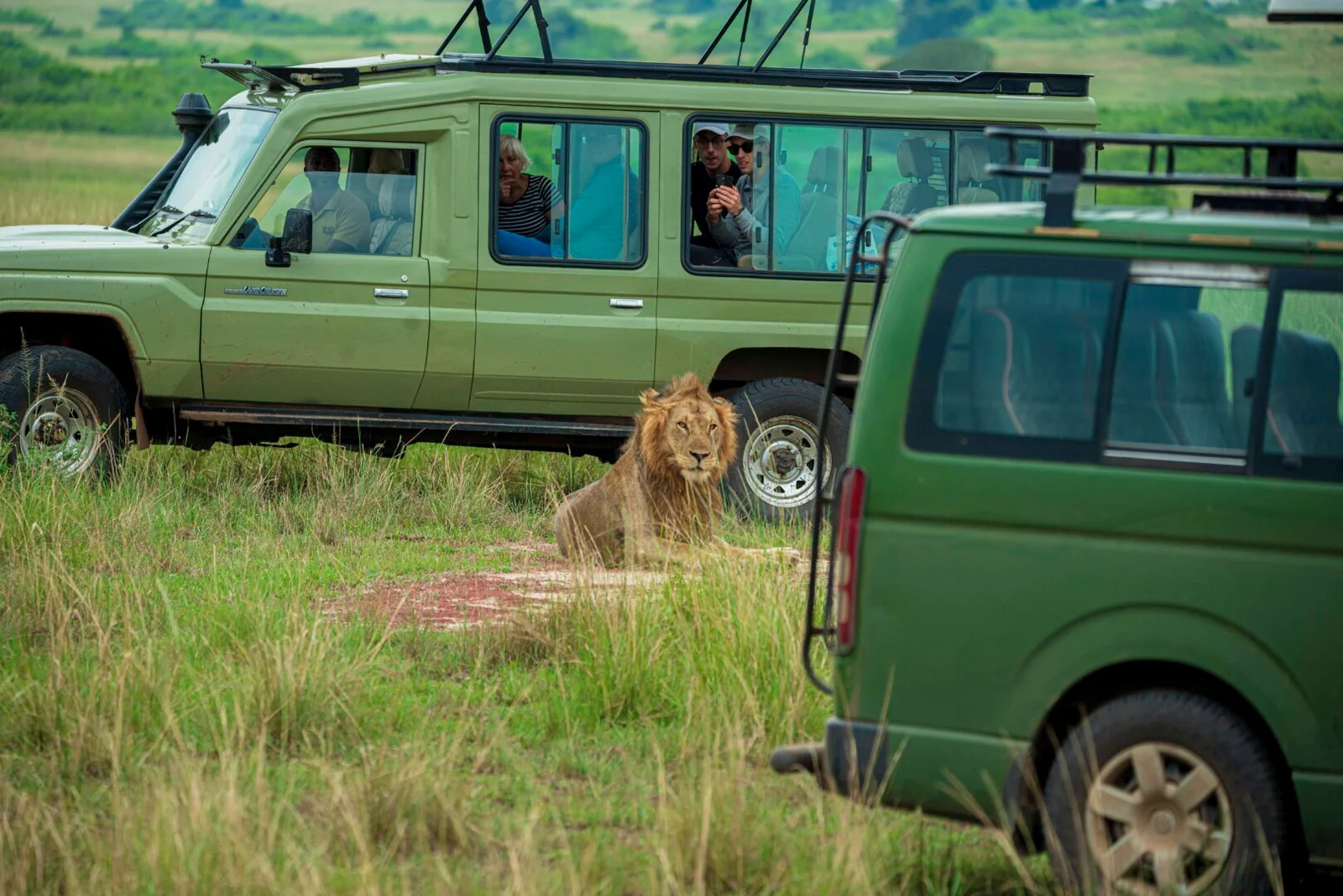
Akagera National Park offers rewarding wildlife
viewing throughout the year, but seasonal conditions influence visitor
experiences. During the dry season, animals are often easier to locate because
they remain closer to permanent water sources. The shorter vegetation also
improves visibility during game drives. However, Akagera continues to support
excellent wildlife viewing during wetter months. The park remains active, and
visitors often enjoy quieter game drives with fewer safari vehicles present.
Travelers interested in balancing costs and wildlife opportunities may find the
low season particularly attractive. Lower accommodation rates combined with
continued wildlife viewing create good value. The decision often depends on
whether visitors prioritize easier animal spotting or reduced travel expenses.
7. Chimpanzee
Tracking and Nyungwe Forest
Chimpanzee tracking in Nyungwe Forest National Park
remains an exciting activity regardless of season. During wetter months, the
forest becomes greener and supports rich biodiversity. While trails may
occasionally be muddy, the forest environment remains active and productive for
wildlife viewing. During the dry season, trekking conditions are generally
easier, making movement through the forest more comfortable. Visitors
interested in primates, bird watching, and forest walks can enjoy Nyungwe
throughout the year. The value difference often comes down to accommodation
prices and personal preference regarding weather. Travelers focused on cost
savings frequently find the low season attractive because they can access the
same wildlife experiences while paying less for accommodation and support
services.
8. Crowds and
Visitor Experience
Another important factor when evaluating value is
the number of visitors present. Peak season naturally attracts more tourists,
especially around popular gorilla trekking sectors. While park management
carefully controls visitor numbers, accommodations and tourism facilities may
feel busier during these months. The low season provides a quieter atmosphere,
allowing travelers to enjoy lodges, viewing areas, and activities with fewer
people around. Many visitors appreciate the more relaxed environment and personal
attention often available during quieter periods. For those who dislike crowded
destinations, the low season may represent better overall value despite
occasional rainfall. Fewer visitors can contribute to a more peaceful and
enjoyable safari experience across Rwanda's protected areas.
9. Photography
and Seasonal Advantages
Photographers often evaluate value differently from
other travelers. The dry season provides brighter conditions and clearer
visibility for wildlife photography. However, the low season offers dramatic
skies, green landscapes, colorful vegetation, and attractive photographic
opportunities. Forests appear vibrant after rainfall, and birdlife remains
active throughout many parts of Rwanda. Wildlife photographers may prefer
dry-season conditions, while landscape photographers often appreciate the
visual appeal of greener months. Because photography interests vary, there is
no universally superior season from a photographic perspective. Both periods
provide distinct opportunities, and the best value depends on the specific type
of images travelers hope to capture during their Rwanda safari experience.
10. Which Season
Offers the Best Overall Value?
For most budget-conscious travelers, the low season
often provides the best overall value because accommodation costs are lower
while access to gorilla trekking, chimpanzee tracking, and wildlife safaris
remains unchanged. Travelers can enjoy Rwanda's major attractions while
spending less money on lodging and travel services. However, visitors seeking
easier trekking conditions, drier weather, and more predictable wildlife
viewing may find the peak season worth the additional expense. Ultimately, the
best season depends on your priorities. If saving money and avoiding crowds are
your main goals, the low season offers excellent value. If convenience, dry
conditions, and easier travel matter most, the peak season may be the better
choice. Both seasons provide rewarding Rwanda safari experiences.