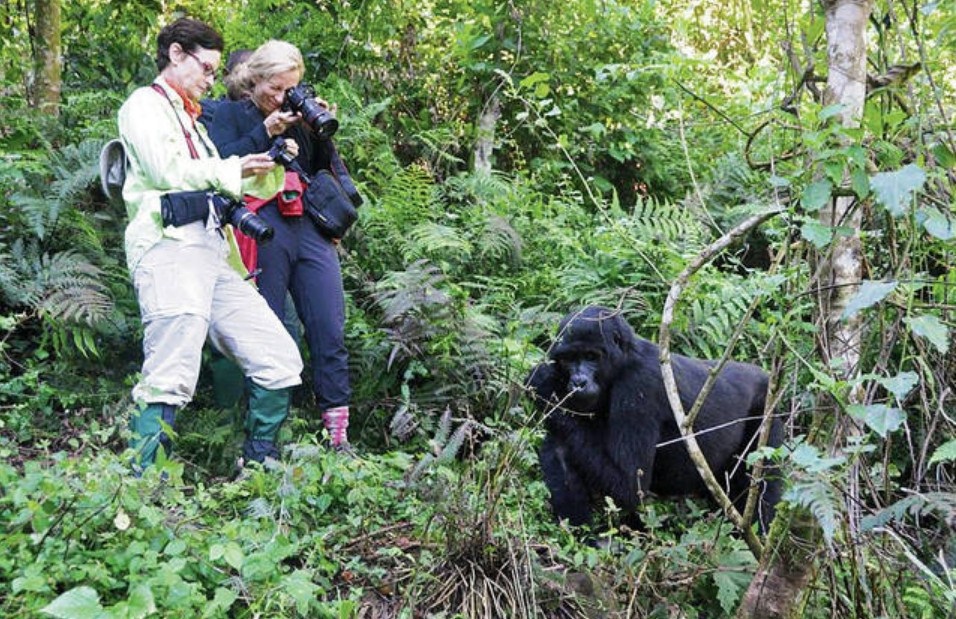

Rwanda safari tours offer much more than wildlife
viewing and gorilla trekking. They provide meaningful opportunities to experience
the country's rich cultural heritage, traditions, and community life. From
visiting the renowned Iby’Iwacu Cultural Village near Volcanoes National Park
to enjoying vibrant Intore dance performances, travelers can gain a deeper
understanding of Rwanda’s history and identity. Cultural experiences include
exploring local markets, participating in traditional cooking sessions, touring
coffee and tea farms, joining community walks, and meeting skilled artisans.
Visitors can also learn about Rwanda’s remarkable journey of resilience through
historical sites such as the Kigali Genocide Memorial. These cultural
encounters complement wildlife adventures by creating authentic connections
with local communities, making Rwanda safari tours more immersive, educational,
and memorable for travelers seeking a complete African experience.
1. Visiting the
Iby’Iwacu Cultural Village
One of the most popular cultural experiences on
Rwanda safari tours is a visit to the Iby’Iwacu Cultural Village, located near
Volcanoes National Park. This community-based tourism initiative allows
visitors to learn about traditional Rwandan lifestyles, customs, and history
through interactive activities. Guests can participate in traditional dances,
listen to local songs, observe ancient hunting techniques, and learn how
traditional homes were constructed. Former poachers are among the community
members who now earn income through tourism, helping protect wildlife while
preserving cultural heritage. Visitors also have opportunities to engage
directly with villagers and hear personal stories about life in rural Rwanda.
The experience adds depth to a safari by showing how communities coexist with
conservation efforts and provides valuable insights into Rwanda’s rich
traditions and contemporary development.
2. Experiencing
Traditional Intore Dance Performances
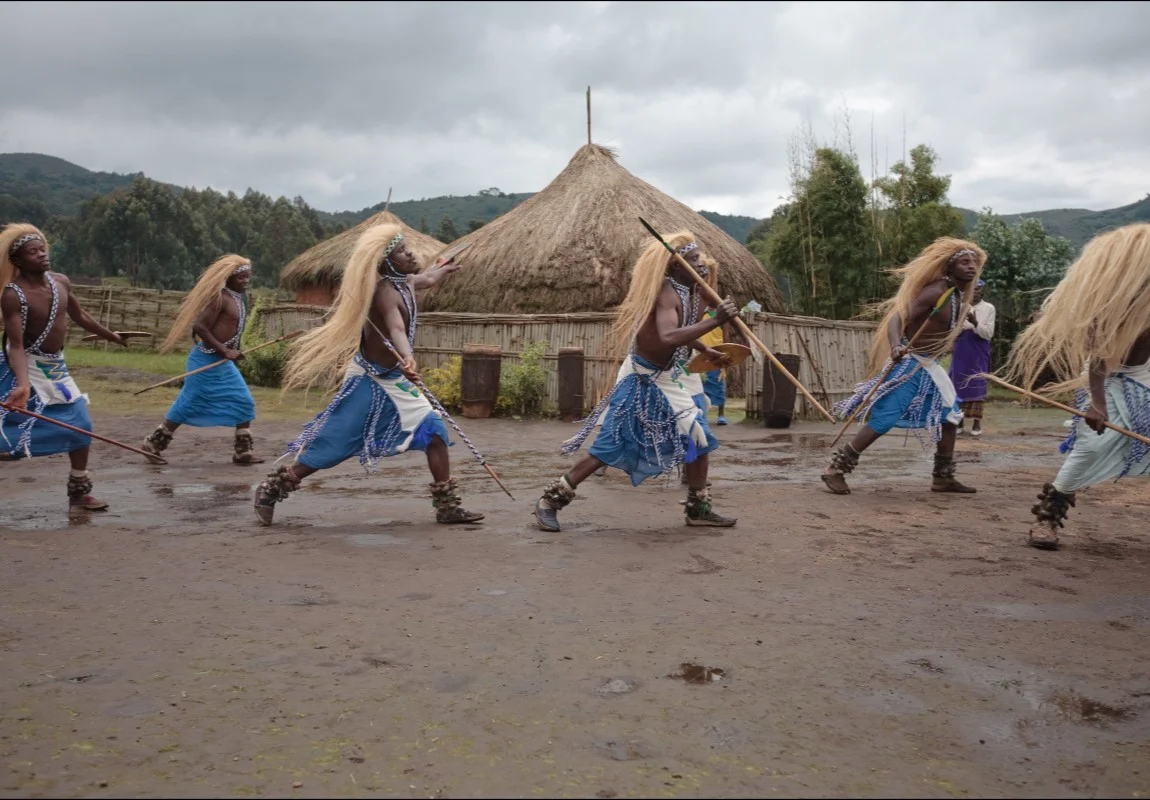
Traditional Intore dancing is one of Rwanda’s most
celebrated cultural performances and a highlight for many travelers. Known as
the “Dance of Heroes,” Intore features energetic movements, rhythmic drumming,
and colorful attire inspired by Rwanda’s historical warrior traditions. During
Rwanda safari tours, visitors can attend performances that showcase the skill,
discipline, and cultural meaning behind this important art form. Dancers often
wear grass wigs and carry symbolic spears while moving with remarkable
precision and grace. The accompanying drummers create powerful rhythms that
enhance the atmosphere and excitement of the event. Watching an Intore
performance provides more than entertainment; it offers an introduction to
Rwanda’s cultural identity and long-standing traditions. Many visitors regard it
as a memorable complement to their wildlife experiences.
3. Learning
Traditional Rwandan Cooking
Rwanda safari tours often include opportunities to
experience local cuisine through cooking demonstrations or community visits.
Travelers can learn how traditional meals are prepared using locally grown
ingredients such as beans, bananas, sweet potatoes, cassava, and vegetables.
Community members demonstrate cooking methods passed down through generations
and explain the cultural significance of different dishes. Visitors may
participate in preparing meals and enjoy tasting authentic Rwandan food
afterward. These culinary experiences offer a deeper understanding of local
lifestyles and agricultural practices. Food plays an important role in social
gatherings and family life throughout the country, making cooking activities a
meaningful way to connect with communities. Travelers often leave with new
recipes and a greater appreciation for Rwanda’s culinary heritage and
hospitality.
4. Exploring
Rwanda’s Local Markets
A visit to a local market provides a vibrant
cultural experience during Rwanda safari tours. Markets offer insight into
everyday life as residents buy and sell fresh produce, handmade crafts,
clothing, and household goods. Walking through these lively spaces allows
visitors to observe local commerce and interact with community members in an
authentic setting. Vendors often display colorful fruits, vegetables, spices,
baskets, and traditional products unique to different regions. Guides help
travelers understand the cultural and economic importance of these markets
while facilitating respectful interactions. Market visits also provide
opportunities to purchase locally made souvenirs that support local artisans.
The atmosphere, conversations, and variety of products create a fascinating
glimpse into the daily rhythms of Rwandan society and community life.
5. Community
Walks in Rural Villages
Community walks introduce visitors to the daily
lives of people living in Rwanda’s countryside. During these guided experiences,
travelers walk through villages, farms, and community projects while learning
about local customs and traditions. Residents often share information about
farming methods, education, family life, and community development initiatives.
Visitors may observe agricultural activities such as planting, harvesting, or
livestock management, depending on the season. These walks encourage cultural
exchange and provide opportunities for meaningful conversations that go beyond
typical tourist experiences. Community tourism initiatives generate income for
local residents while allowing travelers to gain a better understanding of
rural Rwanda. The experience creates a personal connection to the people whose
lives are closely linked to the landscapes and wildlife visitors come to
appreciate.
6. Visiting
Traditional Craft Centers
Traditional craft centers are excellent places to
learn about Rwanda’s artistic heritage during safari tours. Skilled artisans
create handwoven baskets, pottery, jewelry, wood carvings, and other handmade
products using techniques passed down through generations. Visitors can watch
demonstrations, meet craftspeople, and learn about the cultural significance of
various designs and patterns. Basket weaving is particularly important in Rwanda
and is recognized as a symbol of creativity and cultural identity. Many craft
cooperatives empower women by providing employment and economic opportunities.
Purchasing handmade items directly supports local communities and helps
preserve traditional skills. These visits give travelers a greater appreciation
for the craftsmanship and cultural knowledge involved in producing Rwanda’s
distinctive artistic creations while contributing to sustainable community
development.
7. Exploring
Rwanda’s Coffee and Tea Culture
Coffee and tea experiences have become increasingly
popular additions to Rwanda safari tours. Visitors can tour plantations, learn
about cultivation methods, and discover how some of Africa’s finest coffee and
tea products are grown and processed. Rwanda’s volcanic soils and favorable
climate create excellent conditions for high-quality agricultural production.
Guided tours often include opportunities to meet farmers, observe harvesting
practices, and participate in coffee tasting sessions. Travelers gain insight
into how these industries contribute to local livelihoods and national economic
development. Learning about coffee and tea production highlights an important
aspect of modern Rwandan culture while providing beautiful countryside scenery.
These experiences combine agriculture, community interaction, and education,
making them a rewarding complement to wildlife-focused safari activities.
8. Visiting the
Kigali Genocide Memorial
The Kigali Genocide Memorial is one of Rwanda’s most
significant historical and cultural sites. A visit offers travelers a deeper
understanding of the country's history and remarkable journey toward
reconciliation and development. The memorial honors the victims of the 1994
Genocide against the Tutsi and provides educational exhibits that explain the
events and their impact. Many Rwanda safari tours include this visit as a way
of helping travelers appreciate the resilience and progress that define modern
Rwanda. Guided tours provide context and encourage reflection on the importance
of unity, peace, and human dignity. While emotional, the experience is deeply
meaningful and helps visitors gain a broader perspective on Rwanda’s society,
history, and commitment to building a stronger future.
9. Participating
in Cultural Festivals and Celebrations
Travelers visiting during special occasions may have
opportunities to experience local festivals and cultural celebrations. These
events often feature traditional music, dance, storytelling, crafts, and
community gatherings. Festivals provide an opportunity to witness cultural
expressions that have been preserved across generations while also experiencing
Rwanda’s modern cultural identity. Local celebrations often bring together
people from different regions and backgrounds, creating a lively atmosphere
filled with color and energy. Visitors gain valuable insights into the
traditions that continue shaping contemporary Rwandan life. Depending on travel
dates, some safari itineraries can be adjusted to include cultural events.
Participating in these celebrations allows travelers to engage directly with
local communities and experience Rwanda’s culture in a festive and authentic
setting.
10. Storytelling
and Cultural Heritage Encounters
Storytelling remains an important part of Rwandan
cultural heritage and offers visitors a unique learning experience during
safari tours. Elders and community members often share oral histories,
folktales, proverbs, and traditional knowledge that have been passed from
generation to generation. These stories reflect local values, beliefs,
historical events, and lessons about social responsibility. Listening to
traditional narratives helps visitors understand the importance of oral
traditions in preserving cultural identity. Storytelling sessions may take
place in villages, cultural centers, or community tourism projects and are
often accompanied by music or demonstrations. The experience creates meaningful
interactions between travelers and local people while preserving valuable
cultural knowledge. It also provides a deeper appreciation of Rwanda’s history,
wisdom, and enduring cultural traditions beyond its famous wildlife
attractions.