
Getting close to mountain gorillas is one of the
most exciting aspects of gorilla
trekking in Rwanda and Uganda. While visitors are required to maintain a
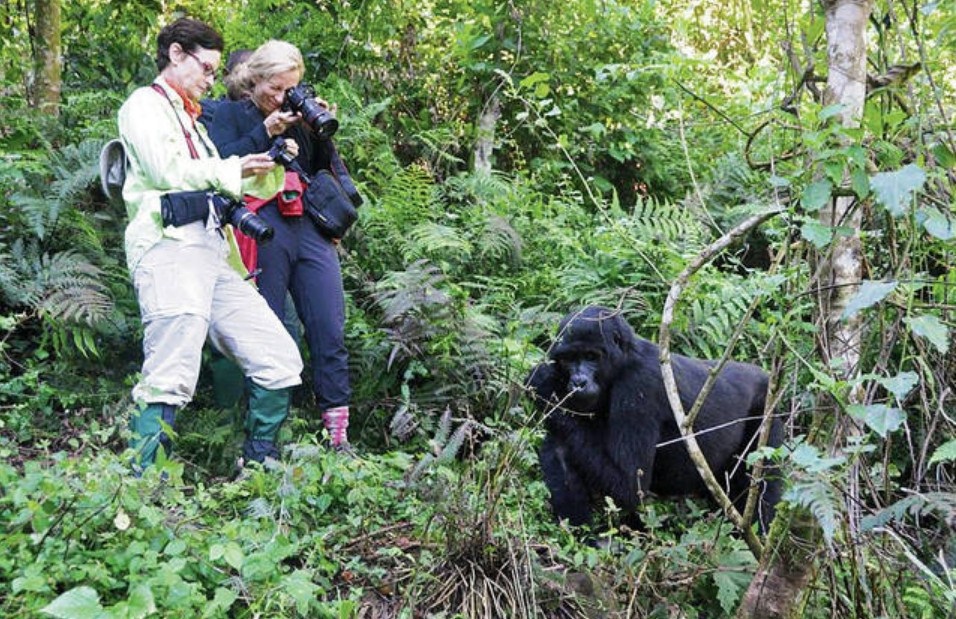
recommended distance of seven meters from the gorillas, encounters often feel
much closer because these gentle giants move freely within their natural
habitat. Habituated gorilla families are accustomed to human presence and may
occasionally approach trekkers out of curiosity, creating unforgettable
moments. Strict guidelines are enforced to protect gorillas from human diseases
and to preserve their natural behavior. Understanding the rules, the reasons
behind them, and what to do during close encounters helps visitors enjoy a safe
and responsible experience. This guide explains how close visitors can get to
mountain gorillas and why maintaining respectful boundaries plays a vital role
in conservation and sustainable tourism.
1. Understanding
the Viewing Distance Rule
One of the most common questions among travelers
planning a gorilla trek is how close they can get to mountain gorillas. During
gorilla trekking experiences in Uganda and Rwanda, visitors are generally
required to maintain a distance of about seven meters from the gorillas. This
guideline was introduced to protect these endangered primates from diseases
that humans may unknowingly carry. Mountain gorillas share a large percentage
of their DNA with humans, making them vulnerable to human illnesses such as colds
and flu. Rangers explain these regulations before every trek and ensure that
visitors follow them throughout the encounter. While the seven-meter rule is
the standard, the reality of being in a natural forest environment means
gorillas sometimes move around freely. The distance rule remains an important
part of responsible wildlife tourism and conservation.
2. Why the
Seven-Meter Distance Is Important
The recommended viewing distance exists primarily
for conservation and health reasons. Mountain gorillas have immune systems that
are highly susceptible to certain human diseases. Even a mild illness that
causes little discomfort in humans may have serious consequences for a gorilla
family. By maintaining a safe distance, conservation authorities reduce the
possibility of disease transmission while still allowing visitors to enjoy a
meaningful wildlife encounter. This rule also prevents unnecessary stress on
the gorillas and helps them continue their natural behavior. During gorilla
trekking, guides monitor guests carefully and provide instructions whenever
individuals move too close. The effectiveness of these measures has played a
significant role in the long-term protection of mountain gorillas. Responsible
tourism practices continue supporting successful conservation efforts
throughout the region.
3. What Happens
When Gorillas Move Closer?
Although visitors are instructed to keep a safe
viewing distance, mountain
gorillas do not always observe the same rule. Since these gorillas live
freely in their natural habitat, they often move wherever they choose. It is
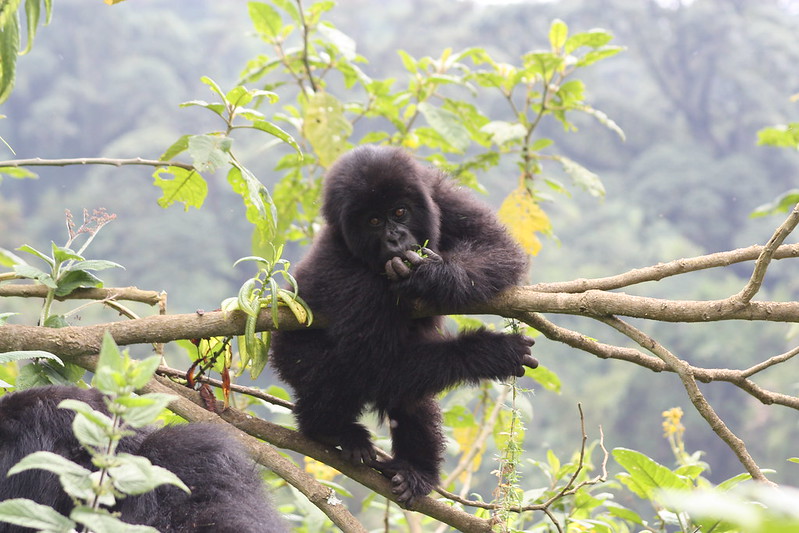
common for curious young gorillas to approach visitors more closely than
expected. In some cases, a gorilla may walk directly past a tourist while
moving through the forest. When this happens, visitors are instructed to remain
calm, avoid sudden movements, and follow the park ranger’s guidance. The close
approach of a gorilla should never be interpreted as an invitation to touch or
interact with the animal. Such moments are considered special privileges of
observing wildlife in its natural environment. Rangers are trained to manage
these encounters safely and responsibly.
4. Can Visitors
Touch a Mountain Gorilla?
Touching mountain gorillas is strictly prohibited
during all trekking experiences. Even when a gorilla approaches within arm’s
reach, visitors must resist the urge to reach out or make physical contact.
Human contact can transmit dangerous diseases, disrupt natural behavior, and
potentially create unnecessary stress for the animals. Mountain gorillas are
wild creatures despite appearing calm and peaceful around humans. Maintaining a
respectful distance ensures both visitor safety and gorilla welfare. Rangers
provide clear instructions before trekking begins and remind travelers of these
regulations throughout the encounter. The opportunity to observe gorillas
naturally is far more valuable than physical interaction. Conservation success
depends on maintaining healthy boundaries between humans and wildlife.
Respecting these rules helps preserve mountain gorillas for future generations
of travelers and researchers.
5. The Role of
Habituation in Close Encounters
Mountain gorillas visited by tourists belong to
habituated families. Habituation is a lengthy process during which gorillas
gradually become accustomed to the presence of humans without feeling
threatened. This process can take several years and involves daily monitoring
by researchers and conservation teams. Because habituated gorillas recognize
human presence as non-threatening, they often continue feeding, grooming,
playing, or resting while tourists observe them. This comfort level sometimes
results in gorillas moving surprisingly close to visitors. However, habituation
does not mean the gorillas become domesticated or dependent on humans. They
remain completely wild animals living according to natural instincts.
Habituation simply allows travelers to witness authentic gorilla behavior at
relatively close range while minimizing stress on the animals and supporting
conservation-based tourism programs.
6. How Rangers
Manage Visitor-Gorilla Interactions
Professional park rangers play a critical role in
ensuring safe interactions between visitors and mountain gorillas. Before
entering the forest, guides conduct a detailed briefing covering safety procedures,
behavior expectations, and conservation regulations. During the trek, they
assess gorilla movements and position visitors appropriately. If gorillas
approach too closely or situations change unexpectedly, rangers provide
immediate instructions. Their experience allows them to interpret gorilla
behavior accurately and identify signs of curiosity, relaxation, or discomfort.
Rangers also work alongside trackers who locate gorilla families before
tourists arrive. This coordinated approach reduces disturbances and creates an
enjoyable experience for everyone involved. The presence of trained
professionals helps ensure that close gorilla encounters remain safe,
respectful, and beneficial to both visitors and wildlife conservation efforts.
7. How Close Is
Close Enough for Photography?
Many visitors wonder whether the recommended viewing
distance affects photography opportunities. Fortunately, mountain gorilla
trekking provides excellent chances for remarkable photographs even when
observing from several meters away. Gorillas are large animals, and modern
cameras can capture detailed images without requiring extreme proximity. Since
habituated gorillas often continue their daily activities near visitors,
photographers frequently obtain outstanding portraits and behavioral shots.
Lighting conditions in the forest can present challenges, making appropriate
camera settings more important than physical closeness. Professional
photographers regularly capture world-class images while respecting
conservation guidelines. Maintaining the recommended distance actually benefits
photography in many situations because it allows gorillas to behave naturally.
Natural behaviors often create more compelling images than forced or overly
intrusive encounters could ever achieve.
8. What Visitors
Should Do During Close Encounters
When a mountain gorilla unexpectedly approaches,
remaining calm is the most important response. Visitors should avoid sudden
movements, loud noises, direct staring, or attempts to move closer for photographs.
Rangers usually advise tourists to lower their voices and remain still until
the gorilla moves away. Running is never recommended because it can create
confusion or stress within the gorilla group. Respectful behavior helps
maintain the peaceful relationship that has developed between habituated
gorillas and humans over many years. These close encounters often become the
highlight of a trekking experience because they offer an extraordinary sense of
connection with wildlife. By following ranger instructions and respecting the
gorilla's space, visitors contribute to a safe and memorable encounter for
everyone involved.
9. Are Close
Encounters Safe?
Close encounters with mountain gorillas are
generally considered safe when conducted under the supervision of trained
guides and rangers. Habituated gorillas are accustomed to human presence and
are usually calm when visitors follow established guidelines. Aggressive
incidents are extremely rare during organized trekking activities. However,
mountain gorillas remain powerful wild animals and should always be treated
with respect. Visitors must avoid actions that could be perceived as
threatening, such as sudden gestures or attempts to touch the animals. Rangers
continuously monitor the group's behavior and intervene when necessary to
maintain safety. Decades of responsible tourism and conservation management
have demonstrated that controlled gorilla trekking can successfully balance
visitor experiences with wildlife protection. Following regulations is the foundation
of a safe encounter.
10. The Unique
Experience of Sharing Space with Gorillas
Perhaps the most remarkable aspect of gorilla
trekking is not simply how close visitors can get, but the feeling of quietly
sharing the forest with one of the world's most extraordinary primates.
Watching a silverback oversee his family, observing mothers care for infants,
or seeing young gorillas play among the vegetation creates unforgettable
memories. Even at a respectful distance, travelers often feel a deep connection
because of the gorillas' human-like expressions and behaviors. The experience
demonstrates the importance of protecting endangered species and their
habitats. While conservation rules determine how close visitors may stand, the
emotional impact goes far beyond physical distance. For many travelers,
spending one hour near mountain gorillas becomes the defining moment of an
African safari and a memory that lasts a lifetime.