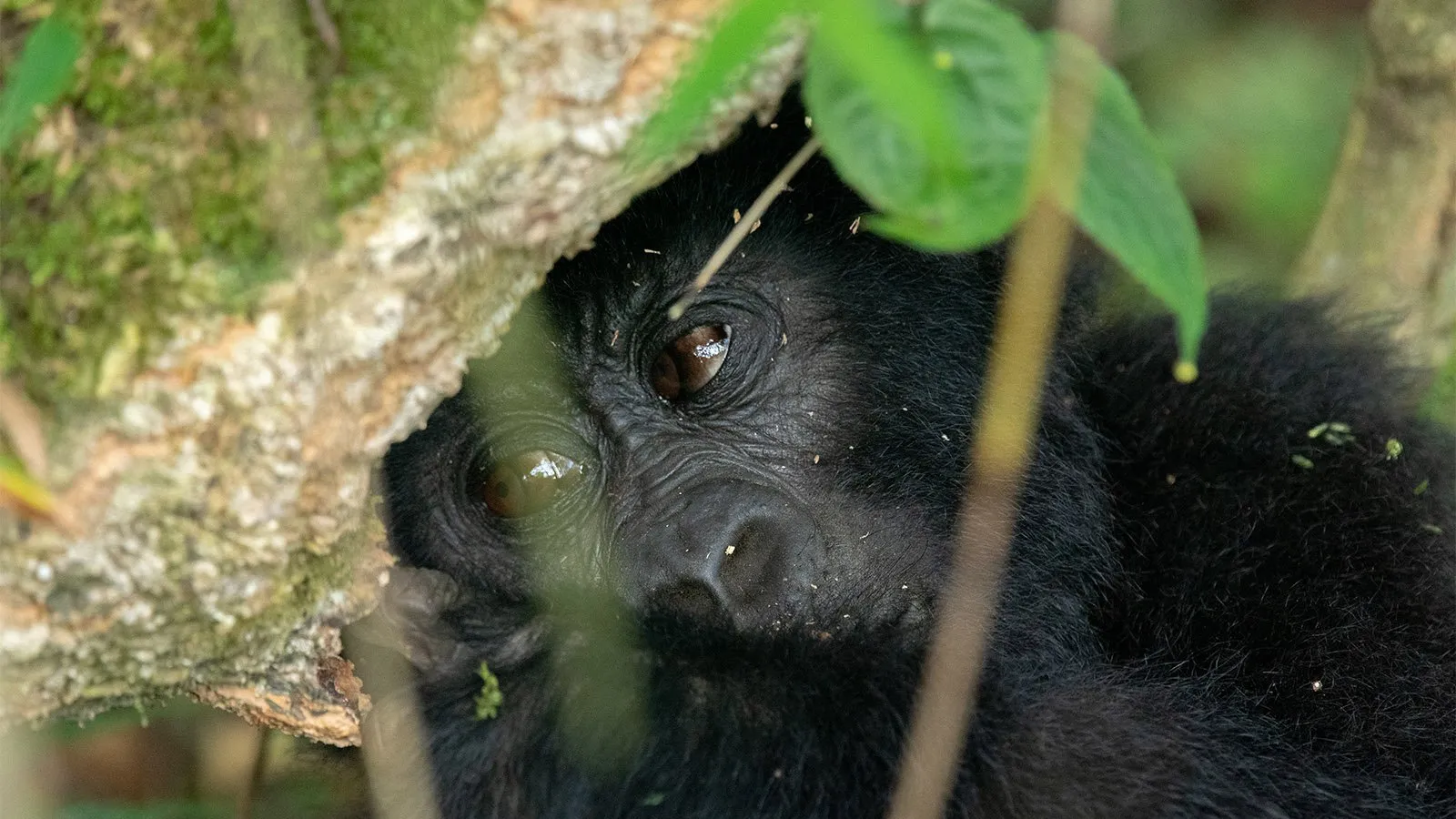

Uganda offers some of the highest chances of seeing
mountain gorillas in the wild with 95-99%, making gorilla trekking one of
Africa’s most rewarding wildlife experiences. The odds of finding gorillas are
extremely high because habituated gorilla families are monitored daily by
trained trackers and rangers in Bwindi Impenetrable National Park and Mgahinga
Gorilla National Park. Before trekking begins, tracking teams locate the
gorillas and guide visitors toward their position, greatly increasing the
success rate. While trekking times vary depending on gorilla movements, most
visitors successfully see a gorilla family during their scheduled trek.
Weather, season, and trekking difficulty may influence the experience, but they
rarely affect the likelihood of sightings. Strong conservation efforts,
experienced guides, and a growing gorilla population continue to make Uganda a
leading destination for mountain gorilla tourism.
1. The Chances
Are Extremely High
The chances of seeing mountain gorillas during a
gorilla trekking trip in Uganda are extremely high 95-99%, making it one of the
most reliable wildlife experiences in Africa. Uganda Wildlife Authority rangers
and trackers monitor habituated gorilla families daily and know their general
movements within the forest. Before visitors begin trekking, advance teams
locate the gorillas and communicate their position to guides. This system
greatly increases the likelihood of successful sightings. Many travelers worry
about spending money and not finding gorillas, but this concern is usually
unnecessary. Most trekking groups locate the gorillas on the same day. While
wildlife can never be guaranteed completely, mountain gorillas in Uganda are
closely monitored, which gives visitors a very strong chance of seeing them
during their scheduled trek in the forests.
2. Habituated
Gorilla Families Improve Success Rates
One major reason the success rate is so high is the
presence of habituated gorilla families. These groups have gradually become
accustomed to human presence through a careful conservation process. Rangers
understand their feeding areas, resting spots, and movement patterns. This
makes tracking more predictable than searching for completely wild animals. Visitors
are only allowed to trek families that have undergone habituation and are
suitable for tourism. Every morning, trackers begin searching before tourists
arrive and report the location of each family. By the time trekking begins,
guides already have useful information that helps narrow the search area. This
organized system significantly reduces uncertainty and allows visitors to focus
on enjoying the experience rather than worrying about whether they will locate
gorillas.
3. Bwindi Has
the Largest Gorilla Population
Bwindi Impenetrable National Park gives visitors
excellent chances of finding mountain gorillas because it contains the largest
population of these animals in Uganda. The park is home to numerous habituated
families spread across different sectors. Because there are multiple trekking
groups operating daily, visitors have numerous options available when permits
are booked. The large number of gorillas increases the probability of locating
one of the monitored families during a trek. Trackers continuously gather
information on gorilla movements, helping guides direct visitors toward active
groups. The combination of a substantial gorilla population, experienced
guides, and daily monitoring has made Bwindi one of the world's leading
destinations for gorilla trekking. Many travelers successfully see gorillas
during their first visit to the park.
4. Mgahinga Also
Offers Excellent Opportunities
Although smaller than Bwindi, Mgahinga Gorilla
National Park also provides very good chances of seeing mountain gorillas. The
park hosts a habituated gorilla family that is frequently visited by tourists.
Because visitor numbers are usually lower than in Bwindi, some travelers
appreciate the quieter atmosphere. Rangers carefully monitor the gorillas and
provide guides with updated information before each trek. The landscape differs
from Bwindi, with volcanic terrain and mountain slopes creating a unique
trekking environment. Visitors who choose Mgahinga often enjoy a more intimate
experience due to the smaller number of trekking groups. While the park has
fewer gorillas than Bwindi, the chances of successful sightings remain very
high because of the strong tracking systems and experienced ranger teams
operating daily.
5. Weather
Rarely Prevents Gorilla Sightings
Some travelers worry that rain could affect their
chances of seeing gorillas, but weather rarely prevents successful treks.
Uganda's mountain forests receive rainfall throughout the year, and gorillas
continue their daily activities regardless of weather conditions. Rangers and
trackers are accustomed to working in wet conditions and continue monitoring
the families. During rainy periods, trails can become muddy and trekking may
require more effort, but gorilla sightings remain highly likely. In some cases,
gorillas may stay closer to certain areas when food is abundant nearby, making
the search easier. Visitors should prepare with waterproof clothing and sturdy
hiking boots. The weather may influence trekking comfort, but it does not
significantly reduce the likelihood of finding mountain gorillas in Uganda.
6. Gorilla
Movements Can Affect Trekking Distance
While seeing gorillas is highly likely, the amount
of time required to reach them can vary greatly. Mountain gorillas move freely
through the forest in search of food and comfortable resting locations. Some
trekking groups find gorillas within an hour, while others spend several hours
hiking before locating them. The length of the trek depends on where the
gorillas spent the previous night and how far they have traveled. Visitors
should be mentally prepared for both short and long hikes. Physical fitness can
help make the experience more enjoyable, but guides adjust the pace to
accommodate participants. Regardless of the trekking duration, most visitors eventually
reach the gorillas and enjoy their allocated viewing time once the family is
located.
7. Experienced
Guides Boost Success
Uganda's gorilla trekking success is closely linked
to the knowledge and experience of guides, trackers, and rangers. Many have
spent years working in the parks and understand gorilla behavior exceptionally
well. They can interpret sounds, feeding signs, footprints, and nesting sites
left by the gorillas. Their expertise helps trekking groups move efficiently
through the forest. Communication between trackers and guides further improves
the chances of success. Information collected throughout the day allows teams
to adjust routes based on gorilla movements. Visitors benefit from this
coordinated approach, which makes gorilla tracking far more predictable than
many other wildlife experiences. The professionalism of Uganda's conservation
teams is one of the biggest reasons why successful gorilla sightings are so
common.
8. Time of Year
Has Little Impact
Unlike many safari experiences where wildlife
viewing changes significantly with seasons, mountain gorilla trekking remains
productive throughout the year. Gorillas stay within their forest habitat
regardless of dry or rainy conditions. As a result, visitors have strong
chances of seeing them in every month. Some travelers prefer the drier months
because trails are easier to walk, while others choose rainy periods when
forests are greener and visitor numbers may be lower. However, the timing does
not greatly affect sighting success. The monitoring and tracking systems remain
active year-round. This consistency makes Uganda an attractive gorilla trekking
destination because travelers can plan their trip based on convenience and
budget without worrying that seasonal changes will dramatically reduce their
chances of finding gorillas.
9. Conservation
Efforts Support Reliable Sightings
Years of conservation work have helped maintain
healthy mountain gorilla populations in Uganda. Rangers protect habitats,
monitor gorilla health, and reduce threats such as poaching. These efforts have
strengthened gorilla populations and improved tourism opportunities. Habituated
families are monitored regularly, creating a dependable framework for trekking
activities. Visitors contribute directly to conservation through permit fees,
which help fund protection programs and community projects. Strong conservation
management benefits both gorillas and tourists by ensuring that trekking
remains sustainable and organized. The result is a wildlife experience with unusually
high success rates. Travelers not only enjoy seeing gorillas but also support
programs that help protect these animals for future generations and maintain
the quality of gorilla tourism.
10. Most
Visitors Leave Satisfied
For most travelers, gorilla trekking in Uganda
exceeds expectations because sightings are highly likely and the experience
feels personal and genuine. Watching a gorilla family feed, rest, groom, and
interact provides a rare look into the lives of one of humanity's closest
relatives. Visitors often spend an hour observing the group once it is located,
allowing plenty of time for photographs and observation. Concerns about missing
the gorillas usually disappear once people understand how closely the families
are monitored. While no wildlife experience can be guaranteed with complete
certainty, Uganda offers some of the highest chances of successful animal
sightings anywhere in Africa. This combination of reliability, conservation
success, and close wildlife viewing makes gorilla trekking a truly valuable
experience.