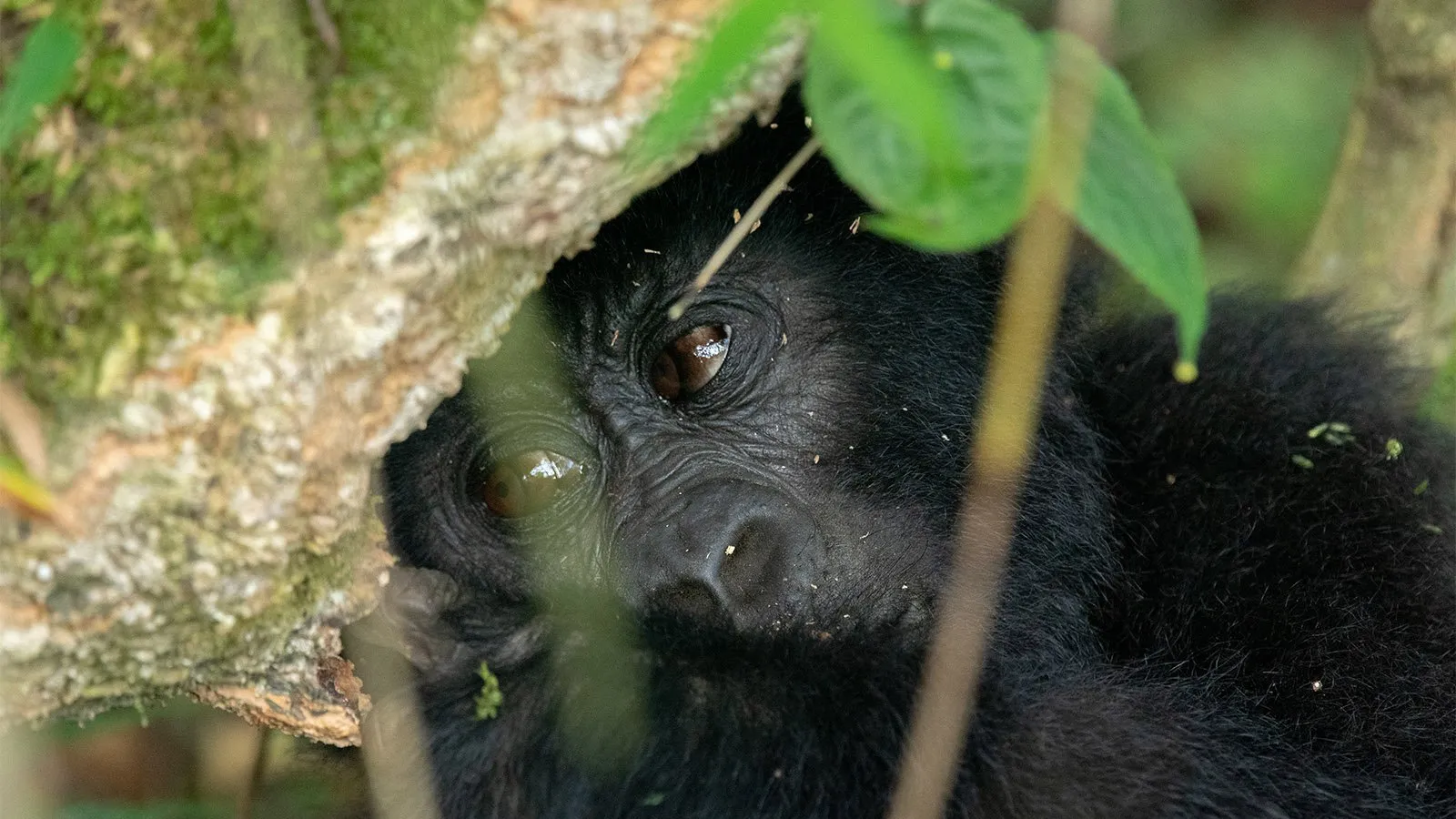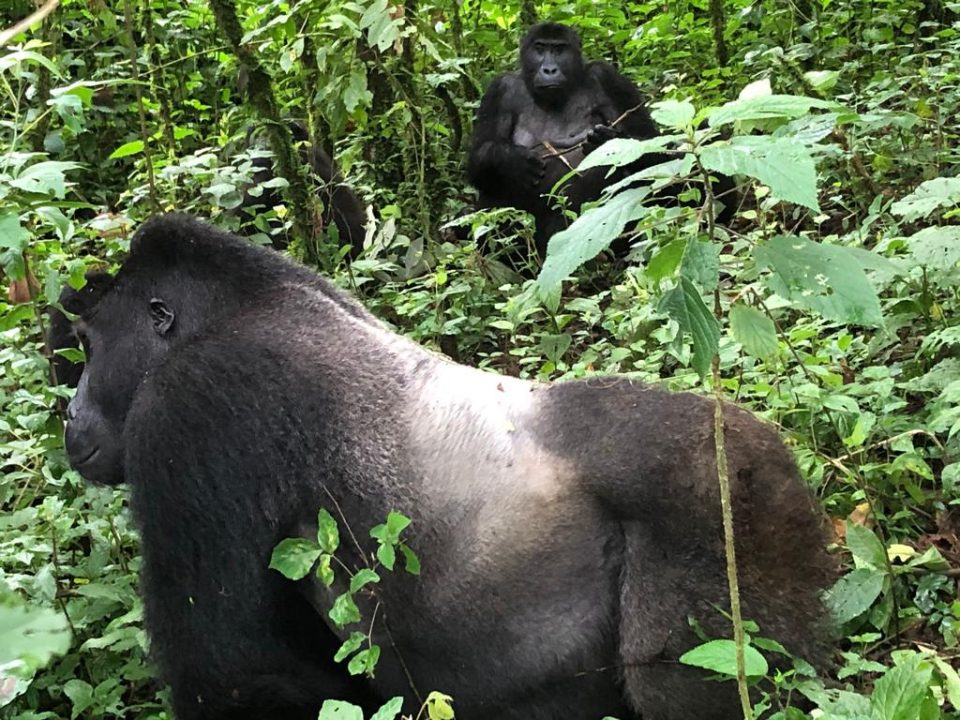

Rwanda is one of the best places in the world to see
mountain gorillas, with gorilla trekking success rates commonly reported above
95%-99%. The country's gorilla trekking activities take place in Volcanoes
National Park, where professional trackers monitor habituated gorilla families
every day. Before visitors begin hiking, ranger teams already have information
about the location of the gorillas, making sightings highly likely. The
combination of daily tracking, experienced guides, strong conservation efforts,
and well-managed tourism gives travelers excellent chances of spending time
with mountain gorillas in their natural habitat. Trekking durations vary depending
on gorilla movements, but most visitors successfully find their assigned
gorilla family. For travelers seeking a reliable wildlife experience, Rwanda
offers one of the highest probabilities of seeing mountain gorillas anywhere in
Africa.
1. The Chances
Are Extremely High
The chances of seeing mountain gorillas in Rwanda
are extremely high and are commonly reported at over 95%, with some sources
placing the success rate between 95% and 99% in Volcanoes National Park. This
strong success rate is supported by daily tracking and well-organized park
management. Many travelers choose Rwanda because they want confidence that they
will find gorillas during their trek. Unlike many wildlife experiences where
animals roam across vast landscapes, mountain gorillas in Rwanda are closely
monitored. Rangers know where the habituated families are located before
trekkers enter the forest. This system gives visitors an excellent chance of
spending time with gorillas in their natural habitat. While wildlife sightings
can never be guaranteed completely, Rwanda remains one of the most reliable
destinations in the world for gorilla trekking.
2. Daily
Tracking Greatly Increases Success
One reason Rwanda maintains such strong sighting
rates is the daily work carried out by professional trackers. Trackers enter
the forest early in the morning to locate gorilla families and determine their
movements. Before visitors start hiking, guides already have information about
the gorillas' location. According to sources describing Rwanda's tracking
system, this process removes much of the uncertainty associated with wildlife
viewing. Instead of searching randomly through the forest, trekkers follow
guides who receive updates from tracking teams. This organized approach
significantly improves the chances of finding gorillas. The combination of
skilled trackers, communication systems, and routine monitoring helps ensure
that most visitors successfully reach a gorilla family during their trek.
3. Volcanoes
National Park Is Designed for Gorilla Tourism
All gorilla trekking in Rwanda takes place in
Volcanoes National Park, which has developed a strong reputation for gorilla
tourism. Rwanda has invested heavily in ranger training, conservation, and
visitor management programs that support successful trekking experiences.
Sources note that Rwanda positions gorilla tourism as a premium wildlife
activity and supports it with substantial infrastructure and tracking systems.
This investment benefits visitors because it improves organization and
efficiency. From the briefing process to ranger support during treks,
everything is structured to maximize the possibility of successful gorilla
sightings. For travelers spending significant money on a permit, this
well-managed system provides reassurance that their experience is likely to
meet expectations.
4. Habituated
Gorilla Families Make Sightings Easier
Tourists only visit habituated gorilla families,
meaning the gorillas are accustomed to the presence of humans. Habituation
takes years and is carefully managed by conservation teams. As a result, the
gorillas generally remain calm when visitors approach under ranger supervision.
Sources indicate that habituated families are one of the main reasons Rwanda
achieves such high sighting rates. Visitors are not trying to locate completely
wild and unaccustomed gorillas hidden deep within the forest. Instead, they are
tracking gorilla groups that are regularly monitored and already comfortable
with responsible tourism practices. This greatly improves visitor success while
supporting conservation goals and sustainable tourism
5. Terrain Can
Help Tracking Efforts
Some sources note that the terrain of Volcanoes
National Park can help trackers locate gorillas efficiently. The volcanic
slopes and vegetation patterns sometimes allow faster visual confirmation once
trackers reach the correct area. Although the terrain can still be challenging
and physical fitness is important, experienced trackers know how to navigate
these mountain forests effectively. Trekkers may hike for a short period or
several hours depending on where the gorillas moved during the previous day.
Regardless of trek length, the monitoring system allows guides to focus their
efforts in the right locations. This contributes to Rwanda's strong reputation
for successful gorilla sightings.
6. Weather
Rarely Prevents Gorilla Sightings
Rwanda experiences both wet and dry seasons, but
weather rarely prevents successful gorilla trekking. Even during rainy months,
trackers continue monitoring gorilla families and sharing location information
with guides. Some sources mention that heavy rain can make tracking more
difficult, but the overall success rate remains very high because of the
strength of the tracking system. Visitors may need waterproof clothing and
sturdy hiking boots, especially during wet periods. While muddy trails can
increase trekking difficulty, mountain gorillas remain active within their
habitat year-round. This means travelers can confidently plan gorilla trekking
in different months without worrying that rain will dramatically reduce their
chances of seeing gorillas
7. Gorilla
Families Are Located Before Trekkers Depart
One of the biggest advantages of Rwanda's trekking
system is that trackers often know the location of gorilla families before
visitors leave park headquarters. Sources explain that gorilla groups are
monitored daily and their positions are recorded before trekking begins. This
means visitors are not relying on luck. Rangers already have a strong idea of
where the assigned gorilla family can be found. Once groups are matched with
specific gorilla families, guides lead trekkers toward known locations rather
than conducting wide-ranging searches. This organized process is one of the main
reasons gorilla trekking in Rwanda has become known for its consistently high
success rates.
8. Physical
Fitness Affects the Trek, Not the Chances
Many travelers wonder whether fitness affects their
chances of seeing gorillas. In most cases, it influences trekking comfort
rather than success. Rwanda often assigns gorilla families partly according to
visitor fitness levels, helping ensure that trekkers are matched with suitable
hiking routes. Some gorilla groups may be reached after a relatively short
walk, while others require longer climbs through mountainous terrain.
Regardless of difficulty, guides work to get visitors safely to their assigned
gorilla family. Preparing physically for the trek can make the experience more
enjoyable, but travelers should understand that Rwanda's organized system is
designed to give all participants strong opportunities to find gorillas.
9. Conservation
Supports High Success Rates
Rwanda's conservation efforts play a major role in
maintaining strong trekking success. Mountain gorillas are carefully protected
through anti-poaching patrols, monitoring programs, veterinary support, and
regulated tourism policies. Sources highlight that Rwanda's long-term
commitment to conservation has helped create one of the most dependable gorilla
tourism models in the world. Healthy gorilla populations and regular monitoring
make it easier for trackers to locate families consistently. Visitors benefit
directly from these conservation initiatives because they increase both the
safety of gorillas and the quality of trekking experiences. Permit fees also
contribute to conservation programs that support the future of mountain
gorillas.
10. Most
Visitors Successfully See Gorillas
For the vast majority of travelers, gorilla trekking
in Rwanda ends with a successful gorilla sighting. Multiple sources report
success rates above 95%, with some citing rates that reach 99% under Rwanda's
highly organized system. Visitors often spend one hour observing gorillas once
the family is located, providing ample time for photography and observation.
Watching silverbacks, mothers, young gorillas, and family interactions creates
a rewarding wildlife experience. While no wild animal sighting can ever be
guaranteed completely, Rwanda comes very close thanks to professional tracking,
habituated gorilla groups, and strong conservation management. For travelers
seeking one of the best opportunities to see mountain gorillas in the wild,
Rwanda remains an outstanding choice.