
Planning ahead for health and safety can make your Uganda
safari more comfortable and enjoyable. From preparing necessary travel
documents and vaccinations to protecting yourself from mosquitoes and staying
hydrated, simple precautions help reduce common travel risks. Visitors should
also follow wildlife safety guidelines, choose suitable clothing, maintain good
food and water hygiene, and secure comprehensive travel insurance before
arrival. Gorilla trekking, chimpanzee tracking, game drives, and nature walks
require both physical preparation and awareness of guide instructions. Keeping
emergency contacts accessible and understanding basic safety practices can
provide peace of mind throughout your trip. Whether visiting Uganda for
wildlife, primates, birdwatching, or cultural experiences, following these
updated health and safety tips will help you stay protected and make the most
of your safari adventure.
1. Consult Your
Doctor Before Travel
Before traveling, schedule a medical checkup and
discuss your safari plans with a healthcare professional. Uganda's climate,
altitude variations, and remote safari locations may require specific health
preparations depending on your medical condition. Your doctor can advise on
recommended vaccinations, prescription medications, and preventive measures
suitable for your trip. Travelers with existing conditions such as asthma,
diabetes, heart disease, or allergies should carry sufficient medication for
the entire safari period. It is also wise to bring copies of prescriptions in
case replacements are needed. Planning ahead reduces the risk of health issues
during your safari. Proper medical preparation allows you to focus on enjoying
wildlife activities, gorilla trekking, game drives, and other experiences
without unnecessary concerns about your health while in Uganda.
2. Carry
Recommended Vaccinations and Travel Documents
Health preparation is an important part of any
Uganda safari. Travelers should ensure their routine vaccinations are up to
date before departure. It is wise to carry vaccination records and other
important travel documents in both printed and digital formats. A
well-organized travel file can save time during airport procedures and border
crossings. Keep copies of your passport, travel insurance details, emergency
contacts, and booking information in a secure location. Having these documents
readily available provides peace of mind throughout your trip. Losing important
paperwork can create unnecessary stress, particularly when visiting remote
safari locations. Careful preparation helps avoid delays and allows travelers
to respond quickly if assistance is required during their time in Uganda's
national parks and wildlife reserves.
3. Protect
Yourself from Mosquito Bites
Mosquito protection should be a priority during a
Uganda safari. While many safari areas are safe and well managed, reducing
exposure to mosquito bites helps lower the risk of mosquito-borne illnesses.
Wear long-sleeved shirts and long trousers during the early morning and evening
when mosquitoes are most active. Applying insect repellent on exposed skin can
provide additional protection throughout the day. Safari lodges frequently
provide mosquito nets in guest rooms, and visitors should use them whenever
available. Light-colored clothing can also be useful because it attracts fewer
insects than dark colors. Avoid leaving doors and windows open unnecessarily at
night. Consistent mosquito protection allows travelers to enjoy game drives,
nature walks, and evening activities with greater comfort and reduced health
concerns.
4. Stay Hydrated
Throughout Your Safari
Uganda's warm temperatures and active safari
schedules can increase the risk of dehydration, particularly during game
drives, hiking activities, and gorilla trekking. Drinking enough water
throughout the day helps maintain energy levels and reduces fatigue. Travelers
should carry reusable water bottles and drink regularly, even if they do not
feel thirsty. Signs of dehydration can include headaches, dizziness, dry mouth,
and reduced concentration. Excessive consumption of alcohol may contribute to
dehydration, particularly in hot conditions. Many safari operations provide
bottled drinking water, but visitors should take personal responsibility for
maintaining adequate fluid intake. Staying hydrated improves overall comfort
and physical performance during safari activities. It also helps travelers
better handle extended periods outdoors in varying weather conditions.
5. Follow
Wildlife Safety Rules
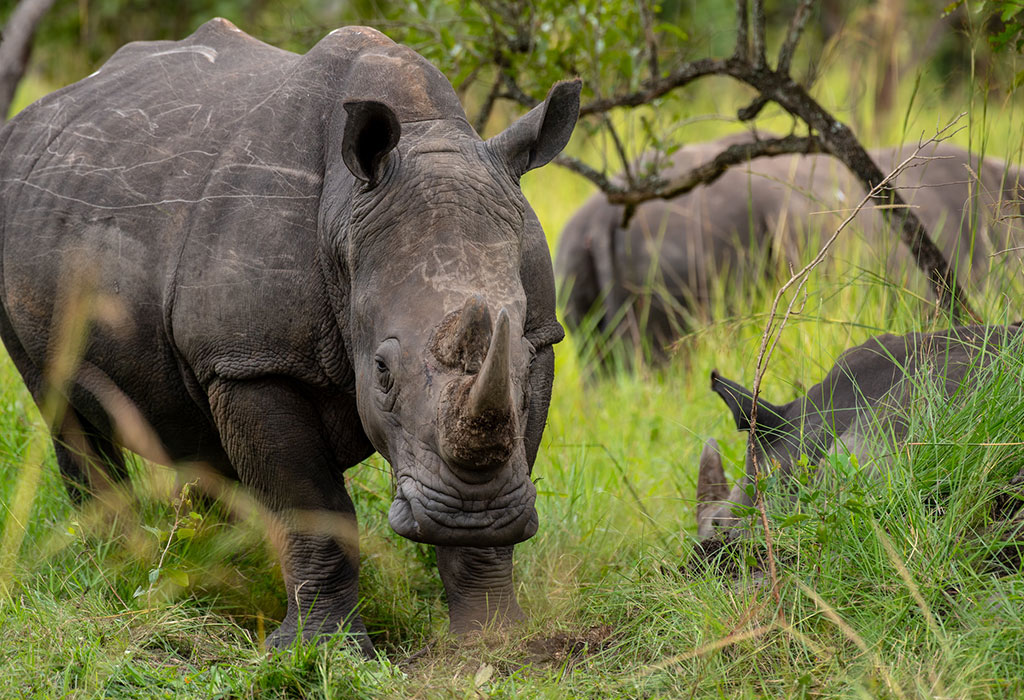
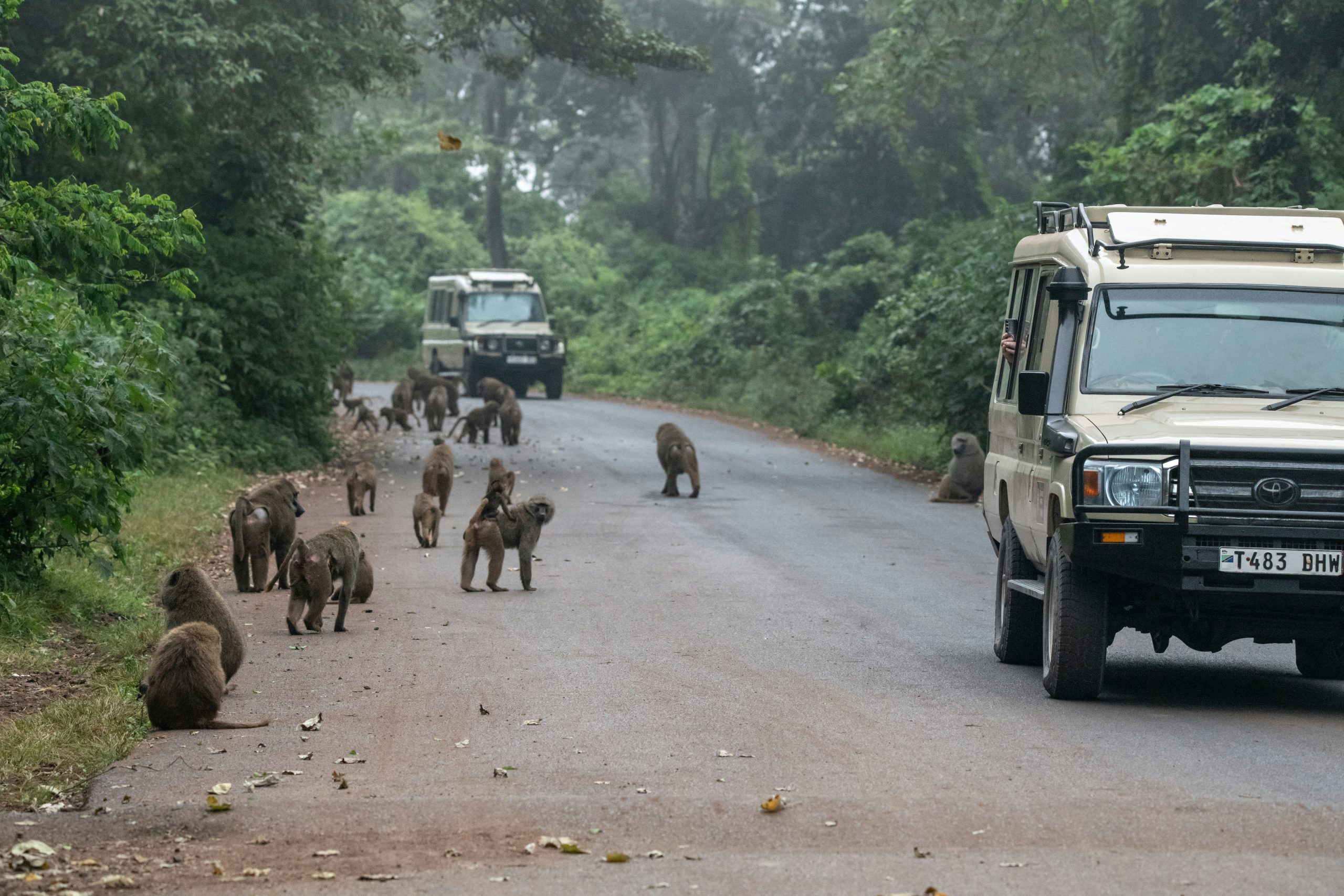
Wildlife safety instructions exist to protect both
visitors and animals. During a Uganda safari, guides provide specific
directions regarding safe distances and appropriate behavior around wildlife.
Visitors should remain inside safari vehicles unless guided otherwise and
should never attempt to feed or approach wild animals. Even animals that appear
calm can react unpredictably if they feel threatened. Maintaining a respectful
distance allows animals to continue their natural activities without
disturbance. Loud noises, sudden movements, and attempts to attract animal
attention should be avoided. Following guide instructions significantly reduces
the risk of dangerous situations. Respect for wildlife also contributes to
conservation efforts by promoting responsible tourism practices. Safe behavior
helps ensure positive wildlife viewing experiences throughout your safari.
6. Dress
Appropriately for Safari Activities
Choosing suitable clothing can improve safety and
comfort during a Uganda safari. Lightweight, breathable clothing helps travelers
stay comfortable in warm conditions, while long sleeves and trousers provide
protection against insects, vegetation, and sun exposure. Neutral colors such
as green, brown, and khaki are generally practical because they blend with
natural surroundings. Sturdy walking shoes are essential for trekking and
guided walks, particularly in forested areas and uneven terrain. A waterproof
jacket can be useful because weather conditions may change unexpectedly. Hats
and sunglasses provide extra protection from strong sunlight. Comfortable
clothing reduces physical strain and allows travelers to focus on safari
activities. Proper preparation also helps prevent common issues such as
blisters, sunburn, and insect bites.
7. Practice Food
and Water Safety
Paying attention to food and water safety helps
reduce the risk of stomach-related illnesses during travel. Visitors should
drink safe, treated, or bottled water and avoid consuming water from unknown
sources. Freshly prepared meals from reputable safari lodges, camps, and
restaurants are generally the safest options. Fruits should ideally be washed
or peeled before eating when possible. Hand hygiene is equally important,
especially before meals and after outdoor activities. Carrying hand sanitizer
can be useful when soap and water are not readily available. Travelers with
dietary restrictions or food allergies should communicate their requirements in
advance. Taking basic precautions with food and drinking water helps maintain
good health and minimizes disruptions to your safari schedule.
8. Purchase
Comprehensive Travel Insurance
Travel insurance is one of the most important safety
measures for a Uganda safari. A suitable policy should cover medical
emergencies, trip cancellations, evacuation services, luggage loss, and
unexpected travel interruptions. Safari activities sometimes take place in
remote areas where medical assistance may require transportation over long
distances. Insurance provides financial protection and support if unforeseen
circumstances arise. Before departure, travelers should carefully review policy
details to understand coverage limits and exclusions. Keep insurance
information accessible throughout the trip and share emergency contact details
with family members. Having adequate insurance allows visitors to travel with
greater confidence. It provides reassurance that support is available if
medical, logistical, or travel-related challenges occur during the safari.
9. Prepare
Physically for Gorilla and Chimpanzee Trekking
Many Uganda safari itineraries include gorilla
trekking or chimpanzee tracking, both of which can involve several hours of
walking through forests and uneven terrain. Improving fitness before travel can
help make these activities more comfortable and enjoyable. Regular walking, hiking,
or light exercise in the weeks before departure may improve endurance.
Travelers should also bring supportive footwear and appropriate clothing for
forest conditions. Listen carefully to briefing instructions provided by park
authorities before each trek. Take breaks when necessary and maintain a pace
that matches your physical ability. Proper preparation reduces fatigue and
minimizes the risk of injuries during trekking activities. Being physically
ready helps visitors fully enjoy one of Uganda's most popular wildlife
experiences.
10. Keep
Emergency Contacts Easily Accessible
Every traveler should maintain a list of emergency
contacts throughout their Uganda safari. This information should include family
contacts, travel insurance providers, safari operators, local guides,
accommodation contacts, and relevant emergency services. Store these details
both digitally and in printed form in case electronic devices become
unavailable. Inform a trusted family member or friend of your travel itinerary
before departure. Quick access to important contact information can help
resolve unexpected situations more efficiently. Travelers should also know the
location of their accommodation and carry identification when necessary. While
most safaris proceed without major issues, preparation remains important.
Having emergency information readily available provides extra security and
helps travelers respond effectively if assistance is needed.