
Ziwa Rhino Sanctuary is one of the best wildlife
destinations to include on a Uganda safari. Located in Nakasongola District,
approximately 176 km north of Kampala along the Kampala-Gulu Highway, the
sanctuary offers visitors an opportunity to track southern white rhinos on foot
with experienced ranger guides. It is also an excellent destination for bird
watching, guided nature walks and shoebill tracking in Lugogo Swamp. The
sanctuary is a popular stop for travelers heading to Murchison Falls National
Park, making it easy to combine rhino tracking with game drives, boat cruises
and other wildlife experiences. Although Ziwa is open to visitors throughout
the year, understanding the weather conditions, activities available and
accommodation options will help you plan your visit.
Best Time to
Visit Ziwa Rhino Sanctuary
The best time to visit Ziwa Rhino Sanctuary is
generally during Uganda's drier months, particularly June to August and December
to February. During these periods, rainfall is usually lower, making outdoor
activities such as rhino tracking and nature walks more comfortable.
The drier weather can make walking trails easier to
navigate and provide pleasant conditions for exploring the sanctuary. These
months are especially suitable for travelers planning a road trip from Kampala
to Murchison Falls National Park, with a stop at Ziwa along the way.
However, you do not have to visit during the dry
season to enjoy the sanctuary. Rhino tracking and other wildlife activities are
available throughout the year, subject to operating conditions. Your choice of
travel dates should depend on your safari itinerary, preferred activities and
the type of experience you want.
What to Do at
Ziwa Rhino Sanctuary
Rhino Tracking
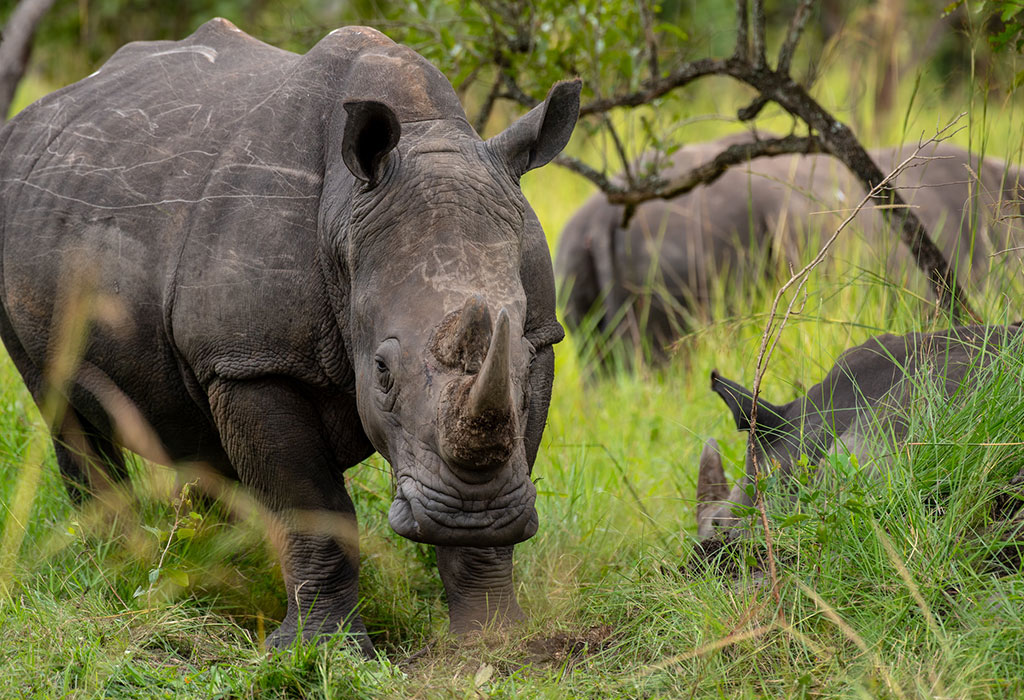
Rhino tracking is the main activity at Ziwa Rhino
Sanctuary. Visitors walk through the sanctuary with trained ranger guides who
help locate the rhinos and explain their behavior, feeding habits and
conservation needs. The experience provides an opportunity to observe southern
white rhinos in a protected natural environment while learning about efforts to
restore Uganda's rhino population. Visitors must follow the ranger's
instructions and maintain the recommended distance from the animals throughout
the activity.
Rhino tracking is suitable for travelers interested
in wildlife, photography and conservation. It is also an excellent addition to
a family safari, provided participants meet the sanctuary's requirements for
the activity.
Shoebill
Tracking
Ziwa Rhino Sanctuary is a rewarding destination for
birdwatchers, particularly those interested in seeing the shoebill. The bird is
found in wetland habitats, including Lugogo Swamp, where visitors can arrange a
guided excursion to search for it.
Shoebill tracking may involve a guided canoe trip
through the swamp, offering opportunities to observe wetland birds and
appreciate the area's natural scenery. Since shoebills live in natural
habitats, sightings are not guaranteed, so patience and guidance from
experienced local guides are important.
Bird watching
Bird watching is another activity to enjoy at Ziwa
Rhino Sanctuary. Its combination of wetlands, grasslands and woodland habitats
attracts a variety of bird species, making it an appealing destination for both
experienced birders and beginners.
Visitors can explore birding trails with guides who
help identify different species and explain their habitats. Bring binoculars
and a camera if you want to observe birds more closely and capture photographs
during your visit.
Guided Nature
Walks
Guided nature walks offer another way to explore the
sanctuary beyond rhino tracking. Accompanied by a ranger, visitors learn about
the local vegetation, wildlife habitats and conservation work taking place in
the area.
Depending on the route and conditions, you may
encounter other wildlife, including antelopes and different bird species.
Nature walks are ideal for travelers who want to enjoy the peaceful
surroundings and learn more about Uganda's wildlife.
Night Nature
Walks
For visitors staying overnight, a guided night
nature walk offers an opportunity to explore the sanctuary after dark. With a
guide, you can learn about nocturnal wildlife and discover how some animals
behave differently at night.
Night walks must be arranged with the sanctuary in
advance and are subject to its operating schedule. Staying overnight makes it
easier to include this experience alongside rhino tracking and other daytime
activities.
How to Get to
Ziwa Rhino Sanctuary
Ziwa Rhino Sanctuary is located approximately 176 km
from Kampala, along the main road leading north towards Gulu and Murchison
Falls National Park. The journey generally takes around three to four hours by
road, depending on traffic and road conditions.
The most convenient way to reach the sanctuary is by
private vehicle or a safari vehicle with a driver. From Kampala, travel north
along the Kampala-Gulu Highway towards Nakitoma trading center. Turn off at
Nakitoma and follow the signs to the sanctuary.
Visitors travelling to Murchison Falls National Park can include Ziwa as a stop along their route. You can spend time tracking rhinos before continuing to the national park for game drives, a boat cruise on the Nile and other activities. If you are travelling from Murchison Falls National Park, you can drive south towards Nakitoma and turn off the main highway to reach the sanctuary. Your travel time will depend on your starting point within or around the park. It is advisable to confirm the route and activity booking before departure, particularly if you are planning to combine several destinations in one day.
Best Places to
Stay Near Ziwa Rhino Sanctuary
Choosing accommodation near Ziwa Rhino Sanctuary
allows you to enjoy rhino tracking and other activities without rushing your
visit. You can stay within the sanctuary for convenient access to activities or
choose accommodation in the surrounding Nakasongola and Nakitoma areas.
Ziwa Rhino and
Wildlife Ranch Accommodation
Staying at Ziwa Rhino and Wildlife Ranch is one of
the most convenient options because you are already at the sanctuary. The property
offers different accommodation categories, making it suitable for travelers
with varying budgets and preferences. Options include guest rooms, luxury
chalets, luxury tents and camping facilities. The guest rooms cater to
individuals, couples, groups and families, while the chalets provide a more
luxurious experience with private verandas and full-board arrangements. Camping
is suitable for travelers who prefer a closer connection with nature. Staying
overnight also makes it easier to arrange activities such as shoebill tracking,
bird watching and guided night walks. You can check the available accommodation
options and make reservations through the official website
Amuka Lodge
Amuka Lodge is another accommodation option in the
Nakitoma area, near Ziwa Rhino Sanctuary. It is worth considering for travelers
who want to stay close to the sanctuary while exploring the surrounding
countryside. The lodge provides a base for visitors planning rhino tracking
before continuing to Murchison Falls National Park or returning towards
Kampala. Check the available facilities, room options and current rates when
making your reservation.
Kafu River Lodge
and Campsite
Kafu River Lodge and Campsite is another option to
investigate when planning an overnight stay around Nakitoma. It may appeal to travelers
who prefer a relaxed setting outside the main town and want to include
nature-based activities in their trip. Before booking, confirm the current
accommodation facilities, road access and distance from the sanctuary to ensure
the property suits your itinerary.
When choosing where to stay, consider your budget,
preferred level of comfort and planned activities. If you intend to participate
in several activities at Ziwa, staying within the sanctuary is particularly
convenient.
What to Pack for
a Visit to Ziwa Rhino Sanctuary
Packing appropriately helps you enjoy the
sanctuary's outdoor activities in different weather conditions. Comfortable
walking shoes with good grip are essential for rhino tracking and nature walks,
especially when trails are muddy.
Wear lightweight clothing and long trousers for
walking through natural vegetation. A hat, sunscreen and insect repellent will
help protect you during outdoor activities. If you are visiting during the
rainy months, carry a waterproof jacket to prepare for unexpected showers.
Binoculars are useful for bird watching, while a
camera allows you to photograph wildlife from the distance recommended by your
ranger guide. Carry drinking water and any personal essentials you may need
during your activities.
If you plan to stay overnight, pack suitable
clothing for cooler evenings and confirm whether your accommodation provides
toiletries and other basic amenities.
The best time to visit Ziwa Rhino Sanctuary is
generally during the drier months of June to August and December to February,
when conditions are often more comfortable for walking and outdoor activities.
Nevertheless, the sanctuary offers wildlife and bird watching experiences
throughout the year.
Make time for rhino tracking, explore the wetlands
in search of the shoebill and enjoy a guided nature walk to learn more about
the area's wildlife. You can also spend a night at the sanctuary or choose
accommodation nearby to experience more of what the destination offers. Whether
you are planning a short wildlife excursion from Kampala or a longer safari to
Murchison Falls National Park, Ziwa Rhino Sanctuary is a valuable addition to
your Uganda itinerary.