
A Rwanda safari offers exceptional wildlife
experiences, but proper health and safety preparation is essential for a smooth
and enjoyable trip. Travelers should consult their doctor before departure,
organize important travel documents, and take measures to protect themselves
from mosquito bites. Staying hydrated, practicing good food and water hygiene,
and purchasing comprehensive travel insurance can help prevent common travel
challenges. Visitors planning gorilla trekking or nature walks should prepare physically
and follow all park regulations and guide instructions. Wearing suitable
clothing and carrying emergency contact information can further improve comfort
and safety during the trip. Rwanda is one of Africa's safest safari
destinations, but careful preparation remains important. Following these
updated health and safety tips allows travelers to focus on wildlife, culture,
and nature while enjoying their Rwanda safari with confidence
1. Visit Your
Doctor Before Traveling
Before starting a Rwanda safari, schedule a medical
consultation to discuss your travel plans and health needs. A doctor can advise
on recommended vaccinations, personal medications, and any precautions based on
your medical history. Travelers with existing health conditions should ensure
they have enough medication for the entire trip and carry copies of
prescriptions. Rwanda's safari activities, including gorilla trekking and
nature walks, can involve physical exertion, making pre-travel preparation
important. Discuss fitness levels and any concerns related to hiking or
altitude changes. A medical check before departure reduces the likelihood of
health complications during your trip. Preparation helps you focus on enjoying
wildlife, culture, and natural attractions rather than dealing with avoidable
health issues while traveling through Rwanda's national parks and tourism
destinations.
2. Keep Your
Travel Documents Organized
Proper document management is an important safety
measure for any Rwanda safari. Travelers should keep passports, travel
insurance details, flight information, accommodation confirmations, and
emergency contact details accessible at all times. It is advisable to maintain
both digital and printed copies of important documents. This preparation can
save valuable time if original documents are lost or misplaced during travel.
Keep paperwork in a secure waterproof pouch, especially when participating in
outdoor activities. Sharing your travel itinerary with a trusted relative or
friend at home is also useful. Organized documentation helps reduce stress
throughout the safari and allows you to respond quickly if assistance is
required. Good preparation ensures a smoother travel experience from arrival
until departure from Rwanda.
3. Protect
Yourself Against Mosquito Bites
Mosquito prevention remains an important health
consideration during a Rwanda safari. Although many safari areas are well
managed, travelers should take steps to reduce mosquito exposure, especially
during evenings and early mornings. Wear long-sleeved clothing, long trousers,
and apply insect repellent on exposed skin. Lodges frequently provide mosquito
nets, and guests should use them consistently. Light-colored clothing can also
help minimize insect attraction. Keeping accommodation doors and windows
properly closed when necessary can further reduce exposure. Travelers who
follow effective mosquito prevention measures often experience greater comfort
throughout their safari. Protecting yourself from mosquito bites allows you to
participate confidently in activities such as game drives, cultural tours, and
gorilla trekking while minimizing potential health concerns.
4. Stay Hydrated
During Safari Activities
Many Rwanda safari activities involve spending
extended periods outdoors. Staying hydrated is essential for maintaining energy
and comfort throughout your trip. Travelers should drink water regularly,
particularly during gorilla trekking, hiking, game drives, and sightseeing
excursions. Symptoms of dehydration may include headaches, fatigue, dizziness,
and reduced concentration. Carrying a reusable water bottle is a practical way
to ensure access to drinking water throughout the day. High physical activity
combined with warm temperatures can increase fluid loss, making hydration even
more important. Visitors should avoid waiting until they feel thirsty before
drinking water. Proper hydration supports overall wellness and helps travelers
enjoy safari experiences without unnecessary physical discomfort or fatigue.
5. Follow
Gorilla Trekking Safety Guidelines
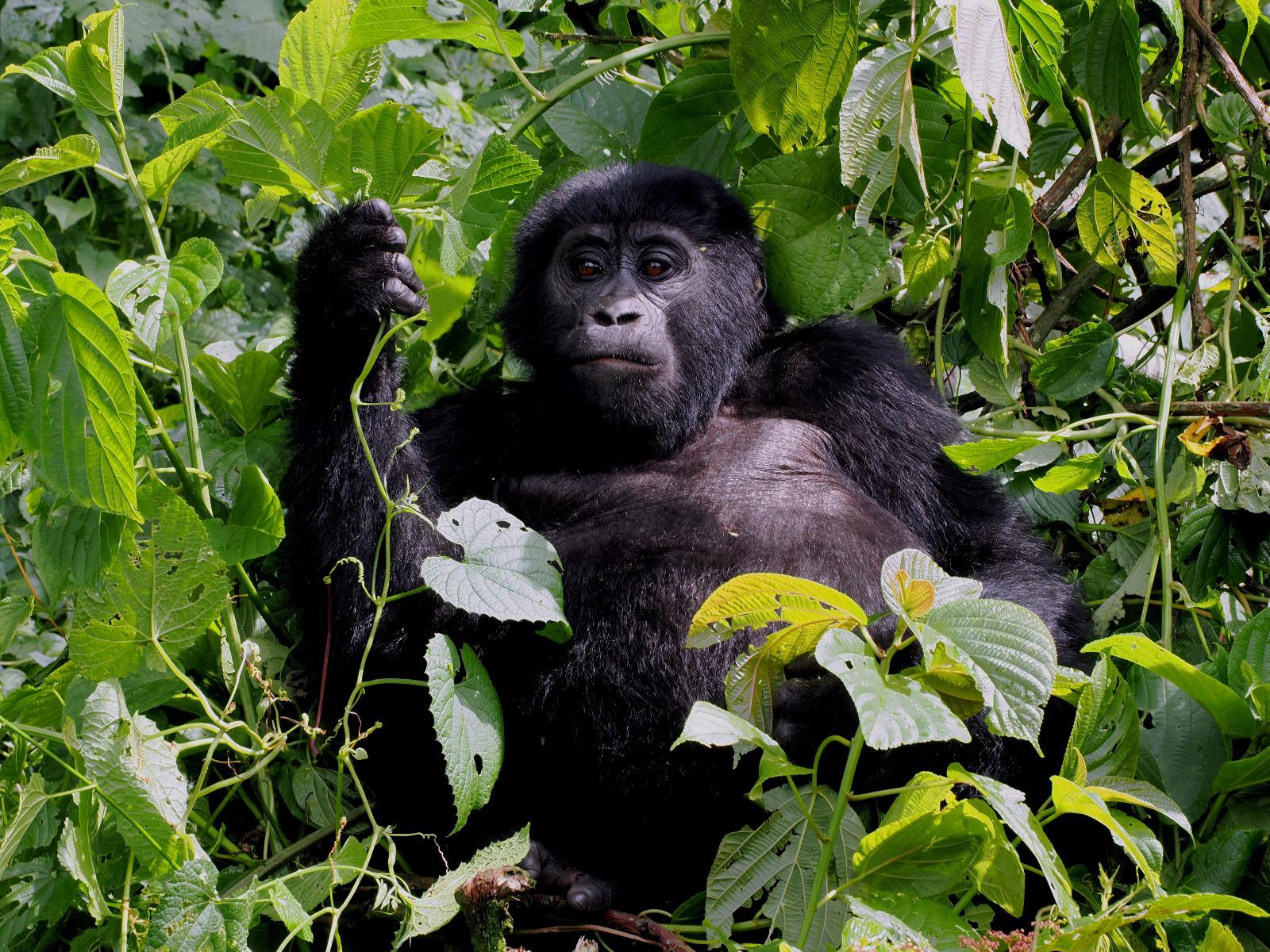
Gorilla trekking is one of Rwanda's most popular
activities, and following established safety guidelines is essential. Visitors
receive a briefing before entering the forest, and instructions should be
followed carefully throughout the trek. Maintaining the recommended distance
from gorillas helps protect both visitors and animals. Travelers who are unwell
should inform park authorities because human illnesses can affect gorillas.
Avoid sudden movements, loud noises, and direct actions that may disturb the
animals. Guides are trained to manage interactions safely and provide
instructions based on gorilla behavior. Following these guidelines ensures a
positive experience while supporting conservation efforts. Responsible behavior
allows future visitors to continue enjoying close views of mountain gorillas in
their natural environment.
6. Wear
Appropriate Safari Clothing
Choosing the right clothing improves both safety and
comfort during a Rwanda safari. Lightweight long-sleeved shirts and trousers
offer protection from insects, vegetation, and sun exposure. Neutral-colored
clothing is generally recommended for wildlife activities because it blends
naturally into the environment. Strong walking shoes with good grip are
important for forest trekking, especially in muddy or uneven terrain. Weather
conditions can change quickly, so carrying a lightweight waterproof jacket is
advisable. Hats and sunglasses provide extra protection during outdoor
activities. Proper clothing helps reduce common problems such as blisters,
scratches, insect bites, and sunburn. Being well prepared allows visitors to
focus fully on the safari experience rather than dealing with avoidable
discomfort.
7. Practice Safe
Food and Water Habits
Maintaining good food and water hygiene is an
effective way to avoid common travel illnesses. Travelers should drink treated
or bottled water and avoid water from uncertain sources. Meals prepared by
reputable lodges, camps, and restaurants generally provide the safest dining
options. Washing hands regularly before meals and after outdoor activities
helps reduce the spread of germs. Carrying hand sanitizer is useful when soap
and water are not immediately available. Visitors with dietary requirements or
allergies should inform accommodation providers before arrival. Paying
attention to food and water safety allows travelers to remain healthy and
active throughout their safari. Good hygiene practices help ensure that
digestive issues do not interrupt planned activities.
8. Purchase
Reliable Travel Insurance
Comprehensive travel insurance provides valuable
protection during a Rwanda safari. A suitable policy should cover medical
emergencies, trip cancellations, emergency transportation, lost luggage, and
travel disruptions. Safari activities often take place in remote locations
where medical support may require specialized transport. Insurance helps reduce
potential financial burdens associated with unexpected situations. Before
departure, take time to understand what your policy covers and keep insurance
documents accessible throughout the trip. Sharing insurance information with
family members can also be beneficial. Having adequate coverage allows
travelers to focus on enjoying their safari without worrying about potential
unexpected expenses. Good insurance planning provides confidence and peace of
mind from the beginning of the trip.
9. Prepare
Physically for Trekking Activities
Many Rwanda safari itineraries include gorilla
trekking, golden monkey tracking, or guided nature walks. These activities may
require walking through forested areas with steep slopes and uneven terrain.
Improving your fitness before travel can make these experiences more enjoyable
and less physically demanding. Regular walking, stair climbing, or moderate
exercise before departure can help build stamina. During trekking activities,
visitors should move at a comfortable pace and rest when necessary. Listening
carefully to guide instructions supports both safety and enjoyment. Physical
preparation helps reduce fatigue and improves your ability to appreciate the
wildlife and landscapes around you. Being ready for trekking activities
increases confidence and allows for a more rewarding safari experience.
10. Keep
Emergency Contacts Accessible
Every traveler should keep emergency contact
information readily available throughout their Rwanda safari. Important
contacts should include family members, tour operators, travel insurance
providers, accommodation managers, and local emergency services. Store this
information both on your phone and as a printed copy in case electronic devices
become unavailable. Knowing how to contact support quickly can be very helpful
in unexpected circumstances. Travelers should also keep identification
documents nearby when participating in safari activities. While Rwanda is
regarded as one of Africa's safest travel destinations, preparation remains
important for all travelers. Having emergency information accessible provides
extra reassurance and allows you to respond efficiently if assistance is needed
during your safari vacation.