
Tanzania is one of Africa’s leading safari
destinations, renowned for its extraordinary wildlife, iconic landscapes, and
diverse travel experiences. The country’s top-selling and most visited
attractions include Serengeti
National Park, Ngorongoro Crater, Mount Kilimanjaro, Tarangire National
Park, and Zanzibar Island. Other remarkable destinations such as Lake Manyara,
Nyerere National Park, Ruaha National Park, Mahale Mountains, and Gombe Stream
offer unique experiences ranging from classic game drives to chimpanzee
trekking and beach holidays. These attractions showcase Tanzania’s incredible
natural diversity, abundant wildlife, and rich cultural heritage. Whether
travelers seek the Great Wildebeest Migration, Africa’s highest mountain,
pristine Indian Ocean beaches, or remote wilderness adventures, Tanzania
delivers unforgettable experiences. Together, these destinations have
established the country as one of the most sought-after safari and nature
tourism destinations in Africa.
1. Serengeti National Park
Serengeti National Park is Tanzania’s most famous
safari destination and the country's leading tourism attraction. Known
worldwide for the
Great Wildebeest Migration, the park attracts thousands of visitors each
year who come to witness one of nature’s greatest wildlife spectacles. Vast
open plains support enormous populations of wildebeests, zebras, gazelles,
lions, cheetahs, leopards, elephants, and buffaloes. The park offers
exceptional game viewing throughout the year, making it a favorite destination
for first-time safari travelers and returning wildlife enthusiasts alike. Hot
air balloon safaris provide breathtaking aerial views of the endless landscape
and wildlife below. Luxury lodges, tented camps, and mobile migration camps
cater to all travel styles. The Serengeti’s rich biodiversity, dramatic
scenery, and unmatched wildlife encounters make it the most sought-after safari
attraction in Tanzania. Serengeti National Park is widely recognized as
Tanzania’s premier wildlife destination.
2. Ngorongoro
Crater
Ngorongoro Crater is one of Africa’s most extraordinary
natural wonders and among Tanzania’s most visited safari attractions. Formed
from the collapse of a massive volcano millions of years ago, the crater
creates a unique ecosystem that supports an incredible concentration of
wildlife. Visitors can often see lions, elephants, buffaloes, rhinos, and
numerous antelope species during a single game drive. The crater floor also
contains beautiful lakes, wetlands, and grasslands that attract flamingos and
many bird species. Its compact size allows travelers to experience exceptional
wildlife viewing within a relatively short time. The surrounding Ngorongoro
Conservation Area also offers cultural encounters with the Maasai people and
stunning highland landscapes. Because of its accessibility and remarkable wildlife
density, Ngorongoro remains one of Tanzania’s highest-selling safari
destinations and a key highlight of the Northern Safari Circuit.
3. Mount
Kilimanjaro
Mount Kilimanjaro is Tanzania’s most famous natural
landmark and Africa’s highest mountain. Rising to approximately 5,895 meters
above sea level, it attracts adventure travelers, hikers, and mountaineers from
across the globe. Unlike many high peaks, Kilimanjaro can be climbed without
technical mountaineering skills, making it accessible to determined trekkers.
Popular routes such as Machame, Marangu, and Lemosho pass through rainforests,
moorlands, and alpine deserts before reaching the summit at Uhuru Peak. Every
year, thousands attempt the climb for the challenge and the unforgettable
views. Even visitors who do not climb often spend time in Moshi enjoying
mountain scenery and local culture. The mountain adds tremendous diversity to
Tanzania’s tourism portfolio by combining adventure and nature. Kilimanjaro’s
international reputation makes it one of the country’s most important and
frequently visited attractions.
4. Tarangire
National Park
Tarangire
National Park is one of Tanzania’s top-selling safari destinations,
especially during the dry season when wildlife gathers around the Tarangire
River. The park is famous for its enormous elephant herds and iconic baobab
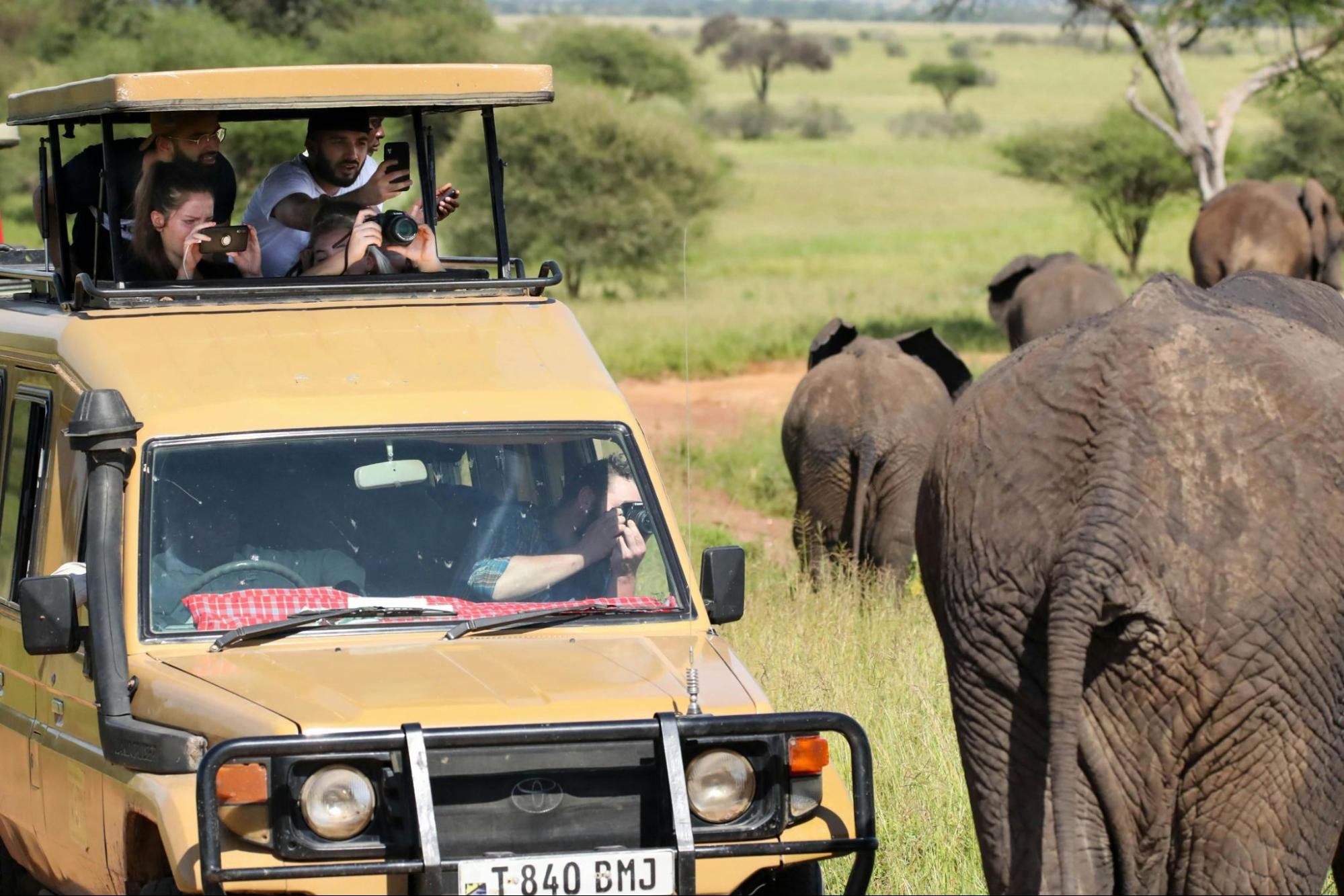
trees that dominate the landscape. Visitors enjoy game drives that reveal
lions, leopards, cheetahs, giraffes, zebras, buffaloes, and numerous antelope
species. Tarangire offers a quieter and more intimate safari experience
compared to the busier Serengeti and Ngorongoro areas. Bird watchers are
particularly attracted to the park because of its rich diversity of birdlife.
The beautiful scenery, wildlife abundance, and ease of combination with other
Northern Circuit destinations have increased its popularity over the years.
Many safari itineraries include Tarangire as the starting point of a northern
Tanzania adventure, making it one of the country’s most visited national parks.
5. Zanzibar
Island
Zanzibar is one of Tanzania’s most visited tourism
destinations and the leading beach extension to a safari holiday. Located in
the Indian Ocean, the island attracts travelers seeking relaxation, culture,
and tropical beauty after wildlife adventures on the mainland. White sandy
beaches, turquoise waters, coral reefs, and luxury resorts create the perfect
setting for leisure travelers and honeymooners. Visitors also enjoy exploring
Stone Town, a UNESCO World Heritage Site known for its rich history and
cultural heritage. Water-based activities such as snorkeling, diving, sailing,
and dolphin excursions are highly popular. Zanzibar's ability to complement
wildlife safaris has made it a major contributor to Tanzania’s tourism
industry. Its unique blend of African, Arab, and European influences creates a
cultural experience unlike any other. This combination of beach and heritage
tourism continues to attract visitors from around the world.
6. Lake Manyara
National Park
Lake
Manyara National Park is one of Tanzania’s most accessible and frequently
visited safari attractions. The park is famous for its scenic beauty,
groundwater forests, soda lake, and the rare tree-climbing lions that have
become a signature attraction. Large numbers of flamingos can often be seen
along the lake shores, creating spectacular photographic opportunities.
Visitors also encounter elephants, hippos, giraffes, zebras, baboons, and
numerous bird species. The dramatic Rift Valley escarpment provides a stunning
backdrop for safari activities. Because of its location within the Northern
Safari Circuit, Lake Manyara is often included in multi-park itineraries
alongside Serengeti, Ngorongoro, and Tarangire. Its diverse habitats support a
wide range of wildlife within a relatively compact area. This accessibility and
diversity make it a favorite stop for both first-time and experienced safari
travelers.
7. Nyerere
National Park
Nyerere National Park, formerly part of the Selous
Game Reserve, is one of Africa’s largest protected areas and an increasingly
popular safari destination in Tanzania. The park offers a more exclusive and
less crowded safari experience compared to the Northern Circuit. Vast
wilderness landscapes support healthy populations of elephants, lions, wild
dogs, buffaloes, hippos, crocodiles, and numerous bird species. One of the
park’s unique features is the opportunity for boat safaris along rivers and
lakes, offering a different perspective on wildlife viewing. Walking safaris
with experienced guides also allow visitors to experience the bush more
intimately. Nyerere appeals especially to travelers seeking authentic
wilderness experiences away from busy safari routes. Its growing reputation and
incredible wildlife diversity have established it as one of Tanzania’s most
marketable safari attractions.
8. Ruaha
National Park
Ruaha National Park is Tanzania’s largest national
park and one of the country's hidden safari gems. Known for its vast wilderness
and low visitor numbers, Ruaha provides an authentic safari experience for
travelers seeking solitude and exceptional wildlife viewing. The park hosts
large populations of elephants, lions, leopards, buffaloes, and African wild
dogs. Its rugged landscapes, rocky outcrops, and river systems create stunning
scenery throughout the year. Wildlife sightings are often spectacular because
animals concentrate around water sources during the dry season. Bird
enthusiasts also appreciate the park’s impressive avian diversity. Ruaha’s
remote location has helped preserve its wild character while attracting
travelers interested in exclusive safari experiences. As more visitors seek
alternatives to busier destinations, Ruaha continues to grow in popularity and
represents one of Tanzania’s most rewarding safari attractions for serious wildlife
enthusiasts.
9. Mahale
Mountains National Park
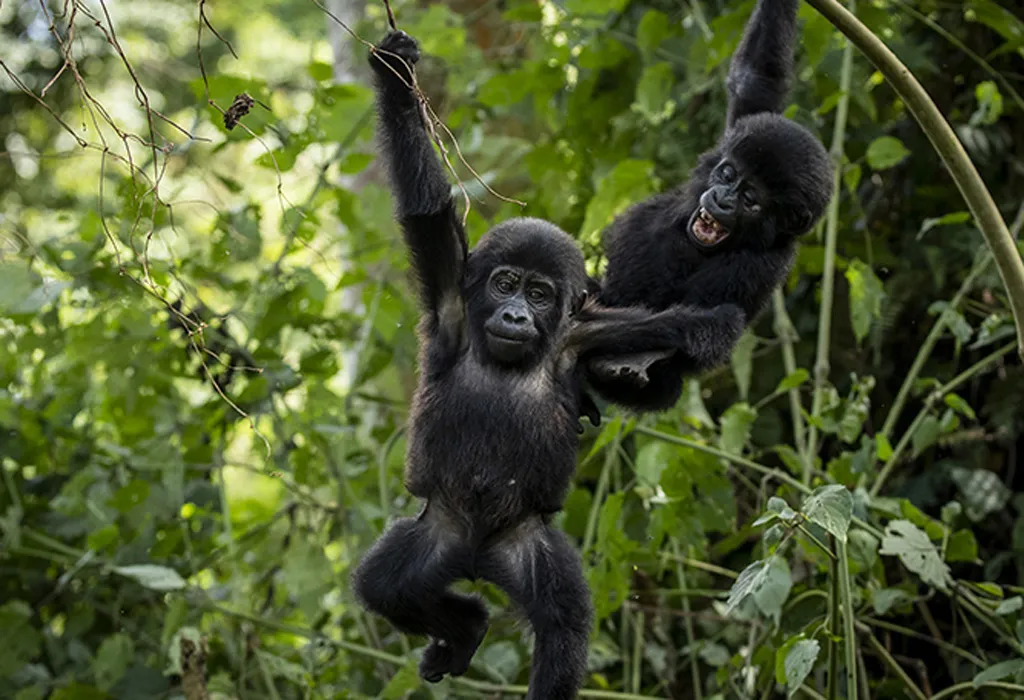
Mahale Mountains National Park offers one of
Africa’s most unique wildlife experiences through chimpanzee trekking. Located
along the shores of Lake Tanganyika, the park combines lush tropical forests,
pristine beaches, and impressive mountain scenery. Visitors trek through the
forest to observe wild chimpanzees in their natural habitat, creating memorable
primate encounters. The crystal-clear waters of Lake Tanganyika also provide
opportunities for swimming, kayaking, and relaxation. Because of its remote
location, Mahale attracts travelers seeking exclusive experiences and untouched
natural environments. The park’s rare combination of primate tracking and
lakeside beauty distinguishes it from traditional safari destinations. Small
visitor numbers contribute to a peaceful atmosphere and personalized
experiences. Mahale remains one of Tanzania’s most special tourism attractions,
appealing particularly to adventure travelers, conservation enthusiasts, and
wildlife photographers.
10. Gombe Stream
National Park