
Rwanda is one of Africa’s leading safari
destinations, offering a unique combination of mountain gorillas, Big Five
wildlife, rainforest adventures, cultural experiences, and scenic landscapes.
Its most visited attractions include Volcanoes
National Park for gorilla trekking, Akagera National Park for classic
wildlife safaris, and Nyungwe National Park for chimpanzee trekking and canopy
walks. Visitors also enjoy Kigali’s cultural and historical sites, the relaxing
shores of Lake Kivu, golden monkey tracking, and community-based tourism
experiences. Rwanda’s compact size allows travelers to experience multiple
attractions within a short time, making it ideal for both luxury and budget
safaris. The country’s excellent conservation efforts, modern tourism infrastructure,
and welcoming hospitality continue to attract visitors from around the world,
positioning Rwanda as one of Africa’s fastest-growing and most rewarding safari
destinations.
1. Volcanoes National Park and Gorilla Trekking
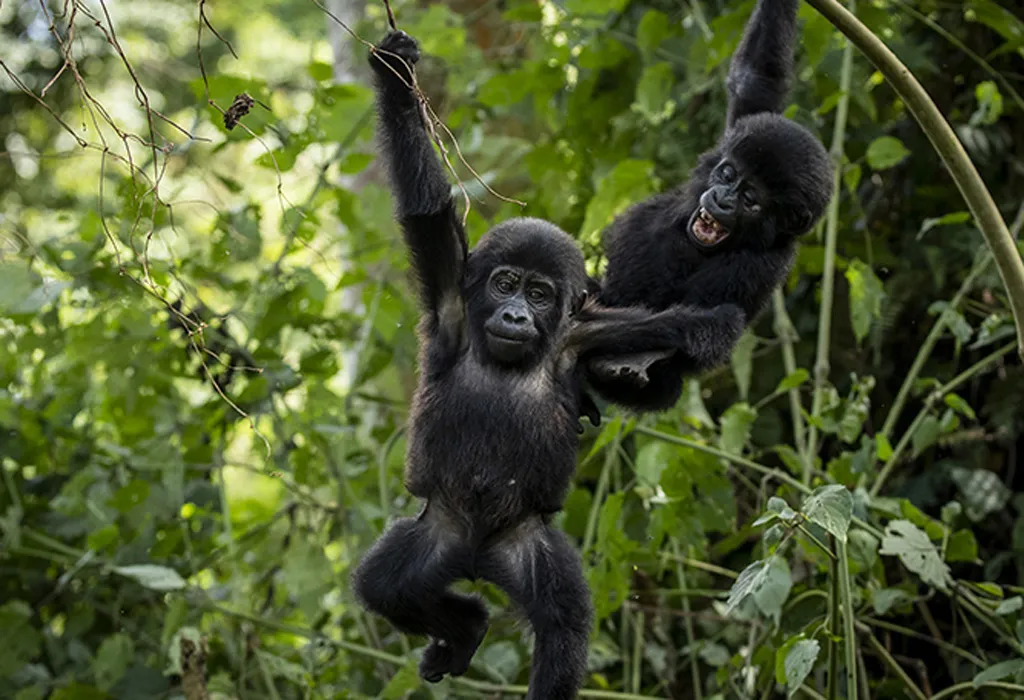
Volcanoes
National Park is Rwanda’s most famous safari attraction and the country’s
leading tourism destination. Located in the Virunga Mountains, the park is best
known for mountain gorilla trekking, an experience that attracts travelers from
across the world. Visitors hike through bamboo forests and volcanic slopes in
search of habituated gorilla families living in their natural habitat. The
encounter offers a rare opportunity to observe these endangered primates at
close range. Besides gorilla trekking, the park offers golden monkey tracking,
guided nature walks, and cultural visits to nearby communities. The
breathtaking volcanic scenery adds to the experience, making every trek
memorable. Its proximity to Kigali allows visitors to access the park easily,
contributing to its popularity. For most travelers, Rwanda safari experiences revolve
around Volcanoes National Park and its remarkable mountain gorillas. Volcanoes
National Park is Rwanda’s premier gorilla trekking destination.
2. Akagera
National Park
Akagera
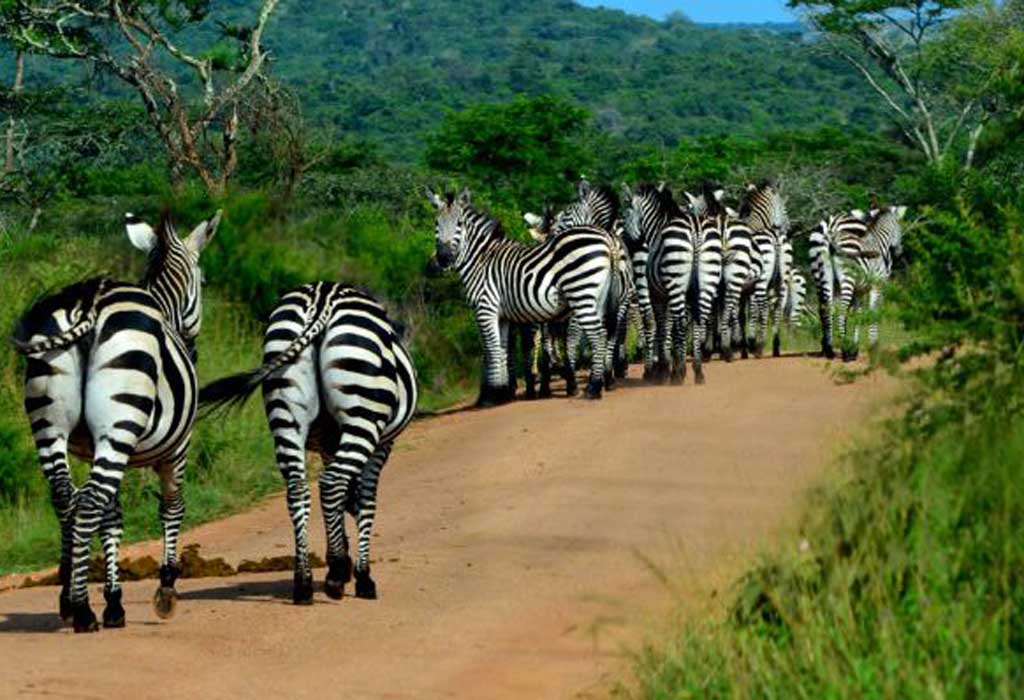
National Park is Rwanda’s top destination for traditional African wildlife
safaris. Situated in eastern Rwanda, the park is home to the Big Five,
including lions, elephants, buffaloes, rhinos, and leopards. Its vast landscape
consists of open savannah, rolling hills, wetlands, and numerous lakes.
Visitors enjoy game drives that reveal a variety of wildlife species alongside
spectacular scenery. Boat safaris on Lake Ihema provide excellent opportunities
to see hippos, crocodiles, and water birds. Akagera is also one of the best
birdwatching destinations in East Africa. Conservation efforts have transformed
the park into one of Africa’s notable wildlife success stories. Today, it
attracts safari enthusiasts seeking classic game viewing experiences without
the crowds found in larger safari destinations. The combination of wildlife
diversity and accessibility makes Akagera one of Rwanda’s most visited safari
attractions.
3. Nyungwe
National Park
Nyungwe National Park is one of Africa’s oldest
rainforests and a major highlight of Rwanda safari tours. Known for its rich
biodiversity, the park attracts nature lovers, birdwatchers, and primate
enthusiasts. Chimpanzee trekking is the most popular activity, giving visitors
the chance to encounter these fascinating primates in the wild. Nyungwe is also
home to numerous monkey species, including colobus monkeys and L’Hoest’s
monkeys. The famous canopy walkway offers breathtaking views above the forest,
creating one of Rwanda’s most exciting adventure experiences. Guided forest
walks reveal waterfalls, orchids, and unique wildlife hidden within the dense
vegetation. The cool climate and peaceful environment make the park ideal for
relaxation and exploration. Nyungwe offers a completely different safari
experience from the savannah landscapes of Akagera and complements gorilla
trekking holidays perfectly.
4. Kigali City
Kigali is the gateway to Rwanda’s tourism industry
and one of the country's most visited attractions. The capital city combines
modern development, culture, history, and hospitality. Visitors often begin or
end their Rwanda safari in Kigali while exploring its major landmarks. The
Kigali Genocide Memorial stands as one of the most significant historical sites
in Africa, offering insights into Rwanda’s journey of recovery and unity. The
city also features vibrant markets, art galleries, museums, coffee shops, and
restaurants showcasing local culture. Kigali’s clean streets, organized infrastructure,
and welcoming atmosphere have earned international recognition. Many travelers
spend a day or two touring the city before visiting national parks. Its
strategic location and excellent tourism facilities make Kigali an essential
part of most Rwanda safari itineraries and a destination worth experiencing in
its own right.
5. Lake Kivu
Lake Kivu is one of Rwanda’s most beautiful natural
attractions and a favorite destination for visitors looking to relax after
wildlife adventures. Located along Rwanda’s western border, the lake offers
stunning views of the surrounding hills and islands. Popular lakeside towns
such as Gisenyi, Kibuye, and Cyangugu provide opportunities for leisure and
sightseeing. Visitors enjoy boat cruises, kayaking, swimming, fishing, and
nature walks along the shoreline. The peaceful environment contrasts perfectly
with the excitement of gorilla trekking and chimpanzee tracking. Luxury resorts
and charming lodges attract honeymooners and families seeking tranquility. The
lake’s scenic beauty and mild climate make it a year-round destination. Many
Rwanda safari itineraries include Lake Kivu as a relaxing extension, allowing
travelers to unwind while enjoying exceptional landscapes and cultural
experiences within local fishing communities.
6. Golden Monkey
Tracking in Volcanoes National Park
Golden monkey tracking has become one of Rwanda’s
fastest-growing wildlife activities. Conducted in Volcanoes
National Park, this experience introduces travelers to one of the rarest
primates in the Virunga region. Golden monkeys are known for their energetic
behavior, vibrant golden-orange fur, and social interactions. Unlike gorilla
trekking, golden monkey tracking is generally less strenuous and appeals to
visitors looking for a shorter adventure. The activity takes place in beautiful
bamboo forests beneath the Virunga volcanoes. Wildlife photographers especially
enjoy capturing these playful primates as they leap through the trees. Many
travelers combine golden monkey tracking with gorilla trekking for a more
complete primate safari experience. The affordability and accessibility of the
activity contribute to its growing popularity among Rwanda safari visitors
seeking unique wildlife encounters beyond gorillas.
7. Dian Fossey
Tomb and Karisoke Research Center Hike
The Dian Fossey hike is one of Rwanda’s most
meaningful tourism experiences. The trail leads visitors through Volcanoes
National Park to the former research site and final resting place of the famous
primatologist Dian Fossey. Her conservation work played a major role in
protecting mountain gorillas from extinction. Along the route, travelers hike
through forests surrounded by volcanic scenery while learning about gorilla
conservation efforts. The site provides deeper insight into the history of
gorilla research and Rwanda’s wildlife protection initiatives. Guides share
inspiring stories about Fossey’s dedication and challenges. The activity
appeals to conservation-minded travelers who want more than wildlife viewing.
For many visitors, the hike creates a stronger emotional connection to Rwanda’s
gorillas and the ongoing efforts to protect them for future generations.
8. Canopy Walk
in Nyungwe Forest
The Nyungwe Canopy Walk is one of the most exciting
adventure attractions in Rwanda. Suspended high above the forest floor, the
walkway provides panoramic views across the rainforest canopy. Visitors
experience the thrill of walking among treetops while observing birds, monkeys,
and spectacular scenery. The bridge extends across a deep forest valley and
offers unique photography opportunities. Nature enthusiasts appreciate the
chance to view the ecosystem from a completely different perspective. Guided
walks explain the biodiversity of the forest and highlight important
conservation efforts. The canopy walk appeals to both adventure travelers and
families seeking memorable experiences. As one of the few canopy walkways in
Africa, it has become an iconic attraction within Rwanda’s tourism sector. The
activity significantly increases Nyungwe’s appeal among international visitors
exploring the country.
9. Musanze Caves
Musanze Caves are among Rwanda’s most interesting
geological attractions and receive a growing number of visitors each year.
Formed by ancient volcanic activity, the caves stretch for several kilometers
beneath the volcanic landscape near Volcanoes National Park. Guided tours lead
visitors through impressive lava tunnels and large chambers while explaining
the area’s geological history. The caves once provided shelter to local
communities during periods of conflict and migration. Today, improved
infrastructure and lighting make them accessible to travelers of various
fitness levels. The cool interior environment offers a refreshing escape from
the outdoors. Many visitors combine a cave tour with gorilla trekking or golden
monkey tracking. Musanze Caves provide a unique addition to Rwanda safari
itineraries by blending adventure, history, and natural beauty into a single
experience.
10. Cultural
Villages and Community Tourism Experiences
Community tourism has become one of the most
important attractions supporting Rwanda’s safari industry. Cultural villages
near Volcanoes National Park and other destinations provide visitors with
authentic opportunities to learn about Rwandan traditions. Activities include
traditional dance performances, local food preparation, craft making,
storytelling, and interactions with community members. These experiences create
a meaningful connection between travelers and local culture while generating
income for surrounding communities. The Gorilla Guardians Village is among the
best-known cultural sites visited by safari tourists. Visitors gain deeper
understanding of Rwanda’s heritage, conservation efforts, and community
development programs. Cultural tourism complements wildlife experiences by
adding a human dimension to safari holidays. Many travelers consider these
encounters memorable highlights because they showcase the resilience,
hospitality, and rich traditions that make Rwanda a unique African destination.