
The Serengeti National Park is Tanzania’s most
celebrated safari destination, offering travelers unmatched wildlife spectacles
and diverse landscapes. Known worldwide for the Great Migration, the park hosts
millions of wildebeest, zebras, and gazelles moving across its plains, creating
dramatic scenes throughout the year. Visitors also enjoy excellent chances to
see the Big Five, alongside cheetahs, giraffes, and hyenas. Its habitats range
from open savannahs to rocky kopjes and riverine forests, providing variety for
exploration and photography. Accessibility through Arusha and multiple
airstrips makes planning straightforward, while accommodation options suit
every budget. As a UNESCO World Heritage Site, Serengeti protects ecosystems
and supports local communities, ensuring safaris here are not only rewarding
but also responsible, making it a destination of lasting value.
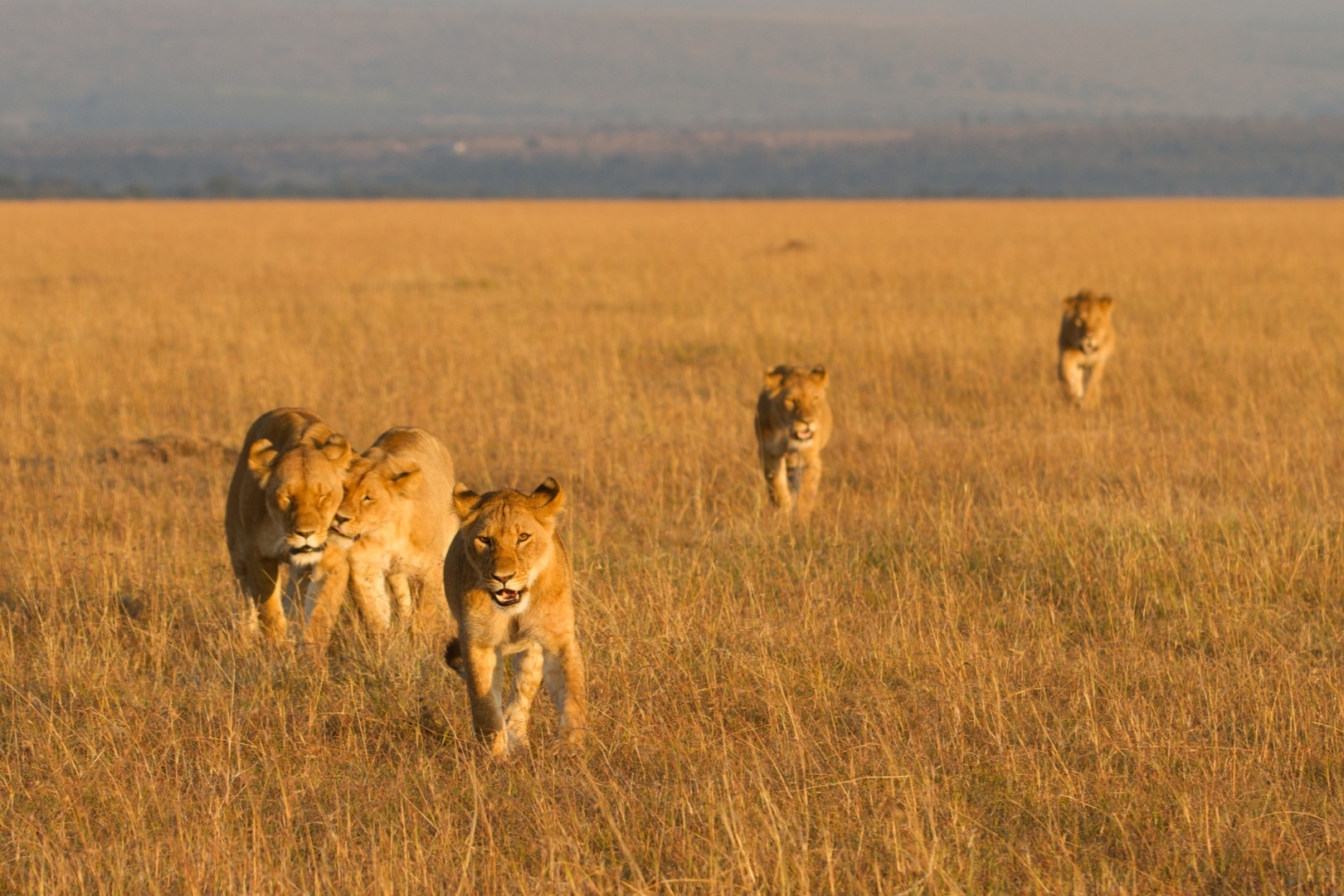
1. Game Drives
Game drives are the core of any Serengeti safari, offering
close views of lions, elephants, giraffes, and wildebeest herds. Morning and
evening drives maximize sightings, with predators most active at dawn and dusk.
Guides use their expertise to track animals, ensuring travelers see diverse
wildlife across savannahs, woodlands, and riverbanks. Vehicles are open-sided
or roofed for photography, and routes vary daily to keep experiences fresh.
Game drives provide flexibility, allowing guests to spend hours observing
animal behavior. For first-time visitors, this is the most reliable way to
experience Serengeti’s wildlife.
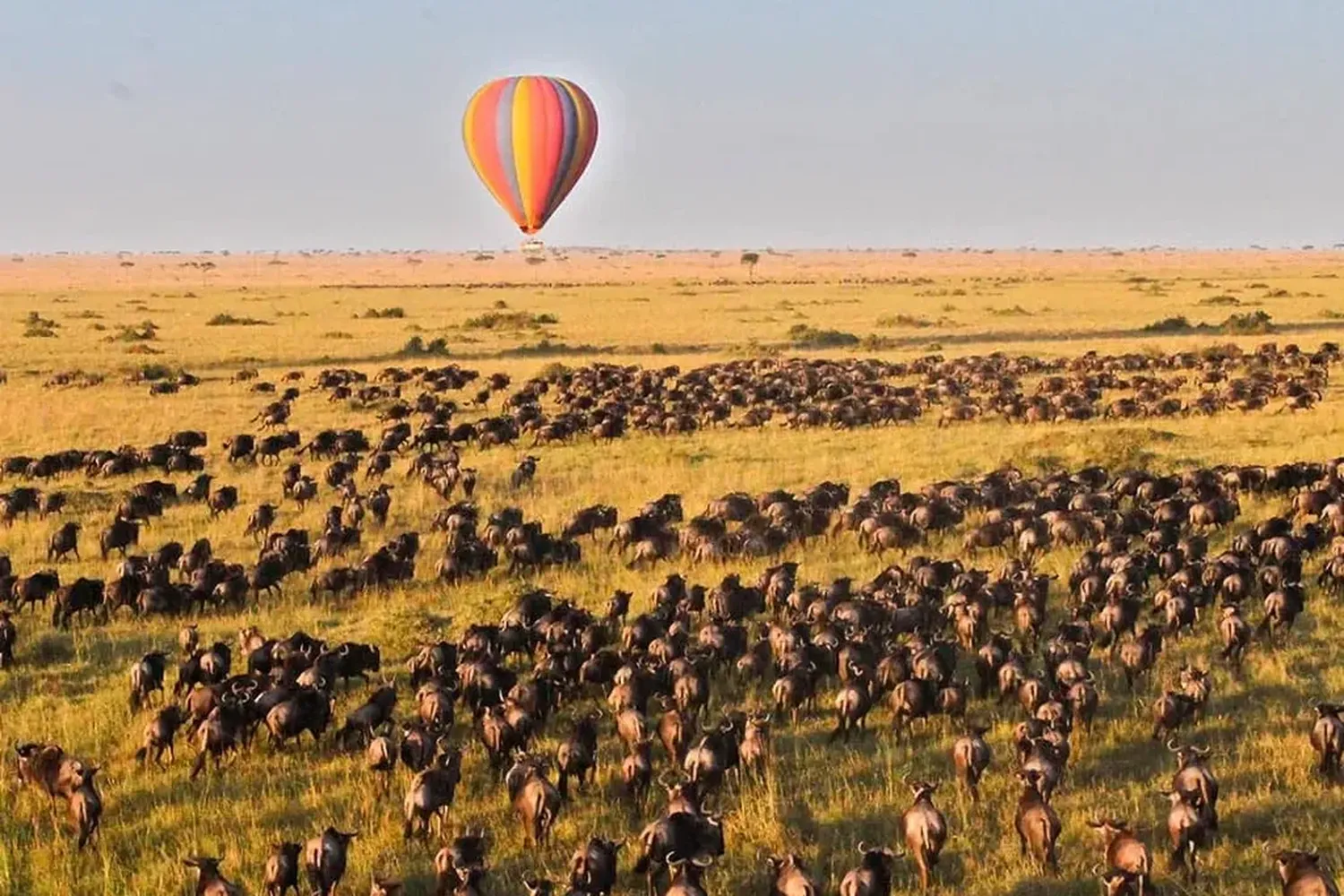
2. Hot Air
Balloon Safari
A hot air balloon safari offers a unique perspective
of Serengeti’s plains at sunrise. Floating silently above herds of wildebeest,
zebras, and elephants, travelers enjoy panoramic views of the landscape. The
experience often ends with a bush breakfast, adding comfort to adventure.
Balloon rides are ideal for photographers, capturing wide shots of migration
herds or predators moving below. Though more expensive than game drives, the
activity provides unmatched scenery and tranquility. It’s especially rewarding
during migration months, when herds stretch across the horizon. For travelers
seeking variety, this activity adds a memorable highlight to their safari.
3. Walking
Safaris
Walking safaris allow guests to explore Serengeti on
foot with armed guides. These trips focus on smaller details often missed from
vehicles, such as animal tracks, plants, insects, and birdlife. Guides explain
survival strategies of wildlife and share insights into ecosystems. Walks are
conducted in safe areas, offering controlled but exciting experiences.
Travelers benefit from a deeper connection to nature, learning how predators
and prey interact beyond dramatic hunts. Walking safaris suit adventurous
guests who want more than traditional drives. They also provide opportunities
for close observation of giraffes, antelopes, and smaller mammals.
4. Birdwatching
With over 500 bird species, Serengeti is a paradise
for birdwatchers. Raptors such as martial eagles and vultures soar above, while
colorful species like lilac-breasted rollers brighten the plains. Wetlands
attract storks, herons, and flamingos, while migratory birds arrive seasonally.
Birdwatching complements big game viewing, offering variety for travelers.
Guides highlight nesting, feeding, and hunting behaviors, enriching the safari
experience. For photographers, birdlife adds vibrant detail to landscapes.
Birdwatching is rewarding year-round, though migratory seasons bring extra diversity.
5. Cultural
Visits
Cultural visits to nearby communities, such as
Maasai villages, add depth to Serengeti safaris. Travelers learn about
traditional lifestyles, cattle herding, and local crafts. These visits provide
opportunities to interact with residents, supporting community tourism
initiatives. Guests gain insights into how people coexist with wildlife,
balancing conservation and daily life. Cultural experiences complement wildlife
viewing, making safaris more meaningful. For families, they provide educational
value, while for solo travelers, they offer authentic connections.
6. Photographic
Safaris
Photographic safaris focus on capturing Serengeti’s
wildlife and landscapes with professional guidance. Vehicles are adapted for
photography, offering stability and open views. Guides position guests for
optimal shots, whether of lions hunting or herds crossing rivers. Travelers
benefit from learning techniques to improve wildlife photography. These safaris
suit both beginners and professionals, ensuring everyone leaves with memorable
images. The diversity of Serengeti’s habitats provides endless opportunities
for creative shots.
7. Night Drives
Night drives reveal nocturnal wildlife often missed
during the day. Guests may see leopards hunting, hyenas scavenging, or smaller
species like civets and bushbabies. Spotlights help guides locate animals,
creating unique experiences. Night drives are conducted in specific areas where
regulations allow. For travelers seeking variety, this activity adds excitement
and insight into Serengeti’s hidden life.
8. Bush Meals
Bush meals combine dining with wildlife viewing.
Breakfasts or dinners are set up in safe outdoor locations, allowing guests to
enjoy food while surrounded by nature. This activity adds comfort and
atmosphere to safaris. Travelers benefit from unique settings, whether under
acacia trees or near migration herds. Bush meals are often paired with game
drives or balloon rides, making them memorable highlights.
9. Mobile
Camping
Mobile camping follows migration herds, ensuring
guests stay close to wildlife action. Camps are set up temporarily, offering
comfort with proximity to animals. Travelers benefit from flexibility, moving
with herds across regions. Guides provide daily updates, ensuring guests
maximize sightings. Mobile camping suits adventurous travelers who want
immersion in Serengeti’s rhythms.
10. River
Crossings
Watching herds cross the Grumeti or Mara Rivers is
one of Serengeti’s most dramatic experiences. Crocodiles wait in the water,
while predators stalk riverbanks. Travelers benefit from seeing survival
struggles up close. River crossings occur seasonally, mainly June to September.
Guides position guests safely for viewing, ensuring unforgettable memories. For
those seeking migration highlights, river crossings are essential.
11. Witnessing
the Great Migration
One of the most sought-after safari experiences in
Serengeti National Park is witnessing the Great Migration, a natural event
where over 1.5 million wildebeest, accompanied by zebras and gazelles, move
across the plains in search of fresh grazing. This cycle happens year-round,
but different stages offer unique highlights. From January to March, calving
season in the southern plains showcases thousands of newborns and intense
predator activity. June to July brings Grumeti River crossings, while July to
September features the dramatic Mara River crossings in the north, where herds
face crocodiles and predators. Travelers benefit from planning their safari
around these stages, ensuring they see the migration at its most active. Guides
track herd movements daily, helping guests maximize sightings and photography
opportunities.
12. Sundowner
and Bush Dinner
A sundowner and bush dinner in Serengeti National
Park is a relaxed way to end a safari day, combining good food with the
atmosphere of the African plains. As the sun sets, guests enjoy drinks while
watching the sky change colors over the savannah. Guides often choose safe,
open spots with wide views, making the setting feel special and private.
Afterward, a bush dinner is served under lanterns or near a campfire, with
meals ranging from grilled meats to fresh salads. The experience allows
travelers to reflect on the day’s sightings while enjoying the sounds of nature
around them. It’s not about luxury alone but about creating a calm, memorable
evening that connects guests with the park beyond game drives.
Best time for
things to do in Serengeti National Park
The best time for things to do in Serengeti National
Park depends on the season and the activities you want to prioritize. From January
to March, calving season in the southern plains is perfect for witnessing
newborn wildebeest and predator action, while birdwatching is also rewarding. April
to May offers fewer crowds and lower rates, making it ideal for cultural
visits, walking safaris, and photography with dramatic skies. June to October
is the dry season, best for game drives, river crossings, and hot air balloon
safaris, as wildlife gathers around water sources and migration herds move
north. July to September is peak for Mara River crossings, while November to
December brings short rains, refreshing landscapes, and opportunities for bush
dinners, sundowners, and mobile camping near returning herds.