
The Serengeti
National Park is one of Tanzania’s most celebrated safari destinations,
offering travelers a mix of wildlife spectacles, diverse habitats, and strong
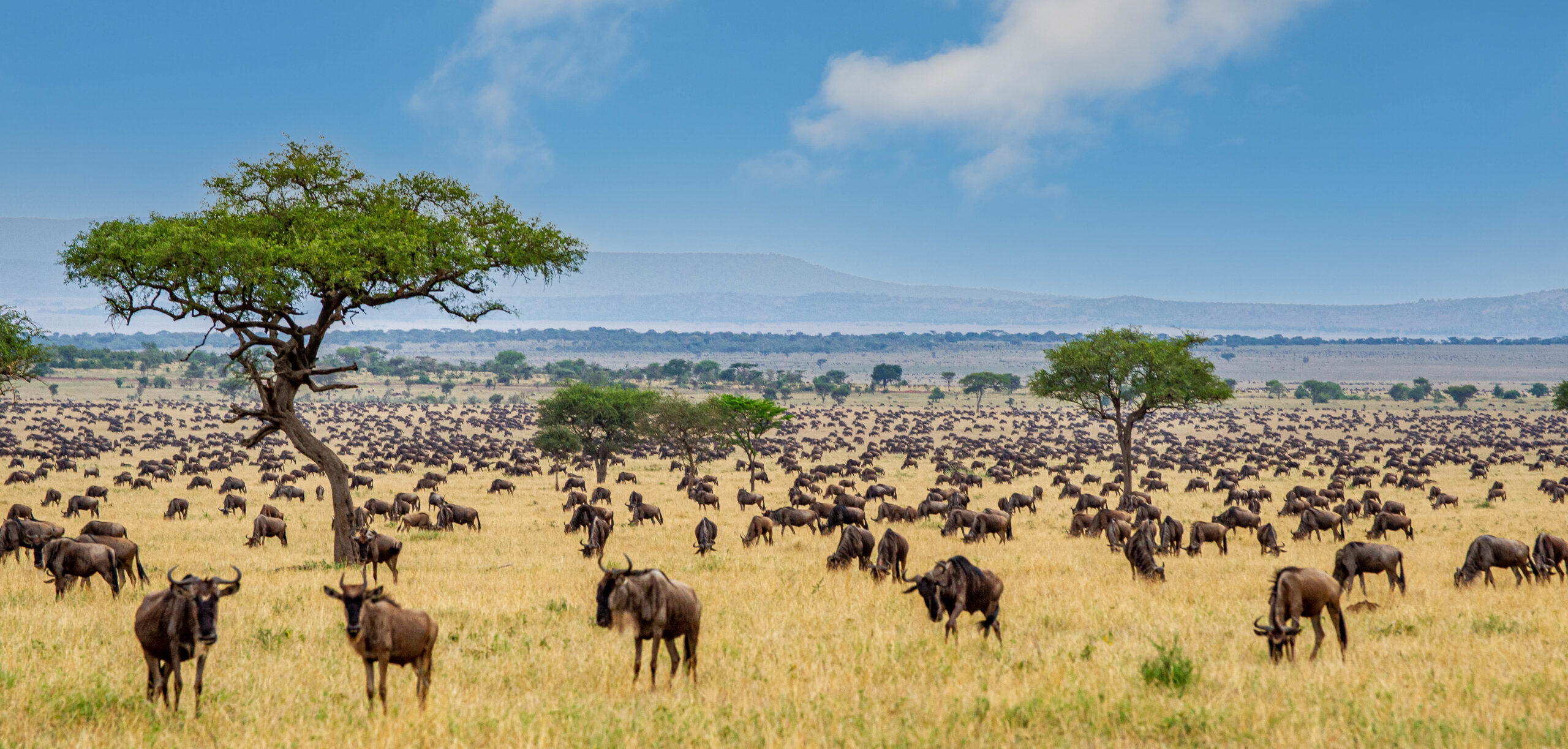
conservation efforts. Known globally for the Great Migration, the park hosts
millions of wildebeest and zebras moving across its plains, creating dramatic
wildlife action throughout the year. Visitors also enjoy excellent chances to
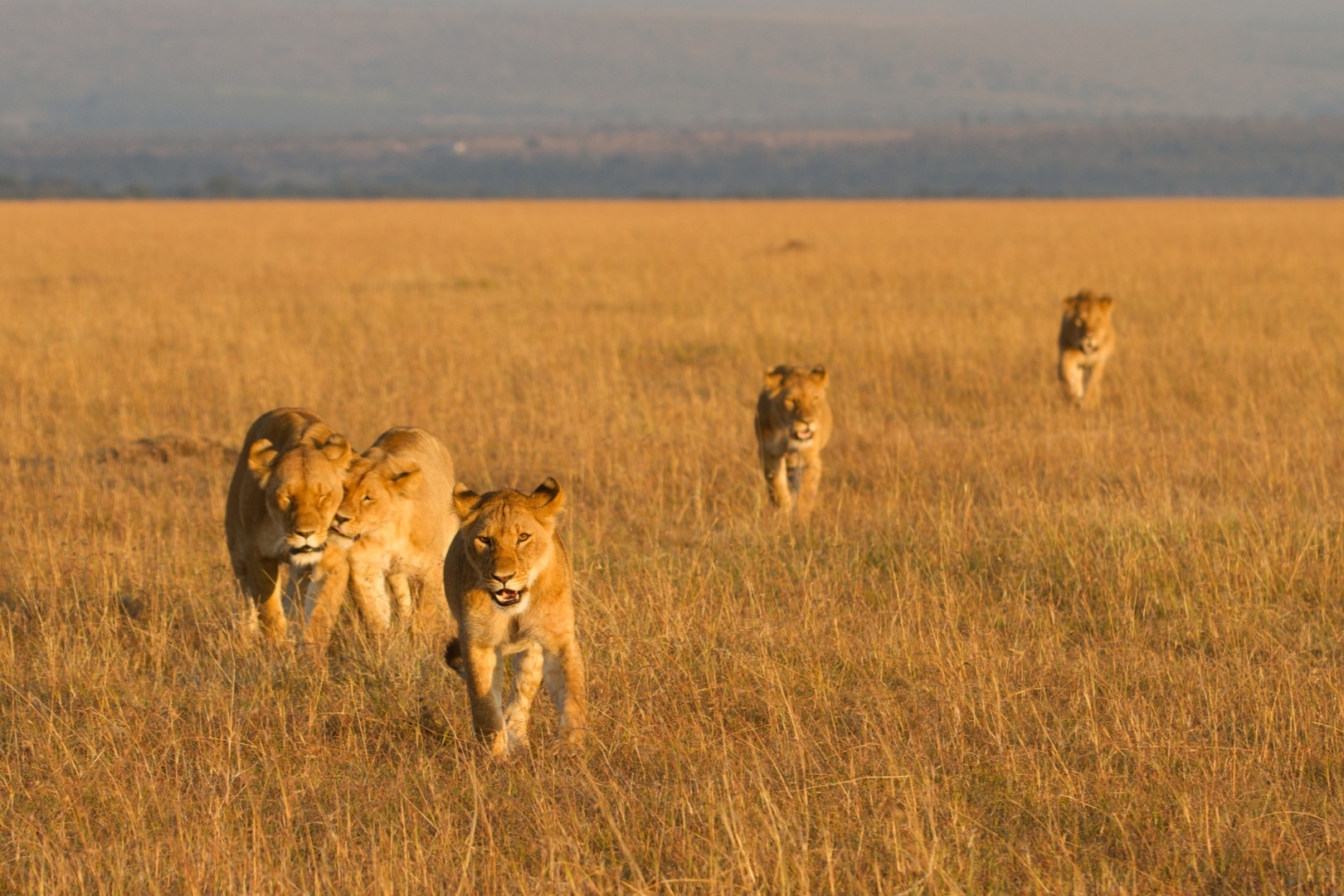
see the Big Five, along with cheetahs, giraffes, and hyenas. Its landscapes
range from open savannahs to rocky kopjes and riverine forests, providing
variety for exploration and photography. Accessibility through Arusha and
multiple airstrips makes planning simple, while accommodation options suit
every budget. As a UNESCO World Heritage Site, Serengeti protects ecosystems
and supports local communities, ensuring safaris here remain rewarding,
responsible, and memorable.
1. January to
March the Calving Season
The southern Serengeti and Ndutu plains are busiest
from January to March, when wildebeest give birth to hundreds of thousands of
calves. This attracts predators such as lions, cheetahs, and hyenas, creating
intense wildlife activity. Travelers benefit from seeing newborn animals and
predator interactions in open plains, which are easy for photography.
Accommodation is available near Ndutu, and guides focus on calving herds. This
period is less crowded compared to peak migration months, making it suitable
for those who prefer quieter safaris. Weather is warm, and short rains may
occur, but they do not disrupt game drives significantly. For travelers seeking
dramatic wildlife action and predator-prey dynamics, this is one of the most
rewarding times to visit Serengeti.
2. April to May
the Green Season
April and May bring long rains, turning Serengeti
landscapes green. Wildlife remains active, but animals are more dispersed, and
some roads may be muddy. This season is ideal for travelers seeking value, as
lodges reduce rates and crowds are minimal. Birdwatching is excellent, with
migratory species present. Photography benefits from dramatic skies and vibrant
backdrops. While game viewing may require more patience, predators remain near
calving herds, and elephants are often seen in woodlands. Travelers should
prepare for wet conditions but enjoy privacy and affordability. For those who
prioritize cost savings and unique scenery, this period offers strong
advantages. Guides adapt routes to ensure guests still see key wildlife despite
the rains.
3. June –
Western Corridor
June marks the movement of herds toward the western
Serengeti. The Grumeti River becomes a focal point, with wildebeest and zebras
crossing waters filled with crocodiles. This provides dramatic wildlife viewing
opportunities. Weather is dry and comfortable, making game drives reliable.
Lodges in the western corridor offer access to crossings and predator activity.
Travelers benefit from seeing migration herds without the heavy crowds of later
months. Birdlife remains strong, and elephants are common in riverine areas.
This period balances good wildlife viewing with manageable visitor numbers. For
those seeking migration highlights before peak season, June is an excellent
choice.
4. July –
Northern Serengeti Begins
By July, herds reach the
northern Serengeti, preparing for Mara River crossings. This is one of the
most famous safari spectacles, with wildebeest facing crocodiles and predators
along riverbanks. Weather is dry, and visibility is excellent. Lodges near
Kogatende provide access to crossings, though demand is high, so early booking
is essential. Travelers benefit from seeing large herds and predator action in
rugged landscapes. This period marks the start of peak migration viewing,
attracting many visitors. For those who want dramatic wildlife events, July is
a strong month to plan a safari.
5. August – Peak
River Crossings
August is peak season for Mara River crossings in
the northern Serengeti. Herds gather in massive numbers, and crossings occur
frequently. Travelers benefit from witnessing one of nature’s most intense
wildlife events. Weather remains dry, making game drives reliable. Lodges and
camps are busy, so booking well in advance is necessary. Predator activity is
high, with lions and hyenas following herds. This period is ideal for travelers
seeking guaranteed migration action. Costs are higher, but the experience is
unmatched. For those prioritizing migration drama, August is the best month to
visit Serengeti.
6. September –
Continued Migration Drama
September continues the Mara
River crossings, with herds still in the northern Serengeti. Wildlife
viewing remains excellent, with predators active and elephants common. Weather
is dry, and visibility is strong. Lodges near Kogatende and Lamai provide
access to crossings. Travelers benefit from seeing migration herds without the
extreme crowds of August, though demand is still high. This period balances
dramatic wildlife events with slightly reduced visitor pressure. For those
seeking migration highlights and predator activity, September is a practical
choice.
7. October – Dry
Season Viewing
October marks the end of the dry season, with herds
beginning to move south. Wildlife viewing remains strong, as animals gather
around remaining water sources. Predator activity continues, and elephants are
often seen in central Serengeti. Weather is dry, though temperatures rise.
Lodges remain busy, but crowds start to thin compared to August and September.
Travelers benefit from reliable game drives and strong wildlife sightings. For
those seeking migration herds without peak-season crowds, October is a good
option.
8. November –
Short Rains
November brings short rains, refreshing landscapes
and drawing herds southward. Wildlife remains abundant, though animals are more
dispersed. Birdwatching improves with migratory arrivals. Lodges reduce rates,
making safaris more affordable. Travelers benefit from fewer crowds and vibrant
scenery. Game drives remain possible, though occasional showers occur. For
those seeking value and privacy, November is a practical month to visit
Serengeti.
9. December –
Return to Southern Plains
By December, herds return to the southern Serengeti
and Ndutu plains. Wildlife viewing is strong, with predators following herds.
Short rains continue, creating green backdrops. Lodges near Ndutu provide
access to calving areas, which begin in January. Travelers benefit from seeing
herds in open plains with fewer crowds compared to peak migration months. Costs
are moderate, and weather is manageable. For those seeking early calving
activity and predator sightings, December is a rewarding time to visit
Serengeti.
Top safari
activities to do in Serengeti National park
Top safari activities in Serengeti National Park
focus on experiences that maximize wildlife viewing and connect travelers with
the park’s diverse landscapes. Game drives are the most popular, offering close
views of lions, elephants, giraffes, and the famous Great Migration herds. Hot
air balloon rides at sunrise provide a unique perspective of the plains and
wildlife below. Walking safaris with expert guides allow guests to learn about
animal tracks, plants, and smaller species often missed from vehicles.
Birdwatching is rewarding, with over 500 species across wetlands and woodlands.
Cultural visits to nearby communities add depth to the safari, while
photographic safaris help travelers capture the park’s beauty. Together, these
activities ensure Serengeti safaris remain varied, educational, and memorable.
How to get there
to Serengeti National park
Getting to Serengeti National Park is
straightforward, with options that suit different budgets and schedules. Most
travelers start in Arusha, which is accessible by flights into Kilimanjaro
International Airport. From Arusha, you can take a domestic flight to airstrips
inside Serengeti such as Seronera, Kogatende, or Ndutu, saving time and
offering direct access to safari areas. For those preferring road travel,
driving from Arusha to Serengeti takes about 7–8 hours, passing through
Ngorongoro Conservation Area, which adds value with wildlife viewing along the
way. Charter flights are ideal for travelers with limited time, while road
transfers suit those wanting to combine destinations. Whether by air or road,
reaching Serengeti is practical, and planning depends on your schedule, budget,
and safari priorities.