
Did you know Uganda, famously hailed by Winston
Churchill as the Pearl of Africa, is one of the few places where you can trek
endangered mountain gorillas in misty rainforests and enjoy classic savannah
game drives all in one journey? This compact country offers astonishing
diversity, from the thunderous roar of Murchison Falls to the serene beauty of Lake
Bunyonyi. Safari-goers marvel at tree-climbing lions in Queen Elizabeth
National Park, track chimpanzees in Kibale Forest, and explore the remote
wilderness of Kidepo Valley. Complemented by cultural encounters, rhino
tracking at Ziwa Sanctuary, and adrenaline-filled adventures at Jinja, Uganda
promises a deeply enriching safari holiday that blends wildlife, landscapes,
and culture into one unforgettable odyssey.
Bwindi
Impenetrable Forest
Bwindi is Uganda’s crown jewel, home to nearly half
of the world’s mountain gorillas. Trekking here is a once-in-a-lifetime
experience, where visitors hike through dense rainforest guided by expert
trackers until they encounter a gorilla family. Watching silverbacks rest,
mothers nurture infants, and juveniles play in their natural habitat is
profoundly moving. The misty highlands create a mystical atmosphere, and the
trek itself is an adventure through steep terrain rich in biodiversity. Bwindi
is also a UNESCO World Heritage Site, recognized for its ecological importance.
Beyond gorillas, the forest hosts over 350 bird species, rare butterflies, and
unique flora. For many travelers, this intimate wildlife encounter represents
the pinnacle of conservation success and is the highlight of any Uganda safari
holiday.
Queen Elizabeth
National Park
Queen Elizabeth National Park is Uganda’s most
popular safari destination, celebrated for its diverse ecosystems and iconic
wildlife. The Ishasha sector is famous for tree-climbing lions, a rare behavior
that offers unforgettable photographic opportunities. The park also features
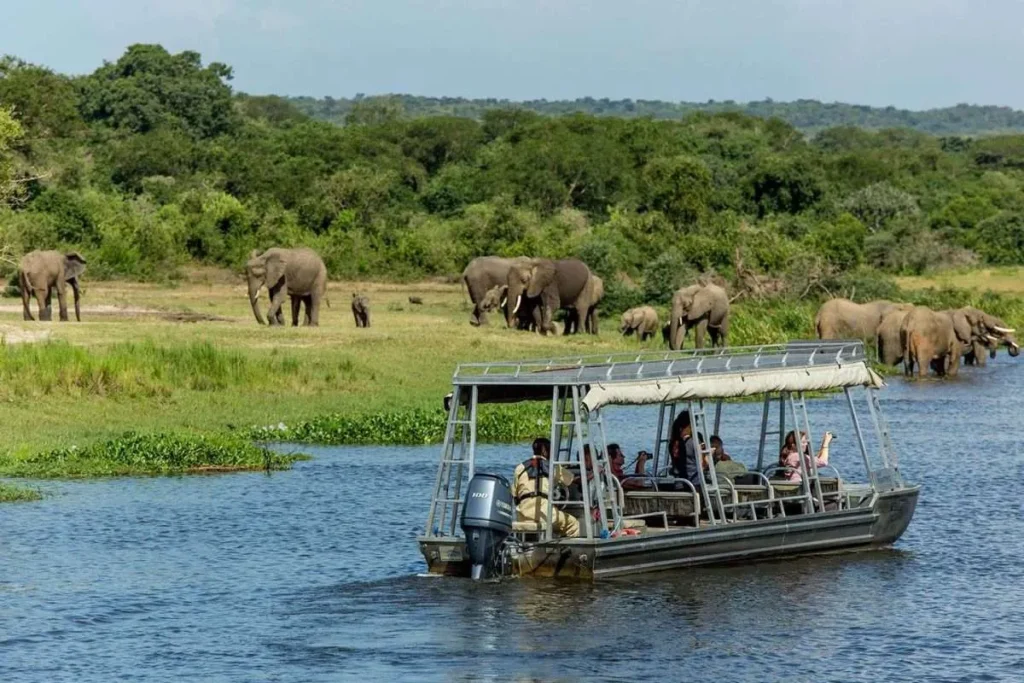
the Kazinga Channel, where boat cruises reveal pods of hippos, elephants,
buffalo, and prolific birdlife along the shoreline. Spanning savannah,
wetlands, and crater lakes, Queen Elizabeth supports over 95 mammal species and
600 bird species, making it a paradise for nature lovers. Game drives here
often deliver sightings of elephants, lions, and leopards, while the Mweya
Peninsula offers sweeping views of Lake Edward. Its accessibility and variety
of experiences make it a core stop on any Uganda safari, blending dramatic
landscapes with rich wildlife encounters.
Murchison Falls
National Park
Murchison
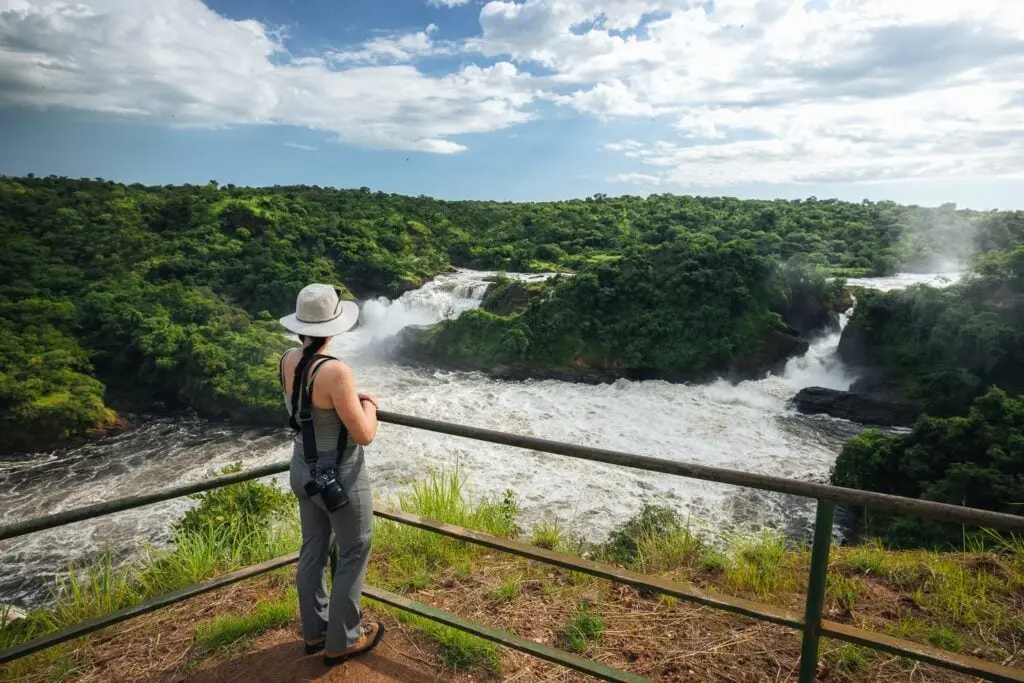
Falls is Uganda’s largest and oldest national park, where the Nile River
crashes through a narrow 7-meter gorge to create the world’s most powerful
waterfall. Visitors can enjoy boat safaris to the base of the falls, spotting
crocodiles, hippos, and elephants along the way, or hike to the top for breathtaking
views of the roaring cascade. The park’s savannah plains host giraffes, lions,
buffalo, and antelopes, while birdwatchers delight in species like the rare
shoebill stork. Murchison offers a classic safari experience with dramatic
scenery, abundant wildlife, and thrilling river adventures. Its combination of
powerful natural spectacle and diverse ecosystems makes it one of Uganda’s most
rewarding destinations, appealing to adventurers, photographers, and
conservation enthusiasts alike.
Kibale Forest
National Park
Kibale Forest is renowned as the primate capital of
the world, with the highest density of primates in Africa. It is the best place
for chimpanzee trekking, where sightings are almost guaranteed. Guided walks
through lush rainforest reveal troops of chimpanzees swinging through the
canopy, foraging, and displaying complex social behaviors. The park is also
home to 12 other primate species, including red colobus and L’Hoest’s monkeys,
as well as over 350 bird species. Kibale offers a fascinating glimpse into
primate evolution and behavior, making it a must-visit for wildlife
enthusiasts. Its accessibility from Fort Portal and combination of forest
trekking, birdwatching, and cultural encounters make it a versatile safari
stop, blending adventure with scientific intrigue.
Kidepo Valley
National Park
Kidepo Valley is Uganda’s most remote and untouched
safari park, located in the rugged northeast near the borders with Kenya and
South Sudan. Its sweeping savannahs and dramatic mountain backdrops create a
frontier-like atmosphere, offering a true wilderness experience. Wildlife here
includes cheetahs, lions, elephants, giraffes, and ostriches, often seen
without the crowds typical of other parks. Cultural encounters with the
Karamojong people add depth to the safari, showcasing traditional pastoralist
lifestyles. The isolation of Kidepo ensures an exclusive safari, where vast
landscapes and unique species combine to deliver one of Africa’s most authentic
adventures. For seasoned travelers seeking raw beauty and solitude, Kidepo is
unmatched.
Mgahinga Gorilla
National Park
Mgahinga is a smaller, quieter alternative to Bwindi
for gorilla trekking, located at the base of the Virunga Volcanoes. Its
dramatic scenery includes extinct volcanic peaks, bamboo forests, and montane
vegetation. Trekking here offers intimate encounters with gorillas in a less
crowded setting, often accompanied by views of golden monkeys, another rare
primate species. The park also provides cultural experiences with the Batwa
people, indigenous forest dwellers who share their traditions and survival
skills. Mgahinga’s combination of gorilla trekking, volcanic landscapes, and
cultural immersion makes it a hidden gem for travelers seeking a more tranquil
safari. Its compact size ensures concentrated experiences, blending adventure
with serenity.
Ziwa Rhino
Sanctuary
Ziwa Rhino
Sanctuary is the only place in Uganda to see rhinos, completing the Big Five
safari checklist. Located en route to Murchison Falls, the sanctuary offers
guided walking safaris where visitors track southern white rhinos on foot. This
thrilling experience allows close encounters with these massive,
prehistoric-looking animals in a safe environment. Ziwa also supports diverse
birdlife and antelope species, making it more than just a rhino haven. The
sanctuary plays a vital role in conservation, reintroducing rhinos after their
extinction in Uganda during the 1980s. For travelers, Ziwa provides both
adrenaline and education, highlighting the importance of protecting endangered
species.
Lake Bunyonyi
Lake Bunyonyi, meaning “place of little birds,” is
one of Uganda’s most scenic and tranquil destinations. Dotted with 29 islands
and surrounded by terraced hills, it offers a serene retreat after gorilla
trekking. The lake is bilharzia-free and safe for swimming, canoeing, and
kayaking. Visitors can glide across its calm waters in traditional dugout
canoes, explore island communities, and enjoy breathtaking sunsets. Its crisp
highland air and peaceful atmosphere make it ideal for relaxation, reflection,
and cultural immersion. Lake Bunyonyi is often considered the perfect
post-safari destination, balancing adventure with rest and offering a
picturesque finale to a Ugandan journey.
Semuliki
National Park
Semuliki lies along the Congo border and is known
for its unique blend of Central African rainforest and East African savannah.
The park features hot springs, birdwatching opportunities, and diverse forest
wildlife. Over 400 bird species, including rare forest specialists, make it a
paradise for birders. Visitors can also encounter primates like colobus monkeys
and forest elephants. The Sempaya hot springs are a highlight, where boiling
geysers create dramatic natural displays. Semuliki’s cultural richness includes
interactions with the Batwa and other local communities. Its combination of
geological wonders, biodiversity, and cultural encounters makes it a
distinctive safari attraction.
Jinja and Source
of the Nile
Jinja, known
as the adventure capital of East Africa, sits at the source of the Nile River.
It offers adrenaline-pumping activities like white-water rafting, kayaking,
bungee jumping, and quad biking. Cultural tours along the riverbanks reveal
local traditions and history, while boat rides to the exact source of the Nile provide
a symbolic experience. Jinja blends adventure with culture, making it a
versatile destination for thrill-seekers and explorers alike. Its proximity to
Kampala ensures easy access, and its vibrant atmosphere appeals to both
international and local travelers. For those seeking excitement beyond
wildlife, Jinja is an essential stop on a Uganda safari holiday.
Best time to go
for Uganda safari Vacation
The best time to go for a Uganda safari vacation is
during the dry seasons from June to September and December to February, when
the weather is stable, wildlife congregates around limited water sources, and
gorilla trekking trails are less slippery. These months provide excellent
conditions for game drives in Queen Elizabeth, Murchison Falls, and Kidepo
Valley, as well as unforgettable primate encounters in Bwindi and Kibale.
Birdwatchers will also enjoy December to February, when migratory species
arrive. While the rainy seasons of March–May and October–November bring lush
scenery, fewer tourists, and lower prices, they can make trekking and road
travel more challenging. Overall, the dry months guarantee the most comfortable
and rewarding safari experience.