
Kenya is one of Africa's most rewarding safari
destinations, offering beautiful landscapes, diverse wildlife, and
unforgettable game-viewing experiences. From the famous Masai Mara National
Reserve to Amboseli National Park, Lake Nakuru and Samburu National Reserve,
visitors have plenty of destinations to explore. Planning a successful wildlife
safari in Kenya requires choosing the right destinations, travelling at the
best time, selecting suitable accommodation and preparing well for the journey.
Here are some important tips to help you plan an enjoyable and memorable Kenya
wildlife safari.
Choose the Best
Wildlife Destinations
Start by identifying the national parks and reserves
you would like to visit. Kenya has several wildlife destinations, each offering
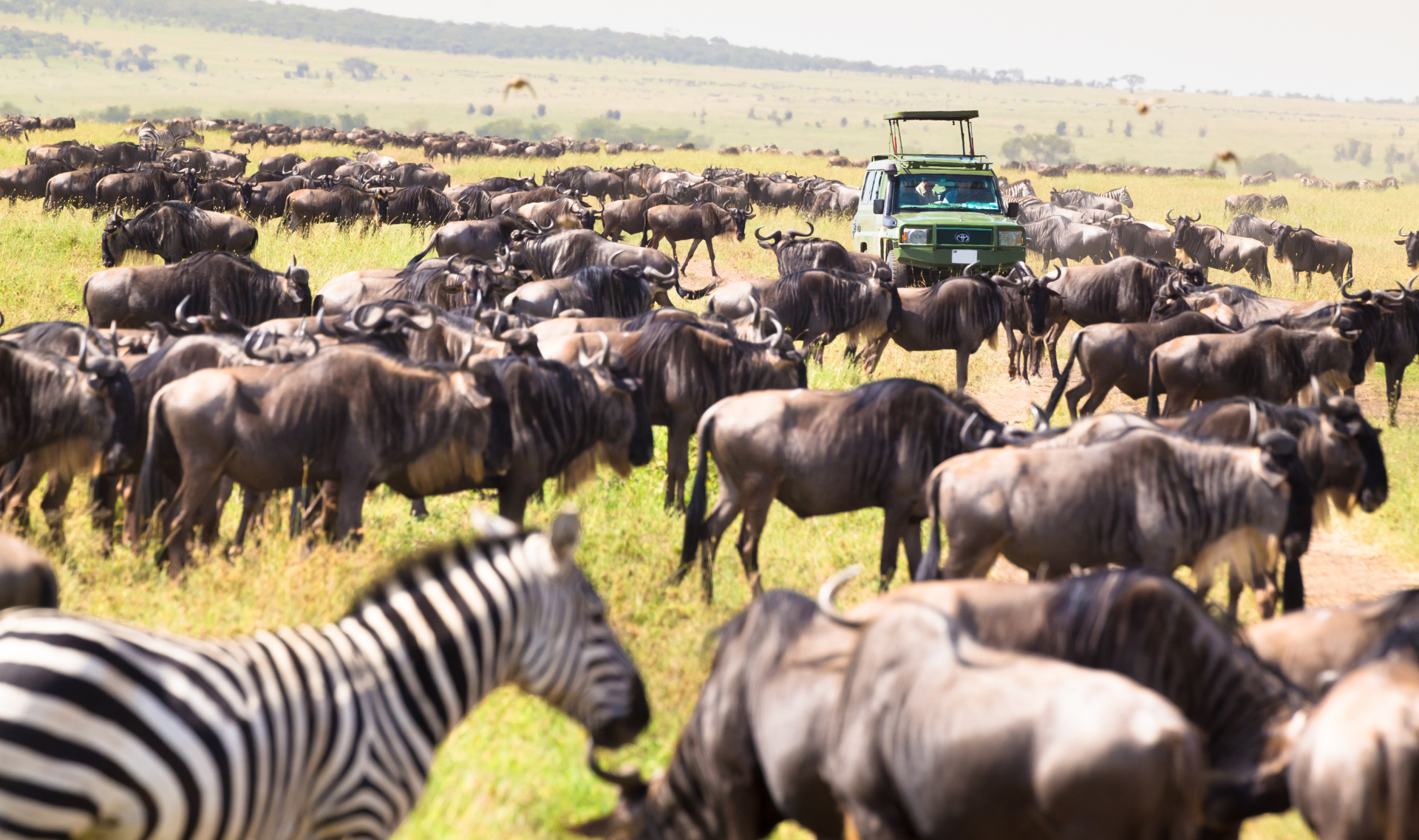
different experiences. The Masai Mara National Reserve is famous for its large
populations of lions, elephants, leopards, buffaloes and rhinos, as well as the
annual wildebeest migration. Amboseli National Park is known for its large
elephant herds and beautiful views of Mount Kilimanjaro. Lake Nakuru National
Park is a wonderful destination for spotting rhinos, giraffes, and various bird
species. You can also include Samburu National Reserve for unique wildlife
species such as Grevy's zebra, reticulated giraffes and gerenuks.
Plan Your Safari
during the Best Time
The timing of your safari can greatly influence your
wildlife experience. Kenya can be visited throughout the year, but the dry
seasons, particularly from June to October, are popular for wildlife viewing
because animals are easier to spot around water sources. July to October is
also a popular period for witnessing the Great Wildebeest Migration in the
Masai Mara. However, the exact timing of the migration depends on rainfall and
grazing conditions. January and February are also excellent months for game
viewing, especially in several parks where vegetation is less dense.
Decide on the
Length of Your Safari
Choose the number of days you can comfortably spend
exploring Kenya's wildlife destinations. A short safari of three to four days
can focus on one or two destinations, such as the Masai Mara or Amboseli. For a
more extensive experience, consider spending seven to ten days exploring
different destinations. This allows you to combine places such as Lake Nakuru,
Masai Mara, Amboseli and Samburu without rushing through the journey.
Set a Realistic
Safari Budget
Your safari budget determines the type of experience
you can enjoy. Consider expenses such as park entrance fees, accommodation,
transportation, meals, guide services and optional activities. Kenya offers
budget, midrange and luxury safari experiences. You can choose affordable
campsites, comfortable safari lodges, or luxurious tented camps depending on
your preferences. Also, keep some extra money for personal expenses and
optional experiences such as hot air balloon safaris.
Choose Suitable
Safari Accommodation
Accommodation is an important part of your safari
experience. Choose a lodge or camp based on your budget, preferred comfort and
proximity to the wildlife areas you want to explore. You can stay inside
national parks, in nearby lodges, or in private conservancies. Staying close to
wildlife viewing areas helps reduce travelling time and gives you more
opportunities for game drives. For a more immersive experience, consider tented
camps that allow you to enjoy the natural surroundings while benefiting from
comfortable facilities.
Book with a
Reliable Tour Operator
Working with a reputable safari company makes
planning easier. A professional tour operator can help you organize
accommodation, transport, park entry fees, game drives and other activities. Choose
a company with experienced safari guides, well-maintained vehicles and good
customer reviews. Before confirming your booking, request a detailed itinerary
showing what is included in the package.
Choose the Right
Safari Vehicle
A comfortable and reliable safari vehicle is
essential for exploring Kenya's national parks and reserves. A 4x4 safari Land
Cruiser with a pop-up roof is a popular choice because it provides better
access to rough roads and excellent opportunities for wildlife viewing and
photography. Ensure the vehicle has enough space for everyone, especially if
travelling in a group. Also, confirm that it is properly maintained and
equipped for long-distance journeys.
Plan Your Game
Drives Properly
Game drives are among the main highlights of a Kenya
wildlife safari. Plan for early morning and late afternoon drives when many
animals are more active. Allow enough time in each destination instead of
rushing between parks. You can also arrange full-day game drives with picnic
lunches, especially in destinations such as the Masai Mara and Amboseli. Listen
to your guide's recommendations because their knowledge of animal behavior and
the park environment can greatly improve your wildlife experience.
Prepare the
Necessary Safari Packing List
Packing appropriately helps you enjoy your safari
comfortably. Carry lightweight clothing in neutral colors, comfortable walking
shoes, a hat, sunglasses, sunscreen and insect repellent. Other important items
include a camera, binoculars, personal medication, a reusable water bottle, and
a light jacket for chilly early mornings. Remember to pack according to the
weather conditions of the destinations you intend to visit. Kenya Wildlife
Service also recommends adaptable clothing and essential items such as
binoculars, a torch and insect repellent.
Check Park Entry
Fees and Travel Requirements
Before travelling, confirm the park entrance fees,
accommodation costs and any additional charges included in your safari package.
Check the latest entry requirements and travel documents, including passport
validity and Kenya's Electronic Travel Authorization requirements where
applicable. Park fees may differ depending on the destination and visitor
category. Always check the current official tariffs before departure.
Follow Wildlife
Viewing Rules
Respecting wildlife and following park regulations
helps protect both visitors and animals. Always listen to your safari guide,
maintain a safe distance from wildlife and avoid making unnecessary noise. Never
feed animals, litter in the parks or attempt to attract wildlife for
photographs. Remain inside your safari vehicle unless you are in a designated
area where getting out is permitted. Responsible wildlife viewing helps
preserve Kenya's natural heritage for future generations.
Book Your Safari
in Advance
Booking early gives you more opportunities to secure
your preferred accommodation, safari vehicle and travel dates. This is
particularly important when travelling during the busy July to October season,
when popular destinations such as the Masai Mara attract many visitors. Early
planning also allows you to compare safari packages, organize your travel
documents and make necessary arrangements without rushing.
Planning the best wildlife safari in Kenya requires
proper preparation, from choosing the right destinations and travel dates to
selecting accommodation and a reliable tour operator. Whether you want to
witness the Great Wildebeest Migration in the Masai Mara, enjoy elephant
viewing in Amboseli, or discover the unique wildlife of Samburu, Kenya offers
unforgettable safari experiences. With a well-planned itinerary, an experienced
guide and the right preparations, you can enjoy an exciting wildlife adventure
while discovering the beauty of Kenya's natural landscapes. Make your dream
Kenya wildlife safari a reality by planning your journey with a trusted safari
operator.
Ready
to plan your next African safari adventure? Contact Zoophilist
Adventures and Safaris for tailor-made
gorilla trekking, wildlife safaris, chimpanzee tracking, and cultural tours
across Uganda, Rwanda, Kenya, and Tanzania.
📧
Email: info@primatetrekkingsafaris.com
mailto:zoophilistadventures@gmail.com
📞
Phone/WhatsApp: +256 760779592
Visit our official website for more information https://primatetrekkingsafaris.com/. Zoophilist Adventures and Safaris specializes in personalized safari experiences, offering expert guidance and carefully crafted itineraries for unforgettable African wildlife encounters