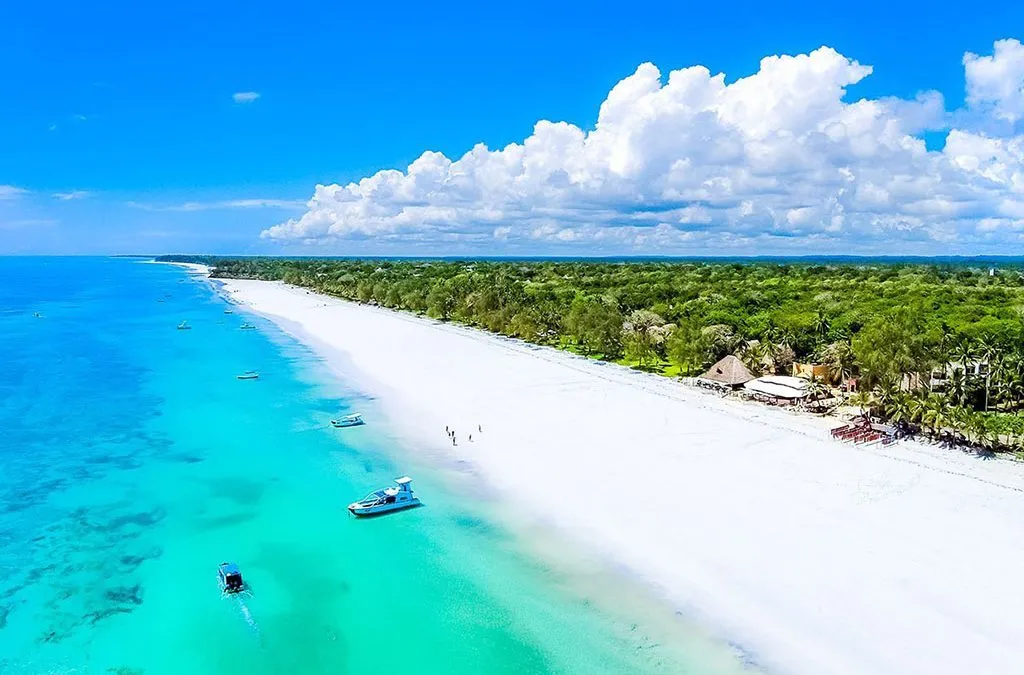

Kenya is a beautiful destination known for its
wildlife, stunning landscapes, and beautiful beaches. Beyond its natural
attractions, the country offers rich cultural experiences that allow visitors
to discover the traditions, history, lifestyles and beliefs of its different
communities. Cultural tours in Kenya provide an opportunity to interact with
local people, visit traditional villages, enjoy local food, learn traditional
dances and understand how different communities preserve their heritage. From
the famous Maasai community to the Samburu, Kikuyu, Luo and Mijikenda
communities, Kenya offers memorable cultural experiences for travelers
interested in exploring African traditions.
Visit a Maasai
Village
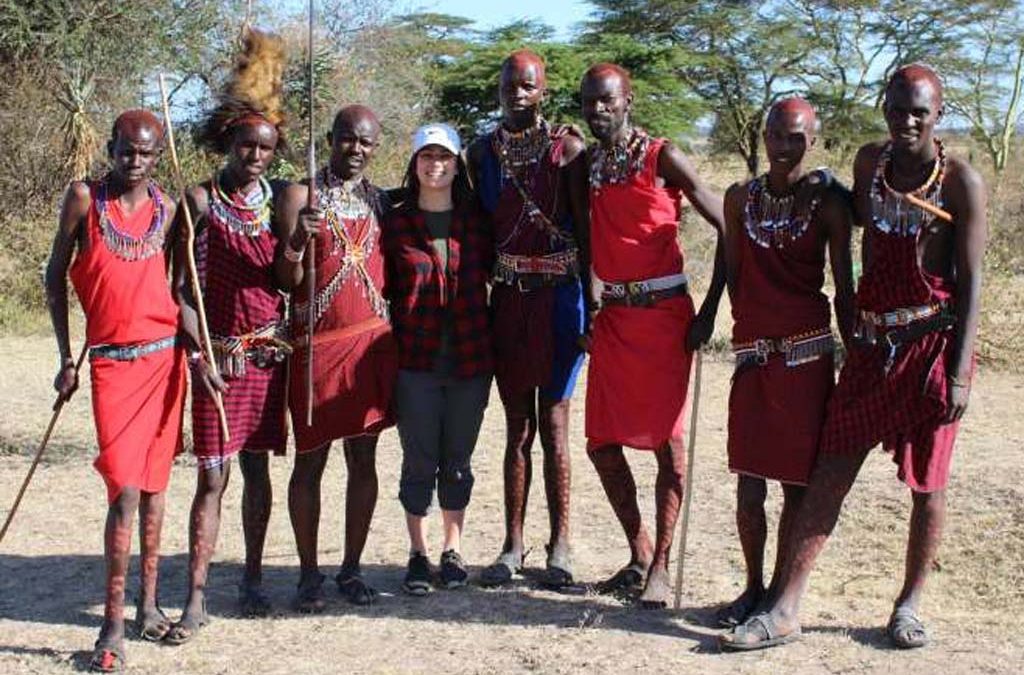
The Maasai are among Kenya's most recognized communities,
famous for their colorful clothing, traditional dances, beadwork, and pastoral
lifestyle. Visiting a Maasai village, commonly known as a manyatta, gives
visitors an opportunity to learn about their traditional homes, cattle keeping,
family structures and cultural beliefs.
The Maasai are a Nilotic-speaking community whose
historical roots are associated with the Nile Valley before their migration
southwards into present-day Kenya and Tanzania. Traditionally, they depended on
cattle keeping for their livelihood and livestock became an important part of
their identity, wealth and social organization. Despite changes brought by
modern life, the Maasai continue to preserve many of their traditional customs
and cultural practices.
Visitors can interact with community members, watch
traditional dances, learn about Maasai beadwork, and discover how the community
maintains its traditions while adapting to modern life. Maasai cultural visits
are popular around the Maasai Mara and Amboseli regions.
Explore Samburu
Cultural Traditions
The Samburu community lives mainly in northern Kenya
and shares some cultural similarities with the Maasai. They are known for their
colorful traditional clothing, beautiful beadwork, pastoral lifestyle and
strong cultural identity.
The Samburu are a Nilotic-speaking pastoralist
community closely related to the Maasai. They mainly inhabit northern Kenya,
particularly Samburu County and surrounding areas. Their traditional lifestyle
revolves around livestock keeping, especially cattle, goats, sheep and camels.
Their colorful clothing, intricate beadwork, age-set system and traditional
ceremonies remain important parts of their cultural identity.
A Samburu cultural tour introduces visitors to their
traditional homes, ceremonies, music, dances and ways of life. Travelers can
also learn about the importance of livestock in the community and how Samburu
families have adapted to the dry landscapes of northern Kenya. Samburu cultural
experiences can be combined with wildlife safaris in Samburu National Reserve.
Discover the
Swahili Culture in Lamu
Lamu is one of Kenya's most important cultural
destinations, offering a wonderful opportunity to explore Swahili history and
traditions. Its historic town features narrow streets, traditional Swahili
houses, beautiful wooden doors, and historic buildings influenced by African,
Arab and Asian cultures.
Swahili culture developed along the East African
coast through centuries of interaction between African coastal communities and
traders from Arabia, Persia, India and other regions. These interactions
influenced the Swahili language, architecture, religion, food and trading
traditions. Lamu became one of the important centers of Swahili civilization,
preserving many aspects of this rich coastal heritage.
Visitors can explore Lamu Old Town, visit local
markets, learn about traditional dhow construction and experience Swahili
hospitality. Local food, traditional music and cultural celebrations also make
Lamu an exciting destination for cultural exploration.
Visit the Bomas
of Kenya
Located in Nairobi, the Bomas of Kenya is one of the
best places to experience Kenya's cultural diversity in one location. The
cultural center showcases the traditional lifestyles, music, dances and
architectural styles of different Kenyan communities.
Kenya is home to more than 40 ethnic communities,
each with its own language, customs, traditional clothing, music, and social
practices. These communities have developed different lifestyles influenced by
their environments, occupations, and histories. Bomas of Kenya was established
to showcase this cultural diversity and help preserve the country's traditional
music, dances, and architecture.
Visitors can watch energetic traditional dance
performances, listen to cultural music and explore traditional homesteads
representing different ethnic groups. It is an excellent introduction to
Kenya's diverse cultural heritage, especially for travelers with limited time
in Nairobi.
Experience
Kikuyu Culture in Central Kenya
The Kikuyu are one of Kenya's largest ethnic
communities, mainly found in the central region around Mount Kenya. A cultural
tour in this region introduces visitors to traditional Kikuyu customs, farming
practices, food, music and family traditions.
The Kikuyu, also known as the Gikuyu, are a
Bantu-speaking community traditionally associated with the central highlands of
Kenya, particularly around Mount Kenya. Traditionally, they practiced
agriculture, growing crops and keeping livestock. Mount Kenya, known as
Kirinyaga in their traditional beliefs, holds great spiritual significance as a
sacred mountain associated with their creator, Ngai.
Visitors can learn about the community's connection
to Mount Kenya, which holds spiritual and cultural importance in traditional
beliefs. Local experiences may include visiting traditional homesteads, tasting
Kikuyu dishes and learning about traditional storytelling and ceremonies.
Discover Luo
Culture around Lake Victoria
The Luo community mainly lives around western Kenya,
particularly near Lake Victoria. Their cultural heritage is closely connected to
fishing, music, storytelling and traditional ceremonies.
The Luo are a Nilotic-speaking community whose
ancestors migrated into western Kenya from the region of present-day South
Sudan over several centuries. They mainly settled around Lake Victoria, where
fishing, farming and livestock keeping became important activities. Their
cultural identity is strongly connected to music, storytelling, traditional
ceremonies and the lake's fishing traditions.
Visitors can explore local fishing communities,
learn about traditional fishing practices, enjoy Luo music, and taste local
dishes such as fish served with ugali. Bondo, Siaya and Kisumu offer
opportunities to experience Luo traditions and understand the community's
relationship with Lake Victoria.
Explore
Mijikenda Kaya Forests
The Mijikenda community along Kenya's coastal region
has a rich cultural heritage preserved through traditional settlements known as
Kayas. These sacred forests served as ancestral homes and remain important
places for cultural identity and spiritual practices.
The Mijikenda are a group of nine closely related
Bantu-speaking communities living along Kenya's coastal region. Their name
means "nine towns" and refers to their nine constituent communities.
Historically, they established fortified settlements known as Kayas, which
served as centers of protection, governance and cultural life. These sacred
settlements remain important symbols of their history and identity.
Visitors can learn about Mijikenda history, traditional
beliefs, medicinal plants and the importance of protecting sacred forests. The
Kaya forests are particularly interesting for travelers who want to combine
cultural exploration with nature experiences.
Experience Turkana Culture in Northern Kenya
The Turkana community lives mainly in the arid
region of northwestern Kenya, around Lake Turkana. They are known for their
distinctive traditional jewelry, colorful clothing, pastoral lifestyle and
strong cultural traditions.
The Turkana are a Nilotic-speaking pastoralist
community traditionally living in northwestern Kenya, particularly around Lake
Turkana. Their ancestors migrated into the region from areas further north
before establishing communities across the dry lands. Livestock keeping, particularly
cattle, goats, sheep and camels, has traditionally supported their livelihoods.
Fishing and other activities around Lake Turkana are also important to some
communities.
Cultural tours offer opportunities to learn about
traditional homes, livestock keeping, fishing activities and the community's
adaptation to the harsh desert environment. Visitors may also experience traditional
dances, storytelling and local food.
Discover Pokot
Cultural Traditions
The Pokot community is mainly found in western
Kenya, particularly around West Pokot and Baringo counties. Their cultural
heritage includes traditional ceremonies, music, dances, beadwork and livestock
keeping.
The Pokot are a Nilotic-speaking community living
mainly in West Pokot and Baringo counties in western Kenya. Traditionally, they
have depended on pastoralism and farming, with livestock playing an important
role in their economy and social life. Their cultural heritage is reflected in
traditional ceremonies, beadwork, music, storytelling and community customs
passed down through generations.
Visitors can interact with local communities, learn
about traditional clothing, discover local food and understand the importance
of cattle in Pokot culture. These experiences provide a deeper understanding of
Kenya's cultural diversity beyond the popular safari destinations.
Visit the Karen
Blixen Museum
Located in Nairobi, the Karen Blixen Museum offers
visitors an opportunity to explore an important part of Kenya's colonial
history. The museum was once the home of Danish author Karen Blixen, who wrote
Out of Africa.
The museum provides a glimpse into Kenya's colonial
history during the late nineteenth and early twentieth centuries. During this
period, European settlers established farms and plantations in parts of Kenya,
particularly the central highlands. Karen Blixen lived in Kenya from 1914 to
1931 and operated a coffee plantation near Nairobi. Her experiences later
inspired her famous book Out of Africa, making her former home an important
historical attraction.
Visitors can explore the historic house, learn about
the colonial coffee-farming period, and discover stories connected to Kenya's
past. Although it focuses more on colonial history than traditional Kenyan
culture, it is an interesting stop for travelers interested in understanding
the country's historical development.
Best Time for
Cultural Tours in Kenya
Cultural tours in Kenya can be enjoyed throughout
the year because most experiences are not limited to particular seasons.
However, the dry months from June to October and January to February are
generally suitable for travelling between destinations and combining cultural
visits with wildlife safaris.
Some cultural festivals and community celebrations
take place on specific dates, so visitors interested in attending them should check
the local event calendar before travelling.
Tips for
Enjoying Cultural Tours in Kenya
When visiting local communities, respect their
customs, traditions and cultural beliefs. Always ask permission before taking
photographs of people, traditional homes, or cultural ceremonies. Dress
appropriately, follow the guidance of local guides and consider purchasing
locally made crafts to support community businesses. It is also important to
choose responsible cultural tourism experiences that involve local communities
and allow them to benefit directly from tourism.
Cultural tours in Kenya offer more than an
opportunity to see beautiful destinations. They allow visitors to connect with
local communities, understand traditional lifestyles, discover historical sites
and appreciate the country's diverse heritage. Whether exploring a Maasai
village, discovering Swahili traditions in Lamu, or experiencing Samburu
culture in northern Kenya, every encounter offers something unique. Combining
cultural experiences with a Kenya wildlife safari creates a more meaningful
journey, allowing travelers to appreciate both the country's natural beauty and
its rich cultural identity.